How to Stop Itchy Feet Home Remedies: Causes, Natural Treatments & Prevention
Persistent itchy skin, medically known as pruritus, creates an uncomfortable urge to scratch the skin. Continuous itching can interfere with daily activities, reduce sleep quality, and often becomes worse during the night. Whether your feet itch because of dry skin, dry itchy feet, fungal infections, allergies, or another underlying condition, understanding the cause is the first step toward effective treatment. This guide explains how to stop itchy feet home remedies, common causes, proven natural treatments, prevention tips, and when to consult a doctor.
Table of Contents
- Introduction
- How to Stop Itchy Feet Home Remedies
- What Causes Itchy Feet?
- Dry Skin
- Eczema (Atopic Dermatitis)
- Athlete’s Foot (Tinea Pedis)
- Allergic Contact Dermatitis
- Thyroid Disorders
- Kidney Disease
- Scabies
- Other Medical Conditions
- Common Symptoms of Itchy Feet
- Best Home Remedies for Itchy Feet
- Cold Compress
- Colloidal Oatmeal Foot Soak
- Plain Yogurt
- Neem Water Foot Soak
- Tea Tree Oil
- Petroleum Jelly
- Apple Cider Vinegar
- Baking Soda Foot Soak
- Onion Juice
- Daily Habits to Prevent Itchy Feet
- When Should You See a Doctor?
- Conclusion
- Frequently Asked Questions
How to Stop Itchy Feet Home Remedies
How to stop itchy feet home remedies include identifying the cause and using simple, effective treatments to soothe irritated skin. If your itchy feet are caused by dry skin, athlete’s foot, or mild allergies, remedies like a cold compress, colloidal oatmeal soak, baking soda, diluted tea tree oil, apple cider vinegar, and fragrance-free moisturizers may help reduce itching and discomfort. Keep your feet clean and dry, wear breathable shoes, and avoid scratching the affected area. If the itching persists for more than two weeks or is accompanied by swelling, blisters, or signs of infection, consult a healthcare professional.
What Causes Itchy Feet?
There are many possible reasons behind itchy feet, ranging from temporary irritation to chronic medical conditions. Identifying the cause helps you choose the most appropriate treatments.
Common causes include:
Dry Skin
Dry skin is one of the leading causes of itchiness and irritated feet. A lack of natural oils weakens the skin barrier, causing flaking, cracking, and persistent itching.
Common triggers include:
- Cold weather
- Hot showers
- Harsh soaps
- Dehydration
- Aging skin
Daily use of fragrance-free lotions helps restore moisture, relieve itching, and protect the skin from further damage.
Eczema (Atopic Dermatitis)
Eczema, also known as atopic dermatitis, is a chronic inflammatory skin condition that causes severe dryness, redness, and scaly patches.
It commonly affects:
- Feet
- Hands
- Elbows
- Knees
People with eczema often experience intense itching. Avoid scratching, as it may worsen irritation and increase the risk of infection.
Athlete’s Foot (Tinea Pedis)
Athlete’s foot, medically called tinea pedis, is one of the most common fungal infections affecting the feet.
Symptoms include:
- Burning sensation
- Peeling skin
- Cracked heels
- Redness
- Blisters
- Persistent itching between the toes
Early treatment of athlete’s foot helps prevent the spread of fungi and recurring infection.
Allergic Contact Dermatitis
An allergic reaction to soaps, detergents, rubber, latex, lotions, or footwear may cause contact dermatitis.
Symptoms include:
- Rash
- Swelling
- Redness
- Small bumps
- Persistent irritation
Thyroid Disorders
People with hypothyroidism frequently develop extremely dry skin, which becomes itchy because the skin produces less natural oil.
Kidney Disease
Advanced kidney disease may cause toxin buildup in the bloodstream, resulting in persistent itching affecting various parts of the body, including the feet.
Scabies
Scabies is caused by microscopic mites burrowing beneath the skin.
Symptoms include:
- Severe nighttime itching
- Small bumps
- Rash
- Irritated skin between fingers and toes
Medical treatment is required.
Other Medical Conditions
Additional medical conditions that may contribute to itchy feet include:
- Psoriasis
- Diabetes
- Poor circulation
- Nerve damage
- Allergies
Excessive sweat, trapped moisture, damp socks, and tight shoes can also encourage fungal growth.
Common Symptoms of Itchy Feet
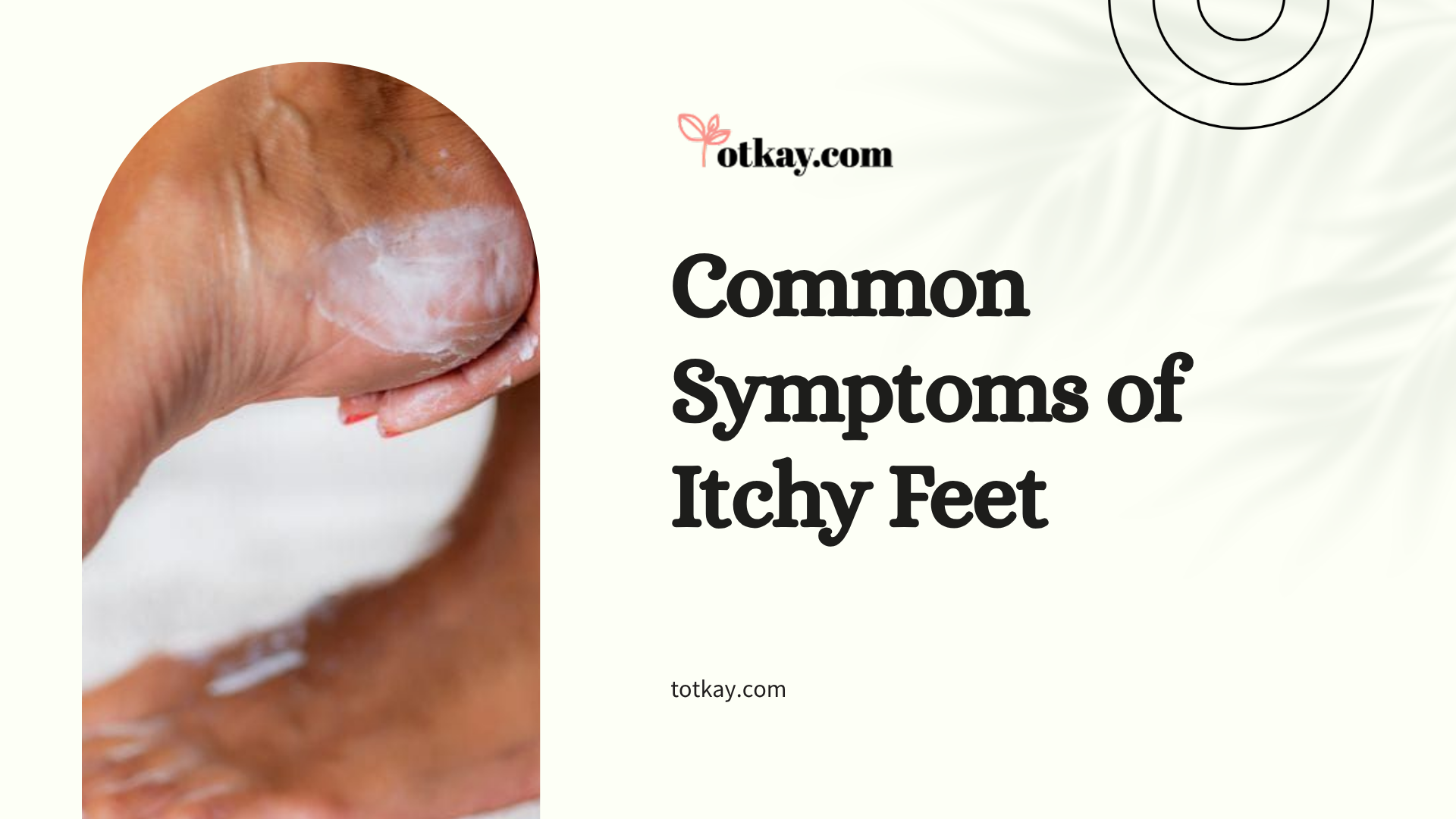
Depending on the underlying cause, symptoms may include:
- Persistent itching
- Dry or flaky skin
- Redness
- Swelling
- Burning sensation
- Cracked skin
- Scaly patches
- Rash
- Blisters
- Thickened skin
- Pain or discomfort
- Peeling skin
- Irritated toes
If symptoms continue or worsen despite treatment, consult a healthcare provider.
Best Home Remedies for Itchy Feet
The following home remedies may help soothe mild irritation and provide temporary relief.
1. Cold Compress
Applying a cold compress using cold water or cool water temporarily calms irritated nerves, reduces inflammation, and helps reduce itching.
How to Use
- Wrap ice cubes in a towel.
- Apply for 10–15 minutes.
- Repeat as needed.
Avoid placing ice directly on the skin.
2. Colloidal Oatmeal Foot Soak
Colloidal oatmeal is widely known for its natural anti-inflammatory properties. Combined with salt water or warm water, it helps soothe irritated skin and ease itching.
Directions
- Fill a basin with warm water.
- Add one cup of colloidal oatmeal.
- Mix thoroughly.
- Soak feet for 15–20 minutes.
- Pat dry.
- Apply moisturizer afterward.
3. Plain Yogurt
Plain yogurt contains probiotics that may help balance the skin’s natural microbiome.
How to Use
- Apply plain, unsweetened yogurt to the affected area.
- Leave for 10 minutes.
- Rinse with lukewarm water.
- Repeat once or twice daily.
4. Neem Water Foot Soak
Neem is valued for its antifungal and antibacterial properties and has traditionally been used to soothe irritated skin and support healthy skin.
Directions
- Boil fresh neem leaves.
- Allow the water to cool.
- Soak your feet for 15–20 minutes.
- Repeat daily.
5. Tea Tree Oil
Tea tree oil possesses natural antifungal and antibacterial properties, making it one of the most popular natural remedies for treating athlete’s foot.
Safe Application
Always dilute with:
- Coconut oil
- Olive oil
Apply gently once daily.
Never use undiluted tea tree oil directly on the skin.
6. Petroleum Jelly
Petroleum jelly locks in moisture, repairs the damaged skin barrier, and protects the affected area from further irritation.
For best results:
- Apply after washing your feet.
- Wear cotton socks overnight.
- Repeat daily.
7. Apple Cider Vinegar
Apple cider vinegar is traditionally used because its acidity may help slow fungal growth.
Directions
- Mix one part vinegar with three parts water.
- Soak feet for 10–15 minutes.
- Dry thoroughly.
Avoid using it on open wounds or bleeding skin.
8. Baking Soda Foot Soak
Baking soda helps balance skin pH and may temporarily soothe itchy feet.
Instructions
- Add ½ cup baking soda to warm water.
- Soak for 15–20 minutes.
- Dry feet completely afterward.
9. Onion Juice
Fresh onion contains natural sulfur compounds with antibacterial properties that may help reduce surface bacteria.
How to Use
- Blend onions.
- Strain the juice.
- Apply with a cotton pad.
- Leave for 20–30 minutes.
- Rinse thoroughly.
Repeat 2–3 times weekly.
Daily Habits to Prevent Itchy Feet
Small daily habits can help prevent recurring itchiness.
Moisturize Daily
Use fragrance-free moisturizers immediately after bathing.
Keep Feet Dry
Dry carefully between the toes to prevent fungal growth.
Wear Well-Ventilated Shoes
Choose breathable, well-ventilated shoes and clean cotton socks every day.
Avoid Walking Barefoot
Avoid walking barefoot in public showers, gyms, and swimming pools to reduce exposure to fungi.
Avoid Harsh Skincare Products
Choose fragrance-free cleansers and moisturizers.
Stay Hydrated
Proper hydration helps maintain healthy skin.
Manage Stress
Stress may worsen eczema and other skin conditions.
Avoid Scratching
Although it may provide temporary relief, avoid scratching, as it can damage the skin, worsen irritation, and increase the risk of infection.
When Should You See a Doctor?

While many cases improve with home remedies, consult a healthcare professional if:
- Itching persists for more than two weeks
- Home treatments do not help
- Severe swelling develops
- Pain increases
- Open sores appear
- Rash spreads rapidly
- Signs of infection develop
- You have diabetes or poor circulation
A doctor may recommend prescription creams or antifungal medication, depending on the underlying cause.
Conclusion
Understanding how to stop itchy feet home remedies starts with identifying the underlying cause. Whether your symptoms are related to dry skin, eczema, athlete’s foot, allergies, or other medical conditions, early care can help treat itchiness, protect the skin, and prevent future flare-ups. Natural remedies such as baking soda, apple cider vinegar, tea tree oil, oatmeal soaks, and proper foot hygiene may provide relief for mild cases. However, if itching persists, worsens, or is accompanied by severe pain, swelling, or signs of infection, consult a healthcare professional for an accurate diagnosis and appropriate treatment.
Looking for more natural health and skincare solutions? Explore Totkay’s collection of trusted home remedies, wellness tips, and beauty guides to keep your skin healthy and your feet comfortable. Bookmark our website and discover practical, easy-to-follow remedies for everyday health concerns.
Frequently Asked Questions
What is the fastest way to relieve itchy feet at home?
A cold compress using cool water is one of the quickest methods to find relief. Following it with a fragrance-free moisturizer helps prevent recurring dryness.
Can athlete’s foot cause itchy feet?
Yes. Athlete’s foot (tinea pedis) commonly causes peeling skin, redness, itching, cracked skin, and a burning sensation, particularly between the toes.
Is tea tree oil effective for itchy feet?
When properly diluted, tea tree oil may help manage mild fungal infections because of its natural antifungal and antibacterial properties.
Why do my feet itch more at night?
Many people notice itching becomes worse at night because there are fewer distractions, making the sensation more noticeable. Conditions like eczema and dry skin may also worsen overnight.
Can dry skin alone cause itchy feet?
Yes. Dry skin is among the most common causes of itchy feet. Regular moisturizing, gentle skincare, and avoiding hot showers usually help improve symptoms.

Hi, I’m a dedicated writer at Totkay.com, passionate about sharing practical tips and solutions to make your life easier. Explore my articles for helpful insights and valuable advice. Stay connected for more expert content!