DIY Herbal Tea Recipes: Master The Botanical Brew
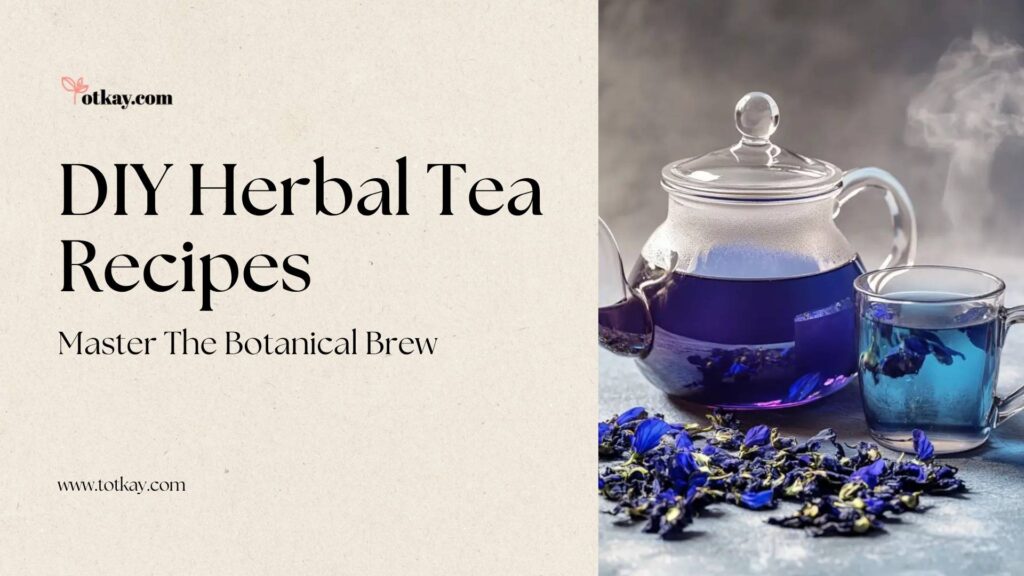
To craft effective herbal tea recipes, start by selecting vibrant, organic loose-leaf herbs to ensure maximum potency and flavor. Use the infusion method for delicate leaves and flowers, covering the cup to preserve essential oils.
For tougher ingredients like roots and bark, apply the decoction method by simmering them for 15–20 minutes to unlock their medicinal properties. Cold brewing works best for nutrient-rich herbs like hibiscus, avoiding bitterness while retaining vitamins. These precise brewing techniques ensure your herbal tea recipes are both functional and flavorful, delivering targeted health benefits with every sip.
The Science of the Steep: Proper Brewing Methods
Most people brew their herbal tea incorrectly. Pouring hot water over a generic tea bag does not extract the full medicinal value of the plant. Different plant parts require different extraction methods to release their active compounds.
The Infusion Method for Leaves and Flowers
Leaves and flowers possess delicate cellular structures. You must use the infusion method to extract their benefits. Pour boiling water over the herbs and let them steep for five to ten minutes.
You must cover your cup during this process. Covering the cup traps the volatile medicinal oils. If you leave the cup uncovered, these essential oils will evaporate into the air. You lose the therapeutic benefits when the steam escapes.
The Decoction Method for Roots and Bark
Roots, bark, and seeds contain tough cell walls. A simple infusion will not break down these hard materials. You must use the decoction method for ingredients like ginger, dandelion root, and cinnamon.
Place the tough plant materials in a pot with water. Bring the water to a boil, then reduce the heat. Simmer the mixture on the stove for fifteen to twenty minutes. This sustained heat extracts the deep medicinal properties locked inside the rigid plant fibers.
The Maceration Method for Delicate Nutrients
Cold brewing, or maceration, stands as a major trend in botanical preparation. This method extracts delicate nutrients without releasing bitter compounds. It works exceptionally well for vitamin-rich plants like hibiscus and rosehip.
Place your herbs in cold water and steep them in the refrigerator for twelve hours. The slow extraction preserves fragile vitamins, such as vitamin C. This technique yields a smooth, refreshing beverage with zero bitterness.
The Master Function and Flavor Reference Chart
Different wellness goals require specific botanical combinations. Use this reference chart to formulate blends that deliver precise outcomes.
| Wellness Goal | Primary Herb | The Flavor Spark | Best Method | Why It Works |
| Brain Fog and Focus | Rosemary | Peppermint | Infusion | Increases microcirculation and mental alertness. |
| Deep Sleep Hack | Valerian Root | Lavender | Decoction | Provides strong sedative effects and aromatic calm. |
| Gut Harmony | Fennel Seed | Ginger | Decoction | Offers antispasmodic relief and warming digestion. |
| Immune Defense | Elderberry | Rosehips | Decoction | Delivers high vitamin C and antiviral flavonoids. |
| Stress Shield | Holy Basil | Lemon Balm | Infusion | Regulates cortisol levels through adaptogenic action. |
Signature DIY Herbal Tea Recipes
Follow these step-by-step recipes to create powerful botanical blends. Each recipe targets a specific physical or mental state.
1. The Afternoon Clarity Blend
This brain booster enhances focus during midday slumps.
- Measure two teaspoons of dried rosemary.
- Add one teaspoon of ginkgo biloba.
- Add one teaspoon of peppermint.
- Steep the mixture using the covered infusion method for ten minutes.
2. The Post-Meal Tummy Tamer
This warming blend soothes digestive discomfort after heavy meals.
- Slice one inch of fresh ginger root.
- Crush one teaspoon of fennel seeds.
- Add one crushed cardamom pod.
- Simmer the ingredients using the decoction method for fifteen minutes.
3. The Midnight Drift Formula
This soothing tea prepares your nervous system for deep rest.
- Measure one teaspoon of passionflower.
- Add one teaspoon of chamomile.
- Include a small pinch of skullcap.
- Infuse the herbs in hot water for ten minutes before bed.
4. The Botanical Mocktail
This refreshing beverage replaces sugary drinks with functional nutrition.
- Combine one tablespoon of hibiscus with cold water.
- Macerate the mixture in the refrigerator overnight.
- Strain the liquid into a glass with ice.
- Add a splash of rosewater and top with sparkling water.
Sourcing and Quality: The Vibrancy Test
The quality of your raw materials dictates the effectiveness of your tea. You must source high-quality herbs to achieve functional results.
Perform a visual check before purchasing any botanicals. Look for vibrant green leaves and deep purple flowers. Grey or dusty herbs indicate dead medicine. The plant has lost its volatile oils and therapeutic value.

You must prioritize organic ingredients. Pouring boiling water over pesticide-laden herbs extracts those chemicals directly into your cup. Organic sourcing remains non-negotiable for functional health.
Store your herbs correctly to preserve their potency. Ultraviolet light degrades plant medicine rapidly. Always keep your botanicals in amber glass jars or dark metal tins. Never store herbs in clear glass jars near a sunny window.
Safety and Interaction Protocols
Natural remedies remain powerful substances. You must treat medicinal herbs with the same respect as pharmaceutical compounds. Understanding contraindications protects your health.
Certain herbs interact dangerously with prescribed medications:
- St. John’s Wort: This herb affects liver enzymes and alters how your body processes many prescriptions.
- Licorice Root: Individuals with high blood pressure must avoid this root entirely.
- Ginkgo Biloba: This leaf thins the blood and interacts negatively with pharmaceutical blood thinners.
You should practice herb rotation. Do not drink the same medicinal-strength tea for more than three weeks consecutively. Your body needs a break to prevent tolerance or toxicity buildup. Rotate between different herbs that achieve similar goals.
Pregnant and nursing women must exercise extreme caution. Stick to safe culinary staples like ginger and mint. Always consult a medical professional before consuming new botanical blends during pregnancy.
Conclusion
You now possess the knowledge to brew herbal tea recipes with professional precision. Proper methods like decoction and maceration unlock the true power of botanical ingredients. You can safely formulate blends that target your exact wellness needs.
Taking control of your ingredients ensures maximum potency and purity. Respect the safety guidelines, source vibrant materials, and apply the correct extraction technique for every plant.
Which wellness goal are you brewing for today? Leave a comment below at Totkay, and we will suggest a custom botanical blend for your specific needs.
Frequently Asked Questions
What are the best herbs for improving focus?
Rosemary and peppermint are excellent herbs for enhancing focus and mental clarity. Rosemary boosts microcirculation to the brain, while peppermint provides a refreshing alertness. Brew these herbs using the infusion method for optimal results. Cover the cup while steeping to retain their volatile oils. These natural remedies are ideal for combating brain fog and maintaining productivity.
How do I brew herbal tea for better digestion?
For digestive health, use ginger root and fennel seeds. Simmer these ingredients using the decoction method for 15–20 minutes. This process breaks down tough fibers, releasing their antispasmodic and warming properties. Add a crushed cardamom pod for extra flavor. This blend soothes the stomach and supports healthy digestion after meals.
Can I reuse herbal tea leaves for a second steep?
Yes, high-quality loose-leaf herbs can be reused for a second steep. The second infusion will be milder but still contains beneficial compounds. Avoid reusing delicate flowers like chamomile, as they release all their oils in the first steep. Always ensure the herbs are fresh and vibrant for maximum potency.
What is the best way to store herbal tea ingredients?
Store herbs in amber glass jars or dark metal tins to protect them from UV light, which degrades their potency. Keep them in a cool, dry place away from direct sunlight. Avoid clear jars unless stored in a dark cabinet. Proper storage ensures your herbs retain their vibrant colors, flavors, and medicinal properties.
Are there any safety precautions for herbal teas?
Yes, some herbs interact with medications. For example, St. John’s Wort affects prescriptions, and licorice root may raise blood pressure. Pregnant or nursing individuals should consult a healthcare provider before consuming herbs. Rotate your herbal teas every three weeks to prevent tolerance or adverse effects. Always source organic herbs to avoid pesticide exposure.

Hi, I’m a dedicated writer at Totkay.com, passionate about sharing practical tips and solutions to make your life easier. Explore my articles for helpful insights and valuable advice. Stay connected for more expert content!