
Severe Hemorrhoids: Treatment Options and Relief Guide
Severe Hemorrhoids require more than basic home remedies, especially when symptoms include intense pain or thrombosed piles. Treatment typically follows a step-based approach. Initial relief focuses on medications and stool management. Doctors often follow this with minimally invasive procedures such as rubber band ligation. In advanced cases, you might need surgical hemorrhoid treatment.
The right treatment depends on severity, recurrence, and complications. Early intervention prevents worsening symptoms. Proper medical care ensures long-term relief and reduces the risk of infection and chronic discomfort.
What Makes Hemorrhoids “Severe”?
The severity of your hemorrhoids is the most important factor in determining the right treatment plan. While many cases resolve with simple care, understanding when a hemorrhoid is “severe” is key to seeking effective medical intervention and preventing further complications.
Key Signs of Severe Hemorrhoids
Recognizing the warning signs is crucial for timely care. Look for these specific indicators that suggest a severe condition.
- Intense pain during bowel movements
- Persistent bleeding from the rectum
- Large swelling around the anal area
- Prolapsed tissue that remains outside the anus
Types of Severe Hemorrhoids
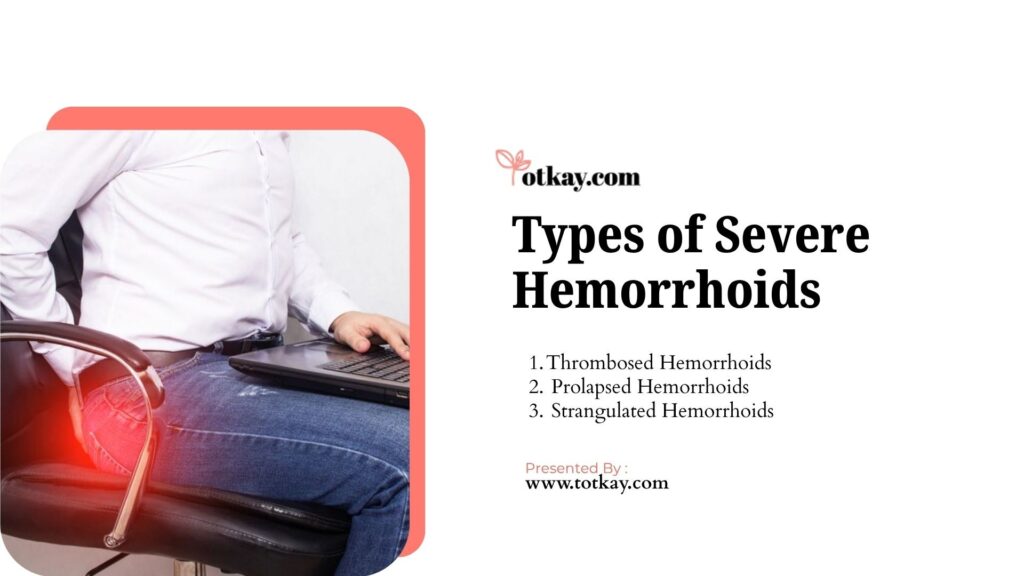
Understanding what type of hemorrhoid you have will help your doctor determine the best treatment plan. Severe cases are typically categorized into three main groups.
- Thrombosed Hemorrhoids: A blood clot forms within the hemorrhoid, leading to sudden, intense pain, significant discomfort, and noticeable swelling.
- Prolapsed Hemorrhoids: The hemorrhoid tissue extends outside the anus during a bowel movement and does not return inside on its own, often requiring manual repositioning or medical attention.
- Strangulated Hemorrhoids: This is a rare but serious complication of a prolapsed hemorrhoid where the blood supply to the tissue is cut off. It causes extreme pain and requires immediate medical intervention to prevent complications.
Treatment Pathway: From Relief to Surgical Care
Stage 1 – Immediate Pain Relief (First Response)
The goal of early intervention is to quickly soothe the affected area, reduce inflammation, and prevent the condition from worsening. Starting with immediate at-home care can provide significant relief and is often the first step toward recovery.
Here are the initial steps you can take to manage symptoms effectively.
- Take warm sitz baths daily
- Use over-the-counter pain relievers
- Apply soothing topical creams
- Consume stool softeners to ease bowel movements
These conservative care options can significantly reduce your pain and improve symptoms. By following these initial steps, you’re taking control of your comfort and setting the stage for healing.
When This Stage Is Enough
Some conditions respond perfectly to basic relief methods. You can rely on stage one treatments for these situations.
- Occasional, mild flare-ups: If your symptoms are infrequent and not severe, these basic relief methods are often all you need to manage discomfort.
- First-time occurrences: For many people experiencing hemorrhoid symptoms for the first time, these at-home treatments can resolve the issue without further intervention.
- Early-stage internal hemorrhoids: Small, internal hemorrhoids that don’t cause significant pain or bleeding often respond well to conservative care.
- Postpartum recovery: New mothers often find that these gentle treatments are sufficient to manage hemorrhoids that develop during pregnancy or childbirth.
Stage 2 – Medical (Non-Surgical) Treatments
Prescription Medications
Doctors prescribe targeted medications when over-the-counter options fail. These provide a stronger defense against inflammation.
- Targeted anti-inflammatory creams
- Stronger pain relief prescriptions
- Advanced stool regulation formulas
Minimally Invasive Procedures
Physicians perform these procedures in their offices with minimal downtime. They target the root cause of the swelling.
- Rubber Band Ligation: This cuts the blood supply and makes the hemorrhoid shrink.
- Sclerotherapy: A chemical injection shrinks the problem veins.
- Infrared Coagulation: Controlled heat reduces the swelling effectively.
If your hemorrhoids persist, your doctor may suggest one of these procedures. They are widely used and have proven to be effective.
When to Choose These Treatments
Medical treatments bridge the gap between home care and surgery. They work best under these specific circumstances.
- Recurring Bleeding: If you notice bleeding every time you have a bowel movement, it might be time for medical treatment.
- Prolapse Without Major Complications: If a hemorrhoid prolapses (bulges out) but can be pushed back in and isn’t causing severe pain, these treatments can be a good option.
- Home Remedies Aren’t Working: If you’ve tried creams, diet changes, and other home treatments without success, your doctor may suggest one of these medical procedures.
Stage 3 – Advanced Surgical Treatment Options
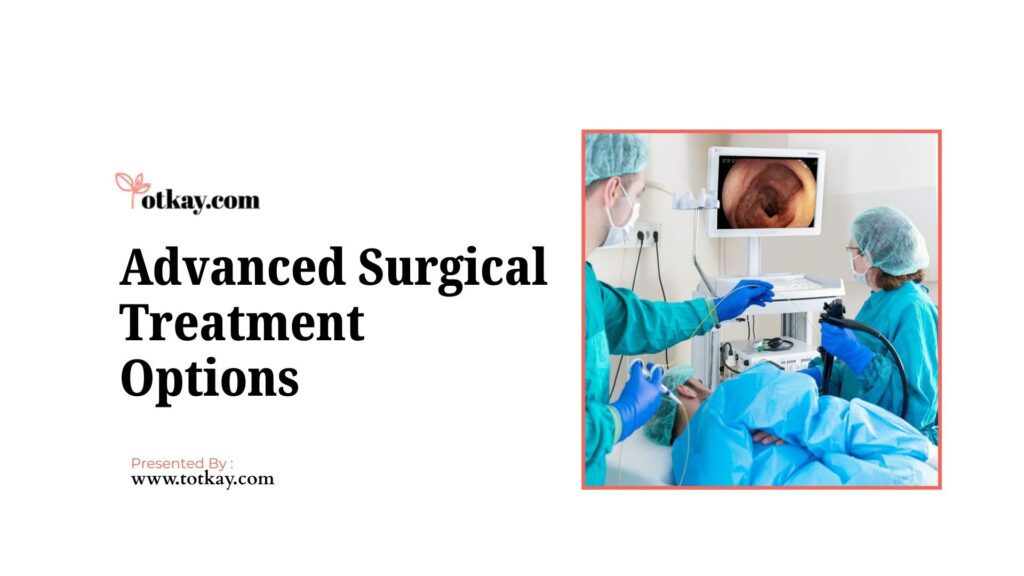
Hemorrhoidectomy
This procedure involves the complete removal of the problematic tissue. Surgeons recommend it as the best option for severe cases. Surgery is most effective for advanced hemorrhoids.
Stapled Hemorrhoidopexy
This method lifts the tissue and reduces blood flow to the area. Patients generally experience a faster recovery compared to traditional removal.
Laser Treatment
Modern clinics utilize lasers to precisely target the affected veins. This results in less pain and quicker healing. Laser procedures improve precision and recovery time.
When Surgery Is Required
Certain conditions leave no choice but to operate. You should expect surgical hemorrhoid treatment if you face these issues.
- Persistent Severe Pain: If you’re experiencing intense pain that doesn’t get better with at-home care or medication.
- Large Prolapsed Hemorrhoids: These are internal hemorrhoids that have pushed through the anal opening and won’t go back in on their own.
- Chronic Bleeding Leading to Anemia: If you’re losing enough blood over time to cause a low red blood cell count (anemia), surgery may be necessary to stop the bleeding.
- Resistant Thrombosed Piles: This occurs when a blood clot forms in an external hemorrhoid, causing a hard, painful lump that doesn’t respond to other treatments.
Emergency Treatment: When Immediate Care Is Needed
Signs You Should Not Ignore
Some symptoms indicate a dangerous escalation of the condition. Seek emergency care if you notice these signs.
- Unbearable pain that prevents sitting
- Heavy bleeding that does not stop
- Black or infected swelling near the rectum
Emergency Procedures
Emergency doctors act quickly to stabilize the patient. They typically perform these urgent interventions.
- Clot Removal: If you have a thrombosed hemorrhoid (a pile with a blood clot), the doctor might make a small incision to remove the clot and relieve the intense pain.
- Urgent Surgery: In cases where the blood supply to the hemorrhoid is cut off (strangulation), immediate surgery is required to prevent tissue death and infection.
Early excision may be needed in acute thrombosis.
Choosing the Right Treatment: Decision Guide
Based on Severity
Matching the treatment to the severity level ensures the best outcome. Review this simple breakdown of approaches.
- Mild to Severe Flare-ups: Combine home remedies with over-the-counter or prescribed medications for effective relief.
- Thrombosed Hemorrhoids: Focus on immediate pain management. A doctor may recommend medication or a simple in-office procedure to remove the clot.
- Prolapsed Hemorrhoids: Depending on the grade of prolapse, a minimally invasive procedure (like rubber band ligation) or surgical intervention may be necessary to correct it.
- Chronic or Severe Cases: For persistent, severe hemorrhoids that don’t respond to other treatments, complete surgical removal (hemorrhoidectomy) is often the most definitive solution.
Based on Symptoms
Your specific symptoms also dictate the medical response. Doctors address the most pressing issues first.
- Pain requires immediate relief tactics
- Bleeding demands a thorough medical evaluation
- Prolapse leads to procedural or surgical fixes
Conclusion
Dealing with Severe Hemorrhoids requires a proactive approach to treatment. The sooner you seek medical advice, the greater your chances are of avoiding surgery and other complications.
Focusing on strategies for bleeding prevention is a key part of managing the condition and alleviating discomfort from painful anal swelling. Don’t let prolapsed hemorrhoids disrupt your daily life. Effective medical solutions are available to help you find relief and reclaim your comfort.
For more valuable insights and informative health guides, explore more articles on our website.
Frequently Asked Questions
What is the best treatment for severe hemorrhoids?
The best treatment depends on severity. Mild to severe cases respond to medication, while advanced conditions, such as prolapsed or thrombosed hemorrhoids, often require procedures or surgery for long-term relief.
Can severe hemorrhoids go away without surgery?
Some Severe Hemorrhoids can improve with medical treatment and lifestyle changes. However, persistent pain, prolapse, or bleeding may require minimally invasive procedures or surgical intervention.
How painful are thrombosed hemorrhoids?
Thrombosed hemorrhoids can be extremely painful due to blood clot formation, causing swelling and pressure around the anus, especially during sitting or bowel movements.
When should I see a doctor for hemorrhoids?
You should consult a doctor if you experience severe pain, continuous bleeding, or prolapsed tissue that does not improve with home treatment within a few days.
Is surgery the only solution for severe hemorrhoids?
No, surgery is not always required. Many cases can be managed with medications or minimally invasive procedures, but surgery is recommended for advanced or recurring hemorrhoids.
How long does recovery take after hemorrhoid surgery?
Recovery varies by procedure, but most patients start feeling better within one to two weeks, while full healing may take several weeks depending on the severity and treatment type.

Hi, I’m a dedicated writer at Totkay.com, passionate about sharing practical tips and solutions to make your life easier. Explore my articles for helpful insights and valuable advice. Stay connected for more expert content!
Related posts:
 Severe Period Pain on First-Day Home Remedies
 Improve Endurance Naturally: 10 Proven Ways to Go Further
 Natural Carb Blockers: 10 Pantry Hacks to Stop Weight Gain
 Nature’s Chill Pill: 10 Herbal Stress Relief Tips (2026)
 What Causes Piles in Men? Expert Guide and Prevention Tips
 Pregnancy Hemorrhoids: Safe Relief and Natural Care