
Postpartum Hemorrhoids: Complete Recovery & Care Guide
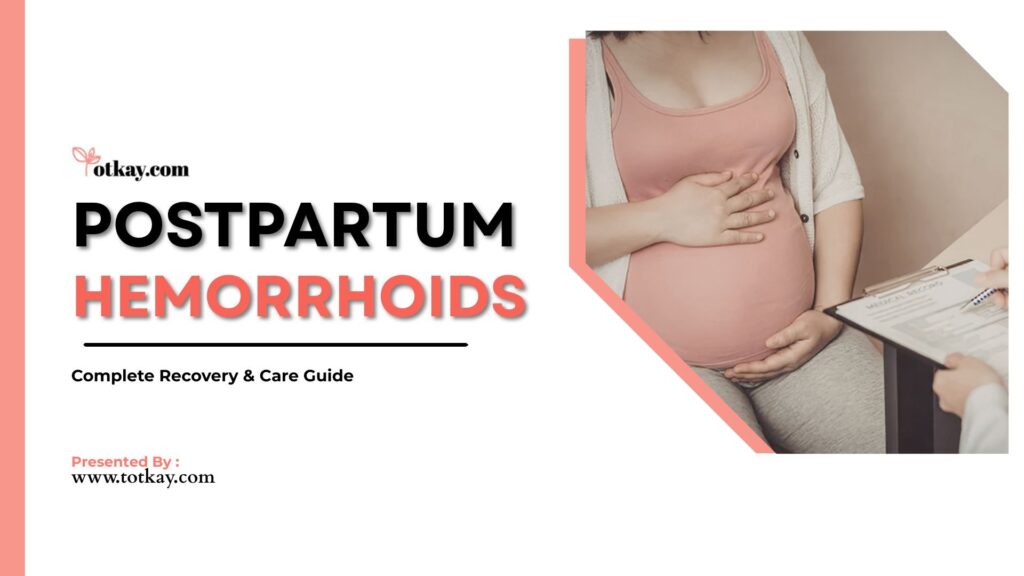
Postpartum hemorrhoids are swollen veins around the anus that develop after childbirth due to pressure during pregnancy and straining during delivery. They often cause pain, itching, swelling, and discomfort while sitting or passing stool. Mothers frequently experience anal swelling after birth, a condition sometimes referred to as delivery piles.
The good news is that most cases improve naturally within a few weeks with proper care. Recovery depends on stool management, hygiene, and reducing pressure on the affected area. With the right home remedies and medical support when needed, postpartum hemorrhoids can be managed effectively and safely.
What Happens to Your Body After Birth (Why Hemorrhoids Appear)
Understanding the cause helps reduce fear and confusion. Your body goes through immense physical stress during pregnancy and childbirth. Several distinct factors contribute to this painful vascular condition.
- Pressure from the Baby: As your baby grows during pregnancy, the increased weight puts pressure on the veins in your lower body, which can slow down blood flow and cause them to swell.
- Straining During Labor: The intense pushing required during childbirth can put significant strain on the veins in your rectal area, leading to hemorrhoids.
- Post-Delivery Constipation: It’s common to experience constipation after giving birth. Straining during bowel movements can irritate and worsen already sensitive tissues.
- Slower Circulation: Reduced physical activity and the general stress of healing after childbirth can slow down blood circulation, making it harder for swollen veins to recover.
Postpartum hemorrhoids are extremely common in the postpartum phase.
Common Symptoms Mothers Experience (Beyond Just Pain)
Symptoms are often more uncomfortable than expected. While pain is the most recognized sign, other physical reactions occur in the anal region. Recognizing these specific signs helps you choose the correct treatment method for delivery piles.
- Swelling and Lumps: You might notice swollen areas or feel small, sensitive lumps around the anal opening.
- Itching and Burning: A persistent and often disruptive itching or burning sensation is common in the affected area.
- Bleeding: You may see bright red blood on toilet paper or in the toilet bowl after a bowel movement.
- Pain When Seated: Sitting down, especially for longer periods like when feeding your baby, can cause sharp, localized pain.
- Constant Discomfort: You might feel a general sense of discomfort or pressure that makes everyday activities like walking or standing feel unpleasant.
Your symptoms may vary depending on whether your hemorrhoids are internal or external. External hemorrhoids are often more painful and itchy, while internal ones might only be noticeable due to bleeding.
Postpartum Hemorrhoid Recovery Timeline (What to Expect Week by Week)
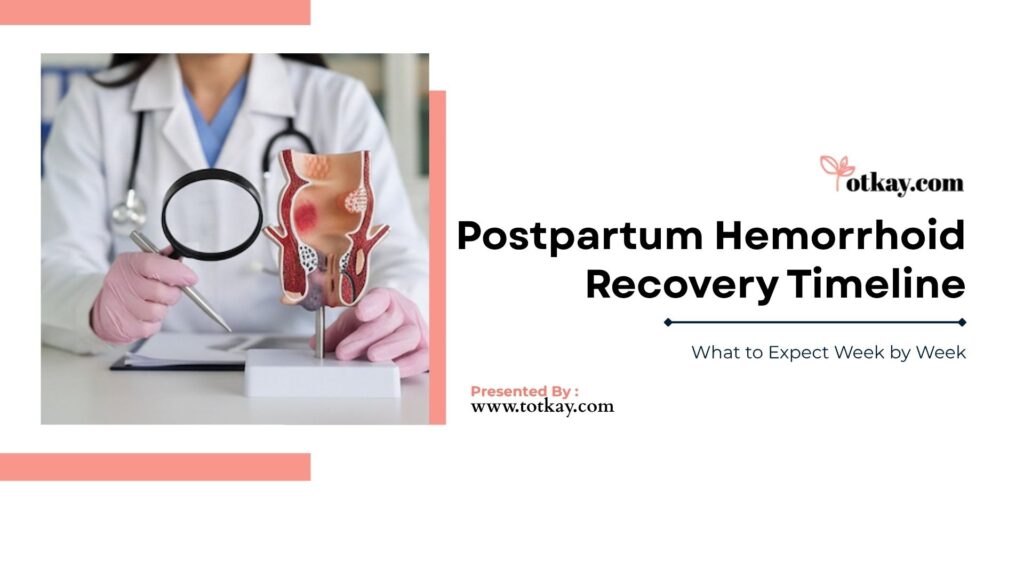
This is what most blogs do not explain clearly. Knowing the exact recovery time hemorrhoids require helps manage your expectations. Healing happens in distinct, progressive stages that you can track.
First Week After Delivery
The initial days present the highest level of inflammation. Your body is still recovering from the immediate trauma of childbirth. You will likely notice the following severe challenges.
- Severe swelling and constant discomfort radiate through the pelvic region.
- Intense pain spikes sharply during every bowel movement.
- Extreme difficulty occurs when attempting to sit down for extended periods.
Weeks 2–3
Your body begins to repair the swollen blood vessels during this window. The acute inflammation slowly starts to subside. Noticeable shifts in your daily comfort level take place.
- The swelling in the pelvic area noticeably goes down.
- Pain becomes less intense and more manageable throughout the day.
- Bowel movements are still sensitive but cause much less pain.
Weeks 4–6
The final stages of initial recovery take place here. The damaged tissues complete their major healing cycle. You will finally start feeling like yourself again.
- Vascular tissue healing is well underway.
- Your symptoms will be significantly reduced, or may even disappear entirely.
- You can start getting back to your normal daily routine with minimal discomfort.
Most hemorrhoid cases improve within 2–6 weeks, though this timeline can vary. Your recovery speed depends heavily on your commitment to the recommended care plan.
The Most Important Rule: Managing Stool Softness
Hard stool tears healing tissues and prolongs your suffering. You must prioritize digestive health to protect the sensitive anal area.
Why Hard Stool Makes Things Worse
Passing a hard stool reverses the healing process entirely. It acts like sandpaper against inflamed, fragile veins. This physical trauma causes two major setbacks in your recovery.
- Increases direct pressure on already swollen, vulnerable veins.
- Causes fresh bleeding and sharp, sudden spikes of pain.
Safe Stool Softening Methods
To manage postpartum hemorrhoids, you have multiple safe options to ensure smooth bowel movements. Combining dietary changes with proper hydration yields the absolute best results. Implementing stool softeners for mothers provides crucial and immediate relief.
- Improve your fiber intake: Gradually increase your consumption of soluble and insoluble fiber. Incorporate high-fiber foods like lentils, beans, broccoli, avocados, and psyllium husk into your daily meals. Aim for 25-30 grams of fiber per day to naturally bulk up and soften your stool.
- Incorporate stool softeners: Especially during the immediate postpartum period, over-the-counter stool softeners like docusate sodium can provide gentle, predictable relief.
- Add magnesium: Consider a magnesium citrate supplement, which acts as an osmotic laxative to pull water into the intestines and soften stool. Start with a low dose and consult your healthcare provider to find the right amount for your needs.
- Eat healthy fats: Foods rich in healthy fats, such as olive oil, nuts, and avocados, can help lubricate the intestines and make bowel movements smoother.
Soft stool equals faster healing.
Best Home Remedies for Postpartum Hemorrhoids
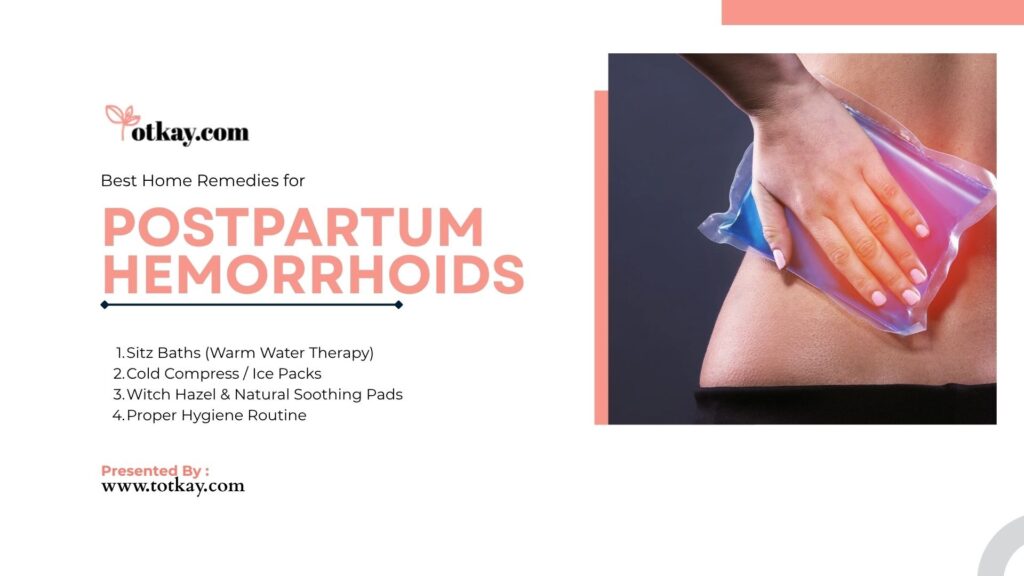
Simple methods can provide significant relief without a prescription. You can easily set up these treatments in your own bathroom. They target inflammation directly at the source to speed up healing.
Sitz Baths (Warm Water Therapy)
Warm water therapy is highly effective for vascular repair. It relaxes the sphincter muscle and promotes immediate healing. You should use this method several times a day.
- Soothes swelling: The warm water helps to reduce the swelling around your hemorrhoids, easing discomfort.
- Promotes healing: It boosts blood flow to the area, which helps the damaged tissues repair themselves faster.
Cold Compress / Ice Packs
Ice restricts blood vessels and numbs nerve endings naturally. This provides immediate, temporary relief from intense throbbing. Use this method during your peak pain moments.
- Offers fast-acting relief from inflammation and heat in the affected area.
- Sharp pain quickly, without the need for medication.
Witch Hazel & Natural Soothing Pads
Witch hazel contains natural astringent properties that actively shrink tissue. Applying it directly to the affected area calms irritated nerves instantly. It is an absolute staple in postnatal hemorrhoid care.
- Calms surface-level irritation to stop itching and scratching.
- Soothes tender, inflamed skin with a cooling sensation.
Proper Hygiene Routine
Harsh toilet paper damages fragile veins and delays healing. Maintaining a gentle cleaning routine prevents painful secondary infections. You must alter your bathroom habits entirely during this phase.
- Opt for a bidet, peri bottle with warm water, or soothing medicated wipes instead of toilet paper.
- Pat the area dry with a soft, clean towel or allow it to air dry; do not rub or wipe.
Daily Care Routine for Faster Healing (Practical Guide)
A structured routine is key to a faster recovery from postpartum hemorrhoids. Establishing healthy habits from morning to night protects your healing body and can prevent symptoms from worsening. Follow this daily schedule to maximize your physical recovery potential.
- Morning Routine: Start your day by drinking a glass of water and eating a high-fiber breakfast to promote regular bowel movements. Afterward, gently clean the affected area.
- Daytime Activities: Stay active with short, light walks to improve blood circulation. Try to avoid sitting for long periods to reduce pressure on the area.
- After Using the Bathroom: Instead of wiping, which can irritate, wash the area gently. Follow up with a soothing cream or treatment to calm the skin.
- Evening Wind-Down: Before bed, take a warm sitz bath for 15-20 minutes to relieve discomfort and promote healing. Apply any prescribed medications afterward.
Hemorrhoid Care Plan
| Problem | What Helps | Why It Works |
| pain | ice packs | reduces swelling |
| constipation | fiber + water | softens stool |
| irritation | witch hazel | soothes skin |
| pressure while sitting | donut pillow | reduces strain |
| slow healing | sitz bath | improves circulation |
When to See a Doctor (Important Warning Signs)
Some cases need medical attention beyond basic home care. Recognizing severe complications prevents long-term vascular damage and unnecessary suffering. Do not ignore these critical physical warning signs.
- Heavy Rectal Bleeding: Contact your doctor if you notice significant or non-stop bleeding.
- Severe, Persistent Pain: Seek medical advice if you are in extreme pain that doesn’t get better with home treatments.
- Hard, Painful Lump: A hard and very painful lump near the anus could be a thrombosed hemorrhoid, which requires a doctor’s care.
- Symptoms Lasting Over 6 Weeks: If your symptoms don’t improve after the typical six-week postpartum period, it’s time to see a doctor.
Emotional Side of Recovery (Often Ignored)
Dealing with postpartum hemorrhoids isn’t just a physical struggle; it’s an emotional one too. The constant physical pain can drain your mental energy entirely. It is vital to acknowledge the psychological toll this vascular condition takes on new mothers.
- Mood Impact: Persistent physical discomfort can make even simple daily tasks feel overwhelming, often leading to a negative impact on your mood.
- Bonding Challenges: The pain can make it difficult to comfortably care for and bond with your newborn, which may trigger feelings of frustration or guilt.
- Increased Stress and Exhaustion: Juggling the demands of a new baby with ongoing physical symptoms can lead to significant stress and mental exhaustion.
Healing takes time. Be patient with your body.
Final Insight: Healing Is Slow but Manageable
Dealing with postpartum hemorrhoids while caring for your newborn can be overwhelming, but healing is achievable with the right approach. Prioritizing consistent postnatal hemorrhoid care and maintaining good hygiene are essential for recovery.
To prevent straining, incorporating stool softeners for mothers can make a significant difference. Remember that the recovery time for hemorrhoids varies for each person, so patience with your body is crucial. By adopting these gentle practices, you can manage symptoms and heal effectively.
Ready to take control of your postpartum recovery? Discover more expert tips and solutions by exploring the comprehensive resources on the Totkay website.
Frequently Asked Questions
How long do postpartum hemorrhoids take to heal?
Most postpartum hemorrhoids improve within 2 to 6 weeks. However, recovery depends on diet, bowel habits, and proper care. Severe cases may take longer and require medical treatment.
Are postpartum hemorrhoids normal after delivery?
Yes, they are very common due to pressure during pregnancy and pushing during labor. Many women experience them, especially in the first few weeks after childbirth.
Can I use stool softeners after childbirth?
Yes, stool softeners are often recommended and considered safe, especially to prevent straining during bowel movements. Always consult your doctor before starting any medication.
What is the fastest way to relieve postpartum hemorrhoids?
Relief comes from a combination of sitz baths, ice packs, hydration, and a high-fiber diet. Reducing pressure and avoiding constipation significantly speeds up healing.
When should I worry about postpartum hemorrhoids?
You should consult a doctor if you experience severe pain, heavy bleeding, or symptoms that do not improve after several weeks, as these may require medical treatment.

Hi, I’m a dedicated writer at Totkay.com, passionate about sharing practical tips and solutions to make your life easier. Explore my articles for helpful insights and valuable advice. Stay connected for more expert content!
Related posts:
 Severe Period Pain on First-Day Home Remedies
 Improve Endurance Naturally: 10 Proven Ways to Go Further
 Natural Carb Blockers: 10 Pantry Hacks to Stop Weight Gain
 High Blood Pressure Remedy: 10 Tips for 2026
 Nature’s Chill Pill: 10 Herbal Stress Relief Tips (2026)
 What Causes Piles in Men? Expert Guide and Prevention Tips