
Grade 1 Hemorrhoids: Symptoms & Treatment Guide
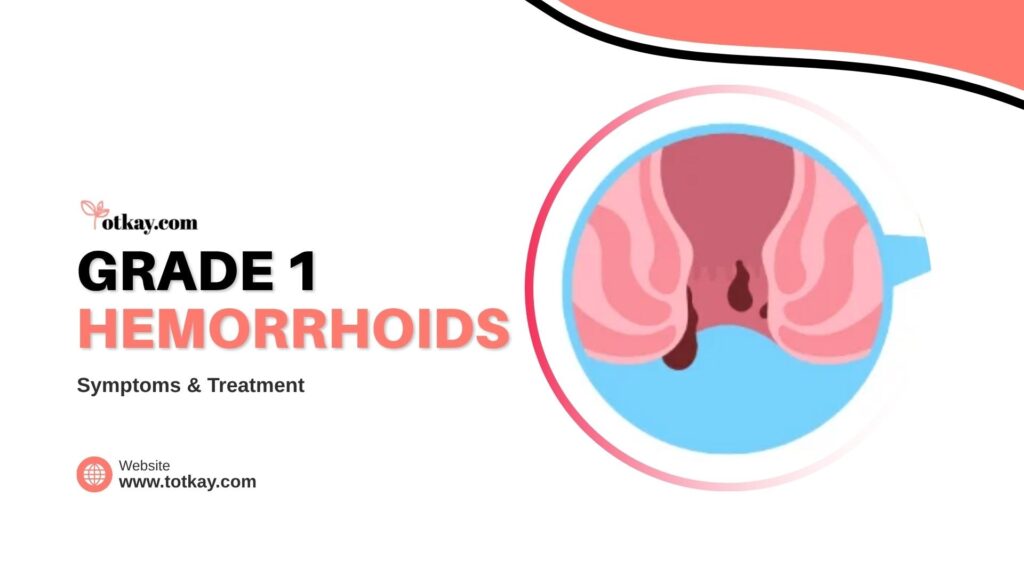
Grade 1 hemorrhoids are the earliest and mildest form of piles. This condition involves internal vein swelling inside the rectum that does not protrude outside the anus. Common symptoms include painless bleeding, mild irritation, and early signs of piles that are often easy to ignore.
At this stage, the condition is highly treatable with simple lifestyle changes, proper diet, and home remedies. Early management can easily prevent progression into more severe hemorrhoid stages.
Finding blood on toilet tissue can cause immediate alarm for anyone. However, understanding the exact nature of your symptoms is the first step toward proper healing. Many individuals experience mild hemorrhoids without even realizing the exact medical classification of their discomfort.
What Are Grade 1 Hemorrhoids?
Grade 1 hemorrhoids represent the earliest stage of piles. They feature internal vein swelling that remains confined inside the rectum. You will not see a visible lump outside the body.
Because they remain internal and do not prolapse, they are classified as a very mild condition. Patients typically notice them only when minor spotting occurs after a bowel movement.
How Grade 1 Hemorrhoids Feel (Early Symptoms Explained)
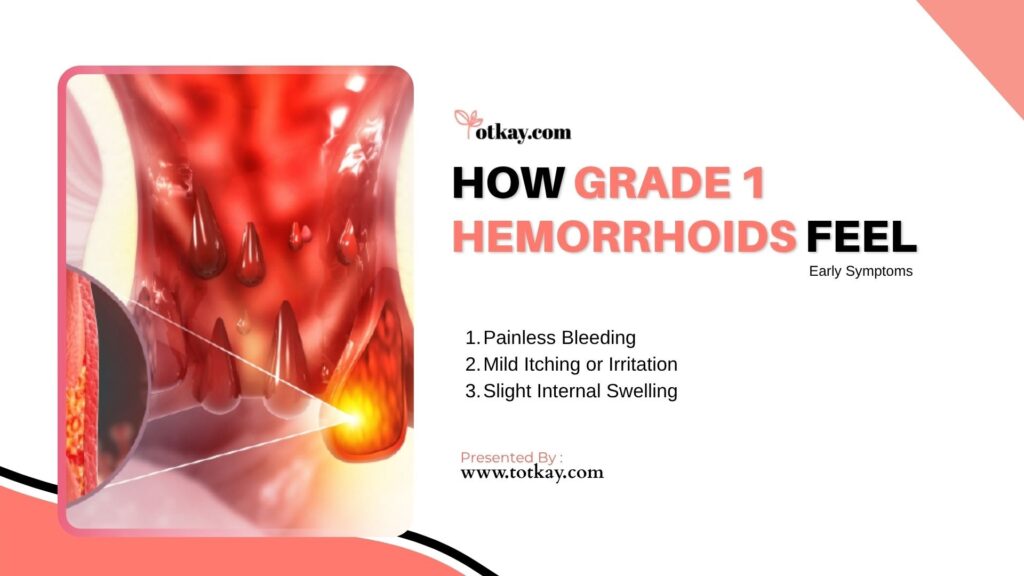
Painless Bleeding
You might notice bright red blood on toilet paper after a bowel movement. This happens because the passing stool scrapes the swollen internal veins. It typically presents as painless bleeding because the inner rectum lacks pain-sensing nerves.
Mild Itching or Irritation
You may feel a general discomfort around the anal area. Moisture or mucus discharge from the internal swelling can irritate the surrounding skin. This causes an urge to scratch, which can worsen the irritation.
Slight Internal Swelling
The swelling is not visible on the outside of the body. Instead, you might feel a vague sensation of fullness. It can feel as though your bowel movement is incomplete.
Early Signs Most People Ignore
Occasional discomfort and minor spotting are early signs of piles that most people dismiss. Ignoring these signs gives the swollen veins time to expand. Paying attention to these subtle cues allows for rapid and non-invasive treatment.
Grade 1 vs Other Hemorrhoid Grades (Why Early Stage Matters)
Understanding the difference between grades helps prevent worsening symptoms. Medical professionals classify internal hemorrhoids into four distinct grades based on their severity.
Grade 1
Grade 1 hemorrhoids are the mildest form and remain completely inside the rectum. Because they don’t prolapse (protrude outside), they are often painless and invisible, though they might cause minor bleeding. These are the easiest to manage, typically with simple at-home care and lifestyle adjustments.
Grade 2
Grade 2 hemorrhoids prolapse during a bowel movement or straining but retract on their own afterward. While they can cause more discomfort, bleeding, and itching than Grade 1, they are still considered a moderate stage that responds well to conservative treatments.
Grade 3 & 4
These grades represent more advanced and painful stages. Grade 3 hemorrhoids prolapse and must be manually pushed back in. Grade 4 hemorrhoids are permanently prolapsed and cannot be pushed back, often leading to significant pain and complications that may require surgical intervention.
What Causes Grade 1 Hemorrhoids?
The main cause is excessive pressure on the rectal veins. When these veins stretch under pressure, they swell and become easily irritated.
Constipation and Straining
Hard stools require you to strain during bowel movements. This intense physical straining drastically increases pressure on the delicate rectal veins. Over time, the veins engorge with blood and swell.
Low-Fiber Diet
A poor diet leads directly to poor digestion. Lacking sufficient fiber, your body produces hard, dry stools. These difficult stools scrape against the rectal walls and cause internal bleeding.
Sitting Too Long
Remaining seated for extended periods places steady pressure on your lower body. Sitting on the toilet for a long time is especially harmful. The cutout shape of a toilet seat causes the rectal area to dip, putting maximum strain on the veins.
Pregnancy and Weight Pressure
Pregnancy increases the volume of blood in the body. The growing uterus also places immense downward abdominal pressure on the pelvic region. This combination frequently leads to swollen rectal veins.
Grade 1 Hemorrhoids at a Glance
This table gives a quick and clear understanding of the condition. You can easily reference these facts to determine your current stage.
| Factor | Details |
| Type | Internal hemorrhoids |
| Severity | Mild |
| Pain Level | Usually painless |
| Main Symptom | Painless bleeding |
| Visibility | Not visible outside |
| Treatment | Lifestyle + home remedies |
Best Treatment for Grade 1 Hemorrhoids (Step-by-Step)
Early-stage piles can be treated easily without surgery. You simply need to focus on reducing pressure and soothing the inflammation.
1. Increase Your Fiber Intake
Consuming an adequate amount of fiber is the cornerstone of treating hemorrhoids. Fiber adds bulk to your stool, making it softer and easier to pass, which reduces strain on the veins in your rectum. Aim for 25-35 grams of fiber daily.
- Soluble Fiber: Found in oats, barley, nuts, seeds, beans, and fruits like apples and citrus, soluble fiber dissolves in water to form a gel-like substance. This helps soften stool and can lower cholesterol.
- Insoluble Fiber: Found in whole grains, nuts, and vegetables like cauliflower, green beans, and potatoes, insoluble fiber adds bulk to the stool and helps it move more quickly through the digestive system.
Start by gradually incorporating high-fiber foods into your diet to avoid gas and bloating. A fiber supplement like psyllium husk can also be effective.
2. Stay Adequately Hydrated
Hydration is just as crucial as fiber. Water works in tandem with fiber to soften your stool, preventing constipation and the straining that worsens hemorrhoids. Dehydration can lead to hard, dry stools that are difficult to pass.
Other fluids, like herbal teas and clear broths, also contribute to your daily intake. Avoid excessive consumption of dehydrating drinks like alcohol and caffeine.
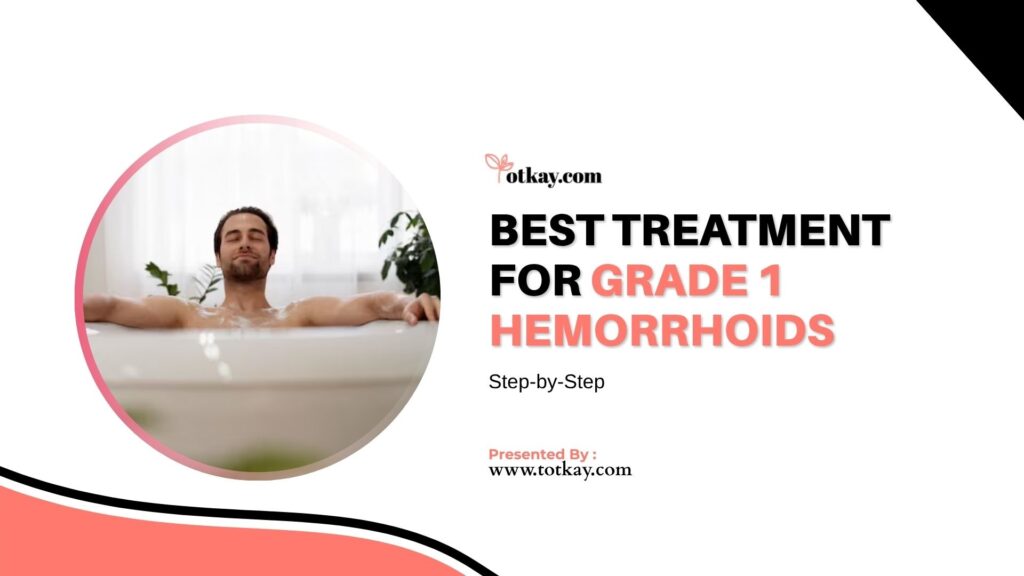
3. Take a Warm Sitz Bath
A sitz bath is a therapeutic warm water soak that can provide immediate relief from irritation and itching. The warmth helps to increase blood flow to the anal area, which can reduce inflammation and promote healing by relaxing the anal sphincter muscle.
- How to do it: Fill a sitz bath basin (which fits over your toilet) or your bathtub with 3-4 inches of warm (not hot) water.
- Duration and Frequency: Sit in the water for 15-20 minutes, 2-3 times a day, especially after a bowel movement.
- Drying: Gently pat the area dry with a soft, clean towel. Do not rub, as this can cause further irritation.
For added relief, you can mix a handful of Epsom salts into the water.
4. Use Over-the-Counter (OTC) Treatments
Several OTC products are available to help manage the symptoms of hemorrhoids. These treatments can provide temporary relief from itching, burning, and mild discomfort.
- Creams and Ointments: Products containing hydrocortisone can reduce inflammation and itching. Those with witch hazel (like Tucks pads) act as an astringent to shrink swollen tissue.
- Suppositories: These are inserted into the rectum and can deliver medication directly to internal hemorrhoids to soothe inflammation.
- Pain Relievers: Analgesics like acetaminophen can help manage any discomfort.
Always follow the product instructions or consult your pharmacist to ensure you are using them correctly and for the recommended duration. Overuse of some creams can lead to skin irritation.
Is It Time to See a Doctor?
Even mild symptoms sometimes need proper medical attention. You must not assume every rectal issue is a simple hemorrhoid. Look out for these critical warning signs that require a professional evaluation.
- Persistent bleeding: If bleeding continues for more than a few days, it’s time to seek medical help.
- Worsening symptoms: If your symptoms get worse even after trying home treatments, consult a doctor.
- No improvement: If you see no improvement after a week of dietary changes and home care, schedule a medical appointment.
Can Grade 1 Hemorrhoids Get Worse?
Yes, if ignored, they can certainly progress. Continuing bad habits like straining will force the swollen veins to stretch further.
Eventually, they can become Grade 2 or Grade 3 hemorrhoids. At those advanced stages, you will likely experience significant pain and visible prolapse. Early treatment is the easiest and most effective cure.
Final Thoughts
Dealing with Grade 1 Hemorrhoids does not have to be a stressful experience. By recognizing early piles signs and addressing them immediately, you take full control of your rectal health. You can easily resolve painless bleeding by simply modifying your diet and utilizing gentle home remedies.
Do not wait for a small anal lump to appear before taking your symptoms seriously. Implement a high-fiber diet, drink plenty of water, and avoid straining at all costs. Treating mild hemorrhoids early guarantees a faster recovery and prevents the need for invasive medical procedures in the future. For more health-related articles and informative blogs about piles, visit totkay.com.
Frequently Asked Questions
What are Grade 1 hemorrhoids?
Grade 1 hemorrhoids are the mildest form of internal piles. They are small, swollen veins located inside the rectum and are not visible from the outside. The most common symptom is painless, bright red bleeding during or after a bowel movement.
Are Grade 1 hemorrhoids serious?
No, Grade 1 hemorrhoids are not considered a serious medical condition. However, it’s important to address them early on. If left untreated, they can progress to more advanced stages, which may cause significant pain, discomfort, and visible prolapse over time.
Can Grade 1 hemorrhoids heal on their own?
Yes, Grade 1 hemorrhoids can often heal on their own with simple lifestyle and dietary adjustments. Increasing your fiber intake, staying well-hydrated, and avoiding straining during bowel movements can significantly reduce symptoms and promote healing within a week.
What is the best treatment for Grade 1 hemorrhoids?
The best treatment for Grade 1 hemorrhoids involves conservative, at-home care. This includes adopting a high-fiber diet, drinking plenty of water, taking warm sitz baths to soothe the area, and avoiding prolonged sitting or straining on the toilet.
How long do Grade 1 hemorrhoids last?
With consistent home care and lifestyle changes, the symptoms of Grade 1 hemorrhoids typically resolve within a few days to a week. However, if dietary and lifestyle habits are not maintained, the symptoms can easily return.

Hi, I’m a dedicated writer at Totkay.com, passionate about sharing practical tips and solutions to make your life easier. Explore my articles for helpful insights and valuable advice. Stay connected for more expert content!
Related posts:
 Severe Period Pain on First-Day Home Remedies
 Improve Endurance Naturally: 10 Proven Ways to Go Further
 Natural Carb Blockers: 10 Pantry Hacks to Stop Weight Gain
 High Blood Pressure Remedy: 10 Tips for 2026
 Nature’s Chill Pill: 10 Herbal Stress Relief Tips (2026)
 What Causes Piles in Men? Expert Guide and Prevention Tips