
Hydration for Gut Health: Water & Drinks to Improve Digestion

Proper hydration for gut health ensures smooth digestion, prevents constipation, and supports a healthy stomach lining. Dehydration often causes bloating, acidity, and slow bowel movements, even if you eat a healthy diet.
You can easily improve your digestion by using simple water digestion totkay and drinking natural fluids. Incorporating herbal water gut health remedies like jeera or mint water naturally cools the stomach, flushes waste, and restores daily energy levels without harsh medicines.
Why Proper Hydration Matters More for Digestion Than Most People Realize
Proper hydration for gut health is like engine oil for your digestive system. It keeps everything moving smoothly, helping to break down food efficiently and carry nutrients where your body needs them most.
Water Helps Food Move More Smoothly Through the Digestive System
Your stomach requires water to create digestive acids and enzymes. These fluids break down your meals into smaller, absorbable nutrients. A well-hydrated stomach pushes food easily into the intestines, preventing food from sitting too long and fermenting.
Why Hydration Supports Softer & Easier Bowel Movement
Constipation often worsens when the body lacks fluid. The colon absorbs water from stool, and low hydration can make stool harder to pass.
NIDDK explains that water and other liquids help fiber work better and make stools softer and easier to pass. That makes hydration a core part of constipation-friendly eating.
This is why simple water digestion totkay can help when people combine them with fiber, movement, and balanced meals.
How Hydration May Help Support Healthy Gut Bacteria
Hydration also affects the gut environment. Early research suggests water intake and water restriction can influence gut microbiota and gut homeostasis, although human digestion depends on many factors, including diet, sleep, stress, and activity.
Water alone will not “fix” gut bacteria. It supports the body, while fiber-rich foods, fermented foods, and regular meals provide stronger support for the microbiome.
The Early Digestive Signs That the Body May Need More Hydration
Your body constantly sends signals when it lacks the fluids needed for proper digestion. Catching these early warning signs helps you fix the problem before it turns into chronic digestive discomfort.
Constipation Becoming More Frequent
Hard, dry, or infrequent stools serve as the first major warning sign of dehydration. The colon absorbs all available water when you stay dehydrated, making it incredibly difficult for waste to pass normally.
Feeling Bloated After Meals
Dehydration slows down the digestive process, causing food to stay in the stomach longer than necessary. This delay produces excess gas, making your stomach feel tight, swollen, and uncomfortable right after you eat.
Acid Reflux & Stomach Heaviness
A lack of water concentrates stomach acids, making them stronger and more irritating to the stomach lining. This intense acid often splashes back into the esophagus, causing heartburn and a heavy, uncomfortable feeling in your chest.
Dark Urine & Inconsistent Water Intake
Checking your urine color offers an immediate hydration test. Dark yellow or amber urine clearly shows that your kidneys and digestive system desperately need more water to function properly.
The Difference Between Gut-Friendly Drinks & Drinks That Burden Digestion
Not all liquids are created equal when it comes to hydration for gut health. Some beverages actively heal and soothe the digestive lining, while others can cause irritation, gas, and inflammation, undermining your stomach’s ability to function correctly.
Drinks That May Support Digestion Naturally
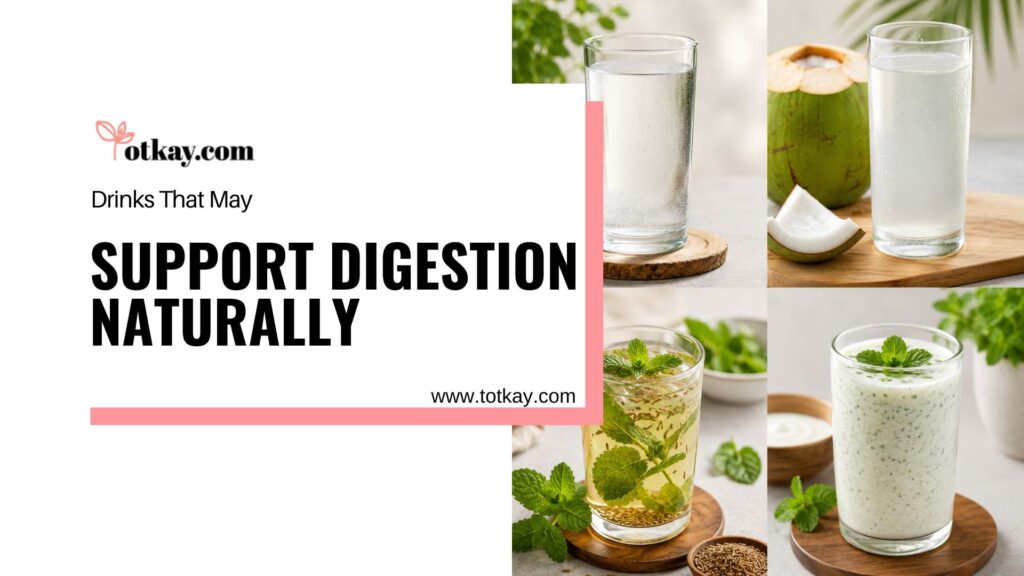
Natural fluids soothe the stomach lining and provide beneficial nutrients. Drinks that support your gut provide natural electrolytes and soothe inflammation. These options act as medicine for a tired stomach.
- Water: Plain water flushes toxins and softens stool instantly.
- Coconut water: This natural drink balances electrolytes and cools stomach heat.
- Herbal waters: Mint and jeera-infused waters relieve bloating and trapped gas.
- Yogurt drinks: Simple lassi provides probiotics that feed good gut bacteria.
Drinks That May Quietly Trigger Bloating & Acidity
Certain popular beverages create a harsh environment inside the stomach. They disrupt healthy bacteria and increase the production of painful stomach gases.
Avoiding these drinks protects your stomach from unnecessary inflammation. These liquids often disguise themselves as refreshing but actually damage your digestion.
- Soft drinks: Carbonation introduces excess air into the stomach, causing severe bloating.
- Excessive caffeine: High amounts of tea or coffee increase stomach acid and heartburn.
- Sugary packaged juices: Processed fructose ferments in the gut, producing painful gas.
- Energy drinks: Artificial chemicals irritate the sensitive mucosal lining of the intestines.
Why Excess Sugar & Artificial Ingredients May Affect Gut Balance
High sugar intake directly feeds bad bacteria and yeast in your gut. As these harmful microbes multiply, they create inflammation, irritate the stomach lining, and completely disrupt your natural digestive rhythm.
Drinks That Support Digestion vs Drinks That May Worsen Gut Problems
Choosing the right beverages is key to better hydration for gut health. Use this table to see which drinks might be causing you pain and which gut-friendly alternatives can bring you relief.
| Drink Type | Effect on Digestion | Common Gut Response | Better Gut-Friendly Alternative | Best Time to Drink |
| Soft drinks | Increases acidity & gas | Bloating | Lemon-infused water | Mid-afternoon |
| Sugary packaged juices | High sugar load | Digestive heaviness | Fresh fruit water | Morning |
| Excessive chai | Worsens dehydration | Constipation | Herbal infused water | After meals |
| Energy drinks | Artificial additives | Acid reflux | Coconut water | Post-workout |
| Very low water intake | Slows bowel movement | Constipation | Consistent hydration routine | All day |
Hydration supports digestion best when combined with balanced meals, fiber intake, and regular eating habits.
Best Hydrating Drinks That May Support Gut Health Naturally
Choosing the right healing liquids makes a massive difference in how your stomach feels after eating. Prioritizing hydration for gut health with these natural remedies can help cool the stomach and promote healthy bowel movements.
Plain Water for Daily Digestive Support
Figuring out exactly how much water gut health requires depends on your body weight and daily activity. A consistent intake of plain water keeps the digestive flow moving steadily from morning until night.
Drinking plain water provides the strongest foundation for your entire digestive system. These specific benefits explain why nothing replaces a simple glass of water.
- Softens solid waste: Water directly hydrates the colon, preventing painful constipation.
- Speeds up digestion: Adequate fluid helps enzymes break down heavy meals faster.
- Flushes stomach toxins: Water constantly cleanses the stomach lining of irritating food residue.
Coconut Water for Gentle Hydration & Digestive Comfort
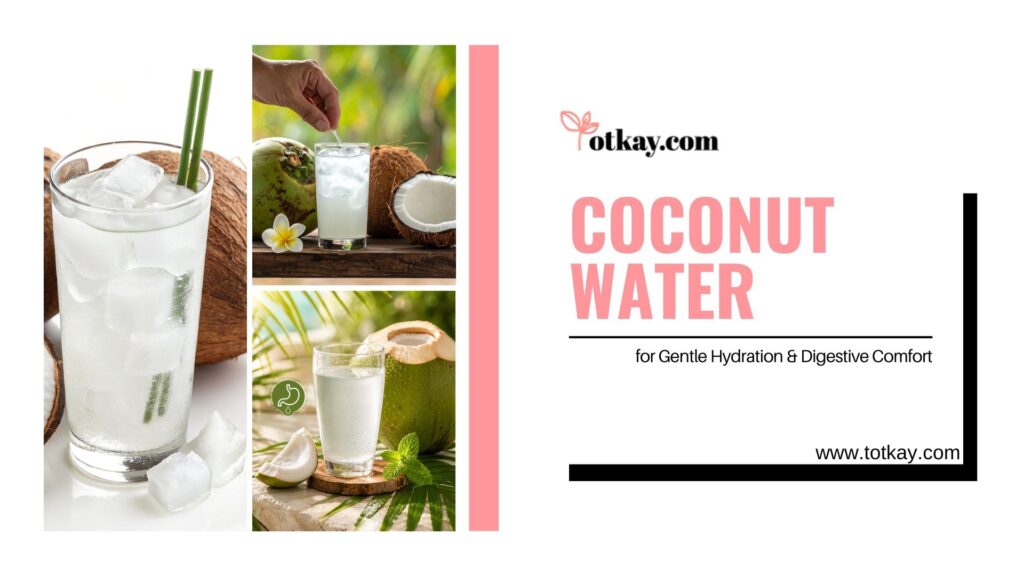
Drinking coconut water digestion remedies provides an immediate cooling effect for an irritated stomach. It replaces lost electrolytes naturally, making your stomach feel lighter and much more comfortable.
Coconut water acts as a natural serum for a tired, dehydrated gut. These benefits make it perfect for hot days or after eating heavy, spicy food.
- Balances stomach acid: The natural alkalinity neutralizes severe acid reflux quickly.
- Hydrates rapidly: Natural electrolytes push moisture into your cells faster than plain water.
- Relieves stomach heat: It cools the digestive tract and stops that burning sensation.
Jeera Water for Bloating & Digestive Heaviness
Boiling cumin seeds in water extracts powerful digestive oils. This traditional remedy targets trapped gas, heavy stomachs, and sluggish digestion right after you finish a large meal.
Jeera water acts as a gentle, natural medicine for an upset stomach. These specific benefits help you process heavy foods without the usual pain.
- Breaks down heavy fats: Cumin stimulates liver bile, which digests oily foods easily.
- Releases trapped gas: The warm water and oils relax the stomach muscles instantly.
- Reduces meal heaviness: It speeds up the time food spends sitting in your stomach.
Saunf Water for Cooling Digestive Comfort
Fennel seeds contain compounds that relax the smooth muscles of the digestive tract. Saunf water cools stomach heat, stops painful cramping, and provides incredibly refreshing hydration.
Using saunf water provides immediate relief when your stomach feels tight and bloated. These benefits explain why restaurants serve fennel seeds after meals.
- Stops stomach cramps: Fennel oils act as a natural antispasmodic for the intestines.
- Cools acidity: It coats the stomach lining, reducing the burning feeling from spicy food.
- Freshens digestion: It clears the palate and signals the stomach to start processing food.
Mint & Lemon Infused Water for Digestive Freshness
Combining fresh mint leaves and a squeeze of lemon creates a powerful detoxifying drink. The lemon stimulates stomach acid for digestion, while the mint cools the system and prevents gas.
This infused water provides the perfect summer digestion support. These benefits keep your stomach feeling fresh, flat, and comfortable all day.
- Stimulates digestive enzymes: Lemon triggers the liver to produce necessary digestive juices.
- Soothes stomach lining: Mint contains menthol, which actively calms an irritated gut.
- Clears morning sluggishness: This combination wakes up a slow digestive system perfectly.
Homemade Yogurt Drinks for Gut Bacteria Support
Diluted yogurt drinks, like a salty lassi, provide the perfect environment for probiotics to thrive. These homemade drinks hydrate the body while delivering millions of helpful bacteria directly to the intestines.
Yogurt drinks serve as a natural probiotic supplement for your daily routine. These benefits help rebuild a damaged gut microbiome efficiently.
- Replenishes good bacteria: Live cultures naturally restore the balance in your microbiome.
- Coats the stomach lining: Yogurt provides a protective barrier against spicy food irritation.
- Improves nutrient absorption: Healthy bacteria help you extract more vitamins from your meals.
How Water Timing May Affect Digestion Throughout the Day
Proper hydration for gut health isn’t just about how much water you drink—it’s also about when you drink it. Consuming water at the wrong times can disrupt your stomach’s ability to break down food. Understanding the right timing ensures your fluids help, rather than hurt, your digestive process.
Morning Hydration & Digestive Activation
Drinking a large glass of warm water immediately upon waking flushes out toxins accumulated overnight. This morning habit activates your gastrointestinal tract and signals your colon that it is time to move waste.
Why Fiber Intake Needs Enough Water
Fiber acts like a sponge in your digestive tract, absorbing water to create bulky, soft stools. If you eat high-fiber foods without drinking water, that fiber turns into a hard blockage, worsening constipation.
Drinking Water Between Meals vs During Heavy Meals
Gulping multiple glasses of water while eating dilutes your essential stomach acids. You should sip small amounts of water during meals, saving your larger glasses of water for the periods between your meals.
Why Drinking Large Amounts at Once May Feel Uncomfortable
Chugging a full liter of water shocks the stomach and causes immediate bloating. Figuring out how much water gut health requires means sipping steadily throughout the day rather than forcing large amounts down at once.
Conclusion
Proper hydration for gut health is crucial. It helps break down food, absorb nutrients, and prevent constipation. Many people suffer from bloating, gas, and cramping because they don’t drink enough water, rely too much on caffeine, or opt for sugary drinks.
To improve your gut hydration in Pakistan, start with simple habits. Drink plain water throughout the day, enjoy warm water in the morning, and sip on light soups or homemade yogurt drinks. Incorporating these simple water digestion totkay alongside a balanced diet, regular walks, and good sleep can significantly enhance your digestive wellness.
For more tips on topics like pregnancy gut health or the best and worst foods for your gut, or to get a personalized gut healing diet plan, visit totkay.com.
Frequently Asked Questions
Why is hydration important for gut health?
Hydration for gut health matters because water helps food move through the digestive system, supports fiber, and keeps stool softer. Low hydration can make constipation and heaviness worse, especially when the diet lacks fruits, vegetables, soups, and whole foods. A consistent water routine supports smoother digestion and daily gut comfort.
Can dehydration cause constipation?
Yes, dehydration can contribute to constipation because the colon may absorb more water from stool, making it harder to pass. NIDDK explains that water and other liquids help fiber work better and make stools softer. Constipation also depends on fiber intake, movement, medicines, and health conditions, so severe symptoms need medical advice.
Is coconut water good for digestion?
Coconut water digestion support comes mainly from hydration and electrolytes. It may feel light and refreshing, especially in hot weather. Use it in moderation because it still contains natural sugars and potassium. People with kidney disease, diabetes, or potassium restrictions should ask a doctor before drinking it often.
Which drinks support gut health naturally?
Gut-friendly drinks may include plain water, warm water, cucumber-mint water, saunf water, jeera water, light soups, yakhni, plain lassi, diluted yogurt drinks, and coconut water in moderation. Choose unsweetened options when possible. Avoid depending on soft drinks, energy drinks, and sugary packaged juices for hydration.
How much water may support healthy digestion daily?
The right amount depends on weather, body size, activity, diet, and health conditions. Many adults do better with consistent water intake throughout the day instead of drinking large amounts at once. Watch thirst, urine color, sweating, and constipation patterns. Ask a doctor for personal advice if you have kidney, heart, or fluid-restriction issues.
Are herbal waters helpful for bloating?
Mild herbal waters like jeera, saunf, mint, or lemon-infused water may help some people feel lighter and drink more fluids. They do not cure digestive disease. Keep them mild and stop if acidity, nausea, or discomfort worsens. Persistent bloating needs proper medical evaluation.

Hi, I’m a dedicated writer at Totkay.com, passionate about sharing practical tips and solutions to make your life easier. Explore my articles for helpful insights and valuable advice. Stay connected for more expert content!
Related posts:
 Severe Period Pain on First-Day Home Remedies
 Improve Endurance Naturally: 10 Proven Ways to Go Further
 Natural Carb Blockers: 10 Pantry Hacks to Stop Weight Gain
 Nature’s Chill Pill: 10 Herbal Stress Relief Tips (2026)
 What Causes Piles in Men? Expert Guide and Prevention Tips
 Pregnancy Hemorrhoids: Safe Relief and Natural Care