
Gut Healing Diet Plan: 7-Day Desi Meal Plan for Better Digestion
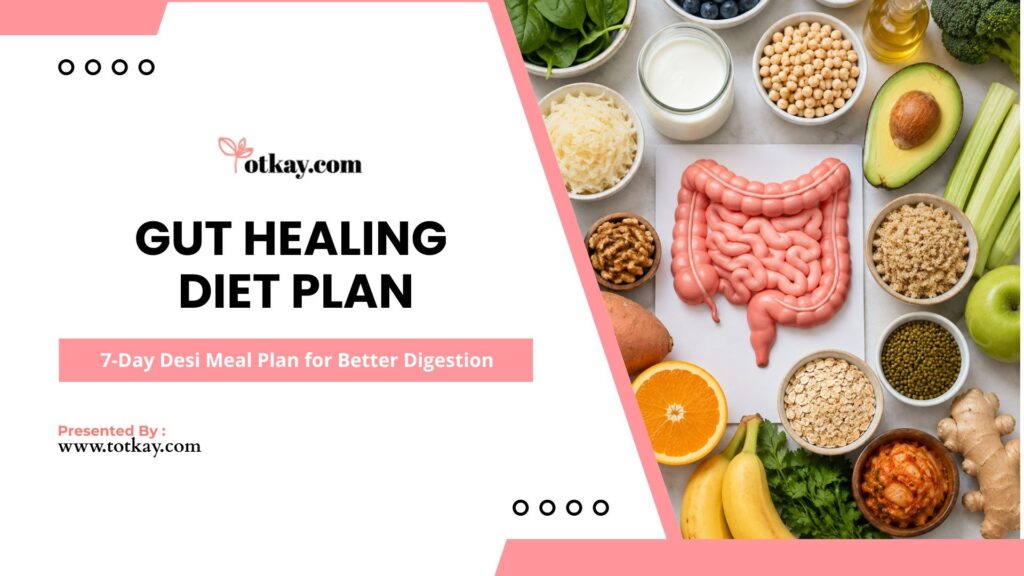
A gut healing diet plan focuses on restoring digestive balance by removing irritating processed items and introducing light, nutrient-dense foods. By following a structured 7-day gut diet, individuals can reduce bloating, acidity, and fatigue naturally.
This approach relies on simple ingredients like yogurt, lentils, and gentle spices to create a sustainable gut repair meal plan. You do not need expensive supplements when you use consistent, gut-friendly daily habits to calm inflammation and support healthy bacteria.
Why Modern Digestion Struggles More Than Before
Many people try expensive supplements and detox drinks while continuing the same eating habits that quietly overload digestion every day. Modern lifestyles place immense stress on the stomach. Digestion problems usually stem from daily routines rather than one single meal.
How Processed Foods Changed the Way People Eat
Modern eating often feels convenient, but it can make digestion heavier. Packaged snacks, bakery foods, instant meals, and fried fast food usually contain refined carbs, added sugar, unhealthy fats, preservatives, and very little fiber.
These foods fill the stomach but often fail to support gut bacteria and bowel movement.
Common processed food patterns include:
- Refined flour meals: White bread, bakery biscuits, naan, and patties reduce natural fiber intake.
- Sugary drinks: Soft drinks and packaged juices can increase gas, cravings, and energy crashes.
- Low-fiber snacks: Chips and bakery items replace fruit, nuts, daal, and vegetables.
- Fried convenience foods: Samosas, rolls, fries, and fast food can slow digestion.
- Artificial additives: Many packaged foods contain flavors and preservatives that may bother sensitive digestion.
Reducing these foods gradually can help the gut feel lighter.
Why the Gut Microbiome Depends on Daily Food Quality
Your gut microbiome includes helpful bacteria that support digestion, immunity, and nutrient use. These bacteria react to what you eat regularly.
Dietary fiber helps feed gut bacteria, and research shows that gut microbes ferment fiber into short-chain fatty acids, which support gut health and body functions.
This is why a gut-healing diet plan should include oats, daal, vegetables, fruit, seeds, and fermented foods instead of only supplements.
The Connection Between Inflammation, Energy & Digestion
Inflammation in the stomach directly drains your physical energy and mental focus. When the body constantly fights internal irritation, it leaves very little energy for your daily activities. This chronic state leads directly to heaviness and fatigue after eating.
You can break this cycle by introducing a gut reset diet totkay into your daily routine. Calming the internal environment allows the body to absorb nutrients efficiently again.
When the Digestive System Stops Feeling “Light” & Starts Feeling Inflamed
When digestion works correctly, you should not notice it happening. Uncomfortable symptoms serve as clear warning signs that your stomach requires immediate attention and care.
Feeling Bloated Even After Simple Meals
Bloating occurs when food ferments improperly in the stomach and intestines. This trapped gas causes physical expansion and sharp discomfort. Even small portions can trigger this reaction when the digestive lining is inflamed.
Constipation Becoming Part of Daily Life
Infrequent bowel movements indicate a severe lack of movement in the digestive tract. Dehydration and low fiber intake cause waste to harden and slow down. Over time, this sluggishness allows toxins to re-enter the bloodstream.
Energy Crashing After Lunch or Dinner
A sudden drop in energy after eating points to severe blood sugar fluctuations and digestive overload. The body redirects massive amounts of blood to the stomach to process heavy, complicated meals. This leaves the brain feeling foggy and tired.
Waking Up With Digestive Heaviness
Morning heaviness indicates that your stomach worked overtime throughout the night instead of resting. Late dinners sit undigested while you sleep. You wake up feeling full, sluggish, and unmotivated.
Increased Cravings for Sugar & Processed Foods
Harmful gut bacteria actively manipulate your cravings to secure the sugar they need to survive. When you feel uncontrollable urges for sweets, your microbiome is out of balance. Breaking this cycle requires starving these bad bacteria.
The Core Principles Behind a Gut Healing Diet Plan
A successful gut healing diet plan does not require starvation or extreme restrictions. It focuses entirely on reducing the workload on your stomach while providing maximum nutrition.
Reducing Inflammatory Foods That Irritate Digestion
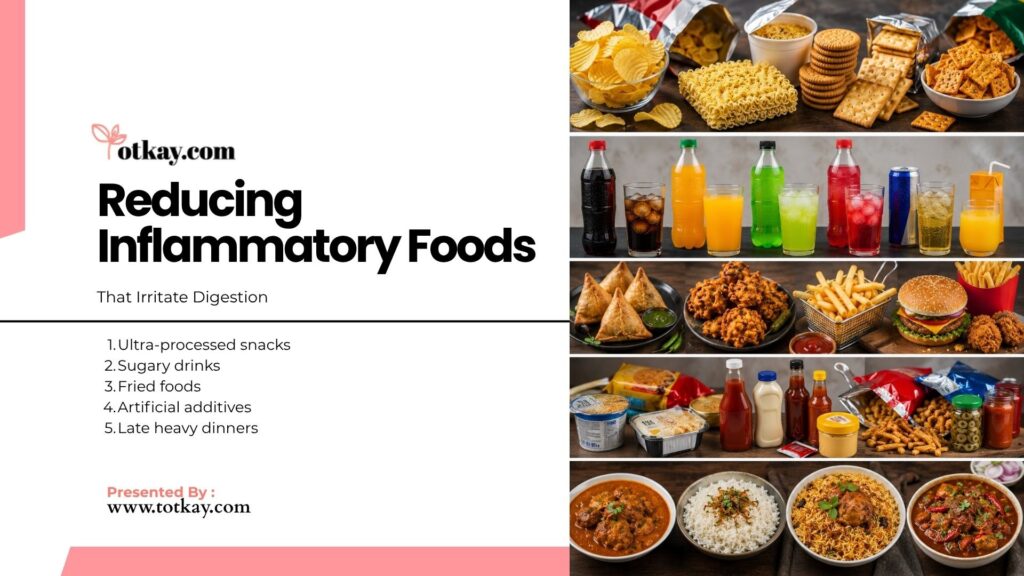
An anti-inflammatory diet does not mean removing every favorite food. It means reducing the foods that repeatedly trigger bloating, acidity, cravings, and fatigue.
Start with the biggest daily triggers first.
Foods to reduce include:
- Ultra-processed snacks: Chips, instant noodles, packaged biscuits, and flavored crackers.
- Sugary drinks: Soft drinks, packaged juices, and energy drinks.
- Fried foods: Samosas, pakoras, fries, and fast-food meals.
- Artificial additives: Highly flavored packaged foods and sauces.
- Late heavy dinners: Oily salan, large rice portions, and spicy meals near bedtime.
The gut often improves when you reduce these foods consistently.
Feeding Healthy Gut Bacteria With Fiber & Fermented Foods
Beneficial bacteria require specific types of food to multiply and protect your stomach. Soluble fiber acts as a sponge, moving waste gently through the system. Fermented items introduce live, active cultures directly into your system.
Supporting Digestion With Simpler & Lighter Meals
Simplifying your meals reduces the chemical complexity your stomach must handle at one time. Combining fewer ingredients allows enzymes to work faster and more efficiently. Lighter dinners ensure you wake up feeling empty and refreshed.
Why Consistency Works Better Than Extreme Detox Diets
Crash diets shock the system and often cause more digestive distress than they solve. Long-term stomach health requires gentle, steady habits that you can maintain easily. The body responds best to predictable, nourishing routines.
Gut-Damaging Foods vs Gut-Healing Desi Swaps
Replacing harmful ingredients with healing alternatives is the foundation of recovery. You do not need to give up flavor to protect your stomach. This table helps you make smarter, gentler choices for daily meals.
| Gut-Damaging Food | Why It Irritates Digestion | Common Gut Problem | Better Gut-Healing Swap | When to Consume |
| Fried fast food | Increases inflammation heavily | Bloating & heaviness | Homemade grilled meals | Lunch time |
| Sugary soft drinks | Harms gut bacteria balance | Acidity & gas | Lemon water | Between meals |
| Bakery snacks | Refined flour & sugar | Constipation | Fruit & nuts | Mid-morning snack |
| Heavy spicy dinners | Irritates digestion late at night | Acid reflux | Light soup or yakhni | Early evening |
| Packaged processed foods | Artificial additives disrupt enzymes | Digestive irritation | Whole desi foods | Main meals |
Gut recovery usually improves through consistent food habits rather than short-term crash diets.
7-Day Gut Healing Diet Plan Using Simple Desi Foods
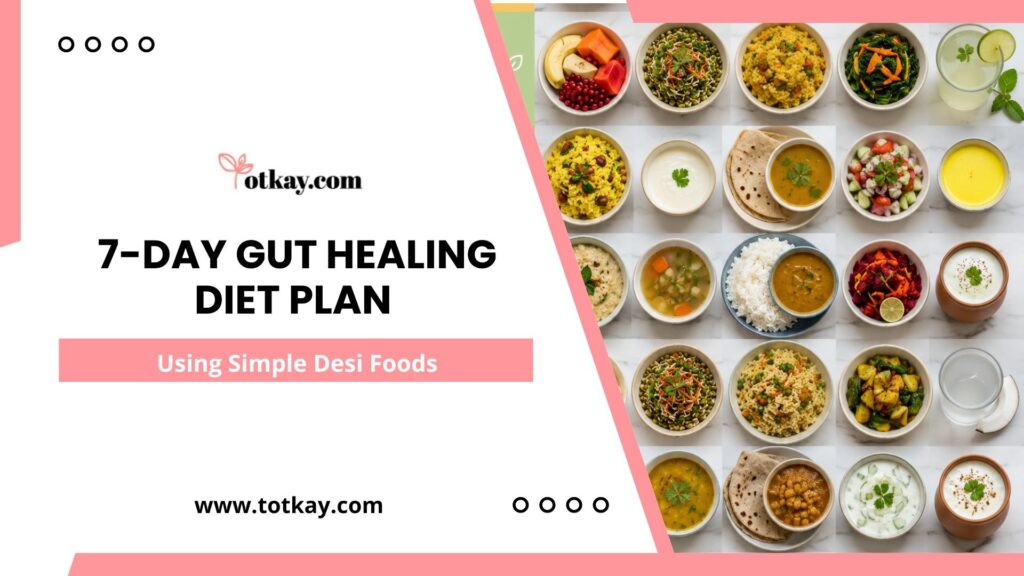
This 7 day gut diet introduces gentle, easily digestible foods back into your routine. It serves as a practical gut repair meal plan that utilizes common household ingredients.
Day 1: Calm the Digestive System With Lighter Meals
Focus on giving your stomach the easiest possible foods to break down. Hydration plays a key role in flushing out stagnant waste today.
- Breakfast: Warm oatmeal cooked with water and a pinch of cinnamon.
- Lunch: Soupy moong daal with boiled bottle gourd (laukki).
- Dinner: Clear chicken or vegetable yakhni (broth) with plain boiled rice.
Day 2: Start Feeding Healthy Gut Bacteria
Introduce natural probiotics to begin repopulating the stomach with good bacteria. Keep all fiber intake moderate and gentle.
- Breakfast: Homemade yogurt topped with half a sliced banana.
- Lunch: Light chana (chickpea) salad with cucumber and lemon juice.
- Dinner: Blended vegetable soup with a small piece of grilled chicken.
Day 3: Reduce Bloating & Digestive Heaviness
Target trapped gas by utilizing anti-inflammatory spices and eliminating heavy oils. Drink plenty of warm water throughout the day.
- Breakfast: Two boiled eggs with a side of steamed spinach.
- Lunch: Jeera (cumin) rice with a very light vegetable curry.
- Dinner: Baked fish or paneer with a side of warm cucumber and mint salad.
Day 4: Support Better Bowel Movement Naturally
Increase soluble fiber gradually to help push waste through the intestines. Ensure you drink extra water to help the fiber expand properly.
- Breakfast: Papaya slices and a bowl of warm oats.
- Lunch: Mixed sabzi (vegetables) cooked in minimal ghee with one whole-wheat roti.
- Dinner: Light lentil soup mixed with a teaspoon of isabgol (psyllium husk) before bed.
Day 5: Improve Meal Timing & Digestive Recovery
Focus strictly on eating times today. Finish all heavy food consumption before the sun sets to maximize nighttime healing.
- Breakfast: Scrambled eggs with a side of tomatoes and ginger tea.
- Lunch: Brown rice pulao with mild spices and plain yogurt.
- Dinner: A small bowl of clear soup consumed before 7 PM.
Day 6: Build More Stable Energy Through Balanced Eating
Reintroduce slightly more complex proteins while keeping the spice levels very low. Monitor your energy levels after each meal.
- Breakfast: Besan (gram flour) chilla with green chutney.
- Lunch: Chicken salan (light gravy) with one small roti and fresh salad.
- Dinner: Moong daal khichdi with a dollop of fresh homemade yogurt.
Day 7: Create a Sustainable Long-Term Gut-Friendly Routine
Establish the habits you will carry forward into the next weeks. Focus on balanced plates that do not leave you feeling overly full.
- Breakfast: Oatmeal with soaked almonds and chia seeds.
- Lunch: Grilled chicken piece with steamed carrots and green beans.
- Dinner: Light vegetable yakhni with a small portion of boiled white rice.
Common Mistakes People Make During a Gut Reset Diet
Many people accidentally ruin their progress by making preventable errors. Healing the stomach requires patience and a gentle approach, not aggressive dietary changes.
Following Extremely Restrictive Detox Plans
Liquid-only diets starve the healthy bacteria in your stomach. When you stop eating solid food entirely, your digestive muscles weaken rapidly.
Suddenly Increasing Fiber Too Fast
Jumping from a low-fiber diet to eating massive bowls of raw vegetables causes severe bloating. The stomach lacks the necessary bacteria to break down this sudden influx of roughage.
Ignoring Sleep & Stress
The stomach directly connects to the brain via the vagus nerve. If you do not manage your mental stress, your physical digestion will remain frozen and inefficient.
Depending Only on Supplements
Pills cannot fix the damage caused by a terrible daily diet. Supplements only work when combined with a strong, whole-food nutritional foundation.
Returning to Junk Foods Immediately
Once symptoms disappear, people often rush back to eating fried foods. This immediately destroys the delicate new tissue the stomach just built.
Conclusion
A practical gut healing diet plan can support digestion, energy, and comfort by improving the daily foods and habits that affect your gut. Instead of relying on expensive detox drinks, focus on lighter desi meals, fiber-rich foods, fermented foods, hydration, earlier dinners, and slow walking after meals.
This 7-day gut diet gives a realistic starting point for digestive recovery. Use an anti-inflammatory diet desi swaps, a gentle gut reset diet totkay, and a sustainable gut repair meal plan built around oats, daal, vegetables, fruit, homemade dahi, yakhni, soups, and simple meal timing.
If symptoms stay severe or persistent, speak with a qualified healthcare professional.
Frequently Asked Questions
What foods help heal the gut naturally?
Natural healing foods include bone broth, homemade yogurt, simple lentils, and cooked vegetables. These items provide essential amino acids and probiotics that repair the stomach lining while requiring very little digestive effort from the body.
What is included in a 7 day gut diet?
A proper 7 day gut diet includes easily digestible proteins, anti-inflammatory spices like turmeric, and soluble fiber from oats and papaya. It strictly eliminates deep-fried items, refined sugars, and heavy late-night dinners to allow the stomach to rest.
Can desi foods support gut healing?
Yes, a traditional anti-inflammatory diet desi approach works exceptionally well for digestion. Foods like moong daal khichdi, yakhni, and jeera water are naturally designed to soothe the stomach, reduce bloating, and promote healthy bowel movements.
Are anti-inflammatory foods good for digestion?
Anti-inflammatory foods calm the irritated tissues inside the digestive tract. By removing the swelling and heat in the stomach, these foods allow the body to absorb nutrients properly and stop the cycle of constant bloating.
How long does a gut reset diet take to work?
A structured gut healing diet plan usually shows initial results within three to five days. Bloating and acidity decrease quickly, though completely rebuilding the healthy gut bacteria microbiome can take several weeks of consistent effort.
Which foods should be avoided during gut healing?
You must strictly avoid heavily processed items, deep-fried snacks, artificial sweeteners, and excessive caffeine. These items actively destroy healthy bacteria, strip the stomach lining, and trigger severe inflammation throughout the digestive tract.

Hi, I’m a dedicated writer at Totkay.com, passionate about sharing practical tips and solutions to make your life easier. Explore my articles for helpful insights and valuable advice. Stay connected for more expert content!
Related posts:
 Severe Period Pain on First-Day Home Remedies
 Improve Endurance Naturally: 10 Proven Ways to Go Further
 Natural Carb Blockers: 10 Pantry Hacks to Stop Weight Gain
 Nature’s Chill Pill: 10 Herbal Stress Relief Tips (2026)
 What Causes Piles in Men? Expert Guide and Prevention Tips
 Pregnancy Hemorrhoids: Safe Relief and Natural Care