
Pregnancy Gut Health: Safe Desi Totkay for Better Digestion & Comfort

Digestion changes naturally during pregnancy because hormones slow the digestive system. Many pregnant women experience sudden constipation, bloating, acidity, and heaviness after meals. Improving pregnancy gut health safely requires practical daily habits and gentle, natural support.
Safe daily habits, gentle food choices, and mild desi support can improve comfort without harsh remedies. This guide explains pregnancy constipation, safe gut remedies for pregnant women, pregnancy probiotics, and safe herbs for pregnancy gut support with practical, careful advice for expecting mothers.
Why Pregnancy Suddenly Changes Your Digestion
Pregnancy transforms your body in many ways, and your digestive system feels the impact immediately. Recognizing these physical shifts helps you manage discomfort proactively.
Pregnancy Hormones Naturally Slow the Gut
Your body produces high levels of progesterone to protect the growing baby. This essential hormone relaxes your muscles, which unfortunately causes your digestive tract to operate much more slowly than usual. Understanding this natural delay helps you adjust your eating habits accordingly.
- Muscle relaxation: Progesterone relaxes the intestinal walls, which increases the time food takes to pass through.
- Nutrient absorption: A slower gut allows your body to extract more nutrients for the baby.
- Delayed emptying: The stomach empties at a reduced speed, which often causes a feeling of sudden fullness.
Why Constipation Feels So Common During Pregnancy
Constipation can feel frustrating because it affects appetite, mood, sleep, and daily comfort. Many Pakistani women also take iron supplements during pregnancy, which may worsen constipation for some.
Daily routine changes can make the issue stronger. Less walking, lower water intake, and long gaps between meals can slow digestion further.
Common constipation triggers during pregnancy include:
- Slower gut movement: Pregnancy hormones can reduce bowel speed.
- Iron supplements: Some women notice harder stool after starting iron.
- Low water intake: Dehydration makes stool harder to pass.
- Less movement: Sitting or resting for long hours can slow bowel activity.
- Low fiber meals: Refined flour, fried snacks, and low fruit intake can worsen heaviness.
Why Bloating & Acidity Often Become Worse at Night
Digestive discomfort often peaks during the evening hours, just as you try to rest. Eating large dinners places a heavy burden on a system that already moves slowly. Lying down flat immediately after a meal allows stomach acid to travel upward into the chest.
Understanding Pregnancy Gut Health in Simple Language
Good digestion involves more than just processing food; it involves maintaining a healthy internal environment. Supporting your digestive system benefits your overall well-being and fetal development.
Your Gut Bacteria Also Shift During Pregnancy
Your microbiome undergoes massive natural changes as your pregnancy progresses. These bacterial shifts prepare your body for birth and help metabolize energy differently. Supporting this shifting environment with natural pregnancy probiotics keeps your digestion balanced.
- Bacterial balance: Good bacteria fluctuate naturally to help your body store necessary energy.
- Immune support: A healthy microbiome protects you from minor stomach infections and illnesses.
- Birth preparation: Your gut bacteria change to pass beneficial microbes to the baby during delivery.
Why Healthy Digestion Matters for Both Mother & Baby
Efficient digestion ensures that you absorb the vitamins and minerals necessary for fetal growth. When your gut functions smoothly, you retain more energy and experience less daily pain.
Optimizing your pregnancy gut health creates a stronger foundation for the remaining trimesters.
- Nutrient delivery: Proper food breakdown guarantees the baby receives essential building blocks.
- Energy retention: A smooth digestive process prevents the extreme fatigue that follows heavy meals.
- Daily comfort: Regular bowel movements keep abdominal pressure manageable and reduce physical stress.
Everyday Pregnancy Symptoms That May Be Linked to Gut Health
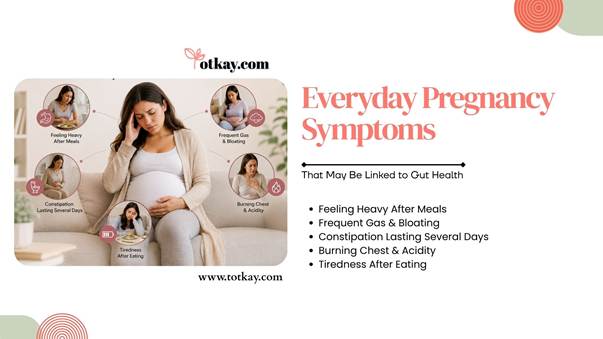
Pregnancy symptoms can overlap, so every stomach issue does not mean something serious. Still, patterns can help you understand what your body needs.
If symptoms become severe, persistent, or unusual, you should speak with your doctor instead of trying random remedies.
Feeling Heavy After Meals
Eating a normal portion suddenly feels like you consumed a massive feast. This heaviness occurs because the stomach lacks the space to expand normally. Adjusting portion sizes prevents this uncomfortable stretching.
- Rapid fullness: The stomach hits capacity quickly due to the upward pressure of the baby.
- Prolonged fullness: Food sits in the stomach for hours instead of moving into the intestines quickly.
- Breathlessness: A full, heavy stomach pushes against the lungs, which makes taking deep breaths difficult.
Frequent Gas & Bloating
Trapped air in the digestive tract causes sharp pains and a tight, swollen abdomen. Slower digestion gives gut bacteria more time to ferment food, which produces excess gas. Releasing this trapped air requires gentle movement and warm fluids.
- Bacterial fermentation: Slower transit time allows bacteria to create more gas bubbles.
- Trapped wind: Gas bubbles become stuck in the relaxed, slow-moving intestines.
- Abdominal tightness: The stomach skin feels painfully stretched and hard to the touch.
Constipation Lasting Several Days
Going days without a proper bowel movement creates significant discomfort and toxic buildup. Hard stools require straining, which doctors advise pregnant women to avoid. Using a safe gut remedy pregnant women trust helps restore daily regularity.
- Pelvic heaviness: Trapped stool creates a dragging sensation in the lower pelvis.
- Painful passing: Dry, hard stools cause pain and sometimes lead to hemorrhoids.
- Loss of appetite: A full lower bowel signals the brain to stop desiring new food.
Burning Chest & Acidity
Heartburn creates a fiery sensation behind the breastbone that often travels up the throat. This occurs when the valve between the stomach and esophagus relaxes too much. Managing acid levels requires careful food choices and upright posture.
Tiredness After Eating
Heavy meals can make pregnant women feel sleepy and uncomfortable. The body uses energy to digest food, and large portions can increase this load. Balanced, smaller meals can reduce this post-meal crash.
Safe Desi Totkay That May Support Pregnancy Gut Health Naturally
Pakistani culture offers many traditional remedies for digestion, but pregnancy requires careful selection. The following remedies offer gentle relief when used in strict moderation.
Ajwain Water in Moderate Amounts
Ajwain has a strong traditional reputation for gas and digestion. Some women use very mild ajwain water after meals, but pregnancy requires moderation.
Do not drink strong ajwain mixtures daily without asking your doctor, especially if you have a high-risk pregnancy.
A careful approach should focus on:
- Small amounts: Use mild preparation instead of strong, concentrated drinks.
- Occasional use: Avoid turning every remedy into a daily habit.
- Doctor guidance: Ask your doctor if you have a bleeding risk, contractions, or medical issues.
- Body response: Stop if acidity, nausea, or discomfort increase.
- Food-first support: Improve meals and hydration before adding remedies.
This keeps desi support gentle and practical.
Saunf After Meals for Better Digestive Comfort
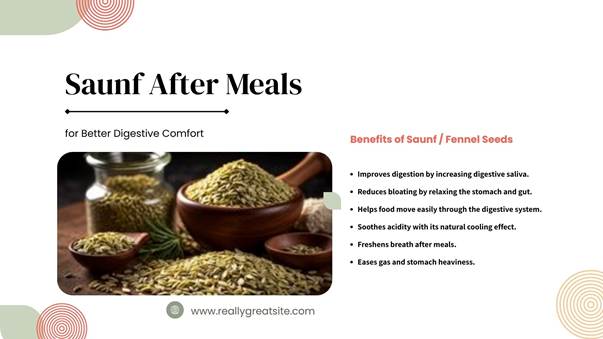
Fennel seeds act as a natural, gentle digestive aid after heavy meals. Chewing a small spoonful of saunf releases essential oils that speed up digestion. This traditional habit also freshens the breath and reduces pregnancy nausea.
- Enzyme stimulation: Chewing saunf triggers the mouth to produce more digestive saliva.
- Bloating reduction: Fennel oils relax the gut lining, which allows food to pass easily.
- Cooling effect: Saunf provides a natural cooling sensation that combats chest acidity.
Warm Lemon Water for Morning Digestion
Starting the day with warm water and fresh lemon juice wakes up the digestive system naturally. This gentle drink hydrates the colon and encourages a morning bowel movement. Vitamin C also helps the body absorb iron from prenatal vitamins.
- Bowel stimulation: Warm water physically stimulates the colon muscles to contract.
- Liver support: Lemon juice gently encourages the liver to release digestive bile.
- Hydration boost: This drink replenishes fluids lost during a long night of sleep.
Ginger in Safe Moderate Amounts
Ginger effectively treats pregnancy nausea while simultaneously stimulating slow digestion. Grating a small amount of fresh ginger into warm water creates a soothing drink. Utilizing safe herbs pregnancy gut remedies like ginger requires keeping the dosage low to avoid excess internal heat.
- Nausea relief: Ginger compounds directly block the nausea receptors in the brain.
- Digestive speed: Fresh ginger physically accelerates the emptying of the stomach.
- Anti-inflammatory: Ginger reduces minor swelling and irritation in the intestinal lining.
Common Pregnancy Digestive Problems & Gentle Support Habits
Understanding how your symptoms connect to gentle solutions helps you manage daily comfort. Use this table to diagnose minor issues and apply safe habits effectively.
| Pregnancy Symptom | Possible Digestion Reason | What Many Women Experience | Helpful Gentle Habit | Safety Note |
| Constipation | Slower gut movement | Hard stool & heaviness | Increase fiber + hydration | Do not use laxatives without a doctor. |
| Bloating | Delayed digestion | Tight stomach feeling | Eat smaller meals | Avoid tight clothing around the waist. |
| Acidity | Pressure on stomach | Burning sensation | Avoid lying down after meals | Sleep with your head elevated. |
| Gas buildup | Sluggish digestion | Abdominal discomfort | Try gentle walking | Avoid carbonated sugary drinks. |
| Fatigue after meals | Heavy digestion load | Sleepiness & low energy | Eat balanced lighter meals | Prioritize easily digestible proteins. |
Foods That Naturally Support Better Pregnancy Gut Health
Selecting the right foods provides the fiber and hydration your body desperately needs. Incorporating these gentle foods transforms how your stomach processes daily meals.
Fiber-Rich Fruits That Feel Gentle on Digestion
Fiber helps support bowel movement and reduces constipation risk. ACOG suggests aiming for about 25 grams of fiber daily during pregnancy.
Gentle fruit options include:
- Apples: They provide fiber and are easy for many women.
- Bananas: They suit simple breakfasts and snacks.
- Pears: They add fiber and hydration.
- Prunes: They may support bowel movement.
- Seasonal fruits: They fit local budgets and taste preferences.
Wash fruit carefully before eating.
Natural Probiotic Foods for Gut Support
Fermented foods introduce healthy microbes directly into your digestive system. Consuming kefir or homemade yogurt replenishes your gut flora effectively. Prioritizing pregnancy probiotics ensures your gut handles food breakdown efficiently.
- Live cultures: Yogurt delivers active bacteria directly to the lower intestines.
- Digestive ease: Kefir breaks down proteins, making them much easier for the stomach to absorb.
- Immune defense: Probiotic foods build a barrier against harmful stomach bugs.
Protein Sources That Feel Easier to Digest
Heavy red meats require intense stomach acid and hours to break down properly. Replacing them with eggs, lentils, or steamed fish reduces the digestive workload completely. These lighter proteins provide necessary building blocks without causing extreme fatigue.
- Quick processing: Eggs digest rapidly, providing immediate protein to the body.
- Plant power: Well-cooked lentils offer protein alongside beneficial digestive fiber.
- Gentle meats: White fish breaks down much faster than beef or heavy mutton.
When Pregnancy Digestive Symptoms Need Medical Attention
Most mild bloating, constipation, and acidity can happen during pregnancy. Still, some symptoms need medical care quickly.
Do not depend on totkay when symptoms feel severe or unusual.
Call your doctor if you experience:
- Severe abdominal pain: Strong pain needs medical evaluation.
- Repeated vomiting: Vomiting can cause dehydration.
- Dehydration signs: Very low urine, dizziness, or weakness need attention.
- Blood in stool: This symptom needs professional care.
- Inability to eat: Poor intake can affect strength.
- Severe constipation: Several painful days need guidance.
- Sudden swelling: Swelling with other symptoms needs urgent advice.
Safe care protects both mother and baby.
Final Thoughts
A healthy pregnancy gut health is essential for your comfort, energy, and emotional well-being. While issues like constipation and bloating are common due to hormonal changes, simple habits can offer relief. Smaller meals, staying hydrated, eating fiber-rich foods, and gentle walks can significantly improve digestion.
For extra support, consider natural options like pregnancy probiotics or safe herbs pregnancy gut habits, but always use them cautiously. If you’re dealing with severe pregnancy constipation, it’s best to consult your doctor for a safe gut remedy approach.
For more effective, medically-approved health remedies that work, visit the totkay website today
Frequently Asked Questions
Why does pregnancy slow digestion?
Pregnancy hormones, especially progesterone, can relax digestive muscles and slow food movement through the gut. The growing uterus can also add pressure on the stomach and intestines. This can cause constipation, bloating, acidity, and heaviness after meals. Small meals, hydration, fiber, and gentle movement often support better daily comfort.
What helps pregnancy constipation naturally?
Fiber-rich fruits, vegetables, whole grains, water, and gentle walking can support constipation relief during pregnancy. ACOG recommends fiber, fluids, and physical activity as helpful first steps. Women should avoid random laxatives or strong herbal remedies without medical advice, especially during high-risk pregnancy or severe constipation.
Are probiotics considered safe during pregnancy?
Food-based probiotics like fresh homemade yogurt may support gut bacteria and digestion for many women. Probiotic supplements appear to be probably safe for many pregnant women, but research varies by product and strain. Ask your doctor before starting any supplement. Food-based pregnancy probiotics often provide a gentler starting point.
Which desi totkay may support digestion safely during pregnancy?
Gentle options may include saunf after meals, homemade dahi, warm water, mild lemon water, and very moderate ajwain water if your doctor allows it.
Can stress worsen pregnancy digestion?
Yes, stress can affect appetite, acidity, bowel rhythm, and gas. Many women notice more bloating or stomach tightness during anxious days. Calm meals, slow breathing, proper sleep, and gentle movement may support digestion. Emotional comfort matters because pregnancy affects both the body and mind.
What foods support pregnancy gut health naturally?
Fiber-rich fruits, vegetables, daal, whole grains, homemade dahi, soups, cucumber, and balanced protein sources can support pregnancy gut health naturally. Choose simple meals that feel light and easy to digest. Avoid heavy fried foods, too much tea, and late large dinners if they trigger acidity or bloating.

Hi, I’m a dedicated writer at Totkay.com, passionate about sharing practical tips and solutions to make your life easier. Explore my articles for helpful insights and valuable advice. Stay connected for more expert content!
Related posts:
 Severe Period Pain on First-Day Home Remedies
 Improve Endurance Naturally: 10 Proven Ways to Go Further
 Natural Carb Blockers: 10 Pantry Hacks to Stop Weight Gain
 Nature’s Chill Pill: 10 Herbal Stress Relief Tips (2026)
 What Causes Piles in Men? Expert Guide and Prevention Tips
 Pregnancy Hemorrhoids: Safe Relief and Natural Care