Homemade Toothpaste: Safe DIY Natural Toothpaste Recipes & Benefits
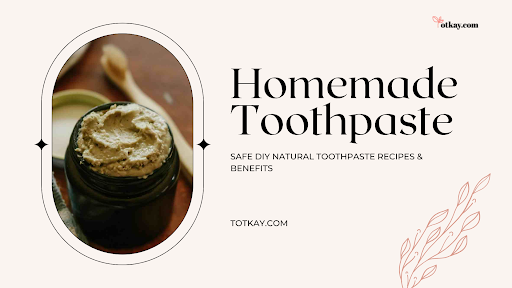
Homemade toothpaste is a natural alternative to commercial toothpaste made with simple ingredients like baking soda, coconut oil, bentonite clay, and herbal essential oils. Many people choose to make their own toothpaste to avoid artificial chemicals, reduce plastic waste, and customize their daily oral care routine. However, because most diy toothpaste recipes do not contain fluoride, they should be used carefully and should not completely replace dentist-recommended conventional toothpastes for cavity protection.
If you’re looking for a safe homemade toothpaste recipe, the best options combine baking soda, coconut oil, and food-grade essential oils. These ingredients help clean teeth, reduce bacteria, and freshen your mouth naturally. While a DIY toothpaste recipe can support daily oral hygiene, it cannot replace fluoride’s role in strengthening enamel and preventing cavities. To maintain good oral health, use your new toothpaste responsibly and continue regular dental checkups.
Why People Choose Homemade Toothpaste
Many people are switching to natural toothpaste because they want greater control over what goes into their body every day.
Common reasons to try different recipes include:
- Avoid artificial flavors and preservatives
- Reduce exposure to unnecessary chemicals like sodium lauryl sulfate (a common synthetic foaming agent)
- Lower plastic waste with a reusable glass jar
- Save money on oral care products
- Customize the flavor and taste
- Support a natural lifestyle
Although these benefits are appealing, educating people on both the advantages and limitations helps ensure safe dental practice.
How Homemade Toothpaste Works
Natural ingredients clean teeth differently than a standard commercial toothpaste. Instead of relying on synthetic detergents, DIY recipes focus on gentle cleansing, reducing bacteria, and neutralizing acids to support oral health.
| Ingredient | Purpose |
| Baking Soda (Sodium bicarbonate) | Removes surface stains, targets plaque, and neutralizes acids |
| Coconut Oil | Provides natural antibacterial support for gums and teeth |
| Bentonite Clay | Gentle polishing, impurity absorption, and introduces minerals |
| Peppermint Oil | Freshens bad breath and provides mild antibacterial effects |
| Spearmint Oil | Adds a refreshing mint flavor |
Important Note
While this mixture cleans beautifully, a homemade toothpaste does not remineralize enamel or offer a targeted treatment for dental caries like a standard fluoride toothpaste.
Best Homemade Toothpaste Recipes
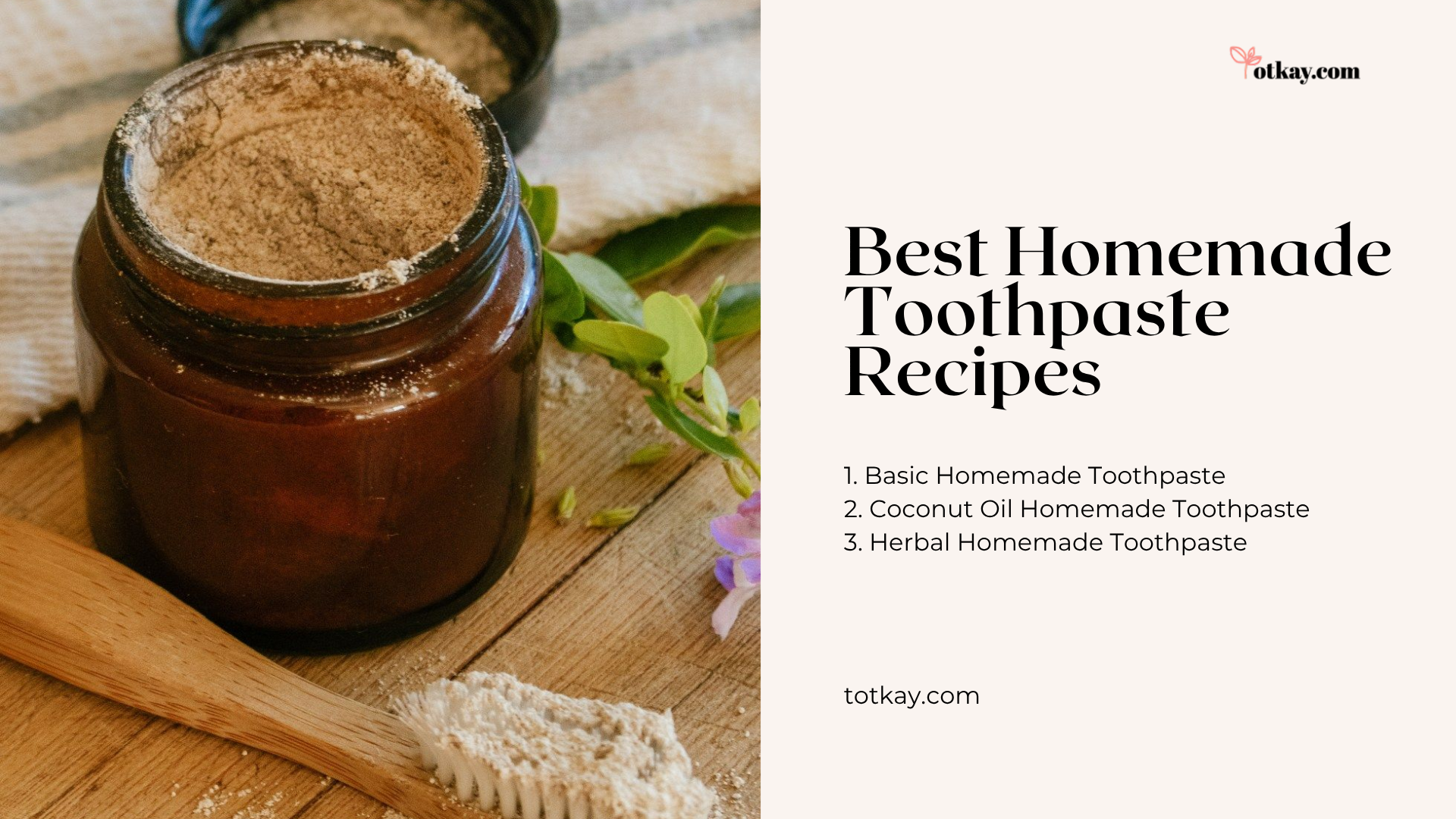
1. Basic Homemade Toothpaste
- Ingredients:
- 1 tablespoon baking soda
- A little water (as needed)
- Instructions: Mix the soda with a few drops of water. Continue stirring until the paste reaches desired consistency.
- Best for: Quick everyday cleaning on your toothbrush.
2. Coconut Oil Homemade Toothpaste
- Ingredients:
- 2 tablespoons coconut oil
- 1 tablespoon baking soda
- 5–10 drops peppermint essential oils
- Optional: A pinch of xylitol for sweetness
- Instructions: Combine all the ingredients in a small bowl. Mix thoroughly until it forms a smooth paste. Transfer and store the final mixture in an airtight glass jar.
- Best for: Fighting bad breath and supporting daily oral health benefits.
3. Herbal Homemade Toothpaste
- Ingredients:
- 2 tablespoons bentonite clay
- 2–3 tablespoons filtered water
- 1 tablespoon coconut oil
- 5 drops spearmint oil or a dash of cinnamon
- Instructions: Mix using non-metal utensils until the desired consistency is achieved, then move to a non-metal container.
- Best for: Sensitive gums and those preferring a glycerin-free, baking soda-free option.
Ingredients to Avoid
Some natural ingredients can permanently damage your teeth and mouth. Avoid adding these to your toothpaste recipe:
- Lemon juice or Vinegar (highly acidic)
- Hydrogen peroxide (can cause severe tooth sensitivity if misused)
- Activated charcoal or coarse salt (highly abrasive)
Using these aggressive agents to enhance whitening can accidentally erode your enamel and increase long-term tooth sensitivity.
Benefits of Homemade Toothpaste
- Complete ingredient transparency (knowing exactly what enters your body)
- Lower long-term cost
- Plastic-free packaging and storage
- Customized mint or cinnamon flavors
- Free from sodium lauryl sulfate and synthetic dyes
- Perfect for a sustainable lifestyle
Risks and Limitations
Before permanently trading in your commercial toothpaste, consult your doctor or dentist, and keep these limitations in mind:
- No Fluoride: Without it, your teeth lack maximum protection against cavities and dental caries.
- Abrasive Potential: Misjudging the amount of baking soda, salt, or charcoal can wear away enamel during brushing.
- No Standardized Formulation: It’s tough to guarantee a perfectly balanced pH or exact mineral levels (like calcium) at home.
- Not ADA Approved: These recipes lack clinical testing in organized dentistry.
Homemade Toothpaste vs. Commercial Toothpaste
| Feature | Homemade Toothpaste | Commercial Toothpaste |
| Fluoride | Usually No | Yes |
| Chemicals / Additives | Minimal | May contain sodium lauryl sulfate |
| Plastic Waste | Low | Higher |
| Customizable Taste | Yes | No |
| Protection Against Plaque & Cavities | Limited | Excellent |
| Clinical Testing | No | Yes |
Who Should Avoid Homemade Toothpaste?
DIY dental practice is not recommended for:
- Children
- People prone to chronic dental caries (cavities)
- Individuals experiencing severe tooth sensitivity
- Patients dealing with gingivitis or advanced gum disease
- Anyone explicitly advised by their dental doctor to stick to prescription toothpaste
How to Store Homemade Toothpaste
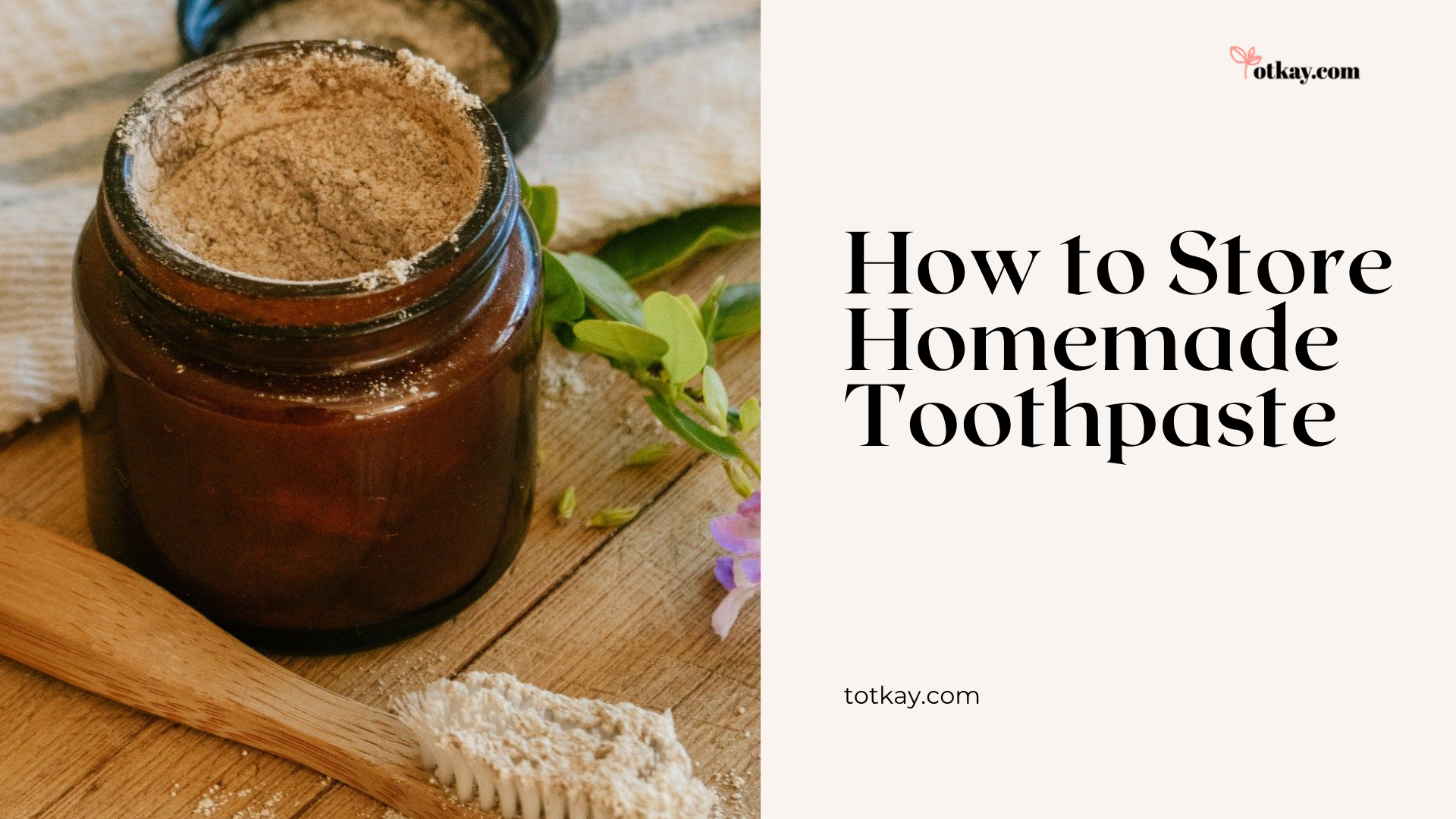
Because these recipes are free of artificial preservatives, they have a shorter shelf life.
- Store your paste in an airtight glass jar.
- Keep it away from direct sunlight to prevent the oil from separating.
- Use a small spoon or spatula to scoop a small amount onto your toothbrush (never dip your brush directly into the jar).
- Avoid letting water drop into the mixture.
- Use up the batch within a one-month shelf life.
Safe Natural Alternatives
If you want a natural approach but need stronger protection to maintain good oral health, consider:
- Natural toothpastes featuring calcium-rich hydroxyapatite or xylitol
- Waterless toothpaste tablets
- Alcohol-free natural mouthwash
- Daily oil pulling with pure coconut oil
These choices offer an excellent balance between clean ingredients and proven oral health protection.
Expert Tips for Brushing
- Use only a small amount (pea-sized) on your toothbrush.
- Brush gently for two minutes to protect your gums and enamel.
- If your dentist advises it, alternate your DIY paste with a standard fluoride option.
- Discard and replace your homemade toothpaste immediately if it changes color, smell, or consistency.
Conclusion
Homemade toothpaste can be an effective addition to a natural oral care routine when prepared with safe ingredients like baking soda, coconut oil, and bentonite clay. It offers greater ingredient transparency, reduces plastic waste, and allows complete customization.
However, DIY toothpaste should not completely replace fluoride toothpaste because it cannot provide the same level of enamel protection and cavity prevention. Use homemade toothpaste responsibly, follow proper storage practices, and consult your dentist if you have sensitive teeth, gum disease, or a history of frequent cavities.
Looking for more natural health and wellness tips? Explore more expert-backed home remedies, DIY recipes, and daily wellness guides on Totkay.com to support healthier teeth, skin, hair, and overall well-being naturally.
Frequently Asked Questions
Is homemade toothpaste safe for daily use?
It depends on the ingredients. Formulas using large amounts of baking soda or charcoal can be too abrasive for daily use and may wear down enamel over time. It is generally safer to alternate DIY toothpaste with a traditional, less abrasive option.
Does natural toothpaste whiten teeth?
Ingredients like baking soda can remove surface stains, making teeth appear slightly brighter. However, DIY natural toothpaste cannot bleach the actual color of your teeth as professional whitening treatments do.
Can I use baking soda every day?
While baking soda is an effective cleaner, using it every single day might be too abrasive for some people, leading to sensitivity. Dentists usually recommend using baking-soda-based homemade pastes a few times a week rather than twice daily.
Is fluoride-free toothpaste better?
Fluoride-free options are better for avoiding specific chemicals, but they do not protect against cavities as effectively. Dentists strongly recommend fluoride for strengthening enamel and preventing tooth decay.
How long does DIY toothpaste last?
A basic coconut oil and baking soda mixture can last up to a month when stored in a cool, dark place in an airtight container. Always use a clean utensil to scoop the paste to prevent bacterial growth.
Can kids use homemade toothpaste?
Pediatric dentists do not recommend homemade paste for children. Kids need fluoride to strengthen their developing teeth and protect against cavities. Always consult your family dentist before changing a child’s oral care routine.

Hi, I’m a dedicated writer at Totkay.com, passionate about sharing practical tips and solutions to make your life easier. Explore my articles for helpful insights and valuable advice. Stay connected for more expert content!