
DIY Natural Beauty: The Skin Intelligence Masterclass
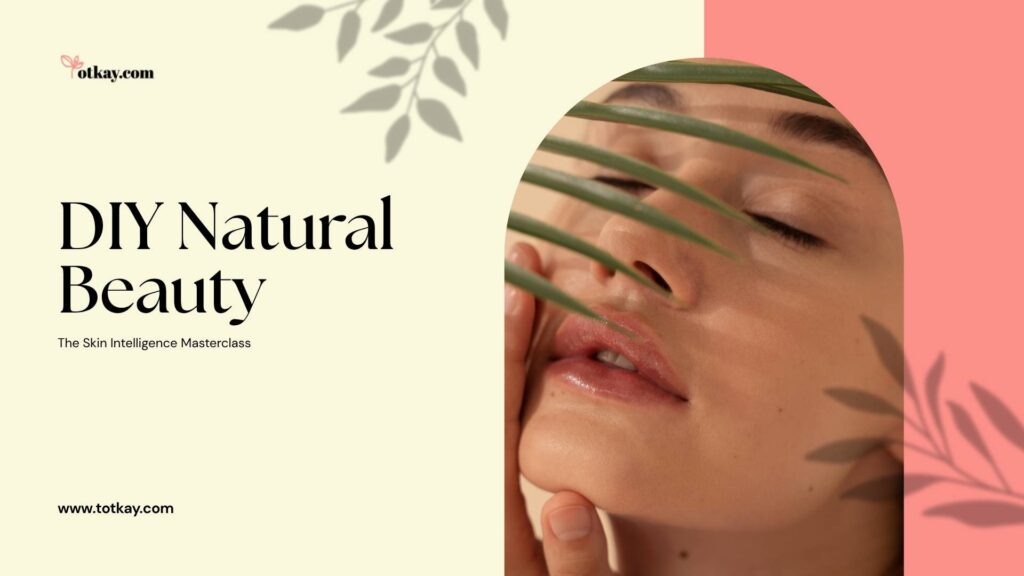
You can safely formulate DIY natural beauty products at home by using biocompatible ingredients that actively support your skin barrier. Effective homemade skincare requires maintaining a finished pH level between 4.5 and 5.5. This optimal acidity prevents irritation and blocks harmful bacteria.
Use high-performance organic ingredients such as cold-pressed jojoba oil, olive squalane, and fermented rice water to create highly potent treatments. Always prioritize strict sanitation protocols with isopropyl alcohol. Finally, observe a strict seven-day refrigeration rule for all water-based recipes to ensure your custom skincare remains fresh and safe.
The Skin Intelligence Shift
Creating natural beauty requires precision. You must understand how natural ingredients interact with your body at a cellular level. The modern formulation process demands biocompatibility. This means you only use simple ingredients that support your natural cellular functions.
Safety serves as the foundational anchor of this practice. You must implement the non-negotiable 48-hour patch test for every first product you create. Furthermore, you must adopt strict sanitization protocols. These steps ensure your natural remedies heal the tissue rather than harm it. You do not want to introduce harmful chemicals into your custom skincare products.
The Science of the Barrier
Your face hosts a complex ecosystem of bacteria. Your natural skincare products must protect this delicate balance. If you disrupt the microbiome, you risk severe irritation and accelerated aging.
Finding the pH Sweet Spot
The potential of hydrogen measures the acidity of your natural skin care formulations. Human tissue thrives in a slightly acidic environment. You must maintain a finished product pH of 4.5 to 5.5. This optimal range is the deciding factor between a radiant glow and a severe breakout. Acidic environments keep harmful bacteria away while locking in vital moisture.
Prebiotic Formulations
Prebiotics serve as food for the beneficial bacteria on your body. When you incorporate organic ingredients like chicory-derived inulin or fermented rice water, you feed these good microbes. A well-fed microbiome strongly defends against environmental stressors and pathogens. This method provides cost-effective and highly beneficial results.
The Bioavailability Secret
Bioavailability dictates how easily you absorb an ingredient. Fermentation stands out as the ultimate bioavailability booster. The fermentation process breaks down large molecular structures into smaller, easily absorbed compounds. This makes your DIY natural beauty additives up to five times more potent.
Master Reference Table: High-Performance Ingredients
You must select the right components for your specific skin types. This reference table outlines top-tier natural alternatives, their scientific profiles, and their ideal applications.
| Ingredient | Benefit | Scientific Profile | Best Skin Type |
| Bakuchiol | Natural Retinol | Stimulates collagen production without the retinol purge. | Mature / Sensitive skin |
| Squalane (Olive) | Biomimetic Lipid | Mimics human sebum to prevent moisture loss. | Dry skin |
| Niacinamide (B3) | Barrier Repair | Regulates oil production and strengthens the lipid barrier. | Oily skin / Acne-Prone |
| Upcycled Coffee | Circular Beauty | Caffeine constricts blood vessels to depuff tissue instantly. | Dark circles / Body |
| Kaolin Clay | Gentle Detox | A pH-neutral mineral that absorbs debris without stripping oils. | Irritated / Normal |
Signature Formulations: Step-by-Step
You can craft professional-grade beauty products at home. Making your own products is a fun and creative hobby. Follow these structured recipes to target specific health concerns safely.
The Glass Skin Fermented Toner
This amazing toner brightens the complexion and refines pores.
- Combine three parts stabilized fermented rice water with one part green tea extract.
- Dissolve one percent niacinamide powder into the liquid.
- Mix thoroughly and store in a dark mason jar.
- Apply with a soft cotton pad after you wash your face with warm water.
The Retinol-Alternative Night Oil
This blend promotes cell turnover without causing sensitivity.
- Mix one part bakuchiol with four parts cold-pressed rosehip seed oil.
- Add a few drops of pure vitamin E.
- Vitamin E acts as an antioxidant to prevent the oils from oxidizing.
- Massage into the skin gently before bed.
The Barrier Repair Manuka Mask
This soothing mask reduces inflammation and deeply hydrates.
- Blend one tablespoon of raw Manuka honey with one teaspoon of colloidal oatmeal.
- Add two drops of olive-derived squalane.
- Mix until a thick paste forms and apply to clean skin.
- Leave on for fifteen minutes, then rinse to reveal a healthy shine.
The Circular Coffee Eye Polish
This polish reduces morning puffiness using sustainable materials.
- Collect used, finely milled espresso grounds.
- Blend the grounds with cold-pressed jojoba oil until smooth.
- Gently rub the mixture under the eyes, leave for five minutes, and rinse.
Professional Protocols for Safety and Shelf Life
Water-based formulations breed bacteria rapidly. You must treat your home laboratory with the same respect as a commercial facility. This applies to all lotions, creams, and natural hair care products you create.

The Strict Seven-Day Rule
Any formula containing water has a limited lifespan. You must store water-based toners and lotions in the refrigerator. You must discard them after exactly one week. If you wish to extend the shelf life, you must learn to use broad-spectrum natural preservatives. You do not want to expose your loved ones to spoiled natural skincare.
Sterilization Standards
Cleanliness prevents contamination. You must spray all glass jars, mixing bowls, and utensils with seventy percent isopropyl alcohol. Allow the alcohol to air dry completely before you begin formulating. This simple step eliminates mold spores and bacteria before you add essential oils or herbs.
The Flash Freeze Technique
Plant butters often develop a grainy texture when they cool slowly. To achieve a professional, silky skin feel, you must use the flash freeze technique. Once you melt your cocoa butter or body butter, place the container directly into the freezer for twenty minutes. Rapid cooling forces the fatty acids to crystallize uniformly.
Sustainable and Ethical Beauty Practices
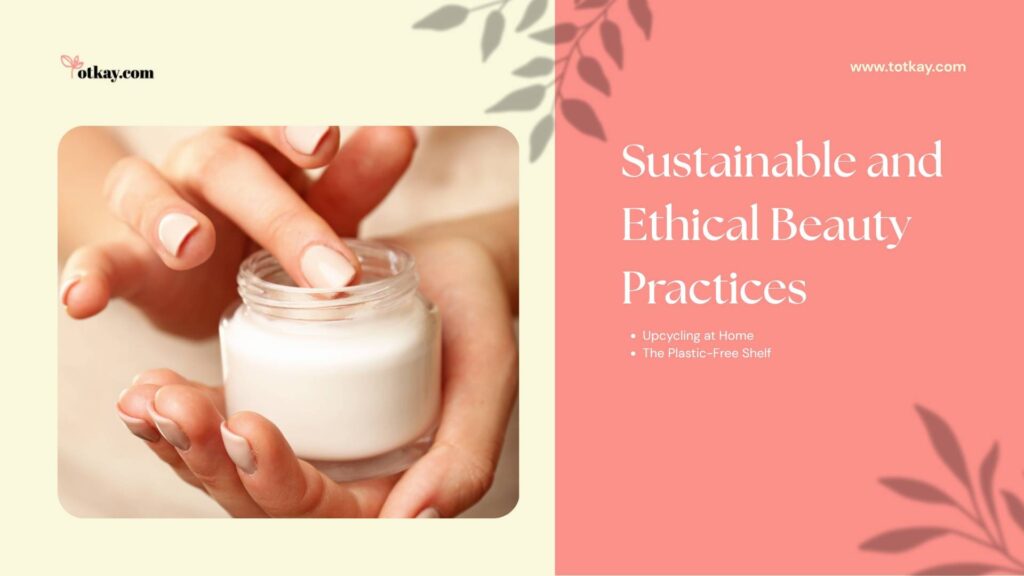
Modern natural beauty requires a commitment to the environment. You can reduce waste by rethinking your sourcing and storage methods.
Upcycling at Home
Do not throw away nutrient-rich food waste. You can transform fruit seeds and used tea leaves into active botanical extracts. Steep leftover green tea bags in hot water to create a base for your toners.
This practice reduces waste while extracting valuable antioxidants for your natural beauty routine. You can even use upcycled ingredients for dry shampoo or natural hair care products to treat dry hair.
The Plastic-Free Shelf
Plastic containers leach microplastics into your carefully crafted lip products and face masks. You must move toward amber glass bottles and refillable ceramic tins. Dark glass protects delicate carrier oils, coconut oil, and lavender essential oil from harmful ultraviolet degradation.
Conclusion
Creating your own skincare routine requires planning and precise execution. With the principles of DIY natural beauty, you now possess the knowledge to formulate biocompatible products that respect the skin barrier. You understand the importance of pH levels, proper sterilization, and the amazing benefits of high-performance natural ingredients. Taking up this creative hobby allows you to control exactly what touches your skin.
Start by auditing your current beauty tools. Purchase amber glass bottles and seventy percent isopropyl alcohol. Choose one signature formulation from today’s post and test it this week. What is your primary beauty goal for the upcoming year? Comment below at Totkay, and we will help you formulate a custom, barrier-safe recipe tailored to your needs!
Frequently Asked Questions
How can you start making your own natural beauty products at home?
You can easily start formulating DIY natural beauty products by gathering simple natural ingredients like coconut oil, shea butter, and jojoba oil. Begin with a basic recipe, such as a moisturizing body butter or a gentle face mask. Always use clean mason jars for storage. Exploring this creative hobby allows you to craft custom natural skincare products that suit your specific skin types perfectly.
Are essential oils safe to use in natural skincare routines?
Yes, you can safely add essential oils like lavender essential oil to your natural skincare routine when properly diluted. You must always mix them with carrier oils like rosehip seed oil or jojoba oil before applying them to your skin. This practice prevents irritation, especially for sensitive skin. These natural remedies provide amazing soothing benefits while enhancing the skin feel of your custom lotions and creams.
What are the best natural alternatives for moisturizing dry skin?
The most effective natural alternatives for dry skin include rich, hydrating elements like cocoa butter and vitamin E. When you melt and mix these organic ingredients, they create a deeply moisturizing barrier that locks in hydration. You can also incorporate olive squalane or pure coconut oil into your daily care routine. These simple ingredients work brilliantly together to heal dry patches and protect your skin.
How long do DIY natural beauty recipes last without chemical preservatives?
Water-based natural beauty recipes typically last only about one week when stored in a refrigerator. Because you do not use harsh chemicals or synthetic additives, bacteria can grow quickly in water. Conversely, oil-based formulations using pure natural ingredients can last several months. You can extend the shelf life of your own products by keeping them in dark glass containers away from direct sunlight and moisture.
What natural beauty products can help reduce dark circles?
You can minimize dark circles effectively by creating a natural eye polish using upcycled coffee grounds and cold-pressed jojoba oil. The natural caffeine in the coffee helps constrict blood vessels, which instantly reduces puffiness and darkness under the eyes. Applying this simple recipe gently provides cost-effective, soothing relief while helping you avoid the heavy additives often found in commercial eye creams.

Hi, I’m a dedicated writer at Totkay.com, passionate about sharing practical tips and solutions to make your life easier. Explore my articles for helpful insights and valuable advice. Stay connected for more expert content!
Related posts:
 Homemade Vitamin C Toner
 Home Remedies for Skin Whitening: Natural Ways to Brighten Your Skin Safely
 How to Stop Itchy Feet Home Remedies: Causes, Natural Treatments & Prevention
 Simple Home Remedies for Acne
 Natural Wrinkle Home Remedies for Youthful Skin
 Homemade Sunscreen: Why DIY Protection Fails Your Skin