
Intermittent Fasting for Gut Health: A Complete Desi Guide to Gut Repair
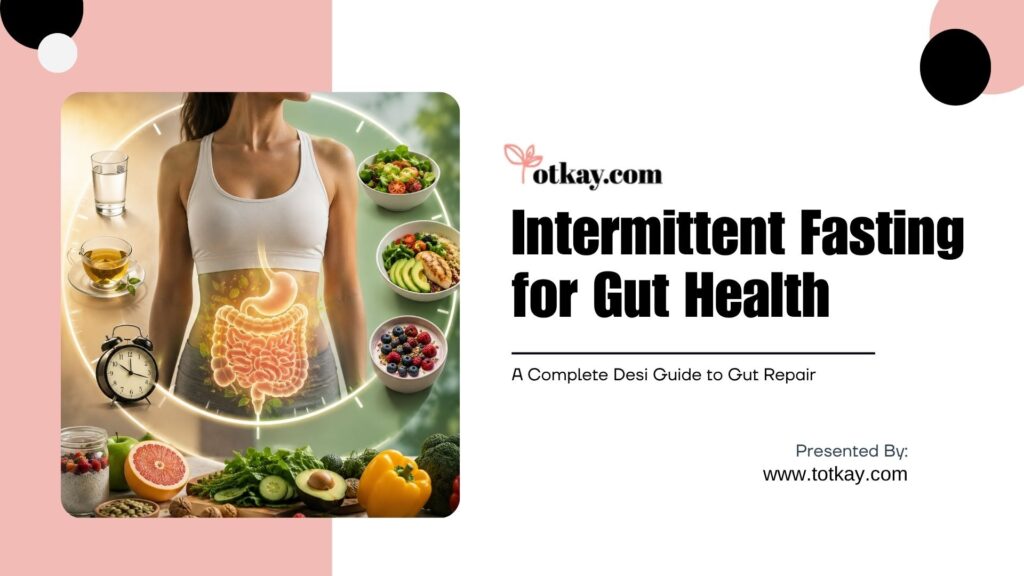
Intermittent fasting for gut health is a structured eating pattern that gives your digestive system a much-needed break from constant work. Pausing food intake allows the stomach and intestines to heal, reducing common issues like bloating and acidity.
By combining meal spacing with traditional remedies, you can trigger fasting gut repair and support the IF gut microbiome. Many people start with a simple 12-hour fast before moving to more advanced routines to naturally restore their digestive balance without heavily relying on supplements.
Understanding Intermittent Fasting in Simple Language
What Is Intermittent Fasting?
Intermittent fasting is an eating framework that divides your day into an eating window and a fasting window. When using intermittent fasting for gut health, you only consume calories during the designated eating window.
During the fasting window, you only drink water, black tea, or plain green tea. This method focuses entirely on meal timing rather than counting specific calories or energy intake through macros.
The Most Common Fasting Schedules People Follow
Choosing the right schedule helps the body adapt without unnecessary stress. Most beginners start with mild fasting before extending their hours to achieve better 16 8 fasting digestion.
These are the most popular meal timing frameworks for digestive health, spanning both time restricted eating and longer periodic fasting approaches:
- 12:12 method: You eat within a 12-hour window and fast for the remaining 12 hours, often starting with eating breakfast at a consistent time each morning.
- 14:10 method: You fast for 14 hours, which gives the stomach a deeper resting period as part of a broader time restricted eating approach.
- 16:8 method: You fast for 16 hours, creating the ideal environment for advanced 16 8 fasting digestion. This is a form of time restricted feeding, distinct from alternate day fasting, which alternates full eating days with very low-calorie or complete fasting days instead of following a daily clock.
Why Intermittent Fasting Focuses on Timing Rather Than Food Elimination
Unlike traditional diets that restrict carbohydrates, fats, or entire food groups, intermittent fasting for gut health simply shifts the hours in which you consume your regular daily meals.
You do not need to buy special foods or eliminate traditional desi meals. You simply organize your food intake to give your stomach a guaranteed resting phase every night.
What Happens Inside the Gut During a Fasting Window?
How Digestive Activity Changes When Food Intake Pauses
When you stop eating for several hours, the gut gets time to move food forward and clear some digestive workload. Many people feel less bloated when they avoid constant grazing.
This does not mean longer fasting always works better. Some people feel acidity, weakness, constipation, or overeating after long fasting windows.
Why Meal Breaks May Influence Gut Bacteria
The bacteria in your stomach, often called gut microbes, follow a biological circadian rhythm just like you do. Giving these microbes a break helps maintain a strong IF gut microbiome and supports overall digestive wellness.
A balanced fasting routine may increase microbial diversity inside the digestive tract, which several human studies link to a healthy gut. This bacterial balance prevents harmful bacteria from overgrowing and causing severe bloating issues.
The Emerging Research Around Fasting & Gut Repair
Scientists observe that resting the stomach triggers deep biological healing mechanisms. Many doctors now recommend fasting gut repair protocols for patients with mild digestive distress.
This resting period strengthens the protective gut lining, making it more resilient against irritating foods. Incorporating intermittent fasting for gut health can also lower systemic inflammation, which supports long-term digestive recovery and improves nutrient absorption.
How Fasting Triggers Gut Motility Through the Migrating Motor Complex
One mechanism the original digestive-rest idea leaves out is exactly how the gut “cleans” itself between meals, and this gap is worth closing since it explains why timing matters as much as what you eat.
- What the migrating motor complex does: The migrating motor complex is a repeating pattern of contractions that activates in the stomach and small intestine only once food has cleared the system, working as a kind of housekeeping wave.
- Why it depends on fasting: This wave of gut motility switches off the moment you eat again, which is one reason constant snacking never gives the intestines a full cleaning cycle.
- What it may help prevent: By sweeping leftover food and bacteria toward the colon, this process may help limit constipation and bacterial overgrowth in the small intestine, though clinical experience varies and this benefit is still being studied.
The Connection Between Autophagy, Cellular Cleanup & Digestive Health
What Is Autophagy?
Autophagy is a biological process where the body cleans out damaged cells and regenerates new ones through cellular repair processes. You can boost this process using natural autophagy gut totkay. Think of autophagy as an internal recycling system that removes cellular waste. This system usually activates when the body remains fasted for many hours.
Why Autophagy Has Become a Popular Fasting Topic
People discuss autophagy because fasting and calorie restriction can influence cellular stress responses. Researchers continue to study its role in metabolism, aging, inflammation, and disease.
A 2023 review notes that intermittent fasting or calorie restriction can induce adaptive autophagy, but effects can vary by context and health condition.
What People Often Misunderstand About Autophagy
Many people believe that a short 12-hour fast instantly triggers deep cellular recycling. In reality, significant autophagy requires much longer fasting periods that may not suit everyone.
You cannot out-fast a terrible diet filled with deep-fried foods and excess sugar. Autophagy supports health, but it does not erase the damage of poor daily nutrition.
Potential Digestive Benefits vs Common Fasting Mistakes
Understanding how to correctly apply fasting principles prevents unwanted stomach distress. Many beginners make simple errors that completely cancel out the benefits of digestive rest.
| Potential Benefit | How It May Help Digestion | Common Mistake | Better Approach | Desi Actionable Tip |
| Reduced bloating | Less digestive overload | Overeating after fasting | Break fast gradually | Start with two dates and warm water |
| Better meal timing | Supports digestive rhythm | Skipping hydration | Drink enough fluids | Sip jeera water during the eating window |
| Improved food awareness | Encourages mindful eating | Eating processed foods | Choose whole foods | Eat homemade roti instead of packaged bread |
| Digestive rest | Reduces constant workload | Excessive fasting | Breakfast gradually | Stick to a 14-hour fast to avoid weakness |
| Better portion control | Supports gut comfort | Large late-night meals | Eat balanced meals | Finish heavy meat dishes before sunset |
Why Some People Notice Less Bloating While Following Intermittent Fasting
Some people feel less bloated because fasting reduces the number of times they eat during the day. Fewer snacks can mean less gas, less stomach stretching, and fewer trigger foods.
This benefit often comes from structure rather than fasting alone.
Reduced Snacking Throughout the Day
Eating small snacks every two hours creates trapped gas inside the intestines. Stopping this habit gives the stomach enough time to fully process the previous meal.
More Structured Meal Timing
The body learns to anticipate food at specific hours of the day. This structure regulates stomach acid production, preventing the acid buildup that causes severe bloating.
Better Awareness of Trigger Foods
Fasting helps you pay closer attention to how certain meals affect your stomach. You quickly notice if heavy dairy or spicy curries cause immediate swelling after a fast.
Reduced Overeating Habits
A restricted eating window naturally limits how much food you can comfortably consume. Eating smaller total volumes prevents the stomach from stretching and pushing against the abdomen.
Ramadan & Gut Health: Lessons That Apply Beyond the Holy Month

Intermittent Fasting for Gut Health: A Complete Desi Guide to Gut Repair 5
How Ramadan Naturally Introduces Meal Timing Awareness
Ramadan gut health research shows fasting can influence the gut microbiome. A review on Ramadan and non-Ramadan fasting reported significant microbiota shifts, including increases in beneficial bacteria such as Lactobacillus and Bifidobacteria in some studies.
Another Ramadan study investigated 17-hour daily fasting for 29 days in healthy adults and found that fasting-related gut microbiota changes
Common Ramadan Eating Habits That Can Harm Digestion
Ramadan fasting can feel difficult when the eating window includes heavy foods. The issue often comes from what people eat at iftar and sehri.
Common digestion triggers include:
- Overeating at iftar: Large meals after fasting can cause bloating.
- Sugary drinks: Rooh afza, soda, and packaged juices can add sugar quickly.
- Fried foods: Pakoras, samosas, and rolls can worsen acidity.
- Low water intake: Dehydration can worsen constipation.
- Sleeping after heavy sehri: This can trigger reflux and heaviness.
Better Ramadan digestion needs balance, not only fasting.
Foods That Work Best During an Intermittent Fasting Routine
Fiber-Rich Foods That Support Gut Bacteria
Fiber acts as a natural broom that sweeps waste out of the intestines. These foods are essential for feeding the good bacteria in your digestive tract.
Including the right fiber prevents the constipation that sometimes happens during fasting.
- Lentils and beans: Provide excellent complex carbohydrates and deep cellular nourishment.
- Green leafy vegetables: Offer essential vitamins and sweep the intestinal walls clean.
- Whole wheat grains: Digest slowly and keep the stomach satisfied for many hours.
Protein Sources That Promote Fullness
Protein takes longer to digest, which keeps you feeling full during the fasting window. It also provides the building blocks needed to repair the intestinal lining.
Choosing high-quality proteins prevents muscle loss and stabilizes your blood sugar.
- Eggs: Offer easily digestible amino acids for your morning meals.
- Chicken breast: Provides lean energy without heavy fats that slow down digestion.
- Bone broth: Soothes the stomach and delivers highly absorbable collagen.
Fermented Foods That Support Digestion
Fermented foods introduce live probiotic bacteria directly into your digestive system. These bacteria help break down stubborn foods and reduce overall stomach gas.
Adding these foods naturally boosts your digestive immunity and comfort.
- Homemade yogurt: Coats the stomach lining and cools excessive digestive heat.
- Pickles (without excess oil): Stimulate stomach acid production for better food breakdown.
- Lassi (unsweetened): Hydrates the body while delivering billions of healthy microbes.
When Intermittent Fasting May Not Feel Good for Digestion
Skipping Water During Eating Windows
Many people forget to drink water when they finally start eating their meals. A dry digestive system cannot push heavy food through the intestinal tract.
Breaking Fast With Very Heavy Meals
Throwing a massive plate of biryani into an empty stomach causes immediate shock. The stomach struggles to produce enough acid quickly, leading to painful bloating.
Existing Digestive Conditions
People with active stomach ulcers require regular food to absorb excess stomach acid. Fasting for long hours often aggravates acid reflux and makes ulcer pain much worse.
Extreme Fasting Approaches
Pushing the body to fast for 24 hours creates massive biological stress. This extreme approach slows down the thyroid and halts the natural digestive rhythm completely.
Building a Gut-Friendly Fasting Routine That Feels Sustainable

Intermittent Fasting for Gut Health: A Complete Desi Guide to Gut Repair 6
Start With Smaller Fasting Windows
Do not jump directly into advanced routines if you usually eat all day. Allow your body time to adapt to new eating schedules safely.
Gradual changes prevent sudden digestive shock and physical weakness.
- Begin with 12 hours: Eat breakfast at 8 AM and finish dinner by 8 PM.
- Increase by one hour: Slowly push your breakfast later by 60 minutes every week.
- Monitor your energy: Stop extending the fast if you feel dizzy or deeply fatigued.
Focus on Meal Quality, Not Just Timing
The food you eat matters exactly as much as the hours you skip. Nutrient-dense foods rebuild the stomach lining while you rest.
Choosing the right ingredients guarantees long-term digestive success.
- Add healthy fats: Use real ghee or olive oil to lubricate the intestines.
- Include raw vegetables: Eat a fresh salad before cooked meals to supply natural enzymes.
- Chew thoroughly: Break food down in your mouth to save your stomach extra work.
Stay Consistent Rather Than Extreme
Following a gentle 14-hour fast every single day delivers better results than starving on weekends. Consistency trains the biological clock inside your stomach.
Creating a steady rhythm prevents sudden bouts of diarrhea or constipation.
- Set a strict cutoff time: Stop eating at the exact same hour every night.
- Avoid weekend cheat days: Keep your schedule similar even on Sundays.
- Adjust for social events: Shift your entire window rather than breaking the routine completely.
Prioritize Hydration Every Day
Water acts as the primary transport system for all digestive functions. Without it, fasting becomes a dangerous practice that damages the kidneys and colon.
Proper fluid intake keeps the stomach calm and fully functional.
- Drink upon waking: Consume two large glasses of warm water immediately in the morning.
- Add a pinch of pink salt: Maintain electrolyte balance by adding natural salt to your water.
- Avoid excessive caffeine: Limit strong tea and coffee to prevent severe dehydration.
Conclusion
Intermittent fasting for gut health may improve digestion by giving your system a break from constant snacking and encouraging better meal timing. Research on the IF gut microbiome suggests potential benefits, but it’s not a magic bullet. The real advantages come when fasting is paired with quality food, proper hydration, and consistent sleep.
For a safe approach, start with shorter fasting windows and focus on balanced, fiber-rich meals. Whether you’re doing a 16/8 fasting digestion schedule or just eating dinner earlier, sustainable habits are key. This allows for fasting gut repair without extreme rules.
For more tips on nurturing your digestive system, explore our other gut-health-related blogs on Totkay website.
FAQs About Intermittent Fasting for Gut Health
Is intermittent fasting good for gut health?
Intermittent fasting for gut health may help some people by improving meal timing, reducing constant snacking, and supporting gut microbiome changes. Research suggests fasting can influence gut bacteria, but it does not work alone. Food quality, fiber, hydration, sleep, and stress control still matter. People with medical conditions should ask a doctor before starting.
Can fasting reduce bloating?
Fasting may reduce bloating when it reduces overeating, late-night meals, and frequent snacking. Some people feel lighter because the gut gets longer breaks between meals. However, bloating can worsen if you break the fast with fried foods, sugary drinks, or very large portions. Start gently and observe your body.
What is the connection between fasting and gut repair?
Fasting gut repair refers to possible digestive recovery through meal spacing, reduced inflammation, improved microbiome patterns, and cellular repair pathways. Research continues to study this area, so avoid miracle claims. Fasting may support gut comfort when combined with balanced meals, fiber, water, sleep, and medical care when symptoms persist.
Does intermittent fasting affect the gut microbiome?
Yes, studies suggest intermittent fasting can affect the IF gut microbiome by changing microbial richness, increased diversity, and beneficial bacteria in some people. A 2024 systematic review found that intermittent fasting appears to influence gut microbiota, often reducing inflammation markers alongside these shifts. Results vary, and diet quality during the eating window remains very important.
What foods are best during a fasting routine?
The best foods include daal, chana, oats, vegetables, fruit, eggs, fish, chicken, homemade dahi, plain lassi, yakhni, soups, nuts, seeds, and whole grains. These foods support fiber, protein, hydration, and gut bacteria. Avoid using the eating window for mostly fried snacks, bakery items, soft drinks, and sugary juices.

Hi, I’m a dedicated writer at Totkay.com, passionate about sharing practical tips and solutions to make your life easier. Explore my articles for helpful insights and valuable advice. Stay connected for more expert content!
Related posts:
 Severe Period Pain on First-Day Home Remedies
 Improve Endurance Naturally: 10 Proven Ways to Go Further
 Natural Carb Blockers: 10 Pantry Hacks to Stop Weight Gain
 Nature’s Chill Pill: 10 Herbal Stress Relief Tips (2026)
 What Causes Piles in Men? Expert Guide and Prevention Tips
 Pregnancy Hemorrhoids: Safe Relief and Natural Care