Home Diet Plans: 7 Proven Secrets to Reach Your Weight Loss Goals

Home diet plans work because you control the calorie intake, portion sizes, and food groups instead of following someone else’s rigid meal plan.
A strong home diet plan combines a balanced diet chart of lean protein, whole grains, healthy fats, and fresh fruits and vegetables with practical habits like batch prep and portion control. Unlike fad diets that promise fast results, a personalised diet plan built in your own kitchen supports weight loss maintenance, metabolic health, and healthy eating habits for the whole family.
What Is a Home Diet Plan, and How Is It Different From the Mayo Clinic Diet?
A home diet plan is a set of food choices, portions, and routines you design around your own pantry, schedule, and health goals, adjusted as your nutritional needs change.
Structured programs like the Mayo Clinic diet work on a similar idea. They organize food into a pyramid of vegetables, fruits, whole grains, and lean protein, and teach portion awareness instead of banning food groups.
The difference is control. A clinic-based plan tells you what to eat. A home diet plan follows the same dietary guidelines but lets you pick the dal, sabzi, roti, or rice that fits your dietary preferences and budget.
Why This Matters for Indian Households
Most Indian diets already include lentils, whole grains, and vegetables. A home diet plan does not ask you to replace your thali; it asks you to rebalance it.
India’s ICMR-NIN “My Plate for the Day” guidance suggests half your plate as vegetables and fruits, with the rest split between whole grains and protein. This visual rule works for vegetarians and non-vegetarians alike.
Secret 1: Use Everyday Kitchen Ingredients to Control Cravings and Inflammation
The most powerful tools for weight loss are usually already in your kitchen cabinet. Experts rely on a handful of common ingredients to steady blood sugar, support gut health, and lower inflammation linked to chronic diseases.
Each ingredient below works best when you use it consistently, not once in a while. Small, repeated habits change your eating habits faster than occasional effort.
- Cinnamon for blood sugar: Add half a teaspoon to oatmeal, coffee, or a high-carb lunch to blunt the insulin spike and reduce mid-afternoon sugar cravings.
- Boiled and cooled potatoes, rice, or oats: Cooling these foods after cooking forms resistant starch, a fiber that feeds gut bacteria and increases fullness on fewer calories.
- Apple cider vinegar before meals: Diluting one to two teaspoons in water 15–20 minutes before a high-carb meal may support a milder insulin response, though it is not a substitute for a balanced diet. Skip or dilute it further if you have acid reflux, since undiluted vinegar can aggravate GERD symptoms.
- Turmeric with olive oil and black pepper: Curcumin absorbs poorly on its own; pairing turmeric with olive oil and black pepper helps your body use its anti-inflammatory compounds.
Secret 2: Build Every Meal Around the Same Core Food Groups
Home diet plans succeed when you stop chasing trends and start repeating a reliable structure. The goal is a plate that covers every major food group without requiring a new recipe every night.
Before you shop, it helps to know exactly which categories to stock. This keeps your kitchen ready for healthy eating even on your busiest days.
- Core macros: Batch-prepped lean protein such as chicken, fish, eggs, paneer, or lentils; complex carbs like brown rice, whole grain bread, or whole grains; and healthy fats from olive oil, nuts, and seeds.
- Volume fillers: Chopped or cooked vegetables and fresh fruits high in fiber, vitamin C, and minerals, which add volume without adding excess fat.
- Flavor arsenal: Spices, herbs, and vinegars that keep meals interesting so you do not reach for processed foods out of boredom.
- Protein spacing: Aim for a source of protein at every meal to protect muscle mass, since protein intake spread across the day works better than one large serving at dinner.
A plate built this way naturally lands close to 80 percent nutrient-dense foods and 20 percent flexible treats. That ratio supports healthy weight loss without making you feel deprived.
Secret 3: Batch-Prep Components, Not Just Full Meals
Planning meals around individual components, rather than finished dishes, is what makes a home diet plan realistic on a Tuesday night. You cook proteins, grains, and vegetables once, then combine them differently across the week.
This “stacking” method saves the most time right after your grocery shop, while ingredients are fresh.
- Cook grains and dal in bulk: Prepare a large batch of brown rice, whole wheat rotis, or lentil soup on your prep day, then portion it into containers.
- Roast or grill proteins together: Cook chicken, paneer, or tofu in one batch and season each meal differently to prevent flavor fatigue.
- Pre-cut vegetables by texture: Store raw vegetables for salads separately from vegetables meant for cooked dishes like vegetable soup or sabzi.
- Keep sauces and spice mixes ready: Small jars of chutney, tempering, or dressing let you turn the same base ingredients into different meals.
Spending 60 to 90 minutes on this once a week reduces weeknight stress and keeps nutrient-dense foods in front of you instead of takeout menus.
Secret 4: Master Portion Control Without Counting Every Calorie
You do not need to track how many calories are in every bite to lose weight. Visual portion control tools work because they change behavior automatically, meal after meal.
Understanding rough portion sizes also helps you compare your plate against your actual nutritional needs, especially across different age groups and activity levels.
- Use a smaller plate: A 9-inch plate makes the same portion sizes look larger, which reduces how much you naturally serve yourself.
- Think in cups and palms: One cup of cooked rice or dal, a palm-sized portion of lean meats or paneer, and a fist of vegetables is a workable balanced portions guide for most adults.
- Fill half the plate with produce first: Serving vegetables and fresh fruits before starch keeps your calorie intake in check without any counting.
- Adjust for age and activity: Growing children and very active adults generally need more food intake than sedentary adults, so the same plate ratio should scale in size, not composition.
Secret 5: Avoid the Habits That Quietly Cause Weight Gain
Some of the biggest setbacks in a weight loss diet come from habits that feel harmless in the moment. Recognizing them early prevents slow, steady weight gain that is hard to notice until clothes stop fitting.
Watch for these patterns over a normal week, not just on days when you are trying hard.
- Liquid calories: Sugary drinks, sweetened tea, and heavy cream-and-sugar coffee add up fast; unsweetened tea or water is the lower-calorie swap.
- Skipping meals or missing meals: Missing meals often leads to overeating later, since hunger overrides portion awareness by dinner time.
- The bulk trap: Cooking the exact same lunch and dinner all week causes boredom, which pushes you back toward unhealthy foods.
- Hidden unhealthy fats: Excess oil in tempering, fried snacks, and restaurant-style curries quietly raise your calorie intake well above what a home-cooked version would.
Secret 6: Run a 3-Day Home Diet Audit
A short audit exposes where your eating plan is leaking calories. Most people underestimate their food intake until they write it down, so repeat this every few months if progress stalls.
- Write down everything for three days: Include drinks, condiments, and bites taken while cooking, not just full meals.
- Flag hidden sources first: Sauces, dressings, and “healthy” snacks are the most common source of a surprise calorie deficit shortfall.
- Compare against your balanced diet chart: Check whether protein, whole grains, and vegetables are actually present in the ratios you planned.
- Adjust one habit at a time: Change the single biggest offender rather than overhauling the entire diet plan at once.
Secret 7: Pair Your Home Diet Plan With Movement
A home diet plan works fastest when it is paired with regular activity. Food changes control calorie intake, while movement protects muscle mass and supports metabolic health as you lose weight.
- Prioritize resistance training: Bodyweight exercises or resistance bands two to three times a week help preserve muscle while you are in a calorie deficit.
- Add daily walking: A 30-minute walk supports overall health, digestion, and blood pressure control alongside your food choices.
- Track strength, not just weight: Rely less on the scale between assessments; muscle retention protects your metabolism and is easy to overlook.
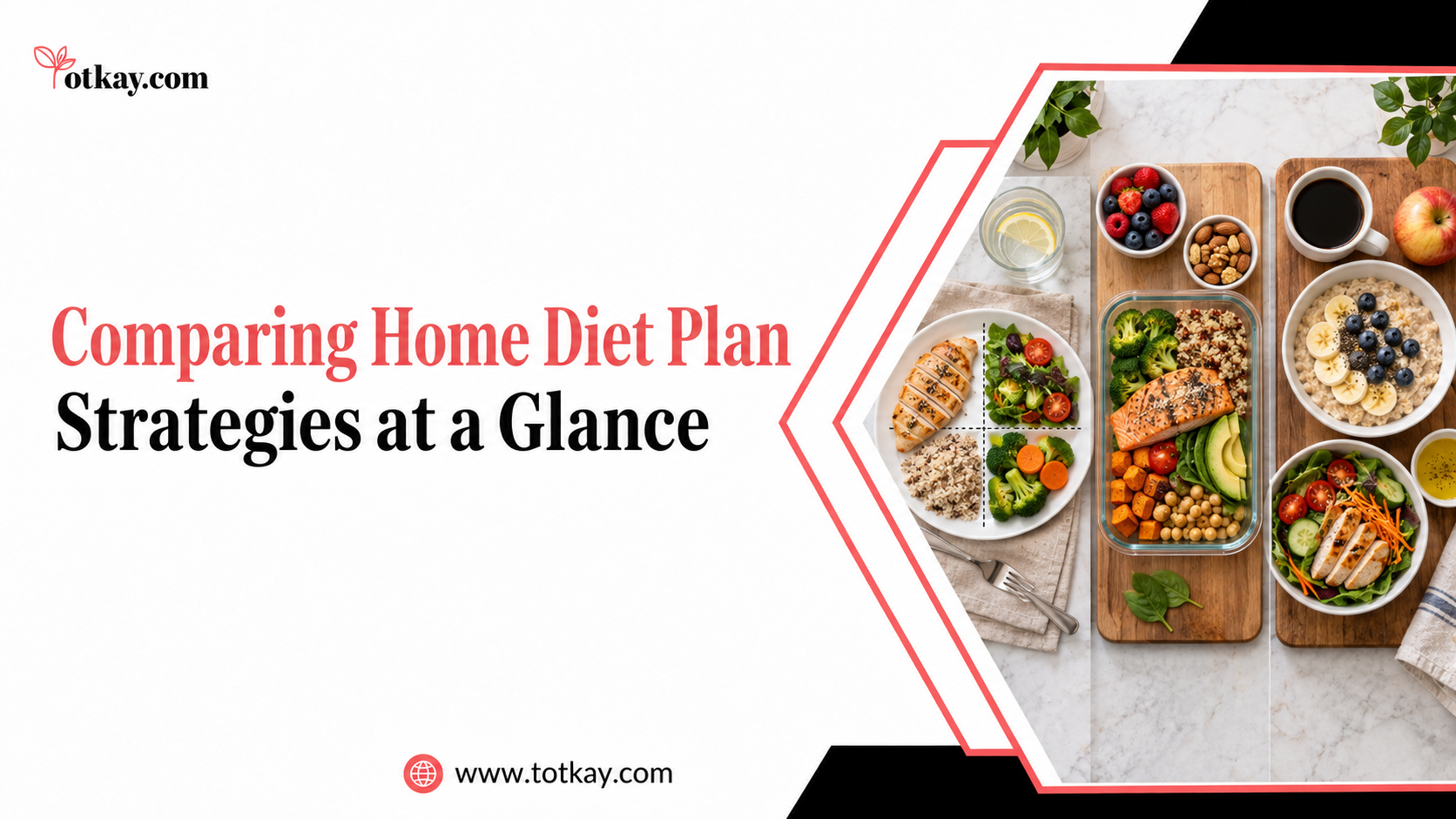
Comparing Home Diet Plan Strategies at a Glance
|
Strategy |
What To Do |
Time Needed |
Key Benefit |
Who Should Be Cautious |
|
Micro-dosing spices |
Add cinnamon or turmeric daily to meals |
1 minute per meal |
Stabilizes blood sugar, lowers inflammation |
People on blood sugar or blood pressure medication |
|
Component batch prep |
Cook grains, dal, and protein in bulk |
60–90 minutes weekly |
Reduces weeknight stress, prevents processed foods |
Those with very limited fridge or storage space |
|
Smaller plate psychology |
Serve meals on a 9-inch plate |
No extra time |
Reduces portion sizes without counting calories |
Growing children who need larger portions |
|
3-day audit |
Track all food and drink for 3 days |
5 minutes daily |
Reveals hidden calories and nutrient deficiencies |
People with a history of disordered eating |
|
Pairing with movement |
Add resistance training and walking |
20–30 minutes daily |
Protects muscle mass, boosts metabolic health |
Anyone with joint issues or heart disease, without medical clearance |
Best Practices: What a Balanced Day Actually Looks Like
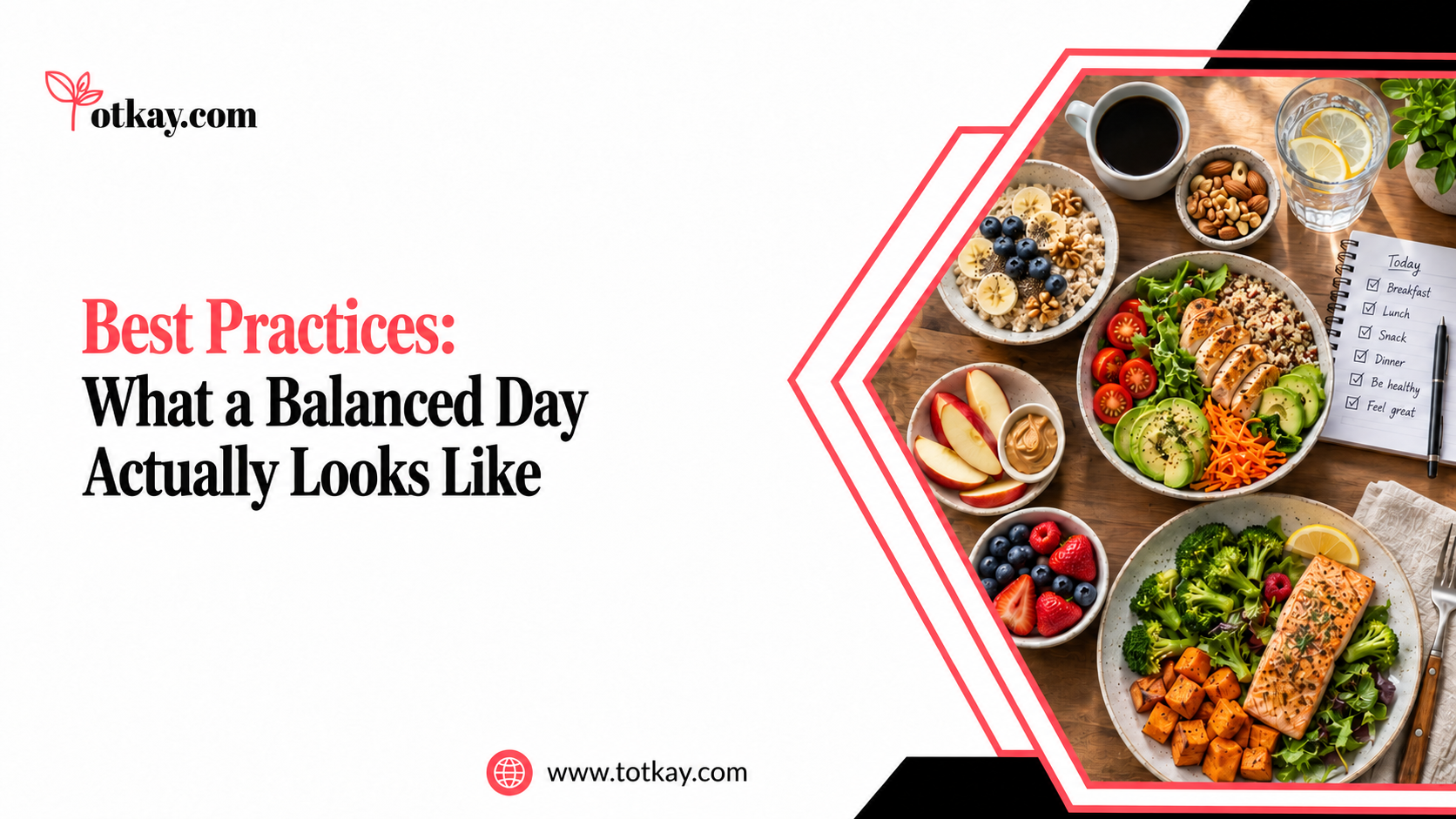
Here is what covering every food group looks like across one realistic day, using ingredients common in Indian kitchens.
- Breakfast: Scrambled eggs or moong dal chilla with whole grain toast and a piece of vitamin C-rich fruit like orange or guava.
- Lunch: One cup of brown rice or two rotis, lentil soup or dal, cooked vegetables, and a small portion of curd.
- Snack: A handful of nuts or roasted chana, paired with green tea instead of a sugary drink.
- Dinner: Vegetable soup or a light sabzi, grilled paneer or lean meats, and a side salad.
This structure keeps calorie intake steady across the day, so you are less likely to overeat at night from built-up hunger.
Common Mistakes to Avoid
Even well-intentioned home diet plans fail on a few recurring mistakes. Naming them makes them easier to catch.
- Treating one meal as “free”: Occasional treats are fine, but calling entire meals off-limits from tracking hides real calorie intake patterns.
- Ignoring protein at breakfast: Skipping protein in the morning increases hunger and snacking later in the day.
- Copying someone else’s diet plan exactly: Your food preferences, activity level, and health conditions differ from anyone else’s, so a plan built for a friend rarely fits you.
- Chasing rapid results: Extreme calorie cuts trigger muscle loss and are difficult to sustain, unlike gradual, healthy weight loss.
When to Seek Professional Guidance
Home diet plans work well for most people pursuing weight management or trying to prevent chronic diseases. They are not a complete substitute for medical care in every situation.
Speak with a registered dietitian if you have diabetes, heart disease, high blood pressure, a history of an eating disorder, or nutrient deficiencies that have not improved with dietary changes. This article does not replace medical advice from a qualified health professional, and personalized guidance matters most when an existing condition is involved.
Conclusion:
Home diet plans put you in charge of your balanced nutrition, your portions, and your habits, instead of handing that control to a rigid outside program. Small, repeatable choices, cinnamon in your oatmeal, batch-prepped dal, a smaller dinner plate, add up to real healthy weight loss over time.
Skip the next fad diets trend and build a weight loss diet around food groups, portion control, and movement that fit your actual life. For more practical guides on nutrition and healthy lifestyle habits, explore our Diet Plans and Weight Loss sections on Totkay.
Frequently Asked Questions
How do I start a home diet plan?
Start by stocking your kitchen with lean protein, whole grains, healthy fats, and vegetables, then batch-prep components once a week. A basic home diet plan needs a simple structure: half your plate as vegetables and fruits, one quarter as protein, and one quarter as whole grains like brown rice or roti, adjusted to your own food preferences.
What is the 3-3-3 rule for eating?
The 3-3-3 rule generally means eating three meals a day, spacing them roughly three hours apart, and stopping eating three hours before bedtime. It is a simple guideline for reducing missing meals and late-night snacking, not a strict medical rule, and it works best alongside a properly balanced diet chart.
Can I lose 5kg or 10kg in one week safely?
No. Rapid weight loss of this scale is not medically recommended and is often water weight rather than fat loss. A safe, sustainable rate is roughly 0.5 to 1 kg per week through a moderate calorie deficit, consistent portion control, and regular physical activity.
How is a home diet plan different from the Mayo Clinic diet?
The Mayo Clinic diet is a structured program built around a food pyramid of vegetables, fruits, whole grains, and lean protein. A home diet plan borrows the same principles but lets you choose specific dishes, like dal, sabzi, or paneer, that match your own dietary preferences and budget.
How many calories should I cut for weight loss?
Most nutrition guidelines suggest a deficit of 500 to 750 calories per day for gradual, sustainable weight loss, roughly 0.5 to 1 kg per week. Cutting far below this range risks nutrient deficiencies and muscle loss, so check with a registered dietitian before following an aggressive calorie deficit.

Hi, I’m a dedicated writer at Totkay.com, passionate about sharing practical tips and solutions to make your life easier. Explore my articles for helpful insights and valuable advice. Stay connected for more expert content!