
Grade 2 Hemorrhoids: Causes & Remedies
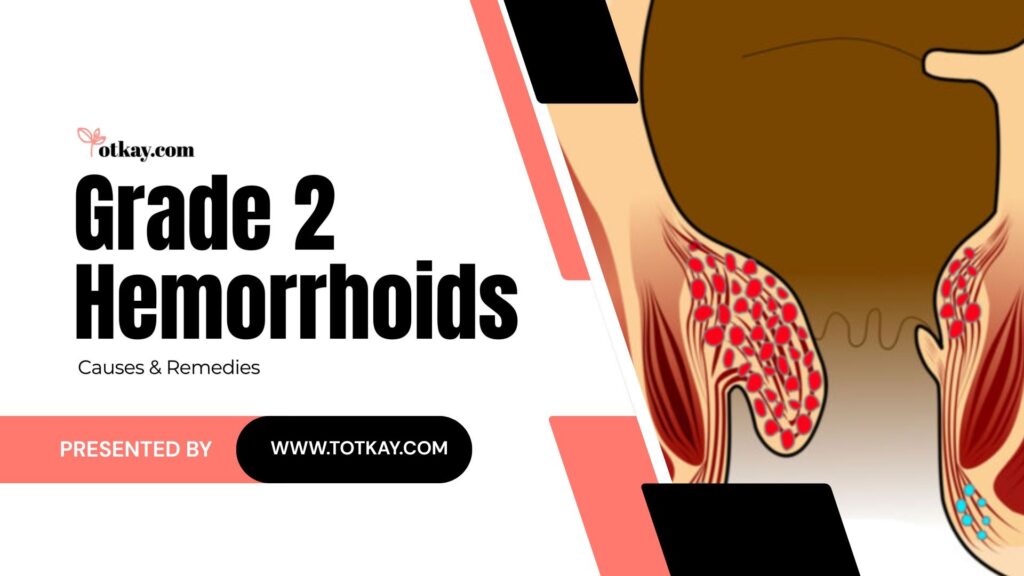
Grade 2 hemorrhoids are a moderate form of internal piles where swollen veins prolapse, or push out, during bowel movements but retract on their own afterward. Symptoms often include moderate bleeding, mucus discharge, itching, and the noticeable sensation of a prolapsed hemorrhoid.
The main causes are chronic constipation, straining during bowel movements, and prolonged periods of sitting. Unlike milder cases, this stage requires consistent care, such as dietary changes and improved bowel habits, to manage symptoms effectively.
What Do Grade 2 Hemorrhoids Actually Feel Like?
Most people do not understand piles medically. They experience them physically through daily discomfort. The symptoms create immediate alarm because patients suddenly feel physical changes during their bathroom routines.
You might notice unusual sensations that disrupt your normal day. These physical signs require careful attention to understand the exact severity.
- You feel something “coming out” during a bowel movement.
- You experience slight panic due to unexpected bleeding.
- You notice ongoing discomfort after sitting for long periods.
What Causes Grade 2 Hemorrhoids (Beyond Just Constipation)
It is not just constipation that creates this problem. The condition develops from repeated pressure patterns that stress the lower body over time.
Chronic Constipation Cycle
A hard stool forces you to strain during bowel movements. This straining stool forces the anal veins to swell under immense pressure. The cycle repeats daily, weakening the vein walls until they begin to prolapse.
Incorrect Toilet Habits
Modern toilet habits contribute heavily to varicose veins. Sitting on the toilet for extended periods creates unnatural gravity and pressure on your rectum. Using a mobile phone on the toilet often distracts you, leading to unnecessary straining and prolonged sitting times.
Weak Digestive Routine
Your body thrives on a predictable digestive schedule. Irregular eating times confuse your digestive system and slow down waste processing. A diet with low fiber intake creates hard, dry stools that require dangerous amounts of force to pass.
Pressure Build-Up in Lower Body
Certain physical conditions place constant weight on the pelvic region. Obesity adds continuous downward pressure on the rectal veins. Pregnancy forces extra weight onto the pelvic floor, while heavy lifting creates sudden, intense spikes of internal pressure.
Complete Symptoms of Grade 2 Hemorrhoids
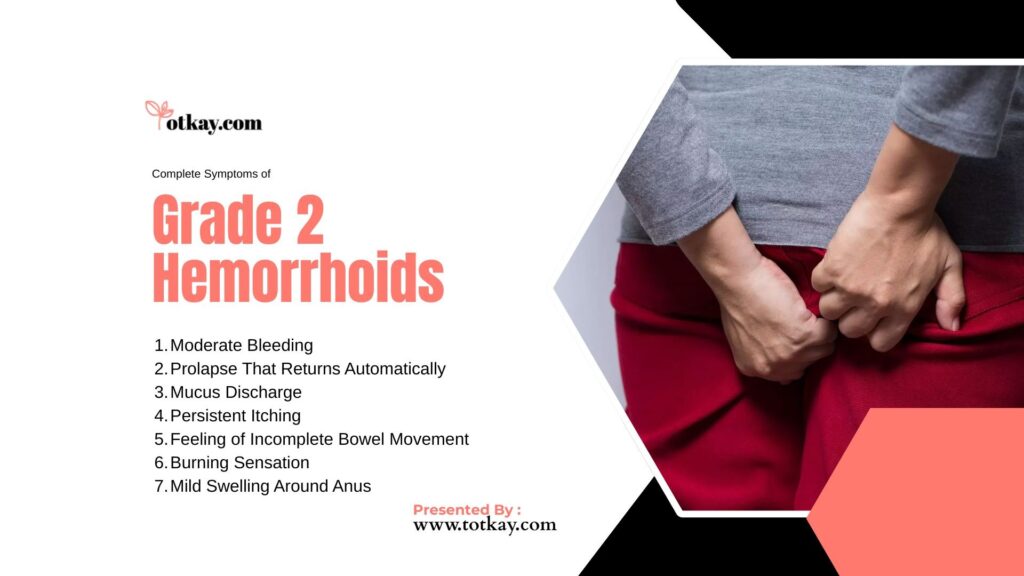
Symptoms are more than just bleeding and pain. The physical indicators of this condition follow a specific pattern that separates it from other digestive issues.
Moderate Bleeding
You will often see bright red blood in the toilet bowl. This bleeding typically appears during or immediately after passing stool.
Prolapse That Returns Automatically
A visible lump emerges from the anus during a bowel movement. Once the pressure is released, this lump automatically retracts back inside the body without manual pushing.
Mucus Discharge
The inflamed veins produce a sticky fluid. This mucus leaks out and causes constant irritation around the anal area.
Persistent Itching
The combination of swelling and mucus creates a severe itching sensation. This itching usually worsens at night or after you sit for hours at a desk.
Feeling of Incomplete Bowel Movement
The swollen internal veins trick your brain into feeling full. You will experience a constant urge to go to the bathroom again, even when your rectum is empty.
Burning Sensation
Inflamed tissue becomes highly sensitive to friction and waste. You will feel a sharp burning sensation, especially right after passing stool.
Mild Swelling Around Anus
The external area responds to the internal inflammation. You will notice mild but distinct swelling around the anal opening that makes wiping uncomfortable.
Daily Habits That Quietly Make It Worse
Many people unknowingly worsen their condition every day through simple routines. Small behavioral choices compound over time to irritate the swollen veins. You must identify these harmful habits to stop the daily damage. Eliminating these actions is just as important as starting new treatments.
- Ignoring the urge: Holding in a bowel movement allows stool to harden, requiring more straining later, which puts direct pressure on the veins.
- Aggressive wiping: Using dry toilet paper and wiping with excessive force can chafe the already sensitive skin, increasing irritation and inflammation.
- Prolonged sitting on hard surfaces: This puts sustained pressure on the anal area, restricting blood flow and worsening swelling.
- Dehydration: Insufficient water intake leads to harder, drier stools that are difficult to pass, causing strain.
- Low-fiber diet: Processed foods lack the natural fiber needed to soften stool, leading to constipation and increased pressure during bowel movements.
Powerful Home Remedies For Piles

Consistency matters more than intensity when applying remedies. You need reliable routines that gently reduce swelling and improve digestion.
Fiber Loading Strategy (Not Just “Eat Fiber”)
You must add fiber gradually to avoid bloating and gas. Combine soluble fiber like oats with insoluble fiber like leafy greens to create soft, bulky stools that pass effortlessly.
Smart Hydration Routine
Water is the ultimate stool softener. Drink water at fixed intervals throughout the day, and start a morning habit of drinking warm water to stimulate your digestive tract.
Sitz Bath Therapy (Correct Way)
Fill a shallow basin with warm, not hot, water. Soak the affected area for 10 to 15 minutes, repeating this process two to three times daily to relax the sphincter muscle.
Toilet Posture Correction
Change the angle of your body to reduce rectal pressure. Use a foot elevation stool to achieve a natural squat position, and strictly avoid long sitting sessions on the toilet.
Natural Soothing Agents
Topical applications provide immediate surface relief. Apply pure aloe vera gel or cold-pressed coconut oil to the external area to reduce burning and soothe the irritated skin.
Movement-Based Relief
Physical activity stimulates natural bowel contractions. Engage in light walking after meals and actively avoid sitting completely still for long periods of the day.
When Home Remedies Are Not Enough
Some cases require additional support beyond home care. Your body will give you clear signals when conservative management fails.
While home remedies are effective for many, it’s crucial to recognize when they aren’t providing enough relief. Ignoring persistent symptoms can lead to more significant complications.
Pay close attention to your body’s signals, as they will indicate when it’s time to consult a healthcare professional for a more advanced treatment plan.
Persistent Bleeding
A small amount of blood can be normal, but ongoing or heavy bleeding is a sign that the veins are significantly irritated and not healing properly. This warrants a professional evaluation to rule out more serious issues and determine the best course of action.
- When to worry: If you notice blood consistently after every bowel movement or see a significant amount in the toilet bowl.
- What to do: Schedule an appointment with your doctor promptly to discuss the bleeding and your symptoms.
Frequent Prolapse Episodes
A prolapsed hemorrhoid has slipped down and protrudes from the anus. If this happens more often, it indicates that the condition is advancing and the supporting tissues are weakening.
No Improvement After 2 Weeks
Home remedies are meant to provide noticeable relief within a reasonable timeframe. If your symptoms haven’t improved after two weeks of consistent self-care, it’s a clear sign that your current approach isn’t working.
- Check your progress: If pain, swelling, and discomfort remain unchanged after 14 days, don’t just wait for it to get better on its own.
- Action required: It’s time to have a doctor review your treatment plan and recommend more effective medical options.
Medical Treatment Options (Non-Surgical Focus)
Grade 2 rarely needs surgery. Modern medicine offers highly effective outpatient procedures that shrink the veins with minimal downtime.
Rubber Band Ligation
A doctor places a tight rubber band at the base of the hemorrhoid. This cuts the blood supply, causing the swollen tissue to wither and fall off within a week.
Injection Therapy (Sclerotherapy)
The doctor injects a special chemical solution directly into the blood vessel. This medication shrinks the veins and hardens the tissue to prevent future prolapse.
Prescription Medications
Medical professionals prescribe high-strength topical creams and suppositories. These targeted medications rapidly reduce inflammation and numb the sharp pain associated with bowel movements.
How to Stop Grade 2 Hemorrhoids from Coming Back
Recurrence is common without a permanent lifestyle change. You must adopt sustainable habits that protect your lower digestive tract from future stress.
Build a Fixed Bowel Routine
Train your body to follow a reliable schedule. Visit the bathroom at the same time daily, preferably after your morning meal, to establish a natural rhythm.
Eat for Digestion, Not Just Taste
Prioritize foods that support gut motility. Maintain a balanced fiber intake at every meal to ensure your stool never becomes hard enough to cause damage.
Stay Physically Active
Regular exercise keeps blood flowing smoothly through the pelvic region. Daily movement reduces the pressure buildup that directly causes vein swelling.
Avoid Strain Triggers
Protect your lower body from sudden bursts of extreme pressure. Avoid heavy lifting at the gym or at work, and break up long sitting periods by standing every hour.
Conclusion
Overcoming Grade 2 Hemorrhoids requires discipline and a clear understanding of your body. You do not have to live with the fear of pain during every bathroom visit. By eliminating straining stool and addressing underlying constipation issues, you allow the swollen veins the necessary time to heal and shrink.
Consistent hydration, proper toilet posture, and strategic fiber intake form the foundation of effective internal piles treatment. Start applying these home remedies immediately, and do not hesitate to consult a medical professional if your symptoms refuse to improve.
Take proactive steps today to restore your comfort and secure your long-term digestive health. For more valuable information on piles and other health-related guides, visit totkay.com.
Frequently Asked Questions
What are Grade 2 hemorrhoids?
Grade 2 hemorrhoids are internal piles that temporarily prolapse during bowel movements but return inside automatically. They cause moderate symptoms like bleeding, itching, and discomfort but are usually treatable without surgery.
What makes Grade 2 hemorrhoids different from mild piles?
Unlike mild piles, Grade 2 hemorrhoids involve visible prolapse during bowel movements along with additional symptoms like mucus discharge, irritation, and a feeling of incomplete bowel emptying.
Can Grade 2 hemorrhoids heal without surgery?
Yes, most Grade 2 hemorrhoids can heal with proper diet, hydration, improved bowel habits, and home remedies. Medical procedures are only needed if symptoms persist or worsen.
How long does it take to recover from Grade 2 hemorrhoids?
Recovery usually takes a few days to a few weeks depending on lifestyle changes and consistency of treatment. Ignoring symptoms can delay healing and worsen the condition.
What is the fastest way to relieve Grade 2 hemorrhoids?
The fastest relief comes from combining sitz baths, increased fiber intake, proper hydration, and avoiding straining, along with using soothing topical treatments for symptom control.

Hi, I’m a dedicated writer at Totkay.com, passionate about sharing practical tips and solutions to make your life easier. Explore my articles for helpful insights and valuable advice. Stay connected for more expert content!
Related posts:
 Severe Period Pain on First-Day Home Remedies
 Improve Endurance Naturally: 10 Proven Ways to Go Further
 Natural Carb Blockers: 10 Pantry Hacks to Stop Weight Gain
 High Blood Pressure Remedy: 10 Tips for 2026
 Nature’s Chill Pill: 10 Herbal Stress Relief Tips (2026)
 What Causes Piles in Men? Expert Guide and Prevention Tips