
Non-Bleeding Hemorrhoids: Causes & Remedies
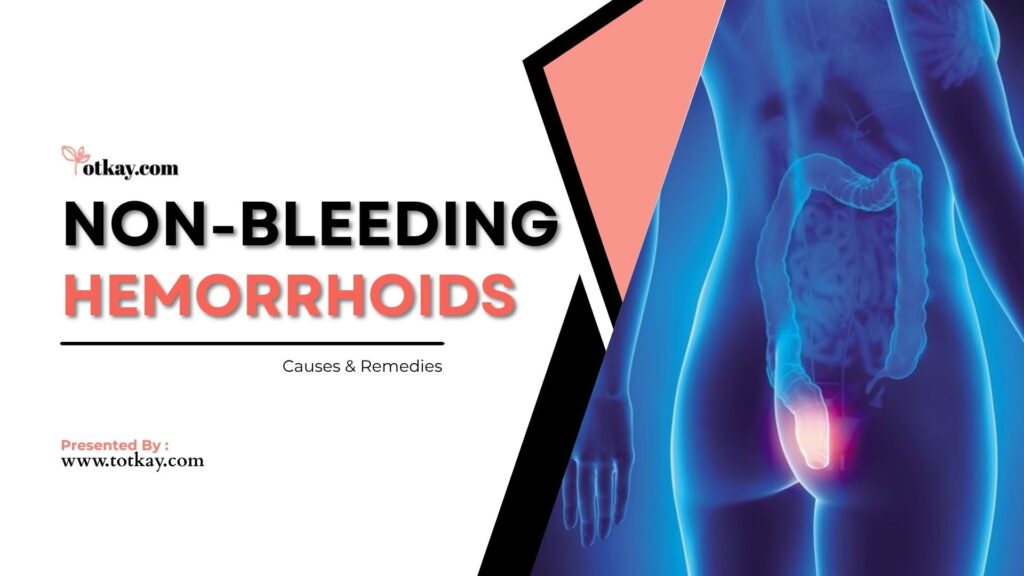
Non-bleeding hemorrhoids represent swollen veins in the anus, issues that cause discomfort, itching, or lumps without visible blood. This condition typically indicates that the veins are enlarged but do not have a surface rupture. You will often see this presentation in external hemorrhoids or early-stage internal cases.
While many people view bleeding as a key symptom, its absence does not mean the condition is harmless or resolved. Proper management through pressure reduction, bowel regulation, and targeted care is essential. Treating these painless piles early prevents them from progressing into severe and complicated medical problems.
Why Some Hemorrhoids Do NOT Bleed?
Bleeding is not a mandatory symptom of this condition. The presence of blood depends entirely on the specific level of vein damage.
Intact vs Ruptured Veins
Many people confuse the symptoms of different rectal issues. You must understand the physical state of the vein itself to find true relief.
- Swollen veins remain completely unbroken and contain the blood securely inside.
- Bleeding veins have suffered a physical rupture or surface tear from external friction.
Location Matters More Than Severity
The position of the swollen vein dictates the exact symptoms you experience. Human anatomy plays a major role in determining whether blood appears.
- External hemorrhoids sit under thicker skin and rarely break open under normal conditions.
- Internal hemorrhoids rest on delicate mucosal tissue and tear very easily during digestion.
Pressure Without Injury
High blood pressure causes veins to expand drastically. However, expansion alone does not guarantee a structural rupture.
- Veins stretch outward without tearing the protective surface layer of the skin.
- The stretching mechanism causes localized pain or swelling instead of active blood loss.
What Non-Bleeding Hemorrhoids Indicate About Your Condition
This specific issue acts as a critical signal rather than a simple symptom. Your body is providing a clear warning about your current pelvic health.
Early-Stage Internal Hemorrhoids
Internal swelling often begins silently before any blood visually appears. Recognizing this early stage allows for rapid and complete correction.
- You might feel a sensation of mild swelling, pressure, or fullness within the rectum, especially right after a bowel movement.
- This stage is often painless as there are fewer nerve endings inside the anal canal, so visual confirmation during a check-up is key.
- Discomfort at this phase is highly reversible with simple lifestyle changes like increasing fiber and water intake or avoiding straining.
External Hemorrhoids (Most Common Case)
Most non-bleeding cases involve veins located completely outside the anal canal. These veins become irritated quickly due to external friction from clothing.
- A visible or palpable lump that is highly sensitive to touch often forms near the anal opening.
- The primary symptoms are localized irritation, itching, and discomfort rather than severe pain or bleeding.
- This pile type is easily aggravated by external factors like rough toilet paper, prolonged sitting, or tight clothing.
Low-Grade Chronic Pressure
Ongoing daily strain creates a continuous problem for your lower body. The veins endure this pressure without immediately giving way.
- Activities like daily heavy lifting, chronic coughing, or prolonged standing can keep the pelvic veins constantly engorged without causing a rupture.
- The pressure remains steady but stays just below the threshold that would cause the vein to tear and bleed.
- This consistent strain can weaken vein walls over time, making them more susceptible to future swelling and irritation, even without a rupture.
Beyond the Obvious: Decoding Hemorrhoid Symptom Patterns
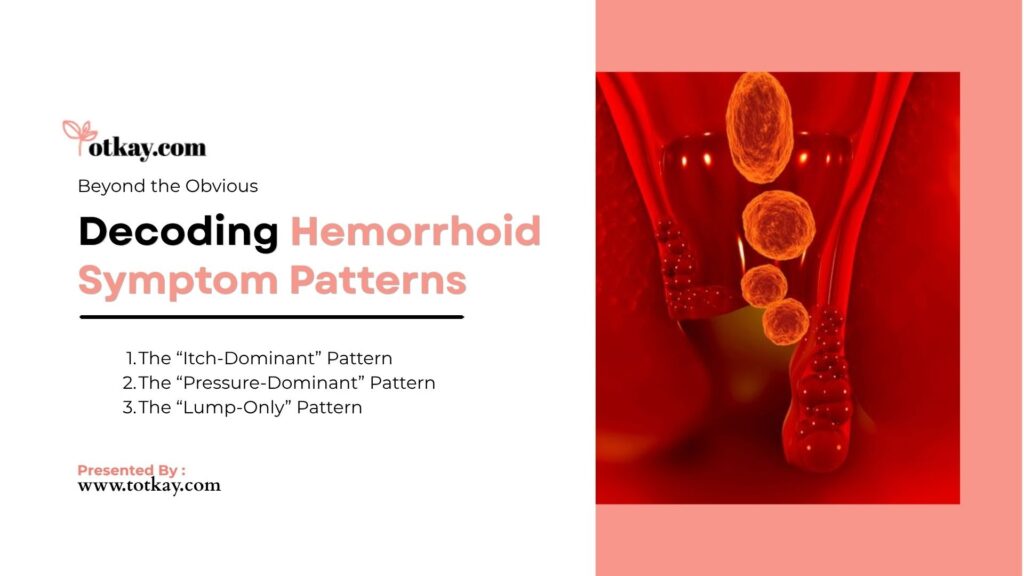
Instead of memorizing random symptoms, you should understand how they behave. Recognizing these patterns leads to better and faster treatment choices.
The “Itch-Dominant” Pattern
Some cases primarily trigger sensory nerves around the outer skin. This specific pattern heavily disrupts daily focus and physical comfort.
- You feel constant irritation or a severe burning sensation throughout the day.
- The discomfort noticeably peaks right after you finish a bowel movement.
The “Pressure-Dominant” Pattern
Internal swelling often creates a phantom sensation of fullness. This pattern makes sitting for long periods highly uncomfortable and distracting.
- You experience a dull heaviness deep in the lower pelvic region.
- The feeling persists even when you use highly cushioned seating arrangements.
The “Lump-Only” Pattern
Sometimes a physical mass appears without triggering any nerve pain. This pattern often causes unnecessary panic for unsuspecting patients.
- You discover a soft, localized swelling during your normal hygiene routines.
- The lump produces absolutely no pain or active discomfort upon light touch.
The Hidden Daily Habits Causing Anal Swelling
Constipation takes most of the blame for anal swelling. However, several hidden triggers quietly worsen the condition every single day.
Silent Straining Habits
Modern bathroom habits significantly increase pelvic floor strain. People unknowingly put massive pressure on their lower bodies through bad routines.
- Sitting on the toilet for more than five minutes forces blood into the rectal area.
- Using smartphones distracts you and prolongs this highly harmful sitting position.
Micro-Constipation (Daily but Incomplete Bowel)
You might pass stools daily but still fail to empty the bowels completely. This creates a hidden form of chronic strain that builds over time.
- You do not experience severe constipation, but you strain slightly every morning.
- The leftover stool creates constant, low-grade pressure on the lower rectum.
Poor Posture During Defecation
Standard Western toilets do not align with natural human anatomy. This unnatural angle forces you to work harder during bowel movements.
- Sitting straight at a 90-degree angle pinches the rectal canal shut completely.
- Failing to elevate your feet forces the abdominal muscles to overcompensate aggressively.
Heat + Sweat Irritation
Moisture and heat create a hostile environment for sensitive skin. This combination rapidly worsens existing external swelling and delays natural healing.
- Tight clothing traps sweat and prevents proper air circulation around the body.
- The accumulated moisture worsens external itching and degrades the protective skin barrier.
Treatment Strategy Based on Type
The treatment approach for hemorrhoids depends heavily on the specific type you’re dealing with. Applying the wrong remedy, such as using an internal solution for External Non-Bleeding Hemorrhoids, will likely yield zero positive results.
For External Non-Bleeding Hemorrhoids
External swelling requires immediate topical soothing. Your main goal is to reduce surface inflammation and protect the vulnerable skin.
- Apply a cold compress for ten minutes to shrink the swollen external tissues.
- Maintain strict hygiene focus to prevent bacteria from worsening the severe irritation.
For Early Internal Hemorrhoids
Internal issues demand internal solutions strictly related to digestion. You must eliminate the friction caused by passing hard, dense stools.
- Increase soluble fiber intake alongside heavy and consistent daily water consumption.
- Correct your bowel habits to ensure smooth, completely effortless bathroom visits.
For Chronic Non-Bleeding Cases
Long-term issues require fundamental changes to your daily physical routine. Quick fixes fail when dealing with chronic pelvic pressure.
- Implement long-term lifestyle corrections like daily cardiovascular exercise.
- Focus on continuous pressure reduction by taking frequent standing breaks from work.
When Non-Bleeding Hemorrhoids Turn Risky
The absence of blood does not eliminate all medical risks. Certain symptoms indicate that the situation has escalated significantly.
Sudden Hard Lump (Possible Clot)
When Non-Bleeding Hemorrhoids cause blood to pool and clot inside a swollen external vein, it leads to a condition known as a thrombosed hemorrhoid. This creates a distinct physical change that requires immediate medical attention.
- The once soft swelling transforms into a hard, often purplish, marble-like lump, sometimes appearing overnight.
- This thrombosis generates severe, constant, and localized pain that is noticeably worse than previous discomfort.
- The area may feel warm to the touch, and the lump will be extremely tender, making sitting or any direct pressure unbearable.
Pain Without Bleeding
Standard hemorrhoids rarely cause agonizing pain unless complications arise. Sharp or severe pain, even without bleeding, acts as a major warning sign.
- You might feel sharp, stabbing sensations during normal movements like walking, bending, or even just shifting your weight while sitting.
- The severe pain can become debilitating, restricting your ability to walk, sit, or perform daily activities comfortably.
- This level of pain may indicate a thrombosed hemorrhoid or another serious condition like an anal fissure or abscess, which needs a professional diagnosis.
Symptoms Not Improving
Conservative home treatments should show visible results, like reduced swelling and discomfort, within a week. Stagnant or worsening symptoms suggest a more complex underlying issue.
- The swelling persists completely and shows no signs of shrinking despite strict adherence to a high-fiber diet, increased water intake, and excellent hygiene habits.
- The daily discomfort, instead of decreasing, slowly intensifies over a one to two-week period.
- Over-the-counter creams or sitz baths provide little to no relief, indicating that the problem may be more severe than a simple case of hemorrhoids.
Misdiagnosis Risk
Many people incorrectly assume any anal lump or itch equals piles. Misidentifying the root issue leads to prolonged suffering and incorrect treatments.
Skin Tags vs Hemorrhoids
Old, healed flare-ups leave behind physical remnants on the body. These remnants require entirely different management techniques.
- Skin tags feel like loose, empty flaps of extra external skin.
- They do not respond to specialized creams or cold compresses.
Fungal Infection vs Itching Piles
The warm environment easily harbors microscopic fungal growth. Fungal infections mimic standard symptoms almost perfectly.
- Fungal issues cause widespread itching that completely ignores topical pile treatments.
- The skin often looks highly flaky or extremely red across a larger surface area.
Anal Fissure Without Bleeding
Small tears in the anal lining often occur without producing visible blood. These specific tears cause intense muscle spasms and sharp pain.
- A fissure feels like passing sharp glass during a standard bowel movement.
- The sharp pain lingers for several hours after you leave the bathroom.
Final Thoughts
People often ignore non-bleeding hemorrhoids because the condition seems mild and highly manageable. In reality, these issues represent an early or different form of the condition that absolutely still requires attention.
Managing physical pressure, improving bowel habits, and utilizing conservative treatment piles strategies early will stop the progression completely. You must address this irritation quickly to prevent the development of painful complications involving your swollen venous networks.
By acting proactively, you can eliminate painful piles before they disrupt your life. For more information on types, stages, symptoms, treatment, diet, and exercise, visit our website.
Frequently Asked Questions
Can hemorrhoids exist without bleeding?
Yes, in many cases, especially external ones, they do not bleed. They cause symptoms like itching, swelling, or discomfort without producing any visible blood.
Why do my hemorrhoids itch but not bleed?
Itching occurs due to severe irritation and inflammation of the skin around the anus. Bleeding only happens if the vein surface takes physical damage, which does not always occur.
Are non-bleeding hemorrhoids easier to treat?
Yes, they are usually much easier to manage because they often sit in early stages or external forms. With proper care, they improve quickly without requiring invasive medical procedures.
Can non-bleeding hemorrhoids become bleeding later?
Yes, if physical pressure continues or the veins take further damage, non-bleeding cases can easily progress into bleeding issues over time.
How do I know if it’s hemorrhoids or something else?
If your symptoms include itching, swelling, or a soft lump, it may be this condition. However, you should have a doctor evaluate any persistent discomfort or highly unusual symptoms.

Hi, I’m a dedicated writer at Totkay.com, passionate about sharing practical tips and solutions to make your life easier. Explore my articles for helpful insights and valuable advice. Stay connected for more expert content!
Related posts:
 Severe Period Pain on First-Day Home Remedies
 Improve Endurance Naturally: 10 Proven Ways to Go Further
 Natural Carb Blockers: 10 Pantry Hacks to Stop Weight Gain
 Nature’s Chill Pill: 10 Herbal Stress Relief Tips (2026)
 What Causes Piles in Men? Expert Guide and Prevention Tips
 Pregnancy Hemorrhoids: Safe Relief and Natural Care