
H. pylori Natural Remedy: Desi Totkay for Stomach Health & Digestive Support
Looking for an H. pylori natural remedy? You can support your stomach health using traditional helicobacter pylori totkay alongside proper medical treatment. Foods like H pylori broccoli sprouts, H pylori manuka honey, and H pylori kalonji offer natural ways to soothe stomach irritation.
These remedies do not replace antibiotics but help manage burning pain, bloating, and discomfort while promoting digestive balance.
Understanding H. Pylori and Why It Affects Digestive Health
Understanding the root cause of your stomach pain helps you make better decisions about your health. Many individuals suffer for years because they only treat the symptoms instead of addressing the underlying bacterial infection.
What Is H. Pylori?
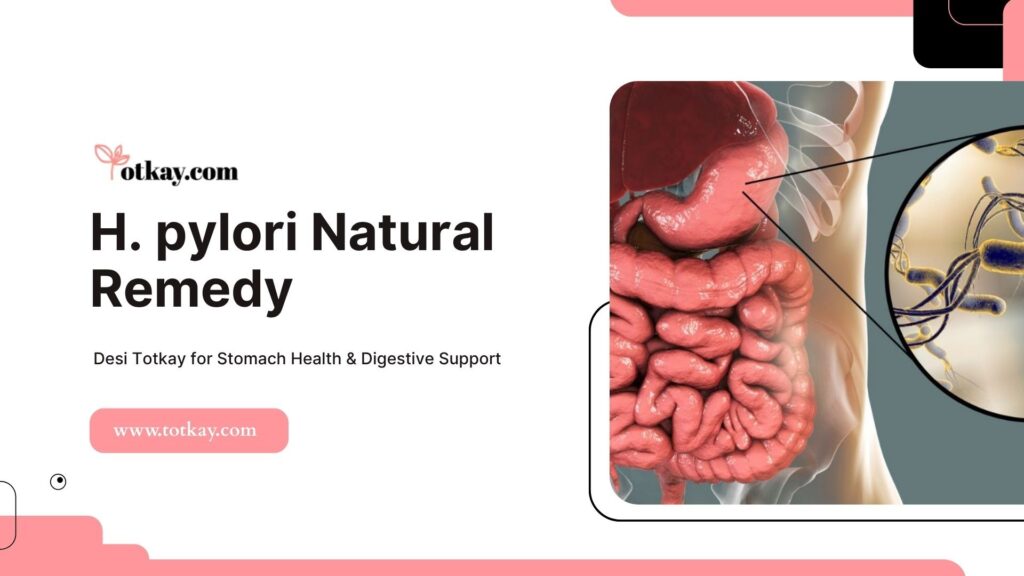
Helicobacter pylori is a spiral-shaped bacterium that grows in the digestive tract and attacks the stomach lining. It survives the harsh, acidic environment of the stomach by neutralizing the acid around it.
This adaptation allows the bacteria to penetrate the protective mucous layer and cause direct damage to the stomach tissue. Traditional helicobacter pylori totkay focus on soothing this damaged tissue and reducing the resulting inflammation.
How H. Pylori Irritates the Stomach
The bacteria create a constant state of inflammation within the stomach lining. Your immune system responds by sending white blood cells to the area, which causes the tissue to become swollen and sensitive.
This ongoing inflammation leads to severe stomach discomfort and disrupts normal digestive processes. You may notice that eating certain foods suddenly causes pain or triggers intense bouts of acid reflux.
Why Early Attention Matters
Ignoring early signs of stomach distress allows the bacterial infection to worsen over time. Chronic inflammation eventually develops into gastritis, which means the stomach lining remains permanently irritated.
If left untreated, the bacteria eat away at the stomach lining until painful ulcers form. Early intervention prevents these severe complications and stops ongoing digestive issues from controlling your life.
The Early Signs Many People Mistake for Ordinary Indigestion
Knowing the specific symptoms of a bacterial infection like H. pylori is the first step toward finding the right treatment. Paying close attention to how your body reacts after meals and during periods of fasting can help you determine if an H. pylori natural remedy is the right approach for you.
Burning or Gnawing Stomach Discomfort
You might feel a sharp, burning pain in your upper abdomen, especially when your stomach is empty. This pain often wakes people up in the middle of the night and temporarily disappears after eating a small meal.
Frequent Bloating After Meals
Bacterial activity in the stomach produces excess gas, which leads to uncomfortable abdominal swelling. You may feel uncomfortably bloated even after eating a very light, simple meal.
Excessive Burping Throughout the Day
The excess gas trapped in your digestive system needs a way out, resulting in frequent and loud burping. This symptom often occurs independently of what you eat or drink.
Feeling Full Quickly While Eating
The inflammation reduces the natural flexibility of your stomach, making it unable to expand properly. You will likely feel completely stuffed after eating only a few bites of food.
Nausea Without an Obvious Cause
A chronically irritated stomach lining frequently triggers feelings of nausea, especially early in the morning. Some individuals may actually vomit if the stomach inflammation becomes severe enough.
What Natural Remedies Can and Cannot Do for H. Pylori
Knowing the limits of natural treatments protects you from dangerous health complications. While an H. pylori natural remedy can provide excellent support, you must use it correctly to see results.
Why Natural Remedies Are Not a Guaranteed Cure
No single ingredient can completely eradicate the bacteria. While a good H. pylori natural remedy can create a healthier digestive environment by reducing inflammation and soothing pain, severe infections require modern antibiotics.
Natural options play a supportive role, helping your stomach recover from damage caused by the bacteria.
How Diet and Lifestyle May Help Stomach Comfort: Key Supportive Steps

Choosing gentle, nutrient-dense foods reduces the daily stress placed on your digestive system. Proper symptom management allows you to sleep better, eat comfortably, and maintain your energy levels during recovery.
Consistent dietary adjustments help rebuild the protective mucous layer over time. This approach ensures your stomach environment remains stable while you undergo targeted medical treatments.
- Eat smaller, more frequent meals: Large meals can stretch an irritated stomach and increase acid pressure, while smaller meals are often easier to digest.
- Choose soft, low-acid foods: Oatmeal, bananas, plain rice, yogurt, soups, and cooked vegetables may feel gentler during active burning, bloating, or nausea.
- Avoid common triggers during flare-ups: Spicy foods, fried meals, citrus, carbonated drinks, strong tea, and coffee may worsen stomach irritation in many people.
- Do not stay hungry for too long: Long gaps between meals can allow acid to build up and make gnawing or burning discomfort feel stronger.
- Support gut balance with probiotics: Plain yogurt or doctor-approved probiotic foods may help restore healthy gut bacteria, especially during or after antibiotic treatment.
- Drink water steadily throughout the day: Small sips of room-temperature water can support digestion without overloading the stomach during meals.
- Use natural support alongside medical care: Diet and lifestyle changes may improve comfort, but confirmed H. pylori usually requires proper testing and doctor-prescribed treatment.
Natural Supportive Foods vs Habits That May Irritate the Stomach
Understanding exactly what to consume and what to avoid accelerates your stomach healing process. Use this comparison table to identify the best choices for your daily routine.
| Supportive Choice | Primary Benefit | Traditional Totkay Use | Potential Risk if Ignored | When to Avoid |
| H pylori broccoli sprouts | Provides sulforaphane to support healing | Consumed raw in salads | Prolonged stomach inflammation | If raw vegetables cause severe gas |
| Yogurt | Adds beneficial probiotics to the gut | Used to cool down digestive heat | Imbalanced gut flora | If you suffer from severe dairy intolerance |
| H pylori manuka honey | Offers natural soothing properties | Mixed with warm water morning | Worsening stomach irritation | If you have uncontrolled diabetes |
| H pylori kalonji | Supports traditional digestive wellness | Chewed slowly after heavy meals | Poor digestive motility | During early stages of pregnancy |
| Hydration | Dilutes excess stomach acid naturally | Drinking plain water frequently | Increased acid burning | Immediately after eating a very large meal |
Natural remedies may support digestive comfort, but persistent symptoms require proper medical evaluation.
Natural Foods Commonly Discussed for H. Pylori Support
Incorporating specific functional foods into your diet provides natural relief for an irritated stomach. These foods offer unique properties that help calm inflammation and support bacterial balance.
Broccoli Sprouts and Stomach Health
Research shows that H pylori broccoli sprouts contain high levels of a compound called sulforaphane. This powerful compound helps reduce stomach inflammation and supports the body in managing bacterial overgrowth.
Adding fresh sprouts to your meals provides a gentle, natural way to support your digestive research journey. You can blend them into smoothies or sprinkle them over warm grain bowls for easy digestion.
Kalonji and Traditional Digestive Wellness
For generations, people have used H pylori kalonji (black seed) to treat various digestive complaints. This powerful seed contains thymoquinone, which provides excellent digestive support and reduces stomach discomfort.
You should consume kalonji in strict moderation, usually just a pinch with water or honey. Traditional medicine practitioners highly recommend this seed for promoting overall gastrointestinal wellness.
Honey and Stomach Comfort
Pure H pylori manuka honey possesses unique properties that coat and soothe an irritated stomach lining. Taking a spoonful of this specific honey helps calm the burning sensation caused by excess acid.
While research interest surrounds honey’s antibacterial properties, you must keep practical expectations regarding its ability to cure infections. It works best as a comforting agent rather than a standalone medical treatment.
Yogurt and Beneficial Gut Bacteria
Plain, unsweetened yogurt delivers active probiotics directly into your digestive system. These beneficial bacteria compete for space in your gut, helping to restore a healthy digestive balance.
Eating yogurt daily provides a cooling effect on an inflamed stomach and improves overall gut support. Ensure you choose yogurt with live active cultures for the maximum health benefit.
Fiber-Rich Foods That Support Digestive Health
A diet rich in soluble fiber helps move food smoothly through your digestive tract. Soft fruits like bananas and cooked vegetables provide essential nutrients without scratching the sensitive stomach lining.
Whole foods ensure your digestive system operates efficiently, preventing food from sitting in the stomach too long. Proper digestion reduces the amount of gas and pressure building up in your abdomen.
Desi Totkay That May Support Stomach Comfort Naturally

While there is no single “H. pylori natural remedy” that works for everyone, South Asian culture offers numerous traditional remedies designed to soothe digestive distress. These gentle approaches integrate easily into your daily routine to support overall stomach comfort.
Kalonji With Balanced Meals
Chewing a few kalonji seeds after a meal helps reduce the bloating that follows heavy digestion. You can also mix a pinch of kalonji powder with water to ease morning stomach cramps.
Honey in Moderation
Mixing a spoonful of pure honey into lukewarm water creates a soothing morning drink. This simple mixture coats the stomach lining before you eat your first meal of the day.
Banana for Gentle Digestive Support
Eating a ripe banana provides instant relief when stomach burning begins. The soft texture and high potassium content help neutralize harsh stomach acids immediately.
Light Yakhni During Digestive Discomfort
When solid food feels too heavy, sipping clear chicken or mutton yakhni provides essential nourishment. This warm broth is incredibly gentle on the stomach and supports hydration.
Saunf Water After Heavy Meals
Boiling fennel seeds (saunf) in water creates a powerful anti-bloating tea. Drinking this warm water after lunch helps relax the digestive muscles and reduces trapped gas.
When H. Pylori Symptoms Require Immediate Medical Attention
While an H. pylori natural remedy can support your healing journey, it cannot treat medical emergencies or severe internal damage. You must prioritize your safety and recognize the warning signs of a dangerous complication.
Seek emergency medical care if you experience:
- Vomiting blood or material that looks like dark coffee grounds.
- Passing black, tarry stools, which indicates internal bleeding.
- Unexplained weight loss without making changes to your diet.
- Severe, sharp stomach pain that prevents you from standing up straight.
- Difficulty swallowing or extreme pain while eating food.
- Persistent symptoms that do not improve after taking prescribed medications.
Final Thoughts
Finding an effective H. pylori natural remedy requires patience, consistency, and a balanced approach. By incorporating traditional helicobacter pylori totkay, such as H pylori kalonji and H pylori broccoli sprouts, you provide your digestive system with gentle, natural support.
Always remember that while H pylori manuka honey soothes irritation, severe cases or a suspected H pylori ulcer require strict medical supervision. Prioritize soft foods, manage your stress, and work closely with your healthcare provider to ensure a complete and safe recovery.
Frequently Asked Questions
Can natural remedies cure H. pylori?
No, an H. pylori natural remedy cannot completely cure the bacterial infection on its own. Natural remedies support stomach comfort and reduce inflammation, but you still require medical antibiotics to eradicate the bacteria completely.
Is kalonji used in traditional H. pylori totkay?
Yes, H pylori kalonji is a very popular ingredient in traditional helicobacter pylori totkay. Practitioners recommend consuming a small pinch of black seeds to aid digestion and reduce stomach bloating naturally.
Why are broccoli sprouts discussed for stomach health?
H pylori broccoli sprouts contain sulforaphane, a powerful compound that helps lower stomach inflammation. Studies show that consuming these sprouts supports a healthier stomach environment while you undergo medical treatment.
Can honey help soothe stomach irritation?
Yes, using H pylori manuka honey coats the sensitive stomach lining and provides temporary relief from burning sensations. You should mix a spoonful in warm water and drink it slowly to ease discomfort.
What foods are easier to eat during stomach discomfort?
Soft, bland foods like oatmeal, bananas, yogurt, and plain white rice feel much easier on an inflamed stomach. These foods digest quickly and do not force the stomach to produce excessive amounts of acid.
When should H. pylori symptoms be evaluated by a doctor?
You must see a doctor if you experience severe abdominal pain, black stools, or if you suspect an H pylori ulcer natural complication. Persistent symptoms require a proper medical diagnosis and targeted antibiotic therapy to prevent permanent stomach damage.

Hi, I’m a dedicated writer at Totkay.com, passionate about sharing practical tips and solutions to make your life easier. Explore my articles for helpful insights and valuable advice. Stay connected for more expert content!
Related posts:
 Severe Period Pain on First-Day Home Remedies
 Improve Endurance Naturally: 10 Proven Ways to Go Further
 Natural Carb Blockers: 10 Pantry Hacks to Stop Weight Gain
 Nature’s Chill Pill: 10 Herbal Stress Relief Tips (2026)
 What Causes Piles in Men? Expert Guide and Prevention Tips
 Pregnancy Hemorrhoids: Safe Relief and Natural Care