
Food Poisoning Home Remedy: Quick Totkay for Fast Recovery
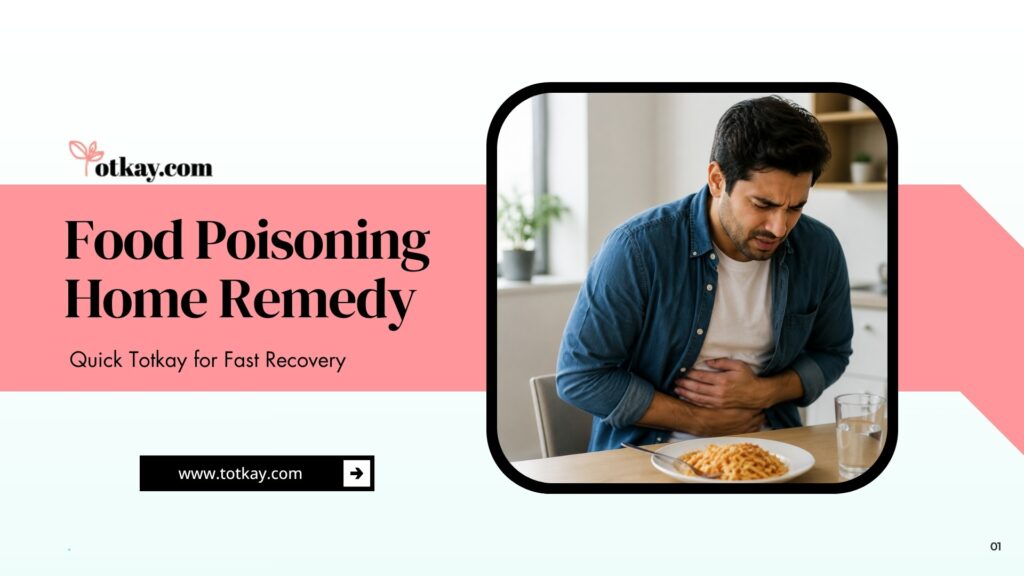
A safe food poisoning home remedy focuses on ORS food poisoning support, small sips of water, rest, and bland foods after vomiting settles. In food poisoning totkay Pakistan, people often use rice water food poisoning support, light khichdi, banana, or yakhni, but these help hydration and comfort only.
They do not kill germs instantly. Avoid using activated charcoal food poisoning remedies at home unless a doctor or poison control expert advises it. Severe symptoms need medical attention.
What Causes Food Poisoning and Why Recovery Matters
Food poisoning hits hard and fast. It can cause vomiting, diarrhea, nausea, stomach cramps, fever, and weakness after you eat contaminated food or drink unsafe water. Most mild cases improve with rest and fluids, but dehydration can turn dangerous if you ignore it.
In Pakistan and India, food poisoning often follows common daily habits. The right food poisoning home remedy can ease your symptoms, but you must know the limits of home care.
Understanding the usual triggers helps you act faster and avoid repeat episodes. These are the most common causes people face at home:
- Street food: Open carts and uncovered food attract bacteria and flies.
- Spoiled or stale food: Old curry or rice left at room temperature grows germs quickly.
- Unsafe dairy: Loose milk or old yogurt may carry harmful bacteria.
- Contaminated water: Dirty water spreads many gut infections.
The first goal of any recovery plan stays simple. You must replace lost fluids and salts. ORS food poisoning support works safer than most random totkay. When symptoms turn severe, a doctor must take over.
What Is Food Poisoning?
Food poisoning is an illness you get after eating or drinking something contaminated. The trouble starts in your stomach and intestines, which leads to vomiting and diarrhea.
Several agents can spoil your food or water. Each one affects your gut in a different way.
Knowing what contaminates food helps you understand why symptoms vary. The main culprits include:
- Bacteria: Salmonella, E. coli, and Staphylococcus often grow in poorly stored food.
- Viruses: Norovirus and rotavirus spread fast through unsafe water and hands.
- Parasites: These thrive in contaminated water and undercooked meat.
- Toxins: Some bacteria release poisons that trigger sudden, severe symptoms.
Common Symptoms of Food Poisoning
Spotting symptoms early helps you start fluids before dehydration sets in. Watch for these warning signs:
- Vomiting: Often the first and most draining symptom.
- Diarrhea: Frequent loose stools that remove water and salts.
- Nausea: A constant urge that makes eating hard.
- Stomach cramps: Sharp or dull pain in the belly.
- Weakness: Low energy from fluid and nutrient loss.
- Body aches: General soreness that comes with illness.
- Dry mouth: An early dehydration signal.
- Dizziness: A sign your body needs more fluids.
- Low urine: Dark or scarce urine points to dehydration.
Food Poisoning vs Gastroenteritis: What Is the Difference?
People often mix up these two terms. The difference is simple once you break it down.
Food poisoning usually starts after you eat contaminated food. Gastroenteritis means inflammation of the stomach and intestines, which can come from food, viruses, or other causes. Both share symptoms like vomiting and diarrhea.
A good gastroenteritis home fix follows the same path as food poisoning care. You focus on hydration, rest, and bland foods until your gut settles. Neither condition needs harsh herbal mixtures to recover.
What Is the Best Food Poisoning Home Remedy?
The best food poisoning home remedy is fluid and electrolyte replacement. Your body loses water and salts through vomiting and diarrhea, so hydration comes before food.
NHS guidance for food poisoning recommends rest, drinking lots of fluids, taking small sips if you feel sick, eating when you feel able to, and avoiding fatty or spicy foods while recovering.
Why Hydration Comes First
Hydration sits at the heart of every recovery plan. Vomiting and diarrhea drain your body of water and essential salts within hours.
When you lose too much fluid, your body struggles. You may feel the effects quickly and clearly.
Knowing the danger signs of dehydration helps you act before it gets worse. These signals demand quick attention:
- Dizziness: A drop in fluids affects your balance and focus.
- Weakness: Low salt levels leave your muscles tired.
- Low urination: Scarce, dark urine shows serious fluid loss.
Some people face a higher risk and need extra care. Children, pregnant women, elderly people, and patients with weakened immunity can become dehydrated more quickly. These groups should see a doctor sooner rather than later.
Why Small Sips Work Better Than Large Glasses
Large glasses of water can trigger more vomiting when the stomach feels sensitive. Small sips work better because they put less pressure on the stomach.
Try one to two teaspoons every few minutes. For children, use a spoon or oral syringe if needed. Increase slowly when nausea improves.
This simple method often helps more than forcing a full glass at once.
ORS Food Poisoning: How It Helps
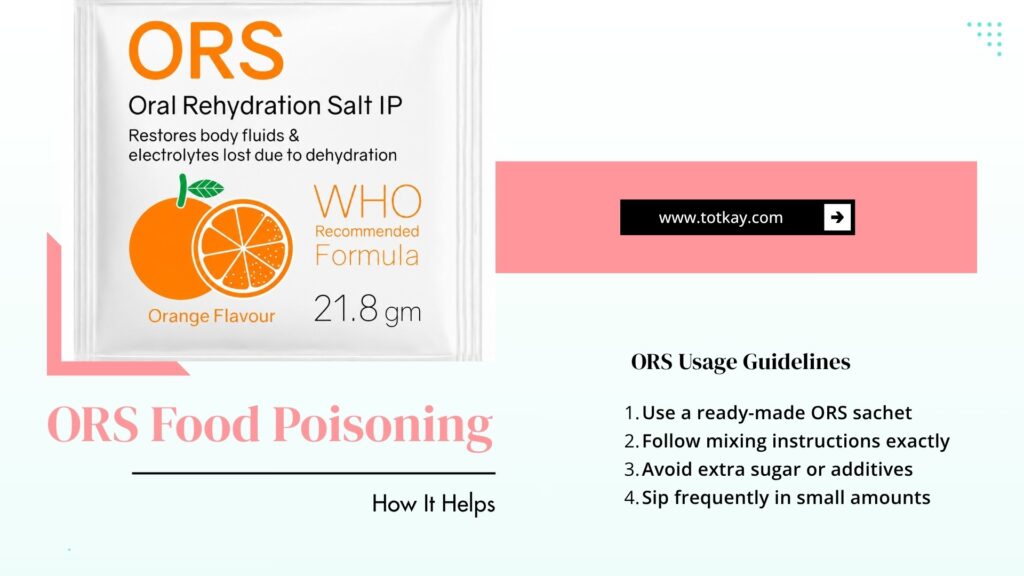
Oral Rehydration Solution, or ORS, is the gold standard for hydration during gut illness. It replaces both water and the salts your body loses.
ORS does not kill bacteria or viruses. Its job is to prevent dehydration while your body fights the infection on its own.
Using ORS the right way makes all the difference. Mixing it wrong can reduce its benefit or cause harm. Keep these rules in mind:
- Use a pharmacy sachet: A ready-made ORS packet gives the correct salt balance.
- Mix exactly as written: Follow the packet instructions for water amount.
- Skip extra additions: Do not add extra sugar, salt, lemon, or juice.
- Sip steadily: Take small, frequent amounts for best results.
When ORS Is Better Than Plain Water
Plain water only replaces fluid. ORS food poisoning support replaces fluid plus the salts you lose during frequent diarrhea.
ORS becomes the smarter choice when symptoms are heavy. The National Health Service (NHS) also recommends fluids, rest, and avoiding fatty or spicy foods during recovery.
Some drinks slow your healing and irritate your gut. Avoid cold drinks, energy drinks, very sweet juices, alcohol, and too much tea while you recover.
Rice Water Food Poisoning: Safe or Not?
Rice water is a gentle, traditional drink many families trust. It can feel soothing once vomiting starts to ease.
Rice water food poisoning support helps with fluid intake, but it is not a cure. It does not replace ORS when diarrhea is frequent and heavy. Think of it as comfort support, not a treatment.
How to Use Rice Water Safely
Rice water only helps when you prepare and store it correctly. A wrong method can introduce new germs.
Use this simple method:
- Boil rice in extra clean water: Use safe drinking water.
- Strain the water: Keep the starchy liquid.
- Let it cool: Drink it warm or room temperature.
- Sip slowly: Do not gulp.
- Avoid spices: Do not add chili, masala, or oil.
- Use fresh rice water only: Do not keep it outside for hours.
- Discard leftovers: Bacteria can grow in cooked rice products.
Rice water can support comfort, but ORS remains better when diarrhea is frequent.
Food Poisoning Totkay Pakistan: Safe Local Options
Local remedies have a place, but only the gentle ones. In food poisoning totkay Pakistan, the safest options stay simple, clean, and light on spice.
When looking for a food poisoning home remedy, it’s important to remember that strong herbal mixtures, heavy masala, and oily foods can worsen your symptoms. Stick to mild choices your stomach can handle.
These safe local foods and drinks support recovery without irritating your gut:
- ORS and boiled water: Your first line for hydration.
- Rice water: Gentle fluid once vomiting eases.
- Light khichdi: Soft rice and dal for easy digestion.
- Banana and plain rice: Bland foods that settle the stomach.
- Boiled potato, toast, and crackers: Simple energy without grease.
- Plain yakhni and soft chicken: Light protein once you can tolerate it.
What to Eat After Food Poisoning
When to reintroduce food is a key part of any good Food Poisoning Home Remedy. Food should only be reintroduced after the vomiting has settled. Eating too soon can restart nausea and slow your recovery.
A stage-by-stage plan helps you reintroduce food safely. This table shows what to try and what to avoid at each step:
| Recovery Stage | What to Try | What to Avoid | Why It Helps | Caution |
| First few hours | Small sips of ORS or water | Heavy meals | Restores fluids gently | Avoid gulping |
| After vomiting reduces | Rice water, clear broth, ORS | Fried snacks | Adds light fluid and salt | Keep portions tiny |
| When hunger returns | Banana, toast, plain rice, boiled potato | Spicy salan | Bland foods calm the gut | Eat slowly |
| Next 24 hours | Light khichdi, yakhni, soft chicken | Oily paratha | Builds back energy | Stay low spice |
| Until fully better | Simple home food | Cold drinks, fast food | Prevents relapse | Avoid street food |
Activated Charcoal Food Poisoning: Should You Use It?
Activated charcoal food poisoning remedies should not be used at home unless a doctor or poison control expert advises it. Activated charcoal has a specific role in selected poisonings, but common food poisoning usually needs hydration, rest, and medical care when severe.
Poison Control clearly warns people not to treat poisoning with activated charcoal at home and says not to confuse activated charcoal with burned toast or barbecue briquettes.
Why Activated Charcoal Can Be Risky
Activated charcoal is not a normal stomach totka. It can create problems when people use it without guidance.
Risks include:
- It can interfere with medicines.
- It can cause vomiting.
- It may create choking risk if the person is vomiting or sleepy.
- It is not burned toast, coal, or barbecue charcoal.
- It should not delay medical care.
Never give activated charcoal to a child, pregnant woman, elderly person, or very weak patient without medical advice.
When to Get Medical Help Instead
Some situations call for a doctor, never a home remedy. Get urgent help in these cases:
- Suspected chemical or mushroom poisoning: These need emergency care.
- Medicine overdose: Call poison control or go to a hospital.
- Severe vomiting or blood in stool: Both signal serious illness.
- Confusion or fainting: These point to severe dehydration.
- Unknown or toxic food: Seek help if you ate something suspicious.
Foods and Drinks to Avoid During Food Poisoning
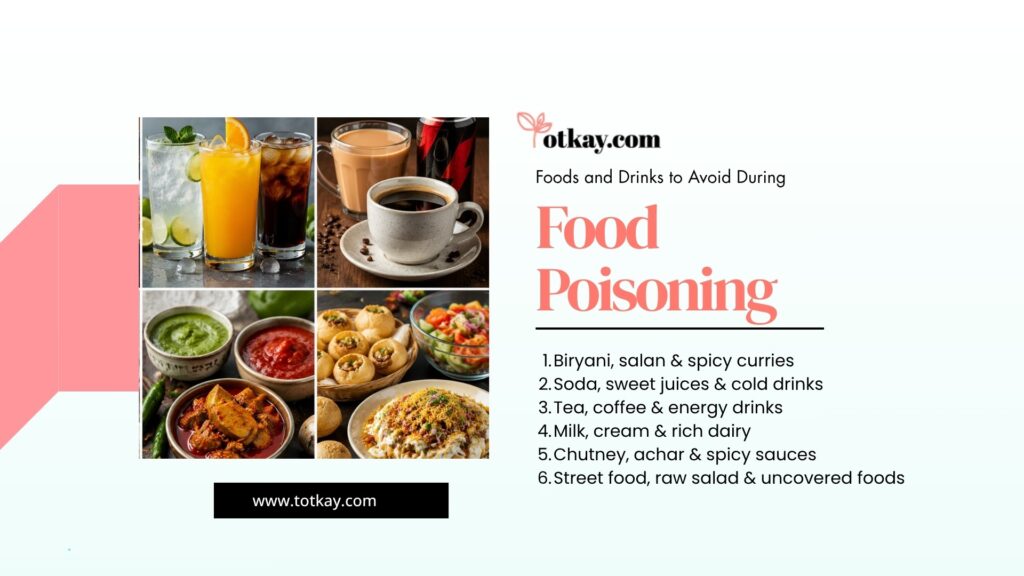
Some foods feel tempting but make symptoms worse. They irritate your gut and slow your recovery.
Steering clear of these items protects your healing stomach:
- Fried and oily food: Paratha, samosay, and pakoray are too heavy.
- Spicy dishes: Biryani and spicy salan irritate the gut.
- Cold and sweet drinks: Soda and sweet juices worsen diarrhea.
- Heavy dairy: Rich milk and cream are hard to digest.
- Chutney and achar: Strong, spicy condiments upset the stomach.
- Street food and raw salad: Unsafe sources can reinfect you.
- Old leftovers: Food kept outside too long carries more germs.
Simple 24-Hour Home Care Plan for Mild Food Poisoning
A clear plan removes the guesswork during a stressful time. This hourly guide for a food poisoning home remedy will help you manage mild symptoms at home:
| Time | What to Do |
| First 2–4 hours | Let the stomach settle and take small sips of ORS or water |
| If vomiting continues | Keep sips tiny and seek help if fluids cannot stay down |
| After vomiting reduces | Try ORS, rice water, or clear broth |
| When hunger returns | Eat banana, toast, plain rice, or light khichdi |
| Next 24 hours | Avoid spicy, oily, dairy-heavy, and street foods |
| Any severe symptom | Contact a doctor immediately |
Final Thoughts
A safe food poisoning home remedy starts with ORS food poisoning support, steady fluids, rest, and bland foods once vomiting settles. Any food poisoning totkay Pakistan approach should stay simple, clean, and gentle.
Rice water food poisoning support can help your fluid intake, but ORS works better during frequent diarrhea. A calm gastroenteritis home fix relies on hydration and rest, not harsh remedies. Never use activated charcoal food poisoning treatments at home without medical advice.
Most mild cases improve within a day or two with careful home care. If red-flag symptoms appear, skip the home remedies and see a doctor right away—your safety always comes first. For more proven and safe natural remedies, visit Totkay.com.
Frequently Asked Questions
What is the best food poisoning home remedy?
The best food poisoning home remedy is ORS, small sips of water, rest, and bland foods after vomiting settles. Rice water, banana, light khichdi, toast, and plain yakhni may support recovery in mild cases. These remedies help hydration and comfort only. See a doctor if symptoms become severe, prolonged, or linked with dehydration.
Is ORS good for food poisoning?
Yes, ORS food poisoning support can help because vomiting and diarrhea remove water and salts from the body. ORS replaces fluids and electrolytes better than plain water during frequent diarrhea. Mix a pharmacy ORS sachet exactly as written on the packet. Sip slowly and do not add extra sugar, salt, juice, or lemon.
Can rice water help food poisoning?
Rice water food poisoning support may help when vomiting settles and the stomach feels weak. It gives gentle fluid and may feel easier than heavy food. However, rice water does not cure infection and does not replace ORS during frequent diarrhea. Use fresh rice water only and avoid keeping it outside for hours.
Is activated charcoal good for food poisoning?
Do not use activated charcoal food poisoning remedies at home unless a doctor or poison control expert advises it. Activated charcoal may help in selected poisonings, but it usually does not treat common food poisoning. It can interfere with medicines and may create choking risk during vomiting. It is not the same as burned toast or coal.
What should I eat after food poisoning in Pakistan?
After vomiting settles, try small portions of banana, plain rice, toast, crackers, boiled potato, light khichdi, applesauce, clear soup, or plain yakhni. Keep food low spice and low oil. Avoid biryani, spicy salan, oily paratha, samosay, pakoray, cold drinks, heavy dairy, street food, and leftovers kept outside too long.

Hi, I’m a dedicated writer at Totkay.com, passionate about sharing practical tips and solutions to make your life easier. Explore my articles for helpful insights and valuable advice. Stay connected for more expert content!
Related posts:
 Severe Period Pain on First-Day Home Remedies
 Improve Endurance Naturally: 10 Proven Ways to Go Further
 Natural Carb Blockers: 10 Pantry Hacks to Stop Weight Gain
 Nature’s Chill Pill: 10 Herbal Stress Relief Tips (2026)
 What Causes Piles in Men? Expert Guide and Prevention Tips
 Pregnancy Hemorrhoids: Safe Relief and Natural Care