
Crohn’s Disease Natural Remedy: Safe Totkay for Gut Support
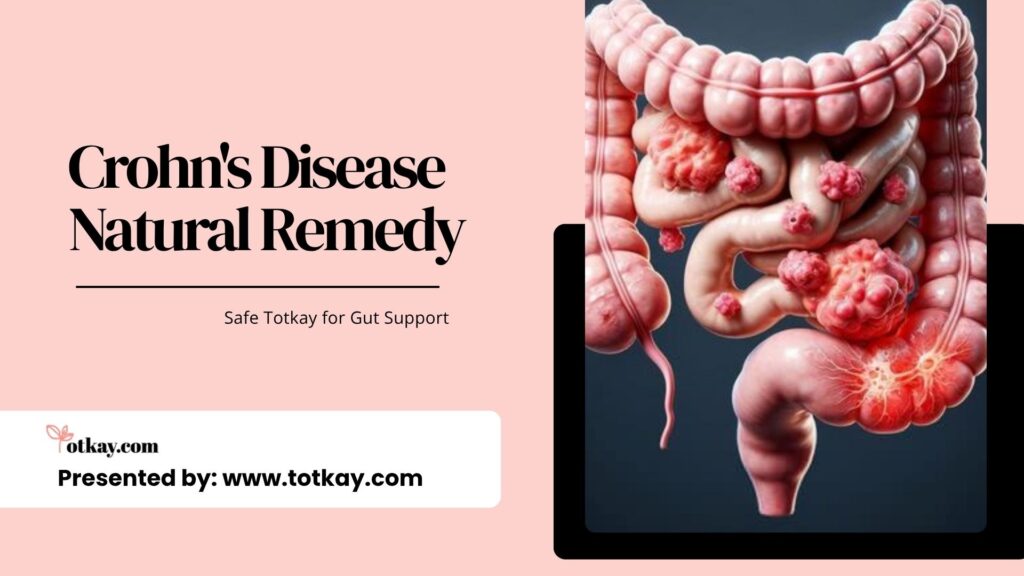
A Crohn’s disease natural remedy can support gut comfort, but it cannot cure Crohn’s disease or replace a gastroenterologist’s treatment. Safe Crohn’s diet totkay may include soft low-fiber foods during flares, hydration, trigger tracking, stress control, and doctor-approved supplements.
For Pakistani readers searching for an IBD Pakistan natural fix, the safest path is supportive care, not self-treatment. An omega 3 Crohn’s diet may help some people through anti-inflammatory foods, but supplements need medical advice.
What Is Crohn’s Disease?
Crohn’s disease is a type of inflammatory bowel disease. It can cause inflammation anywhere in the digestive tract, from the mouth to the bowel. The inflammation often comes and goes in cycles.
Common symptoms include stomach pain, diarrhea, weight loss, fatigue, mouth ulcers, poor appetite, and sometimes blood in the stool. These signs can feel mild at first, then become severe during a flare.
How Crohn’s Disease Differs From Ordinary Stomach Problems
Many people treat Crohn’s like simple acidity or gas. This mistake can delay diagnosis and make the disease worse. Understanding the difference helps you act early and protect your health.
Here is how Crohn’s stands apart from everyday stomach trouble:
- Long duration: Crohn’s symptoms can last for months or years, not just a few days.
- Flare and calm cycles: The disease flares up, then calms down, then returns again.
- Needs medical tests: Doctors confirm it with blood tests, stool tests, colonoscopy, imaging, or biopsy.
- Serious signs: Ordinary gas or acidity does not cause chronic inflammation, weight loss, or blood in stool.
Why Self-Diagnosis Is Risky
Self-diagnosis can delay proper treatment. Crohn’s symptoms may overlap with IBS, infections, ulcerative colitis, celiac disease, food intolerance, and medication reactions.
A person may keep trying herbal mixtures while real inflammation continues inside the gut. NIDDK states that doctors treat Crohn’s with medicines and surgery when needed, and treatment aims to lower inflammation, prevent flares, and maintain remission.
Home support can help comfort, but diagnosis needs a medical professional.
Can Natural Remedies Cure Crohn’s Disease?
Natural remedies cannot cure Crohn’s disease. They may support hydration, reduce irritation during flares, improve nutrition, and help people identify trigger foods. They cannot replace prescribed medicines, medical monitoring, or emergency care.
The NHS states that Crohn’s disease cannot currently be cured, but treatment can help prevent or manage symptoms.
A safe inflammatory bowel disease remedy should support the treatment plan, not replace it. Crohn’s can cause serious complications, so every natural step needs common sense and medical awareness.
What Natural Support Can Do
Natural support can help people manage their daily comfort. When it comes to finding a Crohn’s disease natural remedy, it works best when the person already knows their diagnosis and follows medical advice.
Supportive care may help with:
- Hydration: Diarrhea can drain fluids and salts quickly.
- Food irritation: Softer foods may feel easier during active symptoms.
- Trigger tracking: A diary can reveal food, stress, and routine patterns.
- Nutrition support: Gentle meals can reduce fear of eating.
- Stress control: Better rest may reduce symptom pressure.
- Recovery routine: Simple meals and sleep can support flare recovery.
These steps support the body, but they do not switch off Crohn’s inflammation alone.
What Natural Remedies Cannot Do
When it comes to health content, honesty is crucial. While many seek a “Crohn’s disease natural remedy,” it’s important to understand that these approaches have real limits. Ignoring those limits can be dangerous and put your life at risk.
Natural remedies cannot:
- Heal severe inflammation alone: Deep inflammation needs medical treatment.
- Replace prescribed medicines: Steroids, biologics, and immunosuppressants do work that food cannot.
- Treat emergencies: They cannot treat abscess, obstruction, fistula, severe bleeding, or dehydration.
- Guarantee remission: No remedy can promise to stop flares for good.
Crohn’s Diet Totkay During a Flare
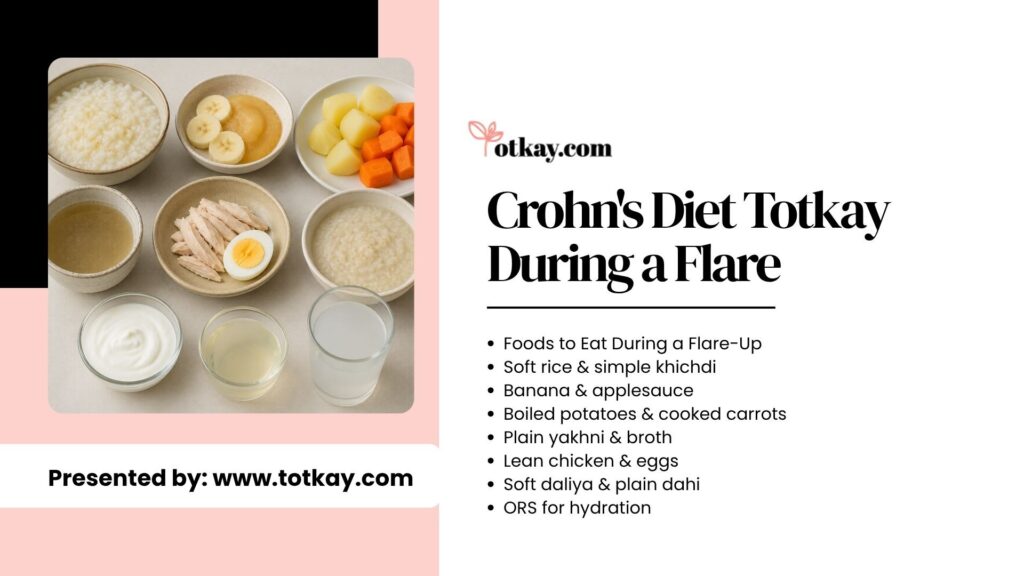
During a flare, the gut often reacts badly to heavy, spicy, oily, raw, or high-fiber foods. A softer, simpler diet may feel easier for many people. Still, a flare diet should not become a long-term restrictive diet without a doctor or dietitian.
These gentle foods may help you during a flare:
- Soft white rice: Easy to digest and low in fiber.
- Simple khichdi: Cook it without heavy spices.
- Banana and applesauce: Soft, mild, and gentle on the gut.
- Boiled or mashed potatoes: Filling and easy to tolerate.
- Cooked carrots: Soft vegetables instead of raw ones.
- Plain yakhni or broth: Warm fluids with light nutrition.
- Lean chicken and eggs: Simple protein, if your gut tolerates them.
- Soft daliya and plain dahi: Try only if you handle them well.
- Oral rehydration solution (ORS): Helpful during diarrhea.
Crohn’s & Colitis Foundation lists bananas, applesauce, cooked carrots, and omega-3-rich foods among foods that may fit an IBD diet pattern, but tolerance varies.
Foods to Avoid During a Flare
Certain foods commonly trigger or worsen flare symptoms. Cutting these during active symptoms can reduce cramps, gas, and diarrhea for many people.
Try to avoid these during a flare:
- Fried and very oily foods: Like oily paratha and deep-fried snacks.
- Very spicy salan: Strong spices can irritate the gut.
- Raw onion and raw vegetables: Hard to digest during flares.
- Whole grains, nuts, and seeds: High fiber can increase stool bulk.
- Beans and chana: They often cause gas and bloating.
- Carbonated and sugary drinks: They can worsen cramps and diarrhea.
- Caffeine: Tea and coffee may speed up the gut.
- Full-fat dairy: Avoid if it triggers your symptoms.
- Packaged snacks: Often high in additives and low in nutrition.
Pakistani Flare Meal Example
A simple daily plan makes flare eating less stressful. This sample shows how local foods can stay gentle and balanced during symptoms.
| Time | Simple Food Option |
| Breakfast | Banana with soft rice porridge or plain toast |
| Lunch | Light khichdi with boiled chicken |
| Snack | ORS, coconut water if tolerated, or applesauce |
| Dinner | Soft rice with yakhni and cooked carrots |
Natural Gut Remedies That May Support Crohn’s Symptoms
When considering a Crohn’s disease natural remedy, think of it as comfort support, not a primary treatment. It’s crucial to stop any remedy that worsens symptoms like pain, diarrhea, bloating, or bleeding, and always inform your doctor of any new approaches you’re trying.
Hydration and ORS for Diarrhea
Diarrhea drains fluids and salts fast, which can lead to dehydration. Replacing these losses early protects your energy and your kidneys.
Keep these hydration tips in mind:
- Use ORS first: It replaces both water and lost salts.
- Watch for danger signs: Severe dehydration needs medical care.
- Do not rely on sodas: Tea, cold drinks, and sweet juices are poor replacements.
- Sip slowly: Small, frequent sips are easier on the gut.
Soft Low-Fiber Foods During Flares
Low-fiber foods reduce stool bulk for some people during flares. This step is usually temporary, since long-term low-fiber eating can lower your nutrition.
Crohn’s & Colitis UK notes that some people try a low-residue diet during a flare, but there is not enough high-quality evidence to recommend it as a universal solution.
Food Diary for Trigger Tracking
A food diary turns guesswork into clear patterns. Writing things down helps you and your doctor find your true triggers faster.
Track these details every day:
- Meals and portions: Note what and how much you ate.
- Symptoms and timing: Record pain, bloating, and stool changes.
- Common culprits: Watch dairy, spices, fried foods, gluten, caffeine, and raw foods.
- Stress levels: Note stressful days alongside symptoms.
- Share results: Show your diary to a doctor or dietitian.
Stress Control and Gentle Rest
Stress does not directly cause Crohn’s disease. Still, it can worsen how you feel symptoms and can disrupt healthy routines.
Try these calming habits:
- Slow breathing: A few minutes of deep breathing can ease tension.
- Good sleep: Rest supports recovery during and after a flare.
- Short walks: Light movement may help when you feel up to it.
- Avoid hard workouts: Skip intense exercise during a severe flare.
Omega-3 Crohn’s: Can Fish and Seeds Help?
Omega-3 foods can be part of an anti-inflammatory eating pattern. However, omega-3 Crohn’s supplements are not a guaranteed treatment, so this point needs care.
Some omega-3-rich foods may fit your diet if your gut tolerates them. Add them slowly and watch your response.
Consider these omega-3 food sources:
- Fatty fish: Such as tuna, mackerel, and salmon when available.
- Flaxseed meal: A simple plant-based option.
- Chia seeds: Soak well before eating.
- Walnut butter: Smoother and easier than whole nuts.
The Crohn’s & Colitis Foundation lists omega-3-rich foods such as fatty fish, chia seeds, flaxseed oil, and flaxseed meal among foods that may fit an IBD diet pattern.
Simple Pakistani Omega-3 Food Ideas
Local meals can include omega-3 foods without fancy products. These ideas keep things affordable and gut-friendly.
- Grilled or steamed fish: Use light spices for easy digestion.
- Soft rice with fish: A gentle, balanced plate.
- Ground flaxseed in dahi: Try only if you tolerate dairy.
- Soaked chia in water: Avoid during active diarrhea if it worsens symptoms.
IBD Pakistan Natural Fix: What Patients Should Know
Many people in Pakistan try home remedies first. Cost worries, fear of colonoscopy, low awareness, and confusion with acidity and IBS all play a part. A safe IBD Pakistan natural fix still starts with proper care.
There is no guaranteed natural fix that cures Crohn’s disease. Yet local foods can be adjusted to support comfort while you follow medical treatment.
A 2024 review discusses IBD in Pakistan and notes that prevalence reporting, genetics, gut flora, diet, and healthcare access shape the local disease picture.
Remember these key points:
- Diagnosis comes first: Crohn’s needs proper testing, not guesswork.
- Red flags need a doctor: Diarrhea, blood, weight loss, fever, and pain require medical care.
- Remedies alone can delay help: Used by themselves, they may hide a serious problem.
- Local diets can adapt: Pakistani meals can become gut-friendly with small changes.
- Personalized care helps most: A gastroenterologist and dietitian can tailor your plan.
Affordable Food-Based Support in Pakistan
You do not need costly products to eat gut-friendly. Simple, homemade foods often work better than packaged options.
Affordable supportive foods include:
- Khichdi and rice: Cheap, soft, and easy to digest.
- Banana and boiled potatoes: Mild and filling.
- Cooked carrots and yakhni: Gentle nutrition during flares.
- Eggs and fish: Simple protein, if tolerated.
- Plain water and ORS: Better than sugary drinks.
- Homemade soft foods: Healthier than packaged snacks.
Red-Flag Symptoms: When to See a Doctor Immediately
Crohn’s disease can cause serious complications. You should not manage these warning signs with totkay. They need urgent medical attention.
Seek emergency help right away for these signs:
- Blood in stool or black stool: Possible internal bleeding.
- Severe abdominal pain: Especially sudden or constant pain.
- Persistent vomiting: It can lead to dehydration fast.
- High fever: A sign of infection or serious inflammation.
- Rapid weight loss: Your body may be in distress.
- Signs of dehydration: Dizziness, dry mouth, and low urine output.
- Severe diarrhea: Frequent, watery, or bloody stools.
- Swollen, painful abdomen: This may signal obstruction.
- Fainting or extreme weakness: Do not wait at home.
- No stool or gas with pain: This can mean a blockage.
How to Build a Safe Crohn’s Diet Plan
A good plan grows from facts about your own body, not general advice. These steps help you build a diet that fits your symptoms and stays safe.
Follow this practical process:
- Confirm your diagnosis: Start with a gastroenterologist.
- Know your stage: Ask if you are in a flare or in remission.
- Keep a 2-week diary: Track food and symptoms together.
- Find your triggers: Spot foods that worsen your gut.
- Eat soft foods during flares: Keep meals simple and gentle.
- Reintroduce foods slowly: Add variety as symptoms improve.
- Discuss supplements first: Check with your doctor before using them.
- Monitor key signs: Watch weight, energy, stool, and pain.
- Review with an expert: Update the plan with a doctor or dietitian.
Summary
A Crohn’s disease natural remedy can support comfort, but Crohn’s disease needs medical diagnosis and treatment. Natural support should focus on hydration, gentle foods, stress control, trigger tracking, and safe nutrition.
A Crohn’s diet totkay during a flare may include soft rice, khichdi, banana, yakhni, cooked carrots, ORS, and lean protein if tolerated. Omega-3 Crohn’s foods such as fish, flaxseed, and chia may fit some routines, but supplements need medical advice.
There is no guaranteed IBD Pakistan natural fix or cure at home. Seek urgent care for blood, fever, severe pain, dehydration, weight loss, or persistent diarrhea. For more valuable, proven, and safe natural remedies, visit totkay.com.
Frequently Asked Questions
What is the best Crohn’s disease natural remedy?
The safest Crohn’s disease natural remedy is supportive care that protects hydration, reduces food irritation, and helps identify triggers. Soft foods, ORS, a food diary, stress control, and doctor-approved supplements may support symptoms. No natural remedy can cure Crohn’s disease. A gastroenterologist should guide treatment, especially during flares, bleeding, weight loss, or severe diarrhea.
What is a good Crohn’s diet totkay during a flare?
A gentle Crohn’s diet totkay during a flare may include soft rice, light khichdi, banana, applesauce, boiled potatoes, cooked carrots, yakhni, and ORS. Avoid spicy, oily, raw, high-fiber, and packaged foods if they worsen symptoms. Food tolerance differs for every person, so track symptoms and ask a doctor or dietitian before following a strict diet.
Is omega 3 good for Crohn’s disease?
Omega 3 Crohn’s support may come from foods like fatty fish, flaxseed meal, chia seeds, and walnuts if your gut tolerates them. These foods can fit an anti-inflammatory eating pattern. Omega-3 supplements need medical advice because they may not suit everyone and can interact with medicines or increase bleeding risk in some people.
Can I treat inflammatory bowel disease naturally at home?
You cannot safely treat inflammatory bowel disease only at home. Natural support may help with hydration, diet comfort, stress control, and trigger tracking, but IBD can cause serious inflammation and complications. If you have repeated diarrhea, blood in stool, fever, weight loss, or severe pain, see a gastroenterologist instead of relying on totkay alone.
What foods should I avoid during a Crohn’s flare?
During a Crohn’s flare, many people feel worse after spicy foods, fried foods, raw vegetables, beans, whole grains, seeds, nuts, cold drinks, caffeine, and heavy dairy. Triggers vary, so do not ban every food forever. Use a temporary soft diet during symptoms, then reintroduce foods slowly with medical or dietitian guidance.

Hi, I’m a dedicated writer at Totkay.com, passionate about sharing practical tips and solutions to make your life easier. Explore my articles for helpful insights and valuable advice. Stay connected for more expert content!
Related posts:
 Severe Period Pain on First-Day Home Remedies
 Improve Endurance Naturally: 10 Proven Ways to Go Further
 Natural Carb Blockers: 10 Pantry Hacks to Stop Weight Gain
 Nature’s Chill Pill: 10 Herbal Stress Relief Tips (2026)
 What Causes Piles in Men? Expert Guide and Prevention Tips
 Pregnancy Hemorrhoids: Safe Relief and Natural Care