
Hair Growth Remedies: Natural & Medical Solutions
If you are currently dealing with thinning hair, the most effective hair growth remedies combine natural care with medically backed treatments. Choices range from prescription solutions to home remedies like rosemary oil, aloe vera, and onion juice, and many of them can help stimulate hair growth and support healthier, stronger follicles over time.
The right approach depends on what is causing your hair loss, whether it is genetics, hormones, poor diet, or ongoing stress. This guide covers natural remedies, dietary changes, and clinical treatments recommended by a dermatologist, so you can find exactly what actually works best for your hair.
Understanding Hair Loss
Hair growth is a complex process involving the development of hair follicles across the head. Genetics, hormones, nutrition, and overall health all influence how well your hair grows and how easily it sheds.
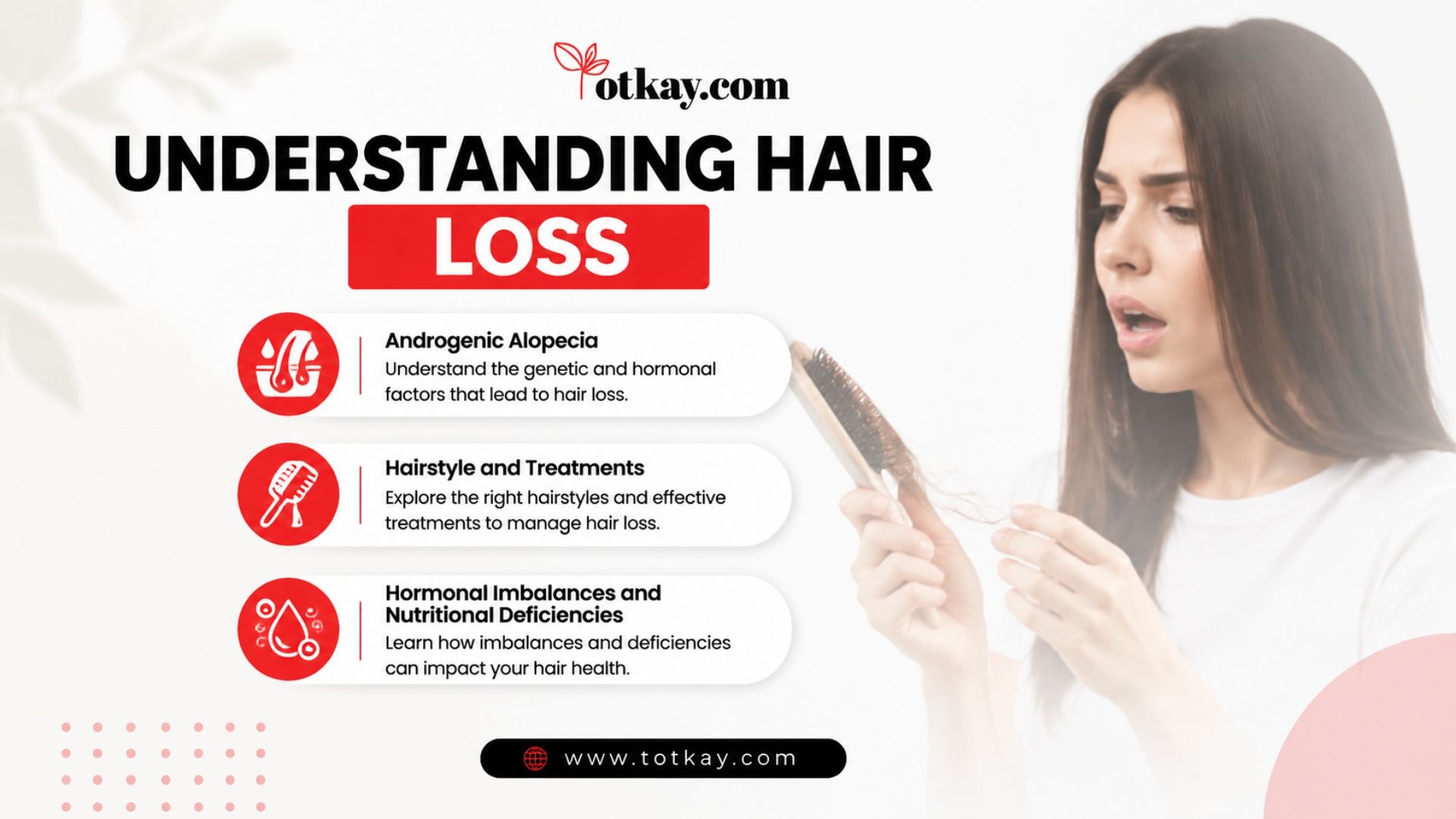
Some hair shedding is normal, but persistent thinning usually points to an underlying cause. Before treating hair loss, it helps to understand what is behind it:
- Androgenic alopecia, the most common type of hair loss, is driven by genetics and the hormone DHT (dihydrotestosterone), which weakens the hair shaft over time.
- Chemical hair treatments, tight hairstyles, and excessive heat styling can damage hair and cause it to fall out.
- Hormonal imbalances and nutritional deficiencies, including low iron or protein, can worsen hair loss.
Hair thinning does not just affect appearance. It can take a toll on confidence and mental health, which is why addressing both the physical and emotional sides leads to better outcomes.
Causes of Hair Loss
Hair loss can be a distressing experience, and understanding its causes is crucial for finding the right treatment. Several factors can contribute to hair loss, including genetics, hormonal imbalances, stress, and certain medical conditions.
One of the most common causes of hair loss is androgenetic alopecia, also known as male or female pattern hair loss. This condition involves a steady loss of hair density on the scalp, especially around the crown and top areas. It is influenced by genetic factors and hormonal changes, particularly the hormone dihydrotestosterone (DHT).
Alopecia areata, an autoimmune condition, can result in uneven, patchy hair loss. In this condition, the body’s immune system mistakenly attacks hair follicles, causing hair to fall out in small, round patches. Telogen effluvium is another condition that results in excessive hair shedding, often triggered by stress, illness, or hormonal changes.
Why Choose Natural Remedies?
Natural remedies offer a gentle, often cost-effective way to support hair health. They are usually free from harsh chemicals, making them a softer option for sensitive scalps.
- Safe and free from synthetic additives
- Cost-effective compared to many clinical treatments
- Gentle on the scalp and hair
- Easy to customize to your hair type
Authentic Natural Hair Growth Remedies
There are plenty of natural ingredients that support hair growth, but we’ll focus on the most effective one. Here are a few of my favorite remedies that really work:
Rosemary Oil Treatment
Rosemary oil is extracted from the leaves of the rosemary herb, native to the Mediterranean region. For centuries, this versatile herb has been treasured for its healing properties and flavorful contribution to cooking, offering a wealth of health benefits.
The main active ingredient in rosemary oil is rosmarinic acid, which has anti-inflammatory properties that help improve circulation in the scalp.
How It Helps?
- Improves circulation in the scalp
- Reduces excess shedding and helps regrow hair by stimulating follicles
Ingredients You’ll Need:
- 4–5 drops of 100% pure rosemary essential oil
- 2 tablespoons of a carrier oil (like coconut or jojoba oil)
How to Apply:
- Mix rosemary oil and carrier oil in a bowl
- Massage with gentle hands for 5 to 10 minutes.
- Leave it on for 2 hours.
- Wash your hair with a mild shampoo
Aloe Vera
Aloe vera is a miracle remedy filled with enzymes that repair dead skin cells on the scalp. Its anti-inflammatory properties also reduce dandruff while nurturing healthy hair growth.
How to Use?
Mix 2 tbsp of aloe vera gel with 1 tbsp of castor oil. Apply to your scalp and let it be on for 45 minutes. After that, wash your hair with shampoo.
Onion Juice
It might not sound glamorous, but I absolutely love using onion juice for my hair. It’s packed with sulfur, which boosts collagen production for stronger, healthier hair. Plus, its antibacterial properties help fight scalp infections and dandruff. This remedy worked wonders, my hair grew 4 inches in just 2 months. Studies have also shown that onion juice can significantly increase hair count, making it an effective treatment for promoting hair growth.
Method of Application
- Take one medium onion and blend it until it forms a smooth paste.
- Strain the blended onion to extract its juice.
- Apply the onion juice directly to your scalp, ensuring even coverage.
- Leave it on as such for thirty minutes.
- For fragrance, you can add a few drops of lavender oil to the juice before applying to help mask the smell.
- Rinse thoroughly with a mild shampoo.
Aloe Vera Scalp Mask
For centuries, people have turned to it as a trusted natural cure for a wide range of health issues. When it comes to hair, aloe vera can be especially beneficial for maintaining healthy strands and promoting hair growth.
Here are some interesting facts about aloe vera and its benefits for our hair:
- Aloe vera is rich in proteolytic enzymes, which work to repair damaged skin cells on the scalp. This supports healthy cell regeneration and helps reduce dandruff.
- The gel extracted from aloe vera leaves has anti-inflammatory properties, making it effective in soothing an irritated scalp and reducing redness or itchiness caused by conditions like psoriasis or eczema.
- The plant also contains amino acids that promote strength and shine in our hair strands.
Ingredients:
- 2 tablespoons of fresh aloe vera gel
- 1 teaspoon of castor oil (optional for extra nourishment)
Method of Application:
- Thoroughly mix these two ingredients and apply. Leave it on for 30–45 minutes before rinsing with lukewarm water and shampooing. Repeat this treatment 2–3 times a week for black and shiny hair.
Green Tea Rinse
Packed with antioxidants and EGCG (epigallocatechin gallate), green tea has been a game-changer for me. I’ve noticed it revitalizes my hair follicles and promotes healthier, stronger hair growth over time. Additionally, green tea can effectively boost hair growth by addressing the underlying causes of hair loss or thinning.
- How to Use:
First, steep 2 green tea bags in warm water, cool, and pour the infusion over your scalp after shampooing. No rinse needed!
Dietary Changes for Hair Growth
Your hair growth doesn’t just rely on external care. A balanced, nutrient-rich diet is key to providing the necessary building blocks for healthier, stronger hair. Here’s how dietary changes can make an impact:
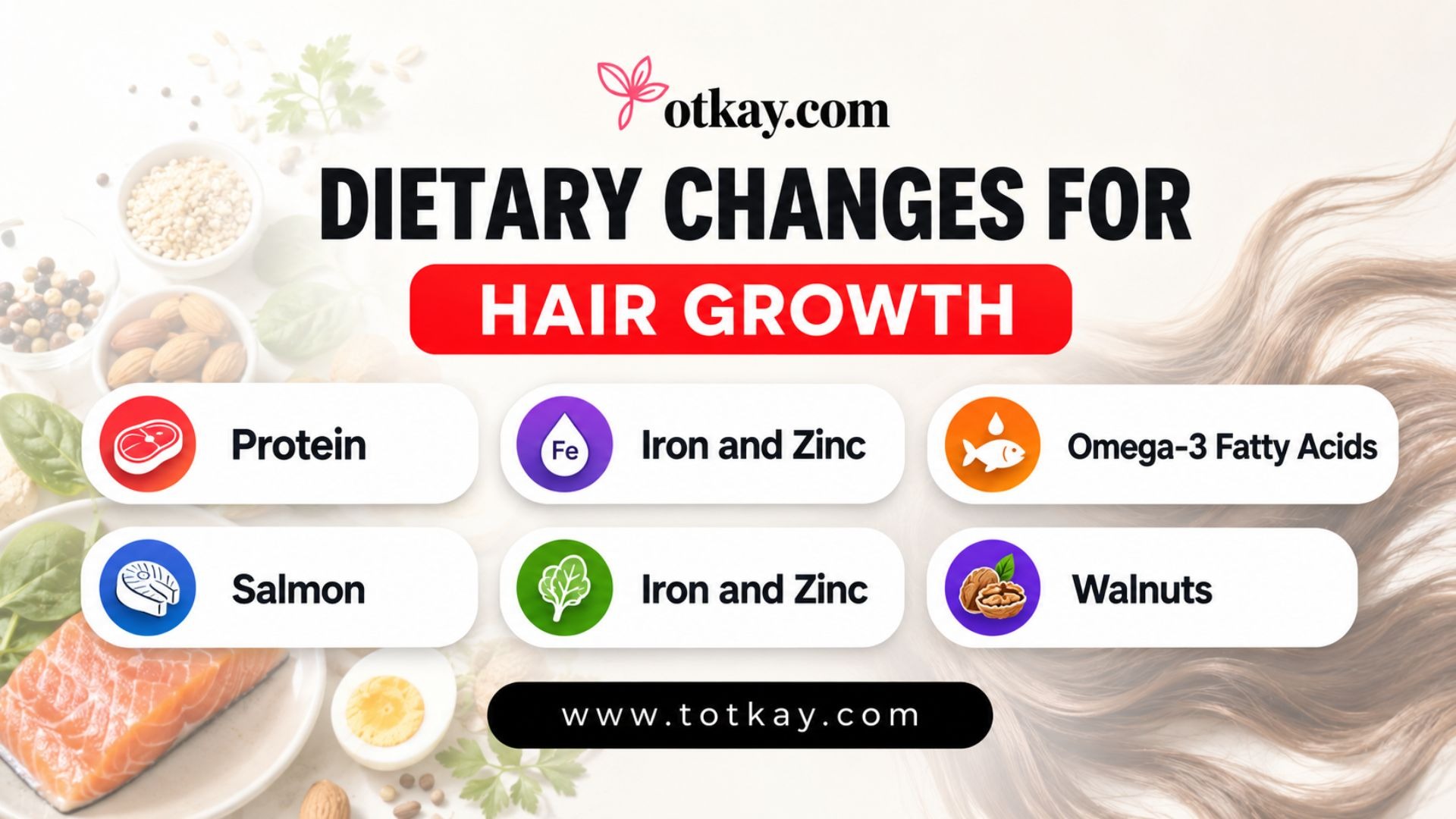
- Include Key Nutrients:
- Protein helps build keratin.
- Iron and Zinc strengthen and repair your follicles.
- Omega-3 Fatty Acids keep your scalp hydrated and nourished.
- Top Foods to Try:
- Salmon for its rich omega-3 content.
- Spinach and Kale
- Walnuts for biotin and antioxidants.
Try to limit sugary, salty, and processed foods, since they can work against healthy hair growth. Dietary supplements and minerals like biotin, iron, and zinc can also help fill nutritional gaps, though it is best to check with a healthcare professional before adding new supplements to your routine.
Essential Oils and the Role of Scalp Health
In ancient Egypt, castor oil was cherished for its ability to strengthen hair and encourage growth, while rosemary oil was a favorite in ancient Greece for improving circulation to the scalp.
In India, the tradition of using coconut oil, often infused with herbs, has been a cornerstone of Ayurvedic hair care for thousands of years.
- Tea Tree Oil for combating dandruff.
- Lavender Oil for stress relief and promoting follicle health.
- Coconut Oil for deep hydration and strengthening hair.
- Argan Oil for reducing frizz and adding shine.
- Castor Oil for promoting hair growth and thickness.
- Jojoba Oil for moisturizing and balancing scalp oil production.
If you’re experiencing hair loss, start by checking your scalp health as it’s the foundation for healthy hair growth. Make sure to clean your scalp thoroughly, avoid harsh chemical treatments, and provide it with the nourishment it needs to thrive.
Medical Treatments for Hair Regrowth
Natural remedies work well for many people, but some cases of hair loss respond better to medications prescribed by a professional. Here is what a board certified dermatologist may recommend.
- Minoxidil, sold under the brand name Rogaine, is available in topical form as a liquid or foam, and it increases blood flow to the scalp. With consistent use, many people notice increased hair thickness and, over time, thicker strands. An oral pill version is also available for those who prefer not to apply a topical product.
- Finasteride, sold as Propecia, is a prescription tablet that lowers DHT levels to help slow hair loss in men. It is not approved for women, who may experience side effects if exposed to the medication.
- JAK inhibitors are a newer treatment option for autoimmune-related hair loss, such as alopecia areata. A few small studies show promising early results, though more research is still needed to confirm their long-term effectiveness.
- Laser therapy uses low-level light devices to encourage growth at the follicle level. Small studies suggest it may help some people, though more studies are needed before it becomes a standard recommendation.
Reducing Stress for Hair Growth
Did you know stress can be a major trigger for unexpected hair loss? A study “Hair growth inhibition by psychoemotional stress” found that chronic stress can disrupt the hair growth cycle, pushing follicles into a prolonged resting phase known as telogen effluvium, which leads to increased shedding. Addressing this factor requires mindfulness techniques like:
- Practicing yoga or meditation.
- Exercising regularly to reduce cortisol levels.
- Prioritizing 7–8 hours of quality sleep each night.
Conclusion
There’s no one-size-fits-all solution to hair growth, but combining natural remedies, healthy habits, and nourishing scalp care is an excellent place to start. Small changes in your hair care routine and lifestyle can lead to noticeable improvements over time. These hair growth remedies can also stimulate new hair growth, promoting healthier and stronger hair.
Get started by trying one of the natural remedies shared here. Remember, consistency is key for long-term success. If you’re looking for more tailored advice, feel free to explore my more science-backed tips. Stay patient, and trust the process. Natural remedies might be just what your hair needs!
Frequently Asked Questions
What is the best natural remedy for hair growth?
The most effective natural remedy for hair growth is rosemary oil. Studies have shown that rosemary oil can improve blood circulation in the scalp, stimulate dormant hair follicles, and reduce DHT—one of the primary causes of hair thinning.
How can I regrow my hair naturally at home?
You can regrow your hair naturally at home by combining scalp-friendly oils (like castor or rosemary oil) with proven remedies like onion juice, aloe vera gel, and green tea rinses.
Can I regrow my hair naturally?
Yes, it’s possible to regrow your hair naturally, depending on the cause of the hair loss.Typically, hair grows about 6 inches per year.
What causes hair loss?
Hair loss often stems from genetics (androgenic alopecia), tight hairstyles, harsh chemical treatments, hormonal imbalances, or nutritional deficiencies.
How does diet impact hair growth, and what should I eat?
For truly healthy hair, a balanced diet packed with essential nutrients is absolutely vital. Ensure you consume enough protein, iron, zinc, and Omega-3 fatty acids from sources like salmon, spinach, kale, and walnuts. It’s best to limit sugary, salty, and processed foods.
How does aloe vera help hair growth?
Aloe vera actively supports a healthier scalp. Its enzymes work to mend damaged skin cells, while its anti-inflammatory nature effectively helps reduce dandruff.

Hi, I’m a dedicated writer at Totkay.com, passionate about sharing practical tips and solutions to make your life easier. Explore my articles for helpful insights and valuable advice. Stay connected for more expert content!
Related posts:
 The 7 Day Hair Challenge: How to Grow Hair in a Week
 How to Lose Weight in Ramadan By Incorporating Sunnah
 Totkay for Hair Fall, Natural Desi Remedies for Growing Your Hair
 Severe Period Pain on First-Day Home Remedies
 A Step-by-Step Guide: How to Looksmax for Men
 Mewing Routine: How Can I Get Hunter Eyes Naturally?