
khichdi gut health: Complete Desi Gut Reset Totkay & Science
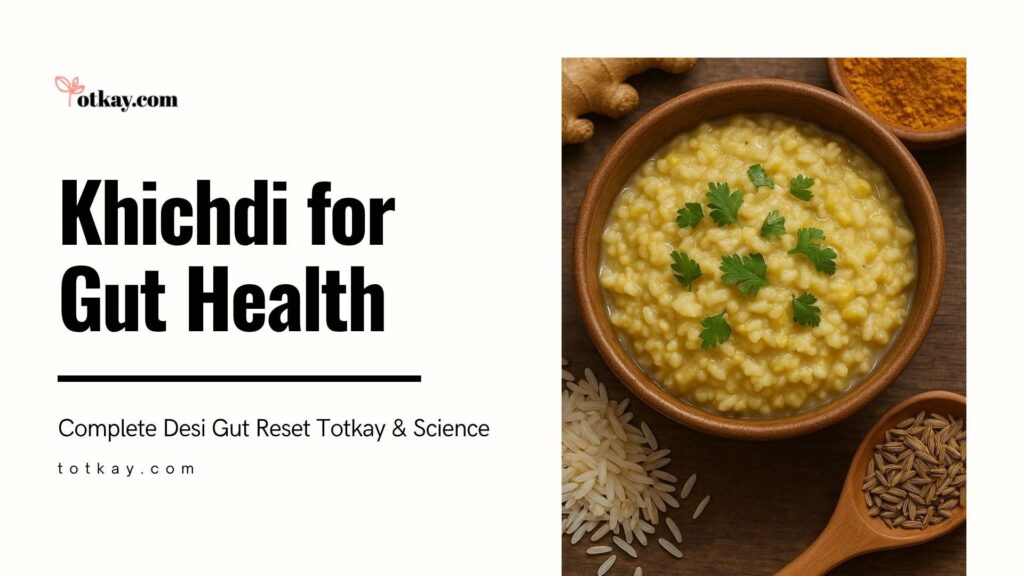
khichdi gut health is a nutrient-rich, easy-to-digest meal combining rice and lentils to form a complete protein. Its soft texture soothes the digestive system, while turmeric and cumin reduce inflammation and improve nutrient absorption.
Packed with essential vitamins and fiber, khichdi supports regular bowel movements and overall gut health. This gluten-free, wholesome dish is a natural remedy for digestive issues, offering a simple yet effective way to enhance digestion and promote long-term wellness.
This guide details the exact macro-nutrient synergy of the ingredients. We break down the health benefits of this comfort food. You will discover targeted kitchen remedies and khichdi recipes to soothe your intestinal lining and improve nutrient absorption.
The Science: Why Khichdi is the Ultimate Medical Mono-Diet
1. Stopping the Constant Grazing Trap
Regular vegetarian meals require three hours to process. Non-vegetarian proteins take up to six hours to fully digest. Snacking every two to three hours forces your stomach to secrete gastric juices constantly. You recruit digestive enzymes without rest, leading to chronic acid reflux, gas, and intestinal inflammation.
An easy-to-digest khichdi provides a much-needed break for your body. The slow-burning complex carbohydrates stabilize your energy. This steady release curbs cravings and successfully halts unnecessary snacking.
2. Overcoming Urban Malabsorption
Many people consume expensive foods but remain nutrient-deficient. An inflamed gut lining cannot assimilate essential vitamins. You need a low-residue shield to protect your digestive tract.
The soft consistency of this dish requires zero mechanical strain from the stomach. This allows your intestinal villi to easily absorb iron, folate, and B vitamins at a cellular level. Khichdi acts as a potent anti-inflammatory tool to heal tissue.
The Macro-Nutrient Synergy: Building a Complete Protein
Rice lacks the amino acid lysine but contains abundant methionine. Lentils are low in methionine but packed with lysine. Cooking them together forms a highly bioavailable complete protein. This biological synergy provides the raw cellular building blocks your body needs to heal.
A simple 300-gram portion of this protein-rich meal delivers 17 to 18 grams of clean protein. This climbs to over 23 grams when paired with fresh curd. You achieve excellent nutrition for your overall health.
Sourcing and Prepping the Foundations for Metabolic Success

1. Aged Basmati Rice vs. Brown Rice Alternatives
Aged basmati rice is light and exceptionally gentle. We highly recommend it for acute digestive issues. Brown rice is high in trace minerals, and the extra fiber helps with regular bowel movements by adding bulk. However, the heavy outer hull can irritate a highly sensitive gut wall.
2. The Vital Anti-Nutrient Flush Protocol
Raw pulses contain protective coatings that bind to minerals in your body. These cause severe flatulence and bloating. You must soak your ingredients.
- Soak split moong dal or yellow lentils for six to eight hours.
- Soak whole mung beans for 12 to 18 hours to strip away anti-nutrients.
This simple step prevents bloating and aids digestion.
3. Pure Fat & Mild Spices
Pure organic ghee provides butyric acid, which repairs a damaged gut barrier. You can also use coconut oil as a healthy fat source. You must pair your fat with specific mild spices to maximize the benefits.
- Cumin seeds: Ignite digestive enzymes.
- Ginger: Offers strong antimicrobial properties.
- Turmeric powder: Reduces inflammation. You must add black pepper to turmeric to unlock its maximum absorption potential.
The Master Guide of Khichdi Gut Health Totkay
| Gastrointestinal Issue | Selected Grain & Lentil Blend | Key Spices & Herb Add-ins | Mechanical Action / Gut Goal |
| Acute IBS / Diarrhea Flare | 1:1 Ratio Aged Basmati Rice + Yellow Moong Dal (Soaked 8 Hours) | Pure Ghee, Roasted Cumin, and a pinch of Hing. No raw vegetables. | Minimizes bowel friction; creates an easy-to-absorb coating to rest the colon. |
| Type 2 Diabetes Control | Little Millet or Quinoa + Sprouted Mung Beans | Fresh Moringa leaves, chopped cauliflower, side of sugar-free curd. | Lowers the overall glycemic index; prevents rapid glucose spikes. |
| Chronic Constipation | Whole Brown Rice + Multi-Lentil Blend | Fenugreek seeds and pre-soaked Garden Cress seeds. | Delivers deep, insoluble fibers to stimulate bowel peristalsis. |
3 Traditional Therapeutic Khichdi Recipes
1. The Classic 30-Minute Soothing Khichdi
This basic recipe puts minimal strain on a compromised metabolic tract.
- Ingredients: Half cup parboiled white rice, half cup split moong dal, two tablespoons ghee, cumin, grated ginger, salt, and half cup soft bottle gourd.
- Method: Temper spices in warm ghee. Add the vegetables, soaked grains, and four cups of water. Pressure cook for four whistles. Stir well before serving.
2. The Multi-Lentil High-Protein Reset Bowl
This bowl combines multiple amino acid profiles to support tissue synthesis.
- Ingredients: Equal parts of Horsegram, Moong, Red Lentil, Moth, and Rajma. Millet, fresh Moringa leaves, carrot, peas, and a fennel bulb.
- Method: Pressure cook the lentils and vegetables thoroughly after an 18-hour soak. Serve alongside fresh curd.
3. The Gluten-Free Anti-Inflammatory Beetroot Khichdi
Naturally gluten-free grains paired with raw beetroot provide a massive antioxidant boost.
- Ingredients: Half a cup of quinoa, half a cup of yellow lentils, half a cup of finely grated raw beetroot. Temper in ghee with cinnamon and coriander.
- Method: Add water and cook the soaked grains with the beetroot until tender. Add spices and stir evenly.
De-Demonizing Grains: The Diabetes and Rice Myth
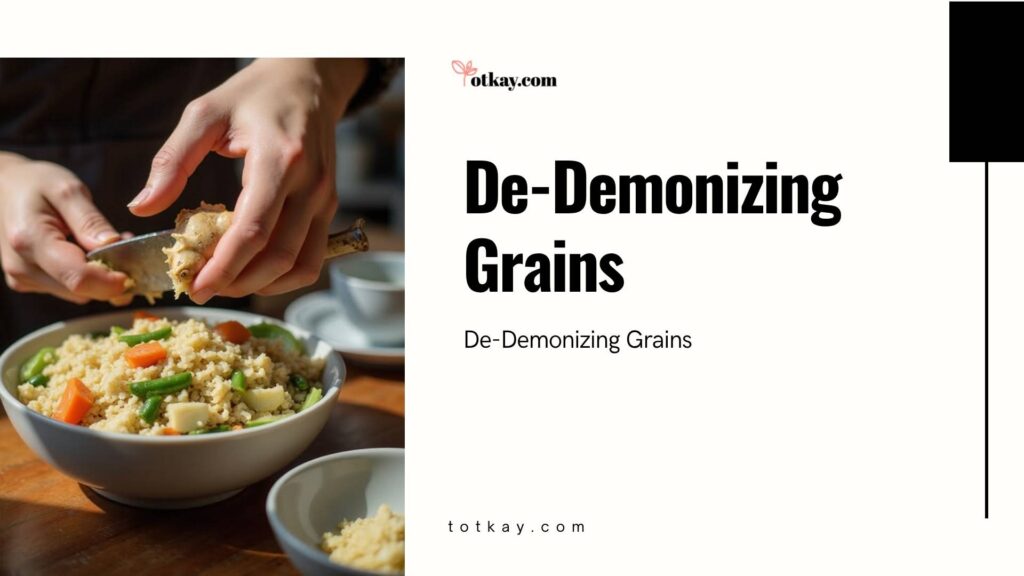
Unadulterated rice did not cause the modern diabetes epidemic. Sedentary habits and processed seed oils are the true root causes. Diabetics can safely consume this dish by keeping the serving size strictly to a 300-gram portion. Balance the carbohydrate-to-protein ratio equally with lentils. Load the pot with fiber-dense veggies to slow glucose absorption.
Practical Prep, Storage, and Safety Rules
Always rinse your produce and leafy greens in salt water. Follow this with plain water twice to clear surface impurities before you cook. Do not leave cooked lentils at room temperature for over an hour. Store them in airtight glass containers. Reheat thoroughly on a stovetop with a splash of fresh water to keep the starches hydrated.
Conclusion: Returning to Our Roots
True digestive wellness does not require overpriced labels. Healing a damaged metabolic tract is as simple as turning on your stove. You can repair your system by enjoying a warm bowl of khichdi gut-health food.
Your body thrives on simplicity. We challenge you to swap your heavy processed dinner for our classic recipe for just three nights this week. Take action today to reset your digestion naturally at Totkay.
Frequently Asked Questions (FAQs)
What makes khichdi good for gut health?
Khichdi is a wholesome meal that combines rice and lentils, creating a complete protein. Its soft texture is easy to digest, making it ideal for soothing the digestive system. Packed with essential vitamins and nutrients, it improves nutrient absorption, reduces inflammation, and supports regular bowel movements. Adding mild spices like cumin and turmeric enhances its antimicrobial properties, promoting overall gut health.
Can khichdi help with digestive issues like bloating or constipation?
Yes, khichdi is a healing food for digestive issues. Its fiber-rich ingredients, like split moong dal and vegetables, prevent bloating and stimulate digestion. The low-residue nature of khichdi minimizes strain on the stomach, while spices like ginger and cumin aid in reducing gas. It is a gentle yet effective remedy for constipation and other gut-related discomforts.
Is khichdi suitable for people with gluten intolerance?
Absolutely! Khichdi is naturally gluten-free when made with rice and lentils. Variations using quinoa or millets also cater to gluten-intolerant individuals. These grains, combined with yellow lentils and mild spices, create a nutrient-dense, easy-to-digest meal that supports gut health without triggering gluten-related issues.
How does ghee in khichdi benefit the digestive system?
Ghee is rich in butyric acid, a short-chain fatty acid that repairs the gut lining and reduces inflammation. It provides clean energy without causing weight gain. When paired with khichdi, ghee enhances nutrient absorption and supports the immune system, making it a vital addition to this comfort food.
Can khichdi be eaten daily for overall health?
Yes, khichdi can be eaten daily for short-term gut resets. Its balanced nutrients, including protein, fiber, and essential vitamins, support digestion and overall health. For long-term use, vary the grains (e.g., brown rice, millets) and vegetables to ensure a diverse nutrient intake. This prevents monotony while maintaining its health benefits.

Hi, I’m a dedicated writer at Totkay.com, passionate about sharing practical tips and solutions to make your life easier. Explore my articles for helpful insights and valuable advice. Stay connected for more expert content!
Related posts:
 Severe Period Pain on First-Day Home Remedies
 Improve Endurance Naturally: 10 Proven Ways to Go Further
 Natural Carb Blockers: 10 Pantry Hacks to Stop Weight Gain
 Nature’s Chill Pill: 10 Herbal Stress Relief Tips (2026)
 What Causes Piles in Men? Expert Guide and Prevention Tips
 Pregnancy Hemorrhoids: Safe Relief and Natural Care