Bad Food for Gut Health: Foods That Destroy Digestion
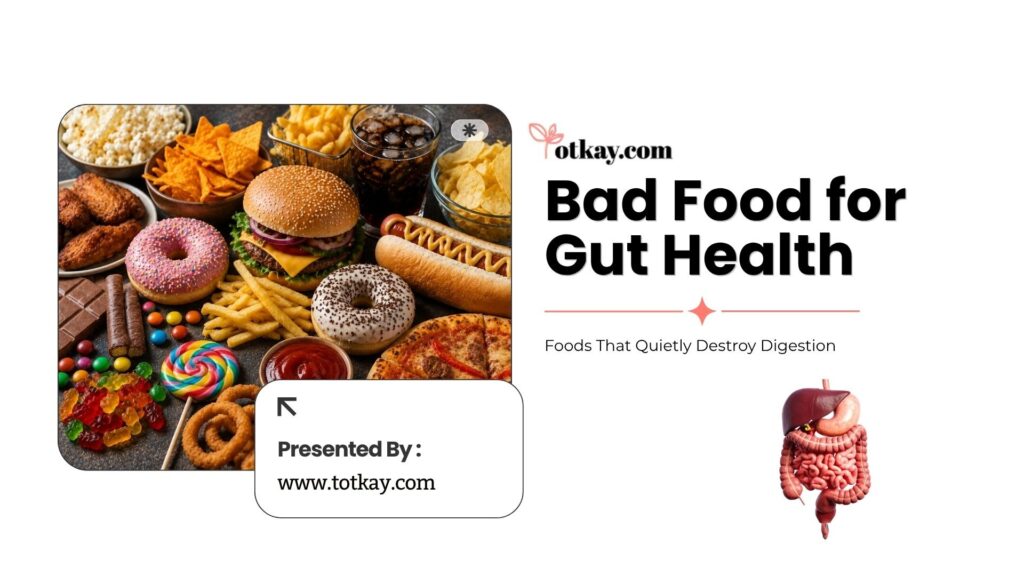
Many people blame stress or age for digestive problems, but everyday foods often cause the real damage. Digestion issues develop slowly over years of poor eating habits. You might experience daily bloating, acidity, constipation, or severe fatigue after meals. Identifying bad food for gut health helps you stop this quiet destruction.
By removing gut-damaging foods and avoiding processed food, you allow your digestive system to heal. This guide reveals hidden digestion destroyers, explains common Pakistani food habits that cause pain, and shows you exactly how to choose smarter alternatives.
Why Your Gut Health Depends So Much on Daily Food Choices
Your stomach and intestines handle everything you eat every single day. Consistent food choices dictate whether your digestive system operates smoothly or struggles with inflammation.
Your Gut Bacteria React to What You Eat Daily
The human microbiome consists of trillions of tiny organisms living inside your intestines. These bacteria rely completely on your diet to survive and function. Feeding them correctly keeps digestion strong, while poor choices destroy their balance.
Understanding how bacteria react helps you protect your stomach. Monitor these critical factors to maintain proper balance:
- Bacterial starvation: Eating zero fiber starves good bacteria rapidly.
- Toxic overgrowth: Consuming excessive sugar causes harmful bacteria to multiply out of control.
- Acid imbalance: Highly processed foods alter stomach acid levels quickly.
How Poor Foods Can Increase Inflammation
Poor food choices can increase inflammation through several pathways. Ultra-processed foods often contain refined starches, additives, low fiber, excess salt, and unhealthy fats.
A large international BMJ study linked higher ultra-processed food intake with increased inflammatory bowel disease risk. People who consumed five or more servings of ultra-processed foods daily had an 82% higher IBD risk compared with those who consumed less than one serving daily.
This does not mean every person who eats processed food will develop disease. It does show that long-term food quality can affect gut inflammation risk.
Why Digestion Problems Often Build Slowly Over Time
People rarely notice digestive damage after one bad meal. The harm accumulates silently over months and years. Eventually, the gut lining weakens enough to cause daily discomfort.
Catching this slow damage early prevents severe medical issues later. Look for these gradual changes in your body:
- New sensitivities: Foods you once enjoyed suddenly cause severe gas.
- Bathroom changes: Your morning routine becomes irregular and difficult.
- Energy drops: You feel constantly sleepy immediately after eating lunch.
Signs Your Daily Diet May Be Damaging Your Gut
Your body always signals when something goes wrong internally. Recognizing these early warning signs and cutting out bad food for gut health helps you change your diet before serious illness occurs.
Constant Bloating After Meals
Bloating happens when gas builds up in your intestines. This trapped air stretches your stomach, causing sharp pain and visible swelling. It indicates that bacteria struggle to break down your food properly.
Frequent Acidity or Burning Sensation
Acidity often worsens after spicy, oily, fatty, or late-night meals. High-fat foods can remain in the stomach longer and increase acid reflux risk. Harvard Health lists fatty and fried foods, spicy foods, caffeine, carbonated drinks, and chocolate among common GERD triggers.
If acidity continues often, you should speak with a doctor instead of depending only on antacids.
Feeling Heavy & Sleepy After Eating
Heavy meals can make you feel slow and sleepy. This often happens after fried foods, large rice portions, bakery items, sugary drinks, or rich dinner meals.
Your digestive system uses more energy when meals contain too much fat, sugar, and refined flour.
Constipation Becoming Common
Healthy digestion requires regular, painless bowel movements. Constipation shows that food moves too slowly through your intestines. This slow movement causes toxins to remain in your body longer than necessary.
Ultra-Processed Foods That Quietly Harm Gut Bacteria
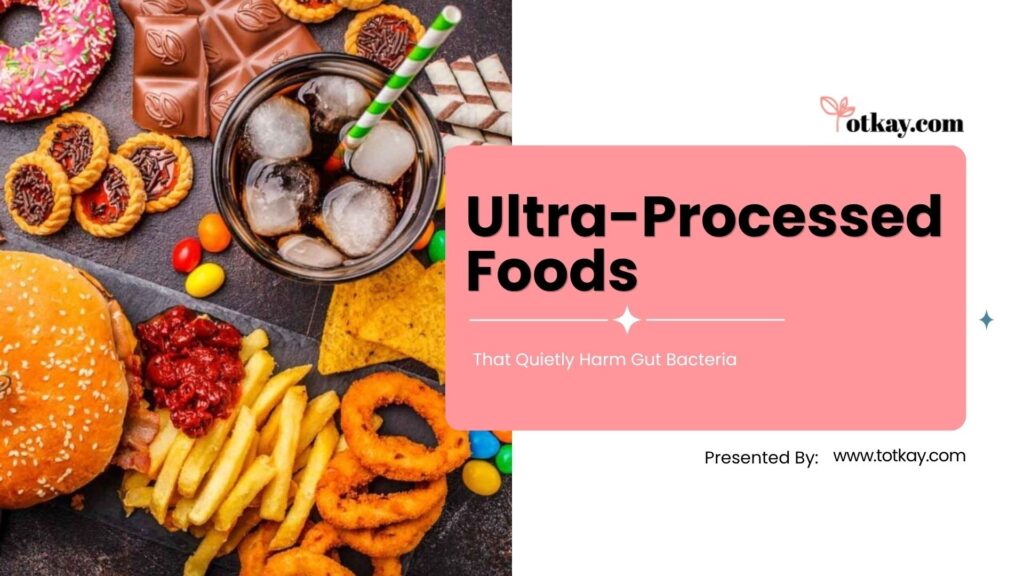
Factories create ultra-processed foods using cheap chemicals and artificial ingredients. These items, often considered a type of bad food for gut health, offer no nutritional value and can actively destroy healthy gut environments.
Avoiding processed food gut harm protects your long-term health.
Packaged Snacks Loaded With Additives
Chips, crackers, and packaged biscuits contain chemical preservatives that extend shelf life. These same chemicals kill off the healthy bacteria living inside you. They also contain unhealthy fats that cause extreme inflammation.
Replacing packaged snacks immediately improves your stomach comfort. Check ingredient labels for these harmful additions:
- Artificial colors: Synthetic dyes irritate the sensitive intestinal lining.
- Hidden sodium: Massive salt levels dry out your digestive tract.
- Chemical preservatives: Shelf-life extenders act like poison to beneficial gut flora.
Frozen & Instant Convenience Foods
Instant noodles and frozen meals sacrifice nutrition for quick preparation. They are considered bad food for gut health because they lack the natural fiber your digestive system needs to function.
Cooking fresh meals provides the fiber that convenience foods lack. Avoid these specific quick-meal traps:
- Instant noodles: Deep-fried noodles block your intestines and cause constipation.
- Frozen dinners: Microwave meals contain massive amounts of hidden sodium.
- Instant soups: Powdered soups rely entirely on artificial flavorings instead of real vegetables.
Artificial Flavorings & Preservatives
Food companies use artificial chemicals to make cheap food taste better. Your stomach does not recognize these laboratory creations as real food. The body treats these chemicals as invaders, triggering an inflammatory response.
Highly Processed Fast Food Meals
Fast food chains design their meals to trigger cravings, not to provide health. These meals, often combining damaged fats with refined flour, are a nightmare for digestion and a prime example of bad food for gut health.
Regular consumption of fast food like this can lead directly to chronic stomach pain.
Sugary Foods That Feed Bad Gut Bacteria
Sugar acts like a super-fertilizer for the harmful bacteria in your stomach. When bad bacteria multiply, they crowd out the good bacteria you need for digestion. Stopping sugar gut bacteria overgrowth requires strict dietary discipline.
Soft Drinks & Sweetened Beverages
Sodas and sweet juices flood your system with liquid sugar instantly. This massive sugar spike causes harmful yeast and bacteria to multiply rapidly. The carbonation also traps painful gas inside your stomach.
Drinking plain water heals the damage caused by sugary beverages. Stop drinking these specific harmful liquids:
- Cola drinks: Dark sodas contain phosphoric acid that damages your stomach lining.
- Energy drinks: Massive caffeine and sugar doses create severe acid reflux.
- Boxed juices: Factory juices remove all fruit fiber and leave only concentrated sugar.
Bakery Desserts & Packaged Cakes
Commercial bakeries use refined white flour mixed with massive amounts of white sugar. This combination turns into a glue-like substance inside your intestines. It slows down digestion and feeds harmful bacteria simultaneously.
Excessive Sugar in Tea & Coffee
Many people consume multiple cups of sweet tea or coffee daily. Adding two spoons of sugar to each of your five daily cups equals a massive sugar overload. This constant sugar drip is a prime example of bad food for gut health, as it keeps harmful bacteria constantly fed and active.
Daily Eating Habits That May Quietly Destroy Digestion
Traditional diets in Pakistan and India feature incredible spices and flavors. However, modern lifestyle changes make some traditional eating habits incredibly harmful to the stomach. Adjusting these local habits prevents severe digestive disease.
Heavy Fried Breakfasts Every Morning
Starting the day with deep-fried parathas and oily curries overwhelms a resting stomach. The heavy fats require massive amounts of bile and stomach acid to break down, making this meal a prime example of bad food for gut health.
Lighter breakfasts give your digestive system a gentle start. Avoid these specific morning mistakes:
- Deep-fried parathas: Oil-soaked bread slows down morning digestion completely.
- Heavy meat curries: Eating heavy beef or mutton in the morning overworks the liver.
- Sugary halwa: Traditional sweet breakfasts cause an immediate blood sugar crash.
Eating Spicy Heavy Dinners Late at Night
Many families in Pakistan eat heavy, spicy meals at 10:00 PM or later. Lying down immediately after a heavy meal forces stomach acid into the throat. This habit causes chronic acid reflux and ruins sleep quality.
Eating earlier allows your stomach to empty before bedtime. Change your dinner habits with these specific steps:
- Eat before eight: Finish your last meal at least three hours before sleeping.
- Reduce night spices: Keep dinner flavors mild to prevent nighttime acid production.
- Walk after dinner: Take a fifteen-minute stroll to help food move downward.
Very Low Water Intake Throughout the Day
Many people forget to drink plain water, relying only on tea and cold drinks. The intestines require abundant water to process fiber and move waste. Without water, digestion grinds to a painful halt.
Foods That Commonly Trigger Bloating & Acid Reflux

Certain foods act as direct triggers for digestive pain. They relax the stomach valve or produce excess gas during digestion, making them particularly bad food for gut health. Avoiding these specific triggers can provide rapid relief from daily discomfort.
Extremely Spicy Foods
Red chili powder and strong spices irritate the delicate stomach lining directly. They cause the stomach to produce excess acid to protect itself. This overproduction leads directly to painful burning sensations.
Managing spice levels allows your stomach lining to heal naturally. Avoid these specific spicy triggers:
- Raw chili powder: Uncooked red chili causes the most severe stomach irritation.
- Spicy sauces: Bottled hot sauces contain added vinegar that doubles the acid effect.
- Spicy junk food: Chips coated in spicy powders deliver concentrated chemicals to the gut.
Deep-Fried Oily Meals
Fried foods take the longest time for your stomach to process. To digest fried food digestion harm, the stomach holds the food for hours. This delay allows gas to build up, causing severe bloating and nausea.
Carbonated Drinks
Fizzy drinks pump actual air directly into your stomach. This air has nowhere to go, causing immediate stomach expansion and bloating. The acid in these drinks also erodes the protective mucus in your stomach.
Overly Processed Cheese & Sauces
Processed cheese products contain artificial emulsifiers that hold the fat and water together. These emulsifiers also strip away the healthy protective coating inside your intestines. This damage leads to a condition known as leaky gut.
Choosing natural whole foods protects your intestinal walls. Avoid these specific processed dairy items:
- Cheese slices: Factory cheese contains plastic-like chemicals that block digestion.
- Creamy salad dressings: Bottled creamy sauces use artificial thickeners that irritate the gut.
- Instant pasta sauces: Jarred sauces hide massive amounts of sugar and bad fats.
Hidden “Healthy” Foods That May Still Upset Digestion
Marketing labels confuse consumers into buying foods that actually hurt their stomachs. Just because a package says “healthy” does not mean your stomach agrees. If you suspect gluten gut sensitivity, you must read labels very carefully.
Flavored Yogurts Loaded With Sugar
Natural yogurt contains healthy probiotics, but flavored yogurt ruins this benefit. Fruit-flavored yogurts contain as much sugar as a candy bar. This sugar feeds bad bacteria, canceling out any probiotic benefits.
Processed Granola & Energy Bars
Store-bought granola often relies on cheap honey and vegetable oils to clump together. The heavy oats combined with massive sugar loads cause severe stomach heaviness. Energy bars often contain isolated fibers that cause extreme gas.
Artificial Fruit Juices
Drinking juice removes the protective fiber found in whole fruit. Without fiber, the fruit sugar hits your system instantly, causing inflammation. Many boxed juices also contain artificial colors and added white sugar.
Eating whole fruits provides the fiber your digestion desperately needs. Avoid these specific juice traps:
- Concentrated juices: Reconstituted juices lack natural vitamins and contain excess sugar.
- Juice cocktails: The word “cocktail” legally means the company added extra sugar and water.
- Clear apple juice: Filtered juices provide zero fiber and massive sugar spikes.
Gut-Damaging Foods vs Better Digestive Alternatives
Swapping bad foods for good alternatives provides the fastest path to healing. The table below shows exactly what to replace to fix your digestive issues. Making these simple swaps daily repairs the damage caused by bad food for gut health.
| Damaging Food | Why It Harms Digestion | Common Problem | Better Alternative | Time to Feel Relief |
| Sugary soft drinks | Increases inflammation rapidly | Bloating & acidity | Fresh lemon water | 24 to 48 hours |
| Fried fast food | Slows stomach emptying | Heaviness & gas | Grilled homemade chicken | 12 to 24 hours |
| Packaged snacks | Artificial chemical additives | Gut irritation | Mixed raw nuts | 3 to 5 days |
| Bakery biscuits | Refined sugar & flour | Chronic constipation | Whole grain oats | 2 to 4 days |
| Late-night spicy meals | High acid production | Nighttime acid reflux | Light early dinner | First night |
Conclusion
The worst foods for gut health usually damage digestion through repeated daily habits. Ultra-processed snacks, sugary drinks, fried foods, bakery items, carbonated beverages, and late-night spicy meals can increase bloating, acidity, constipation, heaviness, and fatigue after meals.
Science supports the link between diet quality, gut bacteria, inflammation, and digestive comfort. Consuming bad food for gut health, particularly ultra-processed items, can increase the risk of inflammatory gut diseases. Conversely, fiber-rich and fermented foods support beneficial gut bacteria and promote better digestive balance.
For more expert advice on nurturing your digestive system—from pregnancy to post-40—and a library of gut-friendly recipes, explore the Totkay.com.
Frequently Asked Questions
What foods are worst for gut health?
The worst offenders include ultra-processed snacks, deep-fried fast foods, and heavily sugared beverages. These items destroy healthy bacteria and cause severe inflammation. Removing bad food for gut health quickly relieves chronic bloating and daily stomach pain.
Can sugar damage gut bacteria?
Yes, high sugar intake acts as fertilizer for harmful bacteria and yeast in the intestines. When bad bacteria overgrow, they crowd out the beneficial bacteria you need for digestion. This imbalance directly causes excessive gas, severe bloating, and lowered immunity.
Why do fried foods cause bloating?
Fried foods take hours to break down because heavy oils overwhelm your digestive enzymes. As the food sits stagnant in your stomach, it begins to ferment and produce excess gas. This trapped gas stretches the stomach lining, causing painful, visible bloating.
Which Pakistani foods commonly worsen digestion?
Heavy morning parathas, excessive daily chai, and late-night spicy meat curries severely strain the digestive system. These habits overload the stomach with heavy fats and harsh acids. Replacing these with lighter meals and eating earlier prevents chronic reflux and constipation.
How can I improve gut health naturally?
You improve digestion by eating whole, fiber-rich foods like oats, vegetables, and homemade yogurt. Chewing food thoroughly, walking after meals, and drinking adequate water also provide immediate benefits. Consistency in these daily habits heals the stomach lining faster than extreme diets.
Are processed foods harmful for digestion?
Yes, artificial preservatives and chemical additives in packaged foods actively irritate the stomach lining. These chemicals destroy beneficial gut flora and provide zero usable nutrition. Avoiding processed food gut harm stops internal inflammation and restores your natural digestive speed.

Hi, I’m a dedicated writer at Totkay.com, passionate about sharing practical tips and solutions to make your life easier. Explore my articles for helpful insights and valuable advice. Stay connected for more expert content!