
Women Gut Health Hormones: Balance with Science & Totkay
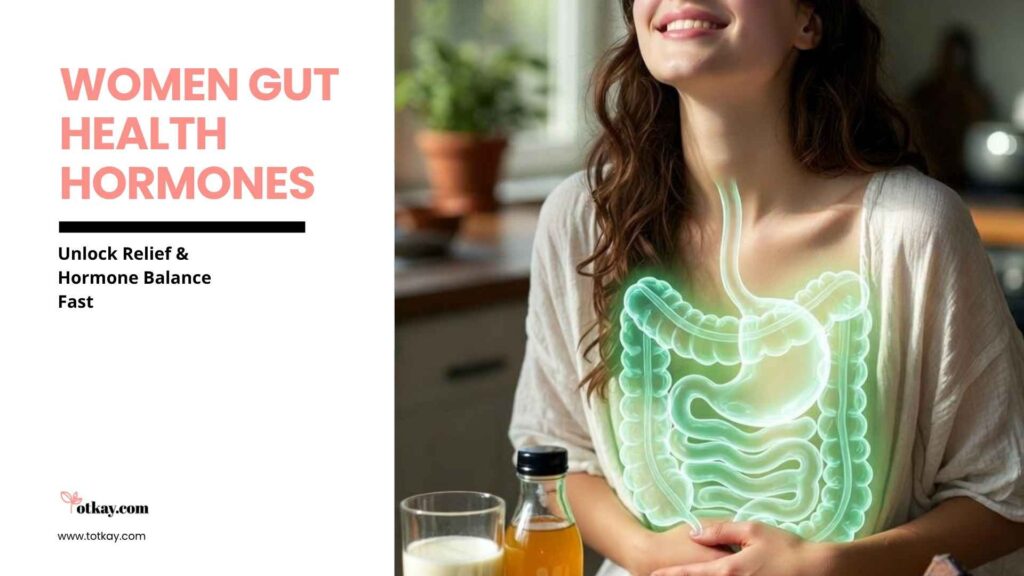
Women’s gut health hormones are intricately connected, with the gut microbiome playing a pivotal role in hormone regulation. The estrobolome, a specific collection of gut bacteria, determines whether estrogen is excreted or reabsorbed, directly impacting hormonal balance.
Poor gut health, caused by low microbial diversity or harmful bacteria, can lead to estrogen dominance, mood swings, and irregular periods. Supporting gut health through a balanced diet, fermented foods, and fiber-rich options like Singhara and Ispaghol promotes gut microbial diversity and hormone metabolism. Addressing gut imbalances is essential for maintaining hormonal health and alleviating symptoms like bloating and mood disorders.
The Gut-Hormone Connection Across Life Stages
The “3-Pillar” Gut-Hormone Table
| Life Stage | Core Concern | Gut Connection | Traditional ‘Totkay’ | 2026 Modern Edge |
| Menstrual (PMS/IBS) | Estrogen Dominance | Slow transit = reabsorbed estrogen | Singhara (Water Chestnut) for fiber/minerals | DIM-rich crucifers (Cabbage/Gobi) |
| PCOS / Insulin | Microbial Diversity | Low diversity = insulin spikes | Kalonji (Black Seed) with honey | Akkermansia probiotics |
| Perimenopause | Metabolic Drop | Reduced Lactobacillus abundance | Dahi (Yogurt) with flaxseeds | Collagen + Polyphenol loading |
| Stress (Adrenals) | Leaky Gut | Cortisol triggers inflammation | Saunf (Fennel) tea for calming | Vagal Tone (Breathwork rituals) |
Different stages of a woman’s life demand specific digestive support. You can combine traditional “totkay” with modern science to target these core concerns.
Menstrual Health and PMS
Estrogen dominance often causes severe premenstrual syndrome and irritable bowel syndrome. Slow gut motility allows the body to reabsorb estrogen. To combat this, consume Singhara (Water Chestnut) for its high fiber and mineral content. Modern science also recommends DIM-rich cruciferous vegetables like cabbage and cauliflower to process female sex hormones efficiently.
PCOS and Insulin Resistance
Polycystic ovary syndrome is closely linked to poor gut health. Low microbial diversity causes severe insulin spikes. Traditional wisdom suggests taking Kalonji (Black Seed) with raw honey. Modern specialists pair this with Akkermansia probiotics to promote gut microbial diversity and stabilize blood sugar.
Perimenopause
A sudden metabolic drop occurs during perimenopause. This transition features a reduced abundance of Lactobacillus bacteria in the gut. Eat fresh Dahi (Yogurt) topped with flaxseeds to introduce good gut bacteria. Modern practitioners enhance this routine through collagen and polyphenol loading.
Chronic Stress and Adrenal Fatigue
High stress hormone levels trigger inflammation and degrade the gut lining. This condition, often called leaky gut, severely impacts mental health. Drink Saunf (Fennel) tea to calm the digestive tract. You should also practice breathwork rituals to improve vagal tone and lower cortisol.
The Estrobolome and Estrogen Clearance
Your body relies on an enzyme called beta-glucuronidase to manage estrogen levels. High levels of this enzyme “uncouple” estrogen from waste products. This process sends the hormone back into circulation, leading to symptoms like heavy periods, mood swings, and abdominal discomfort.
Daily bowel movements serve as the most important mechanism to prevent estrogen dominance. Effective clearance stops the dangerous cycle of hormone recycling. Chronic constipation traps these hormones and creates a highly toxic gut environment.
Many women use Ispaghol (Psyllium husk) as a hormone-safe fiber to support gut motility. However, you must pair Ispaghol with exactly 32 ounces of water. If you consume it without adequate hydration, the fiber acts like cement. This creates a “hormone-trap” that worsens gastrointestinal symptoms and disrupts hormone function.
Traditional Pakistani Totkay with a Science Twist
Pakistani culture offers powerful remedies for digestive health. We can amplify these traditional foods using mechanical science and physiological insights.

Singhara (Water Chestnut)
Singhara functions as much more than a seasonal street snack. It features a unique, high-fiber profile that binds to excess hormones in the intestines. This fiber helps the body produce short-chain fatty acids, which lower inflammation and improve intestinal health.
Saunf (Fennel) and Ajwain
Chewing Saunf and Ajwain after meals stands as a foundational practice for supporting gut health. These seeds directly stimulate the gut-brain connection. The essential oils activate the vagus nerve, which calms the nervous system and enhances gut motility.
The Ghee Paradox
Many diet plans mistakenly eliminate traditional fats. However, pure A2 Desi Ghee is essential for hormone metabolism. Your body uses these healthy fats to produce hormones. Ghee also lubricates the digestive tract, which helps resolve chronic constipation.
Black Seed (Kalonji)
Kalonji plays a vital role in stabilizing the gut-skin axis. If you suffer from hormonal acne, black seed oil reduces the systemic inflammation driving the breakouts. It actively helps restore gut balance and improves skin health.
Mechanical Science: The Protocol for Digestion
Proper physical mechanics directly impact your bowel movements. You must physically align your body to support gut microbiota balance.
Un-kinking the Rectum
Standard modern toilets restrict natural elimination. Using a traditional “Pirhi” (low stool) elevates your feet and creates a 35-degree squatting angle. This exact posture relaxes the puborectalis muscle, allowing the digestive tract to empty.
The Gastrocolic Reflex
Your body possesses a natural ejection signal. You can trigger this reflex by timing your morning routine. Sit on the toilet exactly 20 minutes after drinking warm water or tea. This habit trains your body to clear waste and balance hormones daily.
Vagal Toning
You can instantly lower your stress hormone levels by stimulating the vagus nerve. Practice deep humming or gargling water for two minutes every morning. This practice improves gut function and supports mood regulation.
Cycle-Aware Gut Health
Your menstrual cycle dictates your microbial needs. You must adjust your diet based on your hormonal fluctuations.

The Follicular Phase (Days 1 to 14)
During the first half of your cycle, focus on repopulating your gut bacteria. Consume fermented foods and fresh Dahi. These foods introduce beneficial bacteria that help build a strong, healthy gut microbiome.
The Luteal Phase (Days 15 to 28)
During the second half of your cycle, focus strictly on clearance. You must increase your fiber and magnesium intake. This ensures daily elimination, which prevents severe premenstrual syndrome and mood disorders.
The Menopause Transition
Menopause introduces new physiological and clinical implications. You must manage the gut-bone axis carefully. Maintain optimal Vitamin D levels and consume microbial-assisted calcium to protect your skeletal structure.
Red Flags: When to Seek Medical Care
An unhealthy gut can mask severe medical conditions. You must seek immediate professional care if you experience the following warning signs.
- Encopresis (Overflow): Leaking liquid stool does not mean you have diarrhea. It often indicates a severe physical impaction or a hormonal “plug” blocking the colon.
- Period Migraines: If you experience blinding headaches before your period, you may have an overgrowth of histamine-producing gut bacteria.
- Severe Bloating: You must distinguish between standard irritable bowel syndrome and severe hormonal distension. Painful, rigid bloating requires a medical scan.
The Roadmap to Happy Hormones
You cannot achieve true hormonal balance if your gut remains inflamed. Healing your digestive system is the cornerstone of women gut health, hormones, and effective hormone regulation. By integrating proven scientific protocols with powerful cultural remedies, you gain complete control over your hormonal health and set the foundation for lasting well-being.
Are you meticulously tracking your cycle, or are you navigating the early stages of perimenopause? Share your current life stage in the comments section below. We will send you a customized 2026 Totkay routine tailored precisely to your needs.
Frequently Asked Questions
How does gut health affect women’s hormones?
The gut microbiome regulates hormone metabolism, including estrogen. A healthy gut ensures proper hormone clearance, preventing issues like estrogen dominance. Poor gut health can lead to hormonal imbalances, mood swings, and irregular periods. Supporting gut microbial diversity with fermented foods, fiber, and probiotics is essential for maintaining hormonal health.
What are the signs of poor gut health in women?
Symptoms include bloating, irregular periods, mood swings, and chronic constipation. Poor gut health disrupts hormone regulation, leading to estrogen dominance or insulin resistance. Addressing these issues with a balanced diet and gut-friendly practices can restore hormonal balance.
Can diet improve women’s gut health and hormones?
Yes, a diet rich in fiber, fermented foods, and healthy fats supports gut microbial diversity and hormone metabolism. Foods like Singhara, Ispaghol, and Dahi promote gut health, aiding in hormone regulation and reducing symptoms like bloating and mood disorders.
What is the estrobolome, and why is it important?
The estrobolome is a collection of gut bacteria that regulates estrogen metabolism. It determines whether estrogen is excreted or reabsorbed. A balanced estrobolome prevents estrogen dominance, supporting overall hormonal health and reducing symptoms like heavy periods and mood swings.
How can women maintain a healthy gut microbiome?
Focus on a balanced diet with fiber, fermented foods, and probiotics. Avoid ultra-processed foods and manage stress through practices like breathwork. These steps promote gut microbial diversity, improve digestion, and support hormonal balance.

Hi, I’m a dedicated writer at Totkay.com, passionate about sharing practical tips and solutions to make your life easier. Explore my articles for helpful insights and valuable advice. Stay connected for more expert content!
Related posts:
 Unlocking Natural Solutions: Totkay for Likoria Relief
 Natural Remedies to Maintain Vaginal pH Balance
 Naturally Tighten Vagina: Safe, Natural Ways to Improve Pelvic Health
 Feminine Hygiene Tips for Every Woman: Essential for Health and Comfort
 Raspberry Leaf Tea for Period Pain: Guide to Natural Cramp Relief
 Balance Hormones Naturally: Your 2026 Guide to Wellness