
Thrombosed Piles: Symptoms, Causes & Fast Treatment Options
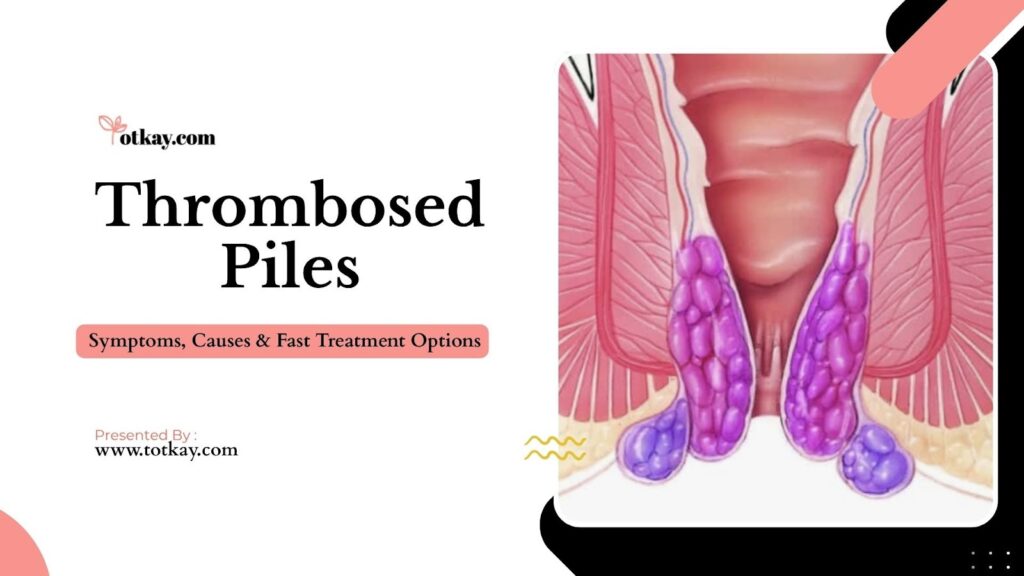
Thrombosed piles occur when a blood clot hemorrhoid forms inside a swollen blood vessel in the anal canal. This condition restricts blood flow and creates immense pressure. Patients typically experience severe anal pain that makes sitting or walking extremely difficult.
You will also notice a hard, bluish anal lump near the outside of the anus. Effective treatment focuses on dissolving the clot, reducing swelling, and managing the discomfort immediately.
Understanding this condition is the first step toward finding fast and lasting relief. Many people suffer in silence due to embarrassment. You do not have to endure the discomfort without help. Recognizing the signs early allows you to take action before the condition worsens.
What Are Thrombosed Piles?
A hemorrhoid is a swollen vein in the lowest part of your rectum and anus. Sometimes, blood pools inside these veins and forms a clot. Doctors call this a blood clot hemorrhoid. This typically happens in external hemorrhoids rather than internal ones.
The clot cuts off regular blood circulation and turns a regular hemorrhoid into a hard, painful mass.
Why Do Thrombosed Piles Cause Severe Pain?
Thrombosed piles cause severe pain due to a combination of factors that put immense pressure on a very sensitive area. Understanding why this happens can help clarify the source of your discomfort.
Here’s a breakdown of why the pain is so intense:
- Sudden Swelling: The blood clot forms quickly, causing rapid swelling in the hemorrhoid.
- Stretched Skin: The skin around the anus is stretched tightly over this newly formed hard clot.
- Nerve Pressure: This intense pressure triggers the many sensitive nerve endings in the anal region.
- Aggravation with Movement: Everyday actions like sitting, moving, or having a bowel movement apply even more pressure, irritating the nerves further and increasing the pain.
Common Symptoms of Thrombosed Piles
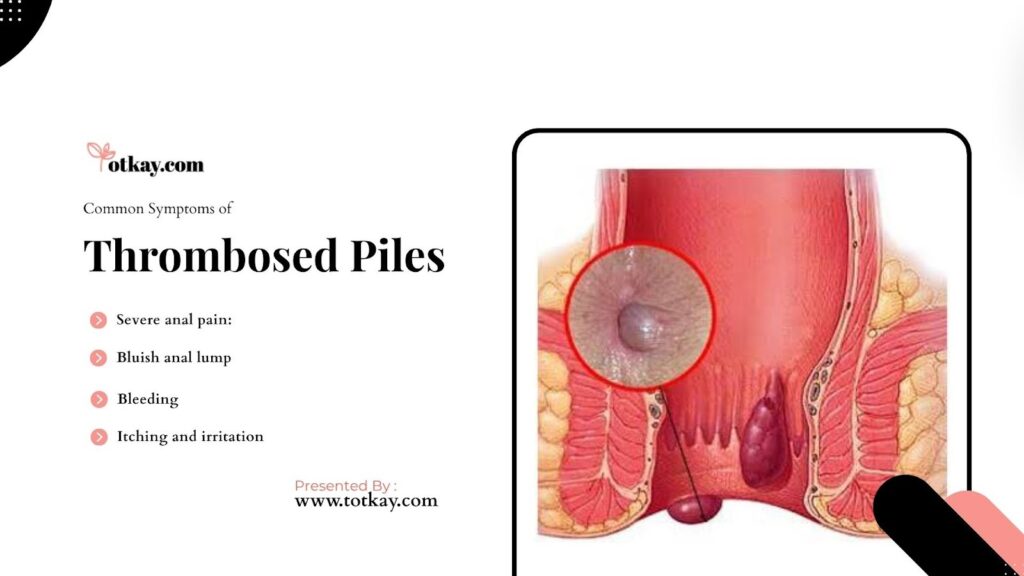
Identifying the issue correctly helps you choose the right course of action. You should look for specific physical signs that separate this condition from normal hemorrhoids. Consider these clear indicators to confirm your condition at home.
- Severe anal pain: You will feel a sharp, constant ache that worsens when you sit down or pass stool.
- Bluish anal lump: You will feel a hard, swollen bump near the anal opening that often looks blue or purple due to the trapped blood.
- Bleeding: You might see bright red blood on the toilet paper if the stretched skin breaks open.
- Itching and irritation: The swollen area will often feel itchy and highly sensitive to the touch.
Causes of Thrombosed Piles
Several daily habits and physical conditions put extra stress on your anal veins. Understanding these triggers helps you prevent future flare-ups. Pay attention to these common causes.
- Constipation: Hard stools force you to push harder, which damages the delicate veins in your lower rectum.
- Straining during bowel movements: Forcing a bowel movement rapidly increases blood pressure in the anal canal.
- Sitting for long hours: Remaining seated for extended periods restricts blood flow to the pelvic region.
- Pregnancy: The growing weight of the baby places heavy pressure on the mother’s pelvic veins.
- Low fiber diet: Eating too much processed food leads to poor digestion and difficult bowel movements.
Immediate Relief for Thrombosed Piles
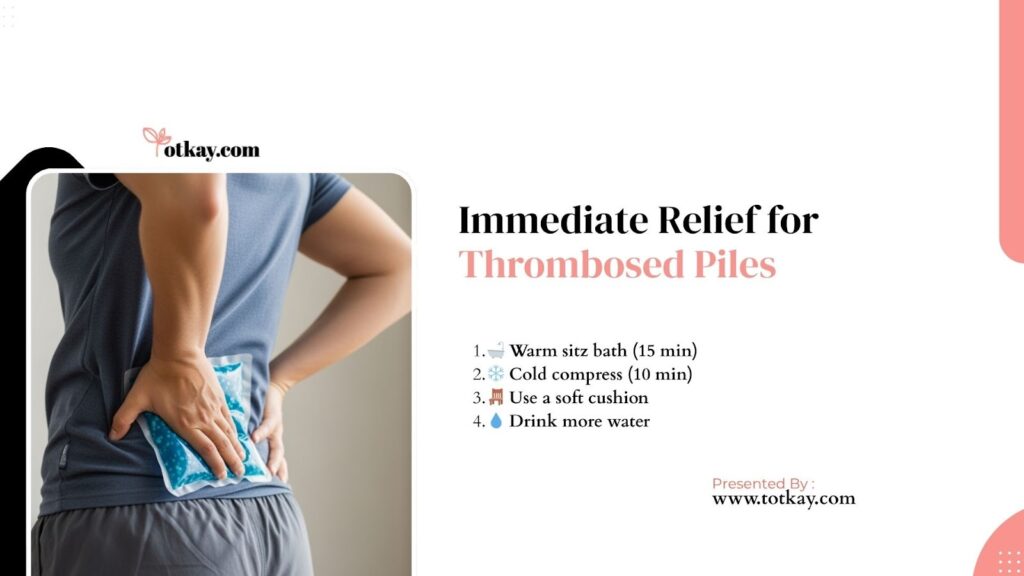
When the pain peaks, you need solutions that work right away. You can use several simple methods to calm the inflamed tissue. Follow these step-by-step actions for fast comfort.
- Take a warm sitz bath: Fill a shallow tub with warm water and soak the area for 15 minutes to relax the sphincter muscle and increase healing blood flow.
- Apply a cold compress: Wrap ice in a clean cloth and hold it against the swelling for 10 minutes to numb the pain and reduce inflammation.
- Avoid sitting on hard surfaces: Use a soft cushion or a donut pillow to remove direct pressure from the painful lump.
- Increase water intake immediately: Drink several large glasses of water to soften your stool and make your next bathroom trip easier.
Home Remedies (Desi Totkay for Relief)
Natural ingredients often provide excellent soothing properties for irritated skin. Generations of people have used these traditional methods to speed up healing.
Warm Water Soak with Epsom Salt
Soaking the affected area in a warm bath with Epsom salt can provide immediate relief. This simple remedy helps reduce swelling and inflammation by shrinking the swollen tissue. The warm water also soothes irritation, while the Epsom salt helps draw out toxins and improve blood flow, promoting faster healing.
Fiber-Rich Foods
Incorporating fiber-rich foods into your diet is crucial for long-term relief. Foods like papaya, figs, and leafy greens add bulk to your stool, which helps it pass more easily without irritating the sensitive lump. A high-fiber diet prevents constipation, a primary cause of hemorrhoids, ensuring smoother and less painful bowel movements.
Natural Oils
Applying natural oils like coconut or olive oil directly to the area can create a protective and soothing barrier. These oils have anti-inflammatory and moisturizing properties that reduce painful friction and calm irritated skin.
Regular application can help heal the tissue and prevent further tearing or discomfort during bowel movements.
Maximum Hydration
Staying well-hydrated is essential for digestive health and managing hemorrhoid symptoms. Drinking warm water with a squeeze of lemon in the morning can stimulate your digestive system and keep your bowels regular.
Consistent hydration softens your stool, making it easier to pass and reducing the strain that can worsen hemorrhoids.
When Should You See a Doctor?
Home care is not always enough to solve the problem. You must watch for signs that your body needs professional medical intervention. Seek a doctor if you notice any of these warning signals.
- Pain lasting more than a week: If the discomfort doesn’t improve with home remedies after a week, it’s time to get it checked.
- Heavy or continuous bleeding: While a few drops of blood can be normal, you should seek immediate medical attention for significant or ongoing bleeding.
- A hard lump: A thrombosed hemorrhoid can form a painful, hard lump near the anus and may require medical treatment to relieve the pain.
- Signs of infection: If you develop a fever, chills, or notice pus leaking from a hemorrhoid, see a doctor right away.
- Changes in bowel habits: If you notice unusual changes in your stool color or consistency, or if the bleeding is accompanied by dizziness or faintness, consult a healthcare professional.
How to Prevent Hemorrhoids
Keeping your digestive system healthy is the best way to avoid painful vein issues. You can make small daily changes to protect your body. Incorporate these healthy habits into your routine.
- Maintain a high-fiber diet: Eat plenty of whole grains, fruits, and vegetables every day. A fiber supplement can also help you reach the recommended daily intake.
- Stay fully hydrated: Drink at least eight glasses of water daily to keep your digestive tract lubricated and your stools soft.
- Don’t sit on the toilet for too long: Spending extended periods on the toilet, especially while scrolling on your phone, can increase pressure on the veins in your rectum.
- Avoid straining: Take your time in the bathroom and never force a bowel movement.
- Go when you feel the urge: Don’t hold in a bowel movement. Waiting can make your stool harder and drier, leading to straining.
- Keep your body moving: Exercise regularly to promote healthy blood circulation throughout your entire body and encourage regular bowel movements.
Final Thoughts
Thrombosed piles can be incredibly uncomfortable, but there are multiple ways to fight back. From home remedies to professional medical treatment, you can find a solution that works for you.
Remember, if the severe anal pain or the bluish lump doesn’t improve, it’s crucial to consult a specialist to discuss potential surgical removal. Taking care of your digestive health, staying hydrated, and listening to your body are key steps in your recovery.
For more valuable information about the types, causes, and treatments of piles, explore our other blogs at Totkay.com.
Frequently Asked Questions
What are thrombosed piles?
They occur when a blood clot forms inside a swollen hemorrhoid. This creates a hard, painful lump near the anal opening that makes sitting and walking very difficult.
Are thrombosed piles dangerous?
They are generally not life-threatening. However, they are extremely painful and can become infected if they burst or if you try to drain them yourself at home.
How long do thrombosed piles last?
The pain usually peaks within the first 48 hours. The lump will slowly begin to shrink and reabsorb into the body over the course of two to three weeks.
Can thrombosed piles heal without surgery?
Yes, most cases heal on their own with warm baths, rest, and a high-fiber diet. The body eventually breaks down the clot and absorbs the blood naturally.
What is the fastest way to relieve pain?
Taking a warm sitz bath followed by applying a cold ice pack provides the fastest temporary relief. For permanent instant relief, a doctor must perform a minor procedure to drain the clot.

Hi, I’m a dedicated writer at Totkay.com, passionate about sharing practical tips and solutions to make your life easier. Explore my articles for helpful insights and valuable advice. Stay connected for more expert content!
Related posts:
 Severe Period Pain on First-Day Home Remedies
 Improve Endurance Naturally: 10 Proven Ways to Go Further
 Natural Carb Blockers: 10 Pantry Hacks to Stop Weight Gain
 High Blood Pressure Remedy: 10 Tips for 2026
 Nature’s Chill Pill: 10 Herbal Stress Relief Tips (2026)
 What Causes Piles in Men? Expert Guide and Prevention Tips