
Piles vs Fissure: Symptoms, Differences, and Relief Tips
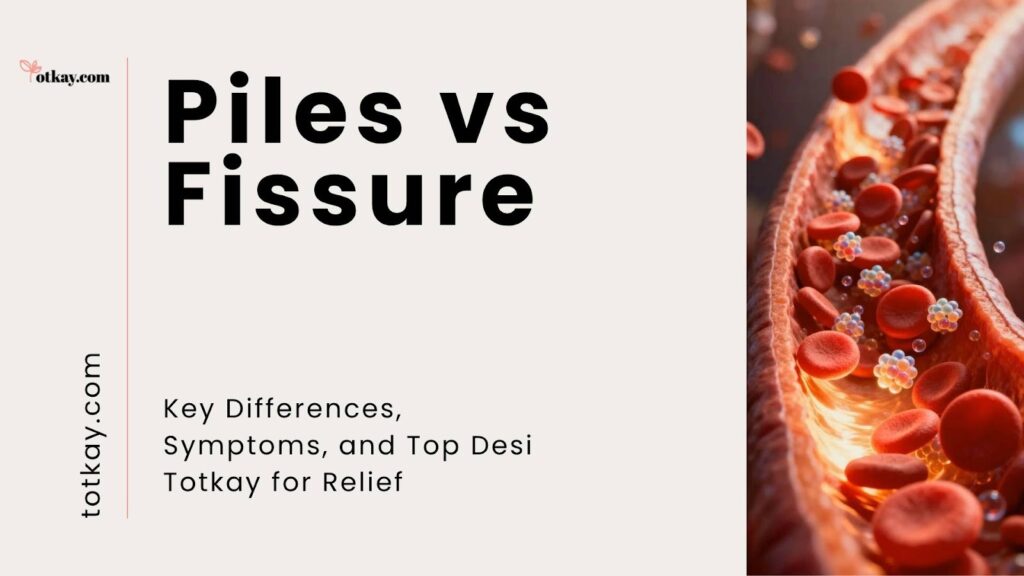
Piles vs fissures are distinct anorectal disorders with unique symptoms and causes. Piles, or hemorrhoids, are swollen blood vessels in the anal canal, often causing painless bleeding, itching, or a painful lump. Fissures, however, are small tears in the anal lining, leading to sharp pain during bowel movements and streaks of blood on toilet paper.
Both conditions can result from chronic constipation, passing hard stools, or excessive pressure. Proper diagnosis is essential, as treatments differ. While piles may require inflammation control, fissures often need muscle relaxation. Addressing these conditions promptly ensures effective relief and prevents complications.
Quick Comparison: Piles and Fissures At A Glance
Piles and fissures affect the anal area, but they are entirely different physical issues. Piles, also known as hemorrhoids, are swollen blood vessels. They act like inflamed cushions inside or outside the anal canal.
Fissures, on the other hand, are physical tears. An anal fissure occurs when the delicate lining of the anal canal rips.
You can often use the “one-second” rule for a quick assessment. If you experience painless bleeding, you likely have piles. If you feel a sharp pain during or right after a bowel movement, you likely have a fissure.
Anal Fissure: The “Papercut” that Will Not Heal
An anal tear feels similar to a severe papercut in a highly sensitive area. Passing hard stools causes trauma to the anal skin. This trauma creates a painful crack in the lower rectum.
This condition often triggers a severe muscle reaction. The trauma causes the tight anal sphincter muscles to lock up. This sphincter spasm restricts blood flow to the anal region. Without proper blood flow, the tissue cannot heal properly, leading to severe pain.
Medical professionals classify fissures based on duration. An acute fissure usually heals within a few weeks. If the tear and bleeding persist for more than six weeks, it becomes a chronic fissure. Chronic fissures require a professional proctology examination.
Piles (Hemorrhoids): The Swollen Vein Truth
Piles involve inflamed veins in the lower rectum. They generally fall into two categories: internal and external. Internal piles often cause painless rectal bleeding. External piles typically present as a painful lump or cause an itchy anal cavity.
Rectal bleeding from piles happens when the vessel wall thins and ruptures under pressure. This usually results in bright red blood dripping into the toilet bowl.
Piles progress through four distinct stages. They begin as minor internal swelling. Over time, excessive pressure can cause them to prolapse, meaning they bulge outside the anal opening.
Key Differences Table
Understanding the key difference between piles and fissures aids in recognizing your condition. Use this comparison to guide your self-assessment before seeking a doctor.
| Feature | Piles (Hemorrhoids) | Anal Fissure (Anal Tear) |
| Primary Symptom | Swelling, lumps, or itching | Sharp, cutting pain |
| Pain Timing | Dull ache throughout the day | Intense pain during and after stool |
| Bleeding Pattern | Bright red drips in the bowl | Streaks of blood on the toilet paper |
| Physical Feel | Soft, fleshy lumps | Tightness or a stinging crack |
| Main Cause | Straining, pregnancy, obesity | Constipation, passing hard stools |
Why Did This Happen? Causes & Risk Factors
Prolonged constipation and chronic diarrhea are the two primary culprits for anorectal disorders. These two extremes cause severe stress to the anal canal. Trouble passing stools requires excessive pressure, which damages blood vessels and the anal lining.
Your lifestyle habits play a massive role. Dehydration and unhealthy eating habits lead to hard stools. Sitting on the toilet for extended periods, often while using a phone, increases pressure on the lower rectum.
Certain medical conditions also increase your risk. Patients with Crohn’s disease or irritable bowel syndrome frequently experience these anal disorders. Furthermore, a chronic cough can create internal pressure that aggravates swollen veins.
Desi Totkay: Natural Home Remedies
You can manage many minor symptoms at home with traditional methods. However, you must separate the remedies to avoid confusion and ensure effective treatment.
For fissures, muscle relaxation is the primary goal. Warm sitz baths provide excellent relief. Soaking the anal area in warm water helps break the sphincter spasm. This allows blood flow to return and promote healing.
For piles, inflammation control is necessary. Apply cold compresses to the anal region to reduce swelling. Aloe vera application also soothes an itchy anal cavity and calms inflamed veins.
You must also address your digestion. Consume Isabgol (psyllium husk) mixed with warm milk and desi ghee before bed. This traditional method acts as a natural stool softener, ensuring easy bowel movements.
Medical Treatment & The Proctology Examination
If symptoms persist, you must seek medical attention. Doctors often prescribe topical options first. Calcium channel blockers and nitroglycerin ointments help relax the anal sphincter.
Modern medicine offers minimally invasive procedures for chronic conditions. Laser treatment provides an effective solution for piles with minimal pain. Doctors may use Botox injections to stop the muscle spasms associated with chronic fissures. Severe complications, like an anal abscess or infected gland, may require surgery.
Watch for serious red flags. If you experience fever, pus discharge, or unexpected weight loss, see a specialist immediately. These could indicate an anal fistula or rule out conditions like colon cancer.
Prevention: The 3-Pillar Rule
Prevention makes all the difference for long-term health. Implement the 3-pillar rule to avoid painful bowel movements.
- Fibre: Adopt a fiber-rich diet. Increase your intake of whole grains, fresh vegetables, and lentils to add bulk to your stool.
- Fluid: Follow the three-liter water rule. Adequate hydration keeps stools soft and easy to pass.
- Fitness: Engage in regular physical activity. Light walking improves bowel motility and reduces the risk of chronic constipation.
Conclusion & Summary
The health of your digestive tract is vital for your overall well-being. Recognizing the distinct symptoms of piles vs fissures allows you to apply the correct home remedies and lifestyle changes.
Do not let embarrassment prevent you from seeking help. If your occasional bleeding turns into a persistent issue or if you experience severe pain, consult a medical professional. A prompt proctology examination ensures proper diagnosis and sets you on the fastest path to recovery. Visit Totkay for more
Frequently Asked Questions
What is the difference between piles and fissures?
Piles are swollen blood vessels in the anal canal, causing itching, swelling, or painless bleeding. Fissures are small tears in the anal lining, leading to sharp pain during bowel movements. While piles often result from excessive pressure, fissures are caused by passing hard stools. Identifying the correct condition is crucial for effective treatment and relief.
What are the common symptoms of anal fissures?
Anal fissures typically cause sharp pain during or after passing stool, streaks of bright red blood on toilet paper, and a burning sensation in the anal region. Chronic fissures may also lead to tight anal sphincter muscles and delayed healing. If symptoms persist for more than six weeks, consult a proctologist for proper diagnosis and treatment.
How can I treat piles at home?
For mild piles, use cold compresses to reduce swelling and apply aloe vera for soothing relief. A fiber-rich diet, adequate hydration, and stool softeners like psyllium husk can prevent straining during bowel movements. Warm sitz baths can also alleviate discomfort. If symptoms persist or worsen, seek medical advice for advanced treatment options.
What causes rectal bleeding during bowel movements?
Rectal bleeding can result from piles, anal fissures, or other anorectal disorders. Piles cause bright red blood due to swollen veins, while fissures lead to streaks of blood from anal tears. Chronic constipation, excessive pressure, or passing hard stools are common triggers. Persistent bleeding may indicate severe complications and requires medical evaluation.
How can I prevent piles and fissures?
Prevent piles and fissures by adopting a high-fiber diet, drinking at least three liters of water daily, and engaging in regular physical activity. Avoid prolonged constipation or diarrhea, and limit time spent on the toilet. Warm sitz baths and proper hydration promote healing and prevent recurrence of anorectal disorders.

Hi, I’m a dedicated writer at Totkay.com, passionate about sharing practical tips and solutions to make your life easier. Explore my articles for helpful insights and valuable advice. Stay connected for more expert content!
Related posts:
 Severe Period Pain on First-Day Home Remedies
 Improve Endurance Naturally: 10 Proven Ways to Go Further
 Natural Carb Blockers: 10 Pantry Hacks to Stop Weight Gain
 High Blood Pressure Remedy: 10 Tips for 2026
 Nature’s Chill Pill: 10 Herbal Stress Relief Tips (2026)
 What Causes Piles in Men? Expert Guide and Prevention Tips