Piles in Women: Causes, Symptoms, and Natural Relief
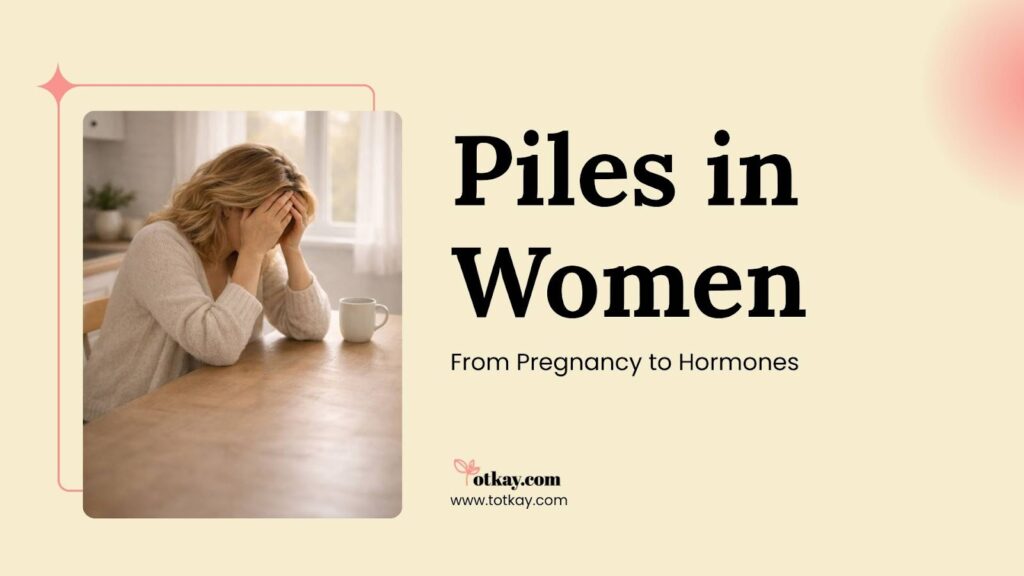
Women are more prone to piles due to unique biological factors like hormonal changes, pregnancy, and pelvic anatomy. Hormones like progesterone slow digestion, causing chronic constipation, a key trigger for piles in women. During pregnancy, increased blood supply and the baby’s weight exert excessive pressure on pelvic veins, leading to swollen blood vessels.
Post-delivery, the strain from labor further exacerbates the condition. To manage symptoms effectively, women should adopt a high-fiber diet, stay hydrated, and avoid prolonged sitting. Early diagnosis and appropriate treatment can prevent complications and provide relief from piles in women.
This guide aims to help you understand the unique female pressure points that lead to the development of hemorrhoids. You will learn to identify common symptoms, understand the risk factors, and discover how to manage symptoms effectively using natural methods and appropriate treatment.
The Biological “Why”: 5 Unique Causes for Women
Women face distinct physical and hormonal shifts that make them more vulnerable to swollen blood vessels in the anal canal.
Hormonal Changes and The Gut
Hormonal changes play a massive role in digestive health. Progesterone acts as the “relaxing” hormone in the female body. While it supports reproductive health, it also slows down digestion. This process leads to chronic constipation during menstrual cycles.
Pregnancy Hemorrhoids
Pregnant women carry a higher risk of developing piles. During pregnancy, a woman experiences a 50 percent increase in blood supply. The physical weight of the growing baby places increased pressure directly on the pelvic veins. This excessive pressure causes the veins to swell significantly.
The “Labor Push”
Post-delivery piles frequently occur. The intense intra-abdominal pressure required during the second stage of labor forces blood into the rectal veins. This intense strain causes rapid swelling and damages delicate blood vessels.
Pelvic Pressure and Anatomy
A woman’s pelvic structure naturally places more weight on the lower rectum and anal area. This anatomical design makes the rectal veins highly susceptible to engorgement. Excess body weight further compounds this issue, making healthy weight maintenance crucial.
Chronic Straining
A sedentary lifestyle damages delicate veins over time. Prolonged sitting at desk jobs restricts circulation. Combined with low-fiber diets, these habits lead to straining during bowel movements. You must avoid prolonged sitting to protect your anal and rectal area.
Comparing Piles in Women vs. Men
Understanding how the condition differs between genders helps healthcare providers determine the best treatment options.
| Feature | Piles in Women | Piles in Men |
| Primary Trigger | Pregnancy and hormonal cycles | Heavy lifting and chronic constipation |
| Hormonal Influence | High (Progesterone, Menopause) | Low (Mostly lifestyle) |
| Peak Life Stage | Childbearing years and menopause | Ages 45–65 |
| Common Type | Often prolapsed hemorrhoids (post-delivery) | Often internal or thrombosed hemorrhoids |
Symptoms: How to Identify Your Type
Identifying the correct type of piles dictates how you seek medical advice and choose treatment options.
Internal Piles
Internal hemorrhoids develop inside the lower rectum. They act as hidden bleeders. You usually do not feel severe pain, but you might notice bright red blood on the toilet paper or in the toilet bowl. Some women also notice a mucus discharge after passing stool.
External Piles
External hemorrhoids form under the skin around the anus. They appear as painful lumps and contain swollen veins. External piles remain highly sensitive to touch. They frequently itch, burn, and cause significant pain. Blood clots can form inside them, creating painful thrombosed hemorrhoids.
The Prolapse Journey
Internal piles can sometimes push outside the anal canal. Medical professionals grade this prolapse on a scale. Grade one remains inside. Grade four involves permanent swelling of the hemorrhoid tissue that you cannot push back in manually.
The “Hormonal Calendar”: When to Expect Flare-ups
Your hormonal cycle directly influences the blood vessels in your rectal area.
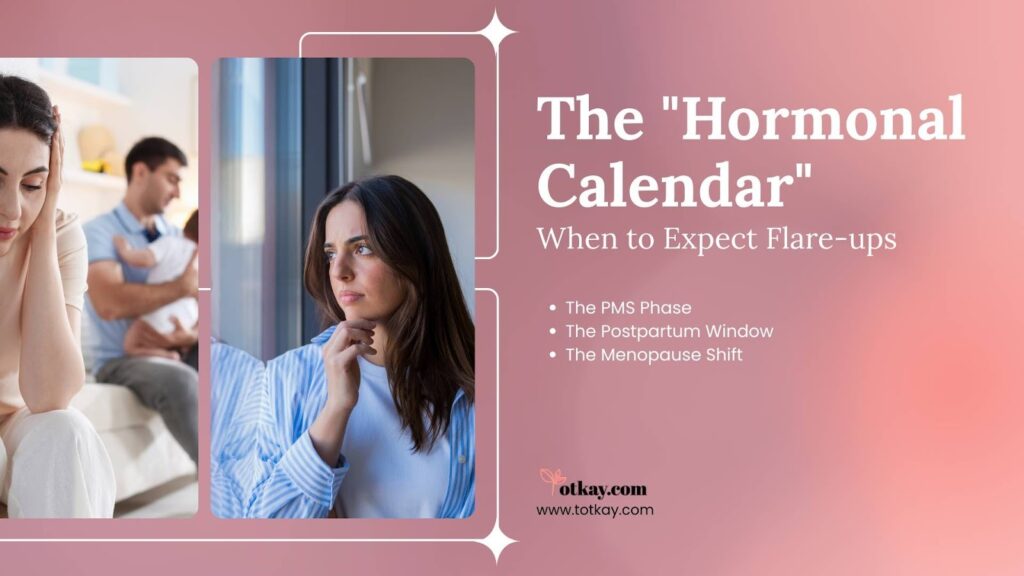
- The PMS Phase: Your period symptoms might feel significantly worse right before your period starts. Progesterone peaks during this time, slowing bowel habits and causing constipation.
- The Postpartum Window: The first six weeks after delivery remain critical for rectal health. Weakened pelvic floors exacerbate swelling and rectal bleeding.
- The Menopause Shift: Lower estrogen levels lead to thinner, more fragile tissues. This shift makes the veins more prone to tearing and swelling. Family history also plays a role during this phase.
Totkay Corner: Natural Relief for Women
You can relieve pain and reduce inflammation using natural, time-tested remedies.
- For Mothers-to-be: Try the “Anjeer” (Fig) soak. Soak two dried figs in water overnight. Consume them in the morning. This provides a gentle way to keep stools soft and prevent constipation.
- Post-Delivery Healing: Implement the 15-minute warm sitz baths ritual. Sitting in warm water soothes muscle spasms and increases blood flow to provide relief.
- Cooling the Burn: Apply cold compresses, chilled Aloe Vera gel, or Witch Hazel pads directly to external piles. These topical treatments reduce swelling and alleviate discomfort.
- The “Ispaghol” Secret: Psyllium husk (Ispaghol) serves as an excellent addition to a high fiber diet. You must drink it with plenty of water to avoid trapping the fiber in your gut.
Prevention: Building a “Piles-Proof” Lifestyle
Long-term comfort requires adjusting your daily habits to protect your pelvic veins.
The Squatting Posture
Elevate your feet using a small footstool while sitting on the toilet. This straightens the anorectal angle. It allows for easier bowel movements without excessive pressure.
Hydration and Diet
Incorporate whole grains, coconut water, and buttermilk into your daily meals. These items cool the digestive tract. A high fiber diet helps prevent piles by making passing stool effortless.
The 5-Minute Rule
Eliminate the habit of scrolling on your phone in the bathroom. Sitting on the toilet for prolonged periods increases pressure on your rectal veins. Limit your time to prevent developing piles.
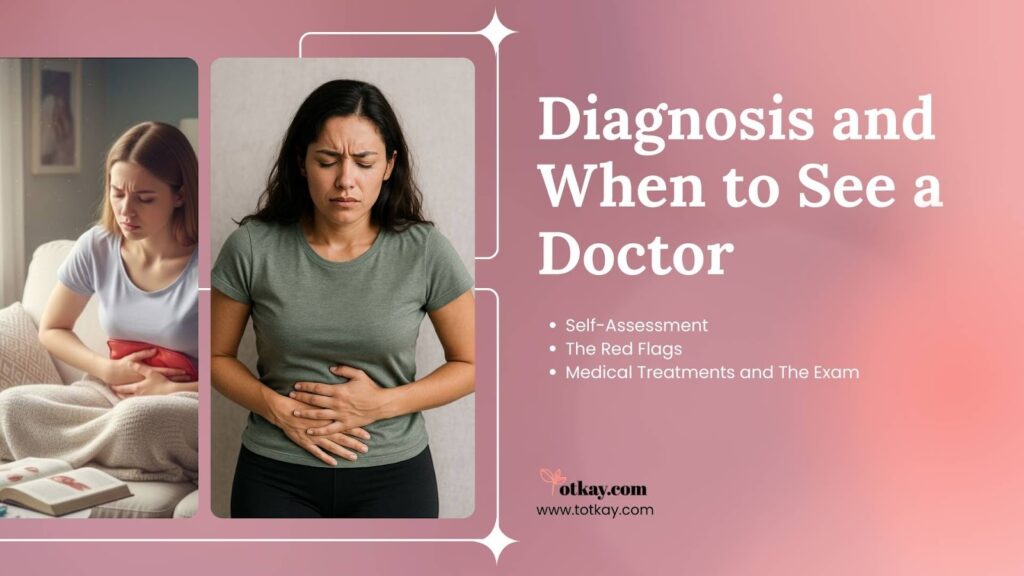
Diagnosis and When to See a Doctor
Knowing when to consult a healthcare professional prevents severe cases and rules out serious conditions like colorectal cancer.
Self-Assessment
Learn to differentiate between a simple irritation and a structural issue. If you feel a hard lump around the anus, you likely have a thrombosed hemorrhoid requiring medical intervention.
The Red Flags
You must stop home remedies and seek medical advice if you experience severe pain, heavy rectal bleeding, or a grade four prolapse. Do not ignore these warning signs.
Medical Treatments and The Exam
A clinical inspection is generally quick. The doctor will perform a visual check. They may conduct a digital rectal examination to assess the internal veins.
If natural remedies fail, your doctor might suggest medical treatments. Options include over-the-counter creams, pain relievers, or procedures like rubber band ligation and infrared coagulation. In severe cases, they might recommend surgical removal or laser treatment to eliminate the hemorrhoid tissue.
Conclusion: Reclaiming Your Daily Comfort
Piles in women are incredibly common, but they do not have to dictate your life. Take decisive action today understand your biological triggers,s and implement targeted strategies to manage symptoms effectively.
Make small, consistent changes in your diet and bathroom habits for long-lasting prevention. If you experience severe symptoms or complications, consult a qualified healthcare professional. Prioritize your health, take control, and reclaim your daily comfort now. Start your journey toward relief from piles in women today at Totkay.
Frequently Asked Questions
What are the common symptoms of piles in women?
Piles in women often present as swollen veins in the anal area, causing discomfort. Common symptoms include rectal bleeding, mucus discharge, itching, and significant pain during bowel movements. Internal hemorrhoids may cause bright red blood on toilet paper, while external piles can form painful lumps around the anus. Identifying these symptoms early helps in seeking appropriate treatment and preventing complications.
Why are pregnant women more prone to developing piles?
Pregnant women are at higher risk due to increased blood supply and the growing baby exerting pressure on pelvic veins. Hormonal changes, particularly elevated progesterone levels, slow digestion, leading to chronic constipation. This combination of factors causes swollen blood vessels in the rectal area, making piles a common issue during pregnancy. Adopting a high-fiber diet and staying hydrated can help prevent piles during this period.
How can I prevent piles caused by prolonged sitting?
Prolonged sitting restricts blood flow to the pelvic veins, increasing the risk of developing hemorrhoids. To prevent piles, take regular breaks to stand or walk, use a footstool to improve bowel posture, and avoid straining during bowel movements. Incorporating whole grains, fruits, and vegetables into your diet, along with staying hydrated, can also promote healthy bowel habits and reduce the risk of piles.
What are the natural remedies for piles in women?
Natural remedies for piles include warm sitz baths to relieve pain and reduce inflammation, applying chilled Aloe Vera or Witch Hazel pads for external piles, and consuming psyllium husk (Ispaghol) to prevent constipation. Pregnant women can try soaking figs (Anjeer) overnight and consuming them in the morning for gentle relief. These remedies help manage symptoms effectively while promoting long-term rectal health.
When should I seek medical advice for piles?
Seek medical advice if you experience severe pain, heavy rectal bleeding, or a prolapsed hemorrhoid that cannot be pushed back. Persistent symptoms like mucus discharge, significant discomfort, or signs of anemia (e.g., fatigue) also warrant a consultation. A healthcare professional may recommend treatments like rubber band ligation, infrared coagulation, or surgical removal for severe cases. Early diagnosis ensures effective management and prevents complications.

Hi, I’m a dedicated writer at Totkay.com, passionate about sharing practical tips and solutions to make your life easier. Explore my articles for helpful insights and valuable advice. Stay connected for more expert content!