
Diabetes Herbal Remedy: A Guide to Natural Sugar Control
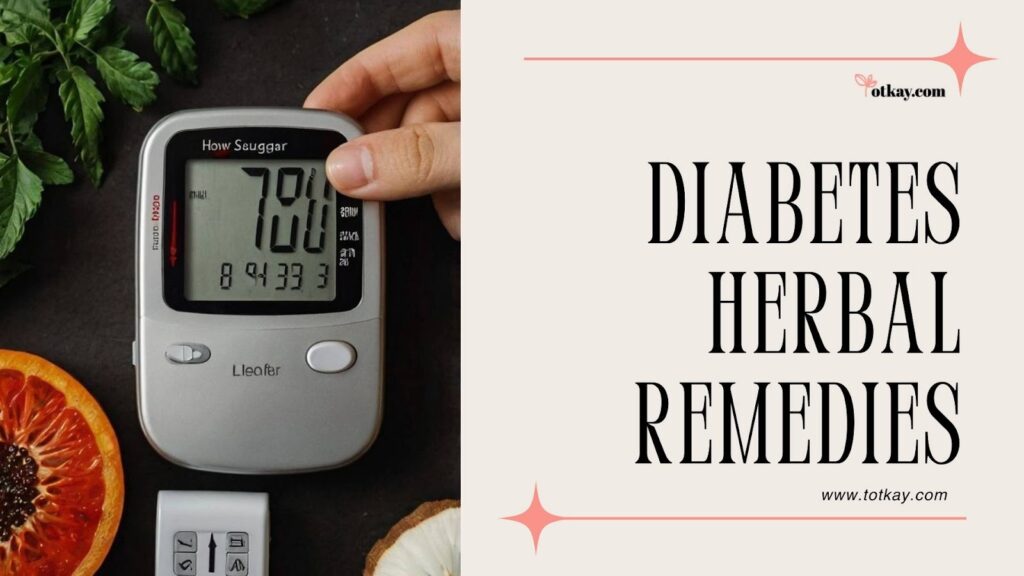
Diabetes goes beyond being a mere reading on a glucose monitor. It signifies that your body’s metabolic rhythm is out of sync. For years, the approach has been primarily pharmaceutical. However, a shift is happening.
Medical professionals are increasingly recognizing the power of certain botanicals through the use of diabetes herbal remedy options, with some cardiologists even calling herbs like Berberine “Nature’s Metformin.”
The goal is not to replace your prescribed treatment but to supplement it. This guide will teach you how to use herbal chemistry to assist your cells in unlocking sugar for energy, offering a path to better natural blood sugar control.
The Glucose Guardian Comparison
Understanding how each herb works can help you choose the right one for your needs. Each plant contains unique bioactive compounds that interact with your body in specific ways. This table provides a quick reference to some of the most effective herbal remedies for diabetes management.
| Herbal Remedy | Key Bio-Active | Best Time to Take | The “Sensory” Sign |
| Gymnema (Gurmar) | Gymnemic Acid | Before sweets | Sugar will taste bland or like “sand” for about 60 minutes. |
| Fenugreek (Methi) | Galactomannan | 30 minutes before breakfast | You may notice a slight maple-like scent in your sweat. This is normal. |
| Ceylon Cinnamon | Cinnamaldehyde | With carbohydrate-heavy meals | You feel a warm, steady energy after eating, not a slump. |
| Bitter Melon (Karela) | Charantin | On an empty stomach | Sweet cravings are noticeably reduced throughout the day. |
| Berberine | AMPK Activator | With your heaviest meal (e.g., lunch) | You avoid the “post-meal coma” or brain fog. |
10 Comprehensive Diabetes Herbal Remedy Techniques
Incorporating these herbs into your daily life is both easy and beneficial. These ten methods, or “totkay,” are designed to support your body’s natural processes for managing blood sugar.
1. The “Gurmar” Trick (The Sugar Destroyer)
Gymnema Sylvestre, known as Gurmar, has a remarkable effect on your perception of sweetness. The gymnemic acid molecules in its leaves are so similar in structure to sugar that they fit into the same receptors on your tongue. By plugging these receptors, Gurmar effectively blocks your ability to taste sweetness.
The Method: When a sugar craving strikes, chew one or two fresh Gurmar leaves or take a drop of extract. Sweets will taste bland, instantly killing the urge to indulge.
2. The “Activated” Methi Soak
Fenugreek, or Methi, seeds are rich in soluble fiber. This fiber, called galactomannan, forms a gel-like substance in your stomach. This gel slows down the digestion of carbohydrates and the subsequent absorption of sugar into your bloodstream.
The Method: Soak two teaspoons of fenugreek seeds in a glass of water overnight. In the morning, chew the softened seeds (the slimy texture is where the beneficial fiber resides) and drink the water.
3. Ceylon vs. Cassia: The Cinnamon Truth
Not all cinnamon is created equal. The common Cassia variety contains high levels of coumarin, which can be harmful to the liver in large doses. Ceylon cinnamon, on the other hand, is safe for regular consumption and contains compounds that improve insulin sensitivity.
The Method: Stir half a teaspoon of authentic Ceylon cinnamon into your morning coffee, oatmeal, or smoothie. This simple addition helps your cells respond more effectively to insulin.
4. Berberine: Nature’s Metformin
Berberine is a potent bioactive compound extracted from several different plants. Its primary mechanism is the activation of an enzyme called AMP-activated protein kinase (AMPK). This is often called a “metabolic master switch” because it plays a crucial role in regulating metabolism, the same pathway targeted by some pharmaceutical diabetes drugs.
The Method: Take a standardized Berberine supplement with your largest or most carbohydrate-heavy meal to help prevent a sharp post-meal blood sugar spike.
5. The “Bitter Shot” (Karela & Amla)
Bitter Melon, or Karela, contains a compound called Polypeptide-p, which functions similarly to insulin. It helps glucose from the blood enter your cells for energy. Amla, or Indian Gooseberry, is packed with Vitamin C, an antioxidant that helps the body better absorb and utilize the compounds in bitter melon.
The Method: Mix 30ml of fresh Karela juice with 10ml of Amla juice. Drink this “bitter shot” for a powerful, plant-based insulin-like effect.
6. Ginger (Adrak) for HbA1c Control
The active compounds in ginger, known as gingerols, can have a significant impact on long-term blood sugar control. They help your muscles absorb glucose from the bloodstream, a process that can reduce the overall need for insulin. Consistent use can contribute to a lower HbA1c, which is your three-month average blood sugar level.
The Method: Sip on warm ginger water (made by steeping fresh ginger slices in hot water) throughout the day. Ensure you do not add any sugar.
7. Holy Basil (Tulsi) Morning Ritual
Holy Basil, or Tulsi, is an adaptogenic herb that supports overall metabolic health. It is believed to help protect the pancreas and support the function of its beta-cells, which are responsible for producing insulin.
The Method: Start your day by chewing three to five fresh Tulsi leaves on an empty stomach. This simple ritual helps prime your pancreas to manage the food you will eat later.
8. The “Starch-Blocking” ACV Anchor
Apple Cider Vinegar (ACV) contains acetic acid. This acid has been shown to interfere with the enzymes that break down starches into simple sugars. By slowing this process, ACV helps prevent rapid spikes in blood glucose after a carbohydrate-rich meal.
The Method: Mix one tablespoon of raw, unfiltered Apple Cider Vinegar into a large glass of water. Drink this during your meal, especially when eating rice, bread, or potatoes.
9. Jamun Seed Powder (The Ancient Secret)
Jamun, or Black Plum, is a fruit whose seeds have been used in traditional medicine for centuries. The seeds contain alkaloids that have been observed to prevent the rapid conversion of starch into sugar, thus helping maintain stable blood glucose levels.
The Method: Collect the seeds from the Jamun fruit, allow them to dry completely, and then grind them into a fine powder. Take one teaspoon of this powder with water before your lunch.
10. Moringa (Sohanjna): The Nutrient Stabilizer
High blood sugar can cause oxidative stress, a type of “internal rust” that damages cells and tissues over time. Moringa leaves are a powerhouse of antioxidants that combat this damage. While not directly lowering sugar, it helps mitigate the long-term complications associated with diabetes.
The Method: Sprinkle half a teaspoon of Moringa leaf powder onto cooked foods like lentils (Daal), soups, or stews once a day to boost your antioxidant intake.
A Critical Safety Warning: The “Double-Drop”
Combining these powerful herbs with prescribed diabetes medication can sometimes lower your blood sugar too much, a condition known as hypoglycemia. This can cause dizziness, confusion, and weakness. It is crucial to monitor your blood sugar levels closely when you introduce any new remedy into your routine. Always start with a small dose and consult your healthcare provider.

Furthermore, the quality of herbal supplements varies greatly. Unlabeled or unverified powders can be ineffective or even contaminated. Always purchase your herbs and supplements from trusted, reputable sources that provide clear labeling and standardization information.
Conclusion: Your 24-Hour Ritual for Better Health
These diabetes herbal remedy options act as metabolic “co-pilots.” They perform best when you are in the driver’s seat, making healthy lifestyle choices. Pairing these natural strategies with something as simple as a 15-minute walk after meals can amplify their benefits, creating a comprehensive approach to natural blood sugar control. Start with what you have, be consistent, and listen to your body.
Are you ready to take charge of your health journey? Explore more about diabetes herbal remedies, or share your own experiences and questions in the comments below. Your story could inspire others on their path to better sugar control with Totkay!
Frequently Asked Questions (FAQs)
What are the best diabetes herbal remedies?
The best diabetes herbal remedies include Gurmar, Fenugreek, Ceylon Cinnamon, Bitter Melon, and Berberine. These herbs help regulate blood sugar naturally and support metabolic health.
How does Berberine help with blood sugar control?
Berberine activates AMPK, a key enzyme that improves insulin sensitivity and reduces blood sugar spikes, making it a powerful natural remedy for diabetes management.
Is Ceylon Cinnamon better than Cassia for diabetes?
Yes, Ceylon Cinnamon is safer and more effective for diabetes as it improves insulin function without the harmful coumarin found in Cassia Cinnamon.
Can herbal remedies replace diabetes medication?
Herbal remedies like Bitter Melon and Tulsi can complement diabetes medication, but should not replace it. Always consult your doctor before making changes.
What is the role of Fenugreek in managing diabetes?
Fenugreek seeds are rich in soluble fiber, which slows sugar absorption and helps stabilize blood sugar levels when consumed regularly.

Hi, I’m a dedicated writer at Totkay.com, passionate about sharing practical tips and solutions to make your life easier. Explore my articles for helpful insights and valuable advice. Stay connected for more expert content!
Related posts:
 Severe Period Pain on First-Day Home Remedies
 Dant Dard Ka Fori Ilaj in Urdu
 Khiray ke Pani kay Fawaid
 Coconut Oil Best Use: Dry Skin and Hair Treatments – The Ultimate Guide by Dr. Nimra Chohan, Founder of Totkay.com
 Natural Detox Remedies: 10 Proven Paths to Wellness
 From Panic to Peace: 2026 Guide to anxiety home remedy