
Aromatherapy Blends: 7 Secrets for Powerful Oil Recipes
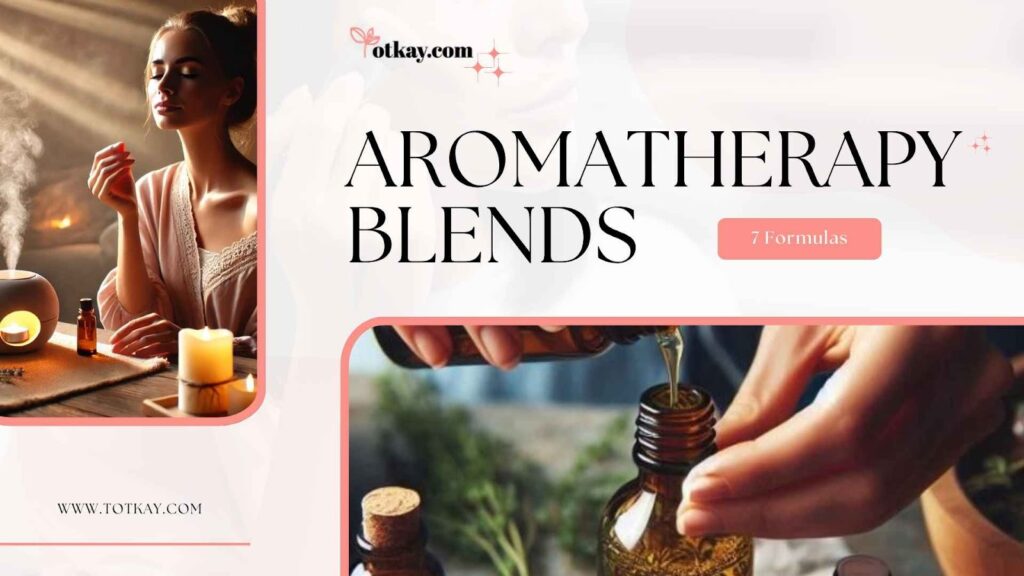
Have you ever walked into a space, caught the fresh aroma of lemon essential oil, and felt your spirits instantly rise? Or maybe the gentle scent of lavender emanating from an essential oil diffuser helped melt away the stress of your day.

These experiences showcase the remarkable benefits of a single essential oil. Now, imagine engaging your senses to become a true blending expert. Blending essential oils to create your own aromatherapy blends is a step beyond solo scents, transforming you from a passive admirer into a mindful formulator, skillfully crafting targeted solutions.
In this blog post, you will discover the alchemist’s handbook. We unpack the science behind essential oil blending, highlight the best essential oil blending tools, and reveal seven secret formulas to elevate your aromatherapy journey. You will move from simply enjoying aromas to designing highly effective, functional, blended essential oils.
This is a fantastic and comprehensive guide to essential oil blending! Here is the Table of Contents, clearly structured for easy navigation of the foundational science, the tools, the secret tricks, and the final recipes.
Unlocking the Potion: Laying the Foundation for Essential Oil Blending
Designing a powerful essential oil blend is both a creative art and an evidence-based science. It requires intention, knowledge, and respect for the natural compounds in pure essential oils and carrier oils.
What is DIY Essential Oil Blending and How Does Aromatherapy Work?
At its core, do-it-yourself essential oil blending means thoughtfully combining oils to achieve wellness, therapeutic, or aromatic goals. It is advanced compared to merely mixing scents you enjoy, allowing for more targeted topical application and diffusion.
The Science of Synergy:
Every successful aromatherapy blend is built on synergy. This is where the effects of multiple essential oils combine for benefits surpassing any single oil. Picture blending rosemary, lemon, peppermint, or geranium; their synergy produces a richer and more powerful blend than individual oils alone. Think of it as 1 + 1 = 3.
When you carefully mix essential oils, their unique constituents interact to enhance mood, ease stress, provide energy, and promote relaxation.
Why Blending Essential Oils Is Important:
Creating custom blends allows for a balanced fragrance profile, encompassing top notes, middle notes, and base notes for both immediate and enduring aromatic impact. Blending ensures holistic and longer-lasting benefits.
Whether you diffuse oils or apply them topically using a carrier oil, you achieve therapeutic results that a single oil may not offer.
Key Elements for Effective Essential Oil Blend Recipes:
For every successful essential oil blend, you must define your intent (e.g., sleep, focus, relaxation, energizing, or grounding), use safe dilution (combining equal amounts of essential oil and carrier oil as per guidelines), and achieve balanced note layering. The 30/50/20 rule (30% top notes, 50% middle notes, 20% base notes) helps you blend oils for a complex, harmonious scent.
Aromatherapy Alternatives: Choosing the Right Blend for You
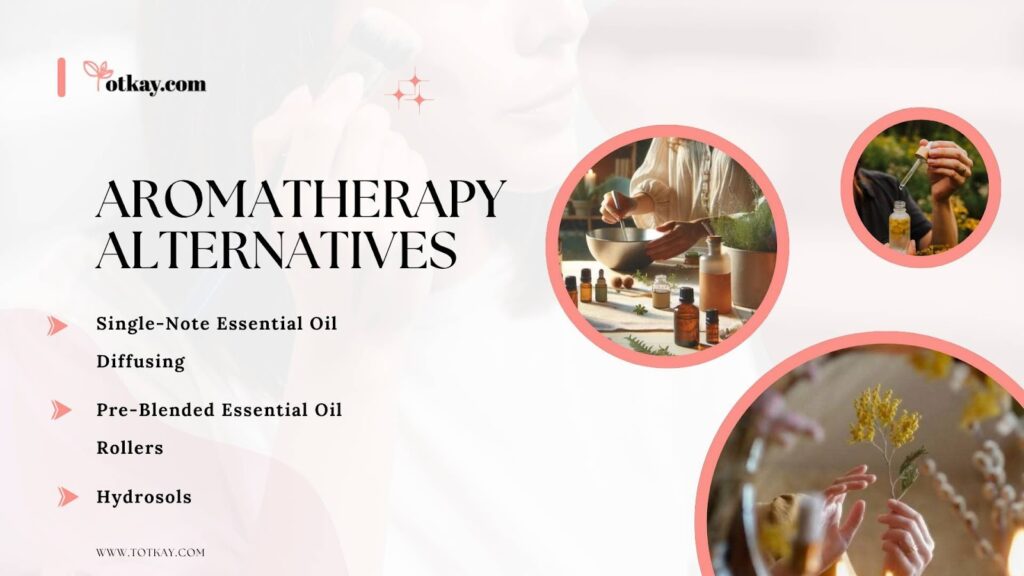
While blending essential oils at home offers creative freedom, several alternatives provide convenience and effectiveness:
- Single-Note Essential Oil Diffusing: For those new to aromatherapy, diffusing a single essential oil like lavender, sweet orange, or peppermint generates a targeted result. The simplicity of one floral essential oil or citrus oil makes it easy to boost mood or ease stress quickly.
- Pre-Blended Essential Oil Rollers: Seeking instant application? Pre-blended rollerball essential oil blends crafted with the best essential oils and carrier oils in safe proportions offer portable, expertly formulated solutions for topical use on skin, wrists, or temples to ease stress anytime.
- Hydrosols: These distilled water-based alternatives are perfect for sensitive individuals, children, pets, or when a lighter scent is preferred. Hydrosols work as facial toners, pet sprays, and fresh linen spritzers.
Why Spring Is the Perfect Season for Essential Oil Use
Spring embodies renewal. It is a powerful time to cleanse body and mind. Integrating citrus oils, herbs, and bright essential oil blends in diffuser blends is especially beneficial for mental “spring cleaning” and home air purification.
With seasonal allergies showing up, essential oils like peppermint, eucalyptus, lemon, and tea tree can be included in diffuser blends or applied topically (with proper dilution) to support clearer breathing and promote energy.
The Secret Vault: 7 Game-Changing Essential Oil Blend Tricks
Unlock these expert aromatherapy tips for using and creating unique essential oil blends and diffuser blends:
| Secret Trick | Recommended Essential Oil Blend Type | The Why & How |
| 1. The Scent-Memory Anchor | Calming/Focus (e.g., rosemary + lemon essential oil) | Create a diffuser blend used only during study sessions. Over time, your brain will connect these aromas with concentration. Refurbish the blend right before a big test for instant focus recall. |
| 2. Un-Scream De-Escalation Spray | Grounding (e.g., vetiver + lavender essential oil) | Prepare a spray bottle with this blend to ease stress. The grounding base notes calm rising tension, instantly readjusting the emotional energy in any room. |
| 3. Pre-Workout Thermal Boost | Warming (e.g., black pepper + sweet orange essential oil) | Combine oils with a carrier oil and apply topically before stretching. The warming feeling increases circulation, getting your body ready to move. |
| 4. Linen Drawer Refresh Protocol | Floral/Woodsy (e.g., geranium + cedarwood essential oil) | Add a small amount onto a cotton pad or clay disk for use in drawers. Enjoy weeks of fresh aromas and avoid chemical sprays. |
| 5. Instant Shoe Odor Purge | Antifungal & Minty (e.g., tea tree + peppermint essential oil) | Mix drops of these oils with baking soda and place in shoes overnight. Scent and anti-fungal activity blend to keep shoes fresh. |
| 6. DIY Humidifier Filter | Cleansing (e.g., eucalyptus + lemon essential oil) | Never mix oils directly in the water reservoir. Instead, use a diffuser blend by adding drops onto a cotton ball near the intake to freshen your air safely. |
| 7. The Travel Barrier Blend | Minty/Spicy (e.g., ginger + spearmint essential oil) | For trips, dab a blend under the nose or on a scarf. The strong aroma blocks unwanted smells, easing motion sickness. |
The Alchemist’s Toolkit: Preparation and Essential Equipment
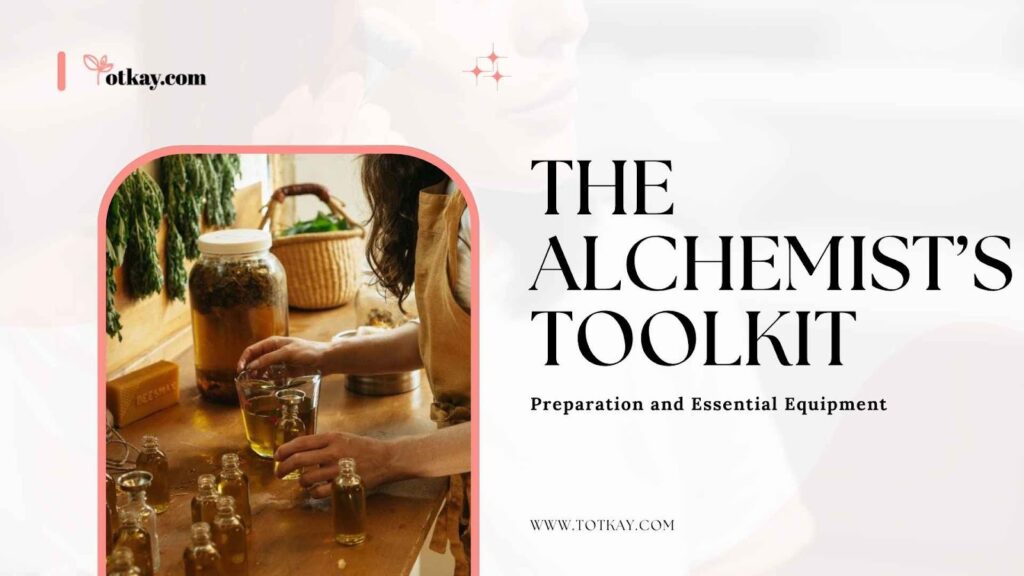
Each essential oil alchemist needs a carefully curated toolkit. Whether starting or specializing in blending essential oils, the right essential oil blending tools support accuracy, repeatability, and safety.
Must-Have Tools for Essential Oil Blending
Set up your aromatherapy and essential oil blending practice with these essentials:
- Aromatherapy Gear: Use dark glass bottles (10ml or 30ml are ideal) to store blends and maintain potency. Glass droppers, pipettes, or mini funnels help with measuring and transferring oils without waste. Waterproof labels are essential for keeping track of blend ingredients and recipes. Stock a variety of quality carrier oils such as jojoba, fractionated coconut oil, and sweet almond for safe topical application.
- Advanced Blending Tools: Experiment with blending strips for scent testing, use digital scales for weighing essential oil and carrier oil in equal amounts, and keep a reference chart of top notes, middle notes, and base notes to guide your recipes.
Harnessing Automation for Essential Oil Diffuser Blends
Transform your aroma experience by programming smart essential oil diffusers. Automate diffuser blends to match your day. For example:
- Diffuse a custom “Focus” essential oil blend in the morning (try peppermint, rosemary, and lemon for energy).
- Schedule a “Relax” floral essential oil blend with lavender, chamomile, and cedarwood in the evening for relaxation.
- Remember the “15 on / 45 off” rule: run your diffuser blend for 15 minutes, then pause for 45 minutes to prevent olfactory fatigue, extend the effects, and conserve oils.
Best Storage Practices for Blended Essential Oils
Preserve your essential oil blends by protecting them from light, heat, and air. Always store bottles in a dark, cool place away from direct sunlight and humidity. This keeps your blends smelling fresh, sweet, and potent, ensuring their benefits for skin, body, and air.
The Payoff: 7 Transformative Essential Oil Blends
Mixing your own blends unlocks both creativity and wellness. Here are master essential oil blend recipes for common needs:
7 Essential Oil Diffuser Blend Recipes for Wellbeing
| Blend Name | Purpose | Top Note (Immediate Effect) | Middle Note | Base Note |
| The Deep Woods Lullaby | Deep Sleep | Bergamot essential oil (3 drops) | Lavender (5 drops) | Vetiver (2 drops) |
| Zen Command Center | Clarity & Focus | Peppermint (4 drops) | Rosemary (3 drops) | Frankincense (3 drops) |
| Citrus Sunburst | Energy & Mood Boost | Sweet orange (4 drops) | Geranium (3 drops) | Patchouli (3 drops) |
| Guardian Shield | Allergy Support | Lemon (4 drops) | Eucalyptus (3 drops) | Tea tree (2 drops) |
| Inner Earth Grounding | Calm & Anxiety Relief | Lime (2 drops) | Clary sage (5 drops) | Cedarwood (3 drops) |
How many drops to use?
For most diffuser blends, mix 6–10 drops total per 200ml of water. For topical blends, dilute with carrier oil as recommended.
Essential Oil Safety and Best Practices
Aromatherapy blends deliver the best results with educated use. Pure essential oils are powerful whether applied topically or used in a diffuser blend. Follow guidelines:
- Dilution: Never use essential oils neat on the skin. Mix with a carrier oil such as jojoba or sweet almond, staying within a safe topical dilution (usually about 15 drops essential oil per 10ml carrier oil, or 3 percent).
- Note Cautions: Some citrus oils are phototoxic; do not apply before sun exposure. Avoid oils like clary sage, chamomile, and wintergreen during pregnancy or as otherwise contraindicated.
- Keep Oils Fresh: Distilled and fresh oils, when properly stored in dark bottles and cool places, retain their aroma, therapeutic qualities, and benefits for longer.
Now it is your turn to blend, diffuse, and create! Your journey as an essential oil alchemist starts here. Mix, experiment, and enjoy the endless benefits, aromas, and possibilities with totaky.
Frequently Asked Questions
What is an aromatherapy blend?
An aromatherapy blend combines multiple essential oils to create a synergistic effect, enhancing therapeutic benefits and creating a balanced scent profile.
Which essential oils blend well together?
Oils with complementary properties blend well, such as Lavender and Peppermint for relaxation and focus, or Lemon and Rosemary for energy and clarity.
What is the most relaxing scent in aromatherapy?
Lavender is widely regarded as the most relaxing scent, known for its calming and stress-relieving properties.
What is the prettiest-smelling essential oil?
Rose essential oil is often considered the prettiest, with its rich, floral, and luxurious aroma.
What are the three types of aromatherapy?
The three types are aesthetic aromatherapy (focused on scent), clinical aromatherapy (therapeutic use), and holistic aromatherapy (mind-body balance).

Hi, I’m a dedicated writer at Totkay.com, passionate about sharing practical tips and solutions to make your life easier. Explore my articles for helpful insights and valuable advice. Stay connected for more expert content!
Related posts:
 Severe Period Pain on First-Day Home Remedies
 Dant Dard Ka Fori Ilaj in Urdu
 Khiray ke Pani kay Fawaid
 Coconut Oil Best Use: Dry Skin and Hair Treatments – The Ultimate Guide by Dr. Nimra Chohan, Founder of Totkay.com
 Improve Endurance Naturally: 10 Proven Ways to Go Further
 The Chef’s Cookbook: 9 Secrets for low-calorie healthy recipes