
DIY Aromatherapy Blends: Essential Oil Recipes for Wellness in 2026
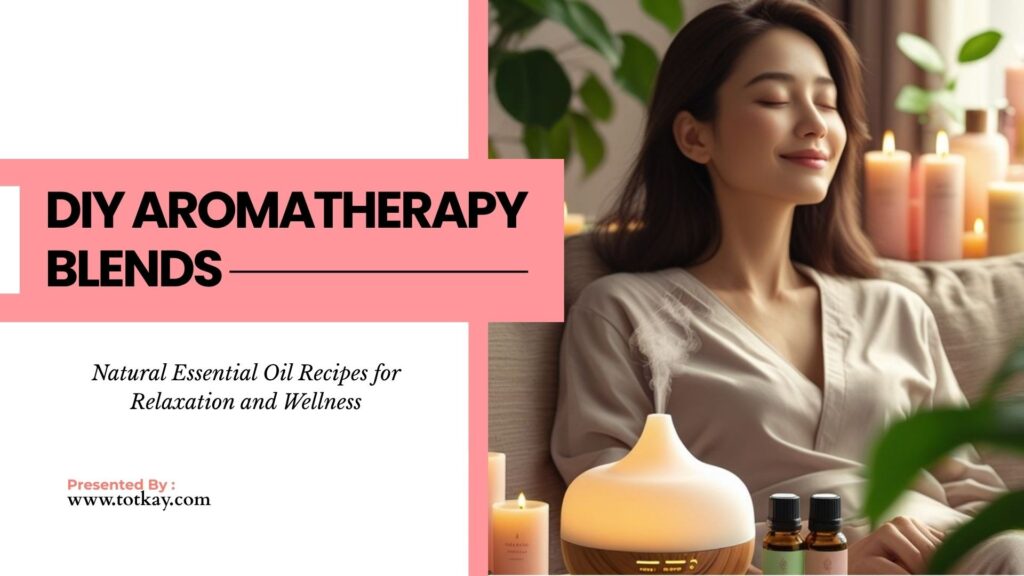
Instead of using artificial room fragrances, many people now create personalized DIY essential oil mixes for emotional wellness. These natural combinations provide a safe way to transform your home environment.
You can easily mix different plant extracts to form unique aromatherapy blends. Scent directly impacts your mood and stress levels. Creating these mixtures helps you build a calming atmosphere.
You will discover how to make powerful essential oil recipes for daily use. We provide simple steps to craft effective stress relief oils right in your kitchen.
Why Aromatherapy Feels So Powerful
The connection between your nose and your brain creates powerful physiological responses. Inhaling a soothing fragrance sends immediate signals to your nervous system.
How Smell Affects Emotions
Here’s how your sense of smell influences your emotions:
- Direct Brain Connection: Your olfactory system (your sense of smell) is directly linked to the limbic system, the emotional center of your brain.
- Instant Chemical Reactions: When you inhale an aroma, it triggers immediate chemical responses in your body.
- Calming Effect: This direct biological pathway is why certain scents, like lavender, can make you feel calm almost instantly.
Why Some Scents Relax You Instantly
Emotional associations play a massive role in how you perceive smells. Lavender and bergamot provide excellent examples of soothing botanical extracts.
Science shows these specific plants contain compounds like linalool and linalyl acetate, which can lower heart rates. Lavender, rich in these compounds, remains one of the most studied plants for relaxation and sleep support.
The Secret Structure Behind Great Aromatherapy Blends
Creating balanced aromatherapy blends requires understanding the different layers of scent. Perfumers categorize these layers into specific notes to build complex aromas.
Top Notes First Impression
Top notes provide the initial scent you experience when opening a bottle. Citrus oils usually fall into this fast-evaporating category. They deliver fresh and uplifting sensations that wake up your senses.
Middle Notes Heart of the Blend
Middle notes emerge right after the top notes begin to fade away. Lavender and rose serve as excellent middle notes for emotional balance. They tie the entire mixture together and provide lasting harmony.
Base Notes Grounding Layer
Base notes linger the longest and anchor the lighter scents. Sandalwood and cedarwood offer excellent grounding effects for any recipe. They provide a long-lasting calming effect that stays in the room for hours.
Your Guide to DIY Aromatherapy Blends
Selecting the right ingredients depends entirely on your specific wellness goals. Different combinations yield vastly different emotional and physical results.
Choose your objective carefully before mixing any liquids together. We have mapped out the most effective combinations for your daily needs.
| Goal | Best Oils | Effect | Best Use |
| Stress Relief | Lavender, chamomile, bergamot | Calming | Evening routine |
| Energy Boost | Orange, peppermint, lemon | Refreshing | Morning |
| Better Sleep | Cedarwood, lavender, vetiver | Relaxing | Bedtime |
| Focus and Clarity | Rosemary, peppermint | Mental clarity | Work or study |
The best DIY essential oil mixes depend on the feeling you want to achieve. Carefully match your ingredients to your desired emotional state.
Essential Oils Used in Natural Aromatherapy
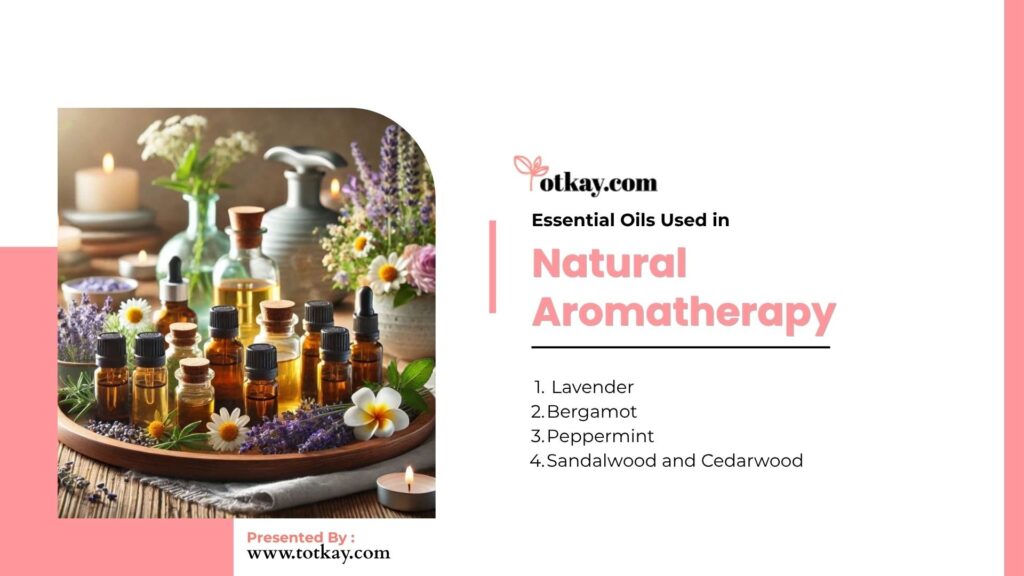
Building a proper collection requires knowing the purpose of each extract. You should stock your cabinet with a few versatile options first.
Lavender: The Universal Relaxation Oil
Known for its gentle, floral aroma, lavender is the cornerstone of most relaxation-focused blends. Its primary constituents, linalool and linalyl acetate, are scientifically proven to reduce stress and anxiety, making it a reliable choice for stress relief and exceptional sleep support.
Beyond its calming effects, lavender also has anti-inflammatory and antiseptic properties, making it a versatile addition to any essential oil collection.
Bergamot: Uplifting yet Calming
Bergamot offers a unique, zesty citrus profile that can simultaneously uplift and calm the mind. It’s an excellent mood balancer during stressful workdays, helping to alleviate feelings of anxiety while boosting positive emotions.
This makes it particularly effective for combating seasonal affective disorder (SAD) and creating a sense of well-being.
Peppermint: Focus and Freshness
With its strong, minty aroma, peppermint delivers an intense cooling sensation that invigorates tired minds. Rich in menthol, it promotes sharp mental clarity and enhances concentration, which is ideal when you need to focus on difficult tasks.
Sandalwood and Cedarwood: Grounding Oils
The rich, earthy scents of woody extracts like sandalwood and cedarwood provide a solid, grounding base for your lighter, more volatile oils. These scents are perfect for meditation, promoting a sense of stability and emotional calm. They help anchor your mind in the present moment, reducing feelings of anxiety and mental chatter.
DIY Aromatherapy Blends for Different Moods
Ready to create your own aromatherapy blends? You can easily mix these recipes at home with just a few basic supplies. Experiment with these different combinations to discover which scents resonate most with you.
Follow the recommended ratios to get started, but feel free to adjust them to your personal preference for the best results.
1. Stress Relief Oil Blend
Combine three drops of lavender, two drops of bergamot, and one drop of Roman chamomile in your diffuser. This recipe works best for evenings when you need to unwind and release the day’s tensions.
Researchers commonly link lavender and chamomile with deep relaxation, as they can help soothe the nervous system and promote a sense of peace. Bergamot adds a gentle, citrusy lift that can help dispel anxious thoughts.
2. Deep Sleep Blend
For a restorative night’s sleep, mix three drops of cedarwood, two drops of lavender, and one drop of vetiver. Add this earthy and calming combination to your bedside diffuser about thirty minutes before sleeping.
Cedarwood provides a grounding base, while vetiver is renowned for its deeply sedative properties, helping to quiet a restless mind and prepare the body for uninterrupted sleep.
3. Morning Energy Blend
Start your day with vitality and a positive outlook with this invigorating blend. The bright citrus notes are known to boost mood, while a hint of peppermint sharpens focus, making it a perfect alternative to your first cup of coffee.
To create this blend:
- Combine three drops of sweet orange essential oil.
- Add two drops of lemon essential oil.
- Finish with one drop of peppermint essential oil.
4. Meditation and Yoga Blend
Enhance your mindfulness practice with this grounding aroma. It helps create a serene atmosphere, perfect for deep breathing exercises and centering your thoughts during meditation or yoga.
To create this blend:
- Mix three drops of frankincense essential oil.
- Combine with three drops of sandalwood essential oil.
5. Focus and Productivity Blend
Boost your concentration and mental clarity with this powerful combination. The herbaceous scent of rosemary is known to improve alertness and memory, making this blend ideal for your study or work environment.
To create this blend:
- Start with three drops of rosemary essential oil.
- Add two drops of peppermint essential oil.
Different Ways to Use DIY Essential Oil Mixes
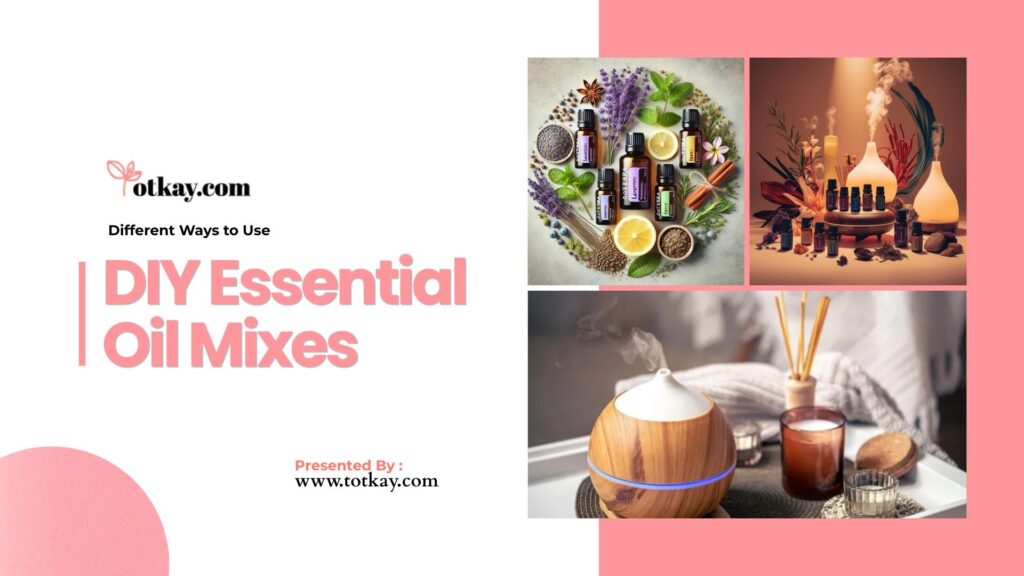
Now that you’ve crafted the perfect essential oil blend, it’s time to unleash its aromatic power! There are several ways to enjoy your creations, each offering a unique experience.
From filling your room with a calming scent to carrying your favorite blend with you on the go, different applications suit different moments and needs.
Use an Ultrasonic Diffuser
An ultrasonic diffuser is the most popular way to disperse your blend. This method is great for scenting an entire room, creating an immersive aromatic experience. Simply add a few drops of your blend to water in the diffuser, and it will release a fine, fragrant mist.
Create a Roller Blend
Roller bottles are perfect for taking your favorite scents with you. They allow for topical application, providing targeted benefits and a personal aroma. Apply the blend to your pulse points, like your wrists and neck, for immediate relief and a pleasant fragrance throughout the day.
Make a Pillow and Linen Spray
Mix your essential oil blend with distilled water and a bit of witch hazel to create a spray. Spritzing this on your bedding is a wonderful way to promote restful sleep. The scent will lightly perfume your linens, creating a calming environment to help you unwind.
Enjoy a Relaxing Bath
Add your blend to Epsom salts for a luxurious aromatherapy bath. This enhances your relaxation routine by combining the therapeutic properties of the oils with the soothing effects of a warm bath. It’s an ideal way to de-stress and rejuvenate your body and mind.
Aromatherapy Blend Strength Guide
Properly diluting your aromatherapy blends is key to preventing headaches and skin irritation. Measure your drops carefully based on the room size to achieve the perfect scent strength.
| Blend Strength | Number of Drops | Best For | Intensity |
| Mild | 3 to 5 drops | Small rooms | Light scent |
| Medium | 6 to 8 drops | Daily use | Balanced |
| Strong | 9 to 12 drops | Large rooms | Intense aroma |
Overusing extracts easily overwhelms your senses and causes fatigue. You should always start with fewer drops and add more if needed.
Common Aromatherapy Mistakes Most Beginners Make
Many beginners rush into mixing without understanding basic safety protocols. Avoiding these common errors ensures a pleasant and safe experience.
You should watch out for these frequent pitfalls. They ruin the therapeutic benefits of your natural ingredients.
- Mixing too many different scents together creates a muddy and unpleasant odor.
- Using poor-quality synthetic liquids removes all therapeutic benefits.
- Creating overpowering scents leads to headaches and nausea.
- Applying raw extracts directly to the skin causes severe irritation.
- Ignoring proper dilution ratios poses serious safety risks.
Natural Aromatherapy vs Artificial Fragrances
Replacing synthetic chemicals with plant-based alternatives drastically improves your indoor air quality. The differences between the two remain quite stark.
| Feature | Natural Aromatherapy | Artificial Fragrances | Better Choice |
| Ingredients | Plant based oils | Synthetic chemicals | Natural |
| Mood Benefits | May support relaxation | Mostly scent only | Natural |
| Customization | Fully customizable | Limited | Natural |
| Experience | Therapeutic and aromatic | Mostly fragrance | Natural |
How to Create a Relaxing Aromatherapy Routine
Integrating these practices into your daily schedule maximizes their beneficial effects. Consistency helps your brain associate specific smells with specific activities.
Begin your morning routine by diffusing citrus extracts for vibrant energy. Switch to your evening routine by utilizing lavender and cedarwood to wind down.
Enhance your weekend self-care routine by combining a warm bath with your diffuser.
Safety Tips for DIY Essential Oil Mixes
Natural does not always mean harmless. You must handle highly concentrated plant extracts with proper respect and care.
Always Dilute Properly
Raw extracts possess extremely high concentrations of active botanical compounds. You must always dilute them with a carrier liquid before skin application.
Be Careful Around Children and Pets
Animals and young children possess highly sensitive respiratory systems. Certain plants may severely irritate sensitive individuals or cause allergic reactions.
Do Not Overuse Diffusers
Running your machine constantly leads to olfactory fatigue and minor headaches. You should use your device intermittently for thirty minutes at a time.
Final Thoughts
Creating your own aromatherapy blends empowers you to take control of your environment. You can replace toxic room sprays with beneficial natural aromatherapy solutions.
Mastering these essential oil recipes requires only a little practice and patience. You now possess the knowledge to craft beautiful, calming scents for any occasion.
Start building your DIY essential oil mixes today and experience the difference. Harness the power of these stress relief oils to transform your daily routines forever. For more DIY health, skin, hair, and daily life hacks, visit our website
Frequently Asked Questions
What are the best aromatherapy blends for stress relief?
The most effective mixtures for tension involve calming floral and citrus elements. Combining lavender, bergamot, and sweet orange yields exceptional results. These specific plants contain chemical compounds that naturally lower stress markers in the body. You should diffuse this mixture during your evening wind down routine.
Can I mix different essential oils together?
You absolutely can combine different botanical extracts to create unique recipes. Blending different scents enhances their individual therapeutic properties. You should start by mixing plants from similar fragrance families, like florals or woods. Always test a small amount first to ensure the scent profile matches your expectations.
How many oils should be in one blend?
A well balanced recipe typically contains three to five different ingredients. Adding more than five extracts often muddies the fragrance and confuses the senses. You should focus on combining one top note, one middle note, and one base note. This classic structure ensures a harmonious and pleasant smelling result.
What is the best oil for sleep and relaxation?
Lavender consistently ranks as the superior choice for promoting deep rest. Cedarwood and vetiver also provide powerful grounding effects that prepare the mind for slumber. You can achieve the best results by blending these three botanicals together. Place this mixture in your bedroom thirty minutes before you plan to sleep.
Are DIY essential oil mixes safe?
Creating your own recipes remains perfectly safe when you follow basic dilution guidelines. You must always mix raw extracts with a carrier liquid before touching them. Ensure your workspace stays well ventilated while you measure your ingredients. Keep all concentrated liquids far away from the reach of children and pets.
How do I make my aromatherapy blends last longer?
Proper storage greatly extends the lifespan of your botanical mixtures. You must keep your bottles in a dark and cool location away from direct sunlight. Using dark amber or cobalt glass bottles prevents ultraviolet light degradation. Always secure the caps tightly to prevent rapid oxidation and evaporation.

Hi, I’m a dedicated writer at Totkay.com, passionate about sharing practical tips and solutions to make your life easier. Explore my articles for helpful insights and valuable advice. Stay connected for more expert content!
Related posts:
 Baalon Ko Siyah Karne Ka Totka: Home remedies for Black Hair
 Lehrate Silky Hair Ka Raaz: Roghan-e-Badam Ka Totka
 The Best Batana Natural Hair Growth Oil: Improve Your Hair Health Today
 Herbal Hair Oil: 10 Natural Tips for Stronger, Longer Hair
 DIY Insect Repellent Recipes: Easy & Natural
 The Totkay Guide to Essential Oil blends