
Anti-Inflammatory Gut Foods: Guide & Desi Healing Tips
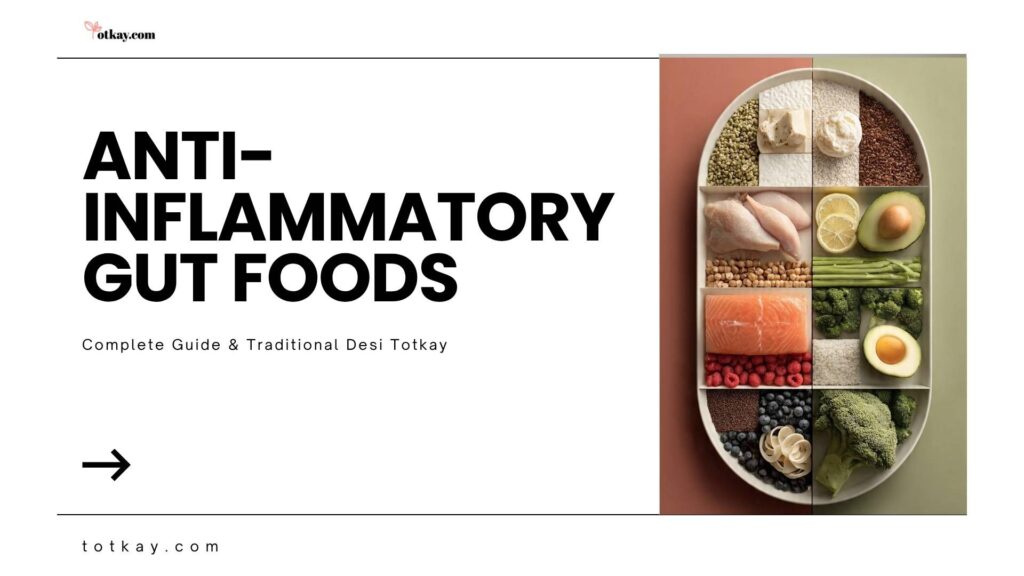
Anti-inflammatory gut foods heal your digestive lining by reducing cellular irritation and promoting a healthy microbiome balance. You can repair damaged tissue and prevent leaky gut by eating these minimally processed, nutrient-dense ingredients. Top examples include curcumin-rich turmeric, omega-3-packed fatty fish, and fresh seasonal berries loaded with antioxidants.
Incorporating these anti-inflammatory gut foods into your daily diet helps beneficial bacteria produce essential short-chain fatty acids like butyrate. This specific biological process naturally cools internal swelling, eliminates chronic bloating, and strengthens your overall immune system without relying on synthetic medications.
This guide serves as a bridge between hard gastroenterology data, like lowering C-Reactive Protein, and practical ancestral kitchen remedies. You will learn how to combat inflammation using accessible local ingredients and proven Desi totkay.
The Science: How Food Calms or Fires Up Your Gut Line
Your intestinal mucosal barrier consists of a delicate, single-cell-thick lining. Chronic inflammation damages this barrier, causing intestinal hyperpermeability, commonly known as “leaky gut.” When this barrier breaks, foreign particles enter the bloodstream and promote inflammation throughout the body.
When you consume minimally processed foods and anti-inflammatory nutrients, your beneficial bacteria ferment them into short-chain fatty acids (SCFAs). Butyrate, a vital SCFA, repairs cellular junctions and suppresses inflammatory cytokines.
An unmanaged diet rich in inflammatory foods feeds bad bacteria. This state of dysbiosis triggers full-body symptoms, including chronic skin breakouts, joint pain, and afternoon brain fog. Over time, unchecked inflammatory processes increase the risk of heart disease, cardiovascular disease, and rheumatoid arthritis.
The Ultimate Anti-Inflammatory Gut Food & Totkay Matrix
We designed this matrix to provide an immediate, actionable guide for your daily routine. Use these local ingredients to fight inflammation at the cellular level.
| Bioactive Compound | Local Desi Food Source | Cellular Anti-Inflammatory Mechanism | Practical Home Totka Application |
| Curcumin | Organic Turmeric (Haldi) | Blocks NF-κB molecules from turning on inflammatory genes in gut tissue. | Activated Golden Milk: Simmer 1/2 tsp of haldi with a pinch of black pepper in warm milk before bed. |
| Anthocyanins | Seasonal Falsa, Shahtoot, Strawberries | Berries’ gut anti-inflammatory compounds activate Natural Killer cells to shield the lining. | The Berry Snack: Consume 1/2 cup of fresh fruit as an afternoon snack without refined sugar. |
| EGCG Polyphenols | Premium Green Tea / Jasmine Tea | Inhibits pro-inflammatory cytokine production and protects healthy gut cells. | The Afternoon Defender: Drink a cup of green tea, gut inflammation defender, 1 hour after lunch with lemon. |
| EPA & DHA | Local Sardines, Rohu, Mackerel | Omega-3 fatty acids alter eicosanoid pathways to switch off system-wide cellular swelling. | The Low-Heat Sear: Lightly pan-fry fatty fish in pure Desi Ghee or olive oil instead of deep-frying. |
| Oleocanthal Fats | Extra Virgin Olive Oil (Zaitoon ka Tel) | Acts as a natural soothing agent, physically mimicking low-dose ibuprofen to cool the tract. | The Soothing Drizzle: Drizzle 1 tablespoon of extra virgin olive oil directly over cooked lentils. |
The Top 5 Anti-Inflammatory Food Groups & Local Adaptations
You must integrate specific food groups into a balanced diet to reduce chronic inflammation and support optimal gut health.
1. Turmeric & Spices (The Cellular Guard)
Clinical trials heavily support turmeric’s anti-inflammatory properties. However, curcumin possesses poor natural absorption. You must follow the activation rule. Piperine, found in black pepper, enhances curcumin absorption by two thousand percent.
Pair turmeric with fresh ginger to maximize the anti-inflammatory benefits. Ginger contains gingerol, which relaxes gastrointestinal muscles and immediately dispels trapped gas to alleviate symptoms.
2. The Local Berry Revolution
You do not need expensive imported blueberries to consume a healthy diet. Local markets offer exceptional alternatives packed with vitamin C and antioxidants. Local berries, like Falsa and Mulberries (Shahtoot), contain the same deep-purple anthocyanins that lower inflammation markers.
3. Green Tea & Herbal Infusions
The EGCG antioxidants in green teas stop cellular fatty acids from breaking down under oxidative stress. This mechanism protects your intestinal walls. You must avoid the flavor trap. Do not purchase pre-packaged, bottled iced teas. Manufacturers load these drinks with refined carbohydrates and sugary drinks that feed harmful gut yeast.
4. Omega-3 & Healthy Fats (The Intestinal Lubricants)
The intestinal wall immediately recognizes and utilizes marine-based omega-3s to speed up tissue healing. The omega 3 gut health connection is vital for repairing damage caused by acute inflammation. You must increase your intake of these healthy oils to counteract the pro-inflammatory trans fats found in commercial processed meats and hot dogs.
3 Traditional Anti-Inflammatory Gut Recipes
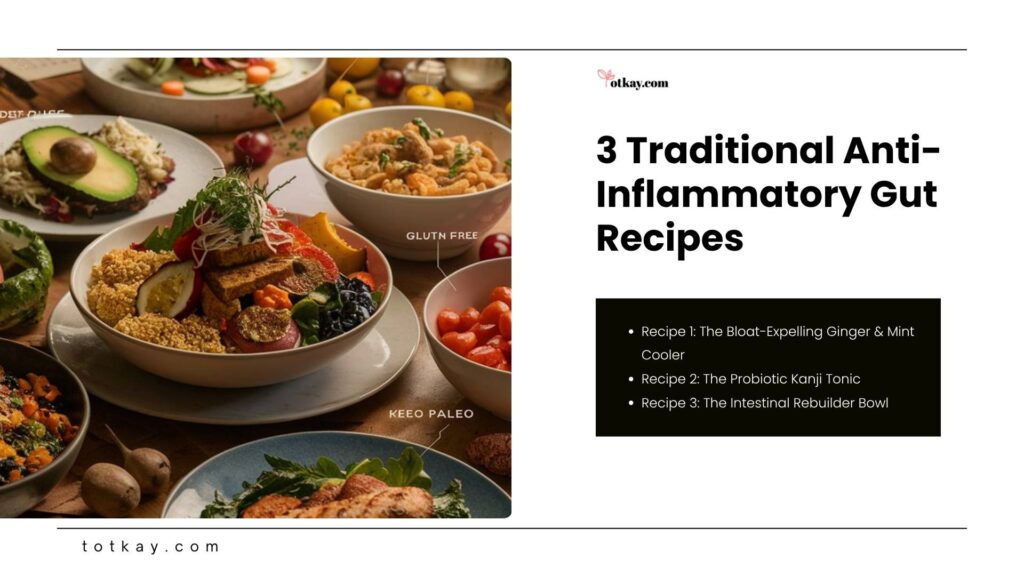
Recipe 1: The Bloat-Expelling Ginger & Mint Cooler
This refreshing drink combines the cytokine-reducing power of gingerol with the cooling properties of mint.
Preparation:
Boil one inch of sliced ginger in water for ten minutes. Strain the liquid, let it cool completely, and add fresh mint leaves with a squeeze of lime.
Recipe 2: The Probiotic Kanji Tonic
Fermented black carrots act as a delivery system for live Lactobacillus. These good bacteria crowd out inflammatory microbes in your digestive tract.
Preparation:
Ferment black carrots with mustard seeds and water in a clay pot for four to five days until sour. Drink half a glass with your lunch.
Recipe 3: The Intestinal Rebuilder Bowl
This meal combines prebiotic soluble fibers from whole grains with monounsaturated fats to generate soothing short-chain fatty acids.
Preparation:
Cook steel-cut oats or brown rice in water. Top the bowl with chopped walnuts, chia seeds, and a pinch of cinnamon.
Inflammatory Food Traps: What to Eliminate
You cannot reduce inflammation if you continue to consume foods that cause inflammation. You must eliminate specific triggers from your daily routine.
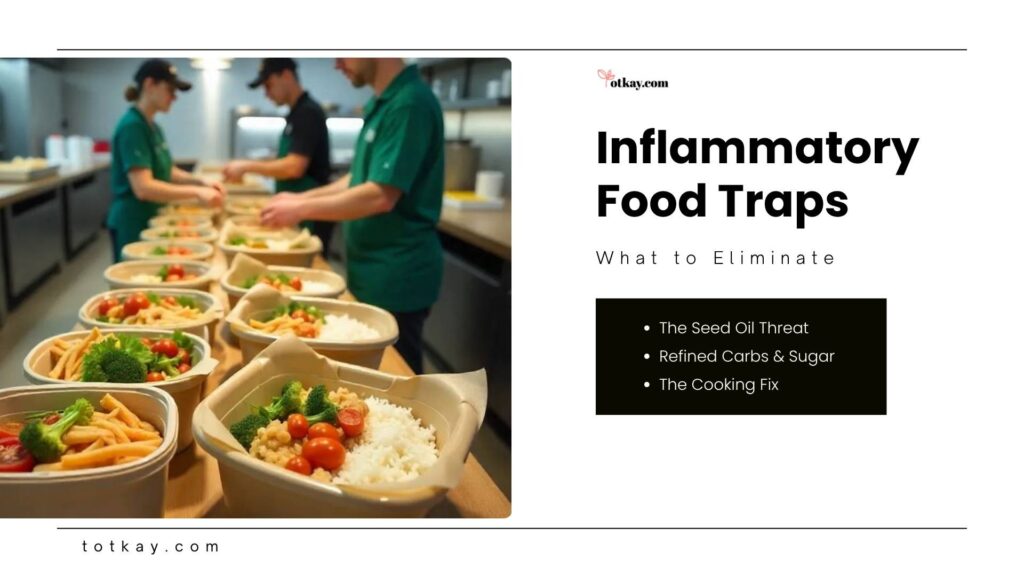
The Seed Oil Threat
Commercial cooking oils, such as Vanaspati and Canola, break down into pro-inflammatory compounds under high heat. Traditional deep frying with these partially hydrogenated oils degrades the protective mucus layer of your gut. They promote inflammation and contribute to weight gain.
Refined Carbs & Sugar
White flour biscuits, bakery items, French fries, and sugary sodas act as major triggers. These highly processed foods rapidly increase C-Reactive Protein (CRP) levels and exacerbate inflammatory bowel disease.
The Cooking Fix
Adopt the anti-inflammatory Salan rule. Replace commercial seed oils with minimal pure Desi Ghee or avocado oil when cooking your traditional onion-tomato base.
Tracking Progress & When to Consult a Doctor
Changing your gut microbiome requires time and consistency. You must track your physical changes over a consistent three to six-week window.
Signs of healing include reduced post-meal abdominal distension, uniform daily energy, clearer skin, and smooth bowel movements. Improving your gut health also positively impacts your emotional health.
While these totkay excel at daily maintenance, you must recognize clinical red lines. Sudden unexplained weight loss, severe persistent pain, or blood in the stool require an immediate consultation with a gastroenterologist to rule out severe health conditions.
Conclusion & Next Step Challenge
Cooling down a troubled gut does not require expensive lifestyle trends. By focusing on anti-inflammatory gut foods and adding vibrant, whole, plant-rich local foods like leafy greens and cruciferous vegetables, you can actively control inflammation. At the same time, reducing your intake of ultra-processed triggers, red meat, and fried chicken is essential for promoting long-term gut health.
Your digestive wellness forms the foundation for a vibrant life. We challenge you to swap your afternoon snack for a cup of ginger-mint cooler or a bowl of fresh fruit this week. Drop a comment below and tell us: which Desi totkay are you starting with today?
Frequently Asked Questions (FAQs)
What are the best anti-inflammatory gut foods to eat daily?
The best anti-inflammatory gut foods include turmeric, seasonal berries, fatty fish, and extra virgin olive oil. These nutrient-dense options actively reduce inflammation in your digestive tract. Eating them daily helps beneficial bacteria thrive and repairs your intestinal lining. You should aim to incorporate at least one or two of these whole foods into every meal for optimal gut health.
How fast can anti-inflammatory gut foods reduce chronic inflammation?
You can typically reduce chronic inflammation in three to six weeks by consistently eating an anti-inflammatory diet. While your digestive system requires time to heal, many people notice reduced bloating and better digestion within the first few days. To speed up this process, you must eliminate highly processed triggers like seed oils and refined carbohydrates while increasing your intake of whole, healing foods.
Can I improve my gut health using traditional Desi spices?
Yes, you can significantly improve your gut health using traditional spices like turmeric and ginger. Turmeric contains curcumin, a powerful compound that targets and blocks inflammatory processes in your digestive tract. To maximize its absorption, you must combine turmeric with a pinch of black pepper. Ginger also helps relax gastrointestinal muscles and quickly eliminates trapped gas, making these spices essential anti-inflammatory gut foods.
Why do processed foods trigger inflammation in the digestive system?
Processed foods trigger inflammation because they contain trans fats, refined sugars, and artificial additives that irritate your stomach lining. These ingredients feed harmful bacteria in your microbiome, creating a state of dysbiosis. This imbalance breaks down your intestinal mucosal barrier, causing leaky gut. Replacing these triggers with minimally processed, anti-inflammatory gut foods restores balance and protects your digestive tract from long-term damage.
Are omega-3 fatty acids necessary to reduce inflammation?
Yes, omega-3 fatty acids are strictly necessary to reduce inflammation effectively. Your intestinal wall immediately uses marine-based omega-3s—found in sardines, mackerel, and salmon—to heal damaged tissue. These healthy fats alter cellular pathways to switch off system-wide swelling. Increasing your omega-3 intake directly counters the pro-inflammatory effects of modern diets and serves as a foundational step for long-term gut health.

Hi, I’m a dedicated writer at Totkay.com, passionate about sharing practical tips and solutions to make your life easier. Explore my articles for helpful insights and valuable advice. Stay connected for more expert content!
Related posts:
 Sugar Cravings Remedies: 10 Natural Ways to Stop Sweet Urges
 Natural Appetite Suppressants: 7 Safe Ways to Stop Hunger
 Weight Loss Smoothie Recipes: Tasty Blends for Slimming Down
 Piles Diet Plan: Best Foods for Fast Relief
 Bad Food for Gut Health: Foods That Destroy Digestion
 Fiber-Rich Foods for Gut Health: Desi Totkay Guide for Better Digestion