Top 10 Remedies For Acne-Prone Skin That Actually Help
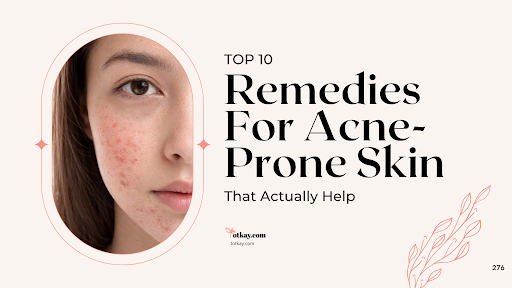
Remedies for acne-prone skin include natural treatments and healthy skincare habits that help reduce breakouts, control excess oil, and support clearer skin. Effective options include tea tree oil, aloe vera gel, raw honey, and green tea because of their antibacterial and anti-inflammatory properties.
Using a gentle cleanser, choosing non-comedogenic skincare products, staying hydrated, and avoiding touching pimples can also help prevent clogged pores and acne scars. While these remedies may improve mild to moderate acne, persistent or severe acne should be evaluated by a dermatologist for appropriate medical treatment.
Causes of Acne
Acne is a term named for hypersensitivity of the sebaceous glands present in the skin. Several elements like bacteria, hormones, and skin inflammation can cause acne vulgaris, one of the most common skin conditions that affects both teenagers and adults. Adult acne is also increasingly common.
Before Using Home Remedies
Before using a topical remedy directly on the skin, consult a dermatologist or perform a patch test on the wrist or hand, especially if you have sensitive skin or irritated skin.
1. Tea Tree Oil
Tea tree oil contains anti-inflammatory as well as antibacterial properties, which may kill bacteria responsible for acne. The anti-inflammatory properties of tea tree oil help reduce inflammation, reduce redness, and calm swollen pimples.
Tea tree oil products can also reduce the appearance of acne scars because of their antimicrobial capabilities.
How to use tea tree oil
People can apply tea tree oil extract in creams, gels, or essential oils to their acne. However, tea tree oil can cause allergic reactions in some individuals. Always dilute it with a carrier oil or choose products containing less than 5% tea tree oil. Apply only a few drops using a cotton pad as a spot treatment.
2. Aloe Vera
Due to its inherent antibacterial and anti-inflammatory properties, aloe vera may lessen the appearance of acne and prevent mild breakouts.
Aloe vera gel is a fantastic skin moisturizer containing amino acids, sugar molecules, and zinc. It can soothe irritated skin, calm irritated skin, and support skin repair, making it particularly beneficial for people with sensitive skin.
How to apply aloe vera gel
Clean the affected area gently with warm water, then apply a thin layer of aloe vera gel to acne-affected areas twice daily.
3. Honey
Raw honey has specific antimicrobial effects. For thousands of years, honey has been used for various skin diseases because it contains many antioxidants with strong antioxidant properties that help clear clogged pores.
How to use honey
Rub a little raw honey into pimples using a clean finger or cotton pad. You can also add a few drops of honey to a face mask.
4. Green Tea
Higher concentrations of catechins are present in green tea. Catechins are a class of polyphenol antioxidants that help reduce inflammation and support clearer skin.
Some acne sufferers have too much sebum (excess oil) and insufficient antioxidants in their pores.
Green tea may help to:
- Reduce sebum production in the skin
- Reduce acne-causing bacteria
- Reduce inflammation
- Improve overall skin health
How to use green tea
You can drink green tea or brew green tea and allow it to cool before applying it to the skin with a cotton pad.
5. Coconut Oil
Like other natural treatments, coconut oil contains compounds with antibacterial properties and anti-inflammatory properties.
Coconut oil may help eliminate acne-causing bacteria, reduce redness, and support skin repair. However, individuals with oily skin should use it carefully since it may clog pores in some cases.
Lifestyle Changes to Improve Skin Health
Along with home remedies, certain lifestyle changes can help manage acne, improve overall skin care, and reduce future breakouts.

6. Don’t Touch Pimples
Touching acne sores irritates the skin and may worsen acne.
Touching, squeezing, or popping pimples can spread bacteria into the affected area, causing infection and making acne scars or dark spots more likely.
7. Choose the Right Cleanser
Choose a gentle cleanser instead of harsh soaps to treat acne while protecting your natural skin barrier.
8. Use Oil-Free Skincare
Look for skin care and cosmetic products labeled “oil-free” or “non-comedogenic.” These products are designed to reduce clogged pores and help prevent active acne.
9. Stay Hydrated
Dry skin has a higher risk of irritation and damage, which may worsen acne in some people. Drinking enough water supports healthier skin repair and helps maintain balanced moisture.
10. Reduce Stress Level
Managing stress is an important part of acne treatment, as stress hormones may increase oil production and contribute to acne formation.
Medical Treatments for Acne-Prone Skin
There are many effective acne treatment options available for mild acne, moderate acne, and severe acne. People can consult a dermatologist to determine whether topical medications, topical products, or over-the-counter products containing benzoyl peroxide or salicylic acid are appropriate.
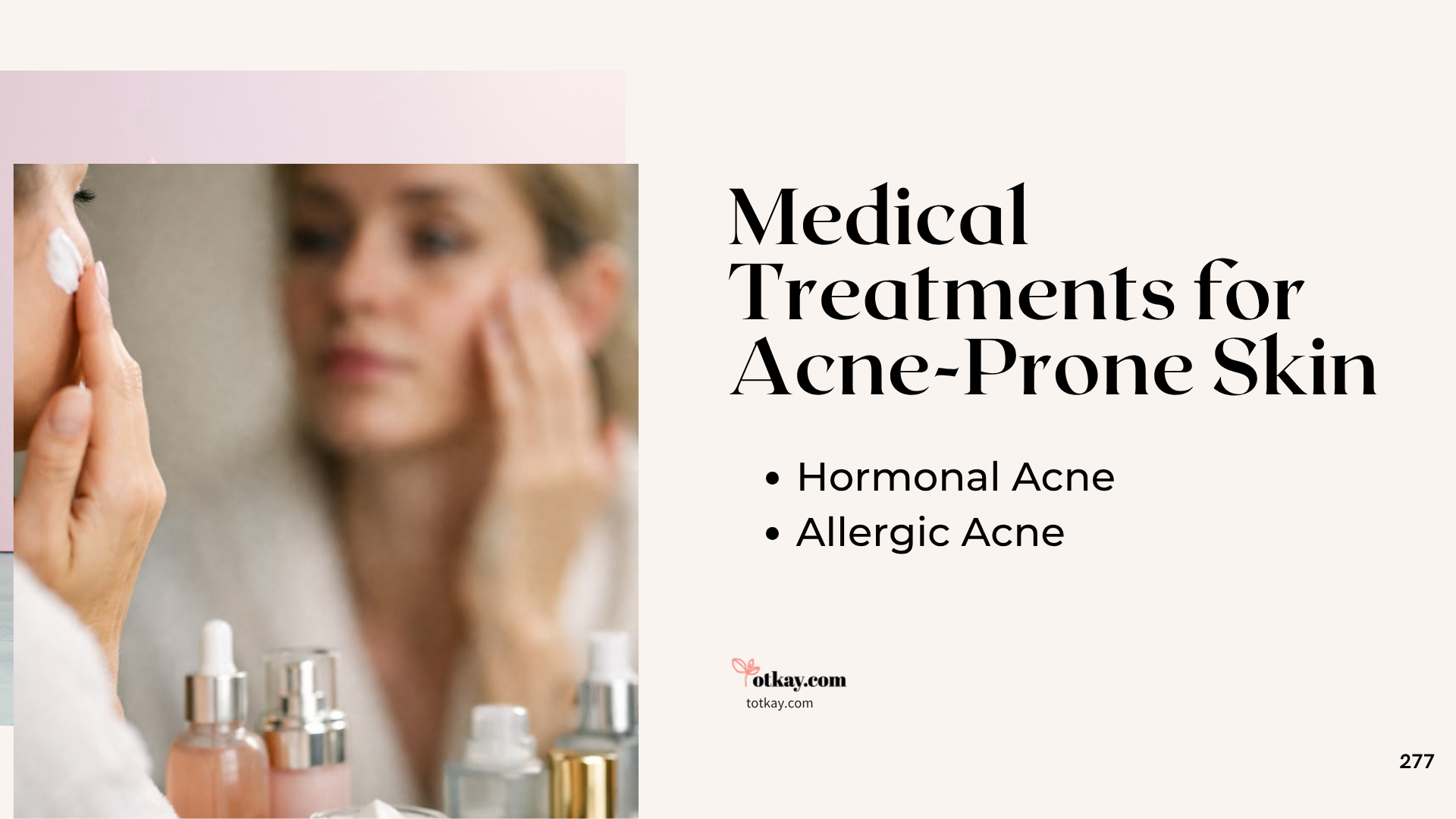
For persistent or severe acne, doctors may recommend prescription medications, chemical peels, or other treatments depending on your skin type and the severity of your condition.
Hormonal Acne
Hormonal acne can contribute to persistent active acne and recurring breakouts. Professional medical treatment may be necessary if home remedies fail to manage acne effectively.
Allergic Acne
Some rashes that resemble acne may actually be allergic skin reactions or other skin diseases.
Conditions involving the skin are researched by organizations such as the National Institute of Arthritis and Musculoskeletal and Skin Diseases, emphasizing the importance of obtaining an accurate diagnosis when symptoms persist.
Additional Natural Remedies
You may also come across other natural remedies such as:
- Apple cider vinegar
- Turmeric powder
- Mix turmeric powder with water to create a smooth paste
- Fresh neem leaves
Although these remedies are popular, scientific evidence supporting their effectiveness is limited compared to established acne treatments. Always perform a patch test before applying them to the skin.
Final Thoughts
Finding the right remedies for acne-prone skin often requires consistency, patience, and a skincare routine that suits your skin type. Natural remedies such as tea tree oil, aloe vera, raw honey, and green tea can help reduce inflammation, manage breakouts, and support healthier-looking skin when used correctly. However, if your acne is severe, painful, or persistent, consult a dermatologist for personalized treatment.
Looking for more natural skincare tips and trusted home remedies? Explore more expert health and beauty guides on Totkay.com to keep your skin healthy, clear, and glowing naturally.
Frequently Asked Questions
What are the best remedies for acne-prone skin?
Tea tree oil, aloe vera, honey, green tea, gentle cleansers, oil-free skincare products, stress management, and proper hydration are among the most effective natural remedies for acne-prone skin.
Can home remedies completely remove acne?
Home remedies may improve mild acne and reduce inflammation, but moderate to severe acne often requires medical treatment from a dermatologist.
Which natural ingredient works best for pimples?
Tea tree oil has the strongest research supporting its antibacterial properties, while aloe vera and honey are excellent for soothing inflamed skin.
How long do home remedies take to work?
Most natural remedies require consistent use for 4 to 8 weeks before noticeable improvements appear. Results vary depending on skin type and acne severity.
Can stress cause acne?
Yes. Chronic stress increases hormone levels that stimulate oil production, making acne breakouts more frequent in many individuals.

Hi, I’m a dedicated writer at Totkay.com, passionate about sharing practical tips and solutions to make your life easier. Explore my articles for helpful insights and valuable advice. Stay connected for more expert content!