
Thyroid Gut Health Connection: Desi Totkay for Digestion
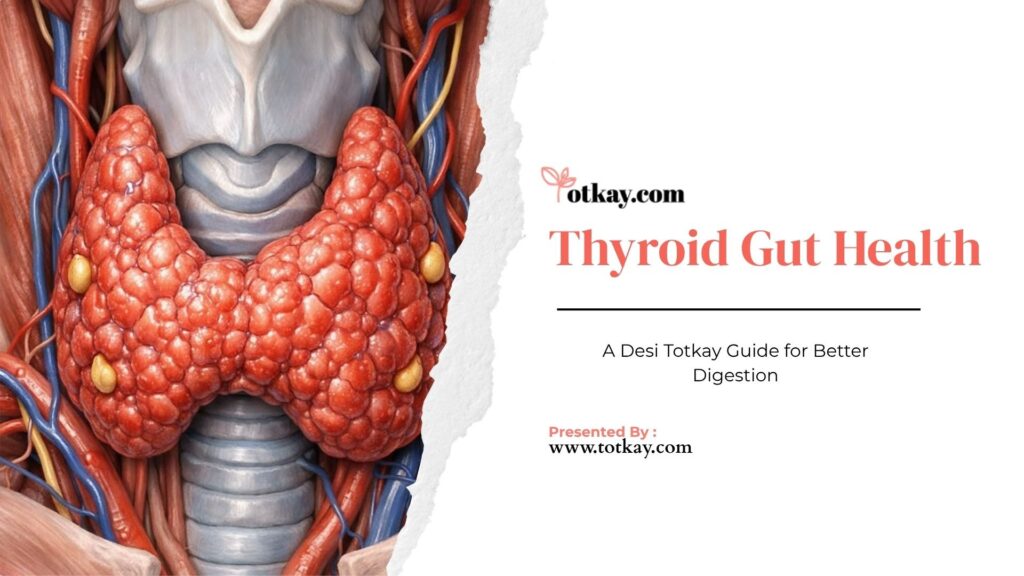
Many people treat thyroid and digestion as separate problems. The body often connects them deeply. A slow thyroid can affect the stomach, while poor digestion may also worsen hormonal function.
Patients frequently experience uncomfortable bloating and severe constipation. They also notice sluggish digestion and chronic fatigue, disrupting their daily lives. You can improve these issues by addressing your thyroid gut health directly.
This guide focuses on modern scientific understanding alongside traditional remedies. You will learn practical thyroid gut axis totkay to support your body naturally. Managing a hypothyroid gut Pakistan style requires blending medical knowledge with accessible local wisdom.
Why Thyroid Problems Often Start Affecting Digestion First
Many people think thyroid problems only cause weight gain, tiredness, or hair loss. In reality, digestive symptoms can appear early. Your thyroid supports body speed, energy use, and gut movement. When thyroid function slows down, your digestive system may also slow down.
Food can stay longer in the stomach and intestines. This delay can increase bloating, constipation, gas, and heaviness after meals. That is why you should not treat digestion and hormones as completely separate issues.
The thyroid gut health connection matters because both systems work together. If one system struggles, the other can also feel the effect.
Slow Thyroid Equals Slow Digestion
Your thyroid hormones help your body maintain healthy metabolic activity. When thyroid hormone levels become low, the gut may move food more slowly. This slow movement can disturb normal digestion.
Slow digestion may cause:
- Constipation
- Bloating
- Heavy feeling after meals
- Acid reflux
- Low appetite
- Fatigue after eating
- Poor nutrient absorption
Many people with hypothyroid gut concerns keep using temporary digestive medicines. These may give short-term comfort, but the same symptoms can return if the root cause needs medical attention.
Why You Feel Bloated After Small Meals
Bloating after small meals can signal weak digestion. When the gut moves slowly, food stays inside longer. Gas can build up, fermentation can increase, and the stomach may feel tight or swollen.
This problem often becomes worse when you eat:
- Fried foods
- Bakery items
- Very spicy meals
- Late-night dinners
- Sugary drinks
- Carbonated drinks
- Strong chai on an empty stomach
- Heavy meals with little water
It does not work like a magic cure, but it can help your body feel lighter when you follow it consistently.
Understanding the Gut and Thyroid Axis in Simple Language
Medical experts recognize a direct communication line between your stomach and hormones. This connection controls your immunity and nutrient absorption. You cannot heal one system without supporting the other.
Here is the simple connection:
| Body Area | Main Role | How It Affects the Connection |
| Thyroid | Controls metabolism and energy use | Slow thyroid can slow digestion |
| Gut | Digests food and absorbs nutrients | Weak gut can reduce nutrient support |
| Gut Bacteria | Support digestion and immunity | Imbalance can increase discomfort |
| Immune System | Controls inflammation | Gut irritation may affect thyroid-related inflammation |
How Thyroid Gut Bacteria May Affect Wellness

Your gut contains trillions of bacteria. These bacteria support digestion, immunity, nutrient breakdown, and bowel movement. A healthy gut needs more helpful bacteria and fewer harmful bacteria.
Healthy thyroid gut bacteria may support:
- Better digestion
- Smoother bowel movement
- Less gas and bloating
- Stronger nutrient absorption
- Balanced immune response
- Better energy from food
When harmful bacteria outnumber helpful bacteria, your digestion can weaken, leading to bloating, constipation, or post-meal fatigue. Simple dietary changes can improve your thyroid gut health over time.
Why Nutrient Absorption Matters for Thyroid Function
Your thyroid needs certain nutrients to work properly. Even if you eat healthy food, your body must absorb those nutrients well. Weak digestion can reduce nutrient absorption and increase fatigue, hair fall, and low energy.
Your thyroid needs:
- Selenium for thyroid hormone activity
- Zinc for immune and hormone support
- Iron for oxygen and energy
- Vitamin B12 for nerves and focus
- Iodine for thyroid hormone production
- Protein for metabolism and tissue repair
Poor digestion can reduce the body’s ability to use these nutrients. This creates a cycle. Weak digestion can affect nutrient support, and weak thyroid function can slow digestion further.
This is why thyroid gut health needs a complete lifestyle approach.
Signs Your Gut and Thyroid May Both Be Struggling
Recognizing the dual symptoms helps you target the actual problem. Your body sends clear warning signals when both systems fail to communicate. Pay close attention to these common daily struggles.
Constant Bloating and Constipation
Bloating and constipation often appear when digestion slows down. Low thyroid function can reduce gut movement, so food moves through the intestines slowly.
You may feel:
- Heavy after meals
- Full even after eating less
- Gas pressure at night
- Slow bowel movement
- Difficulty digesting oily food
- Morning sluggishness
Many people search for a thyroid digestion remedy when these symptoms continue. A gentle routine can help, but you should not depend on harsh laxatives or extreme detox drinks.
Brain Fog After Meals
You feel incredibly confused or sleepy right after eating lunch. Your brain struggles to process simple thoughts or tasks. Poor digestion steals energy from your brain to process heavy food.
Fatigue Even After Rest
You wake up feeling exhausted after eight solid hours of sleep. Your energy crashes completely during the late afternoon. The body fails to extract usable energy from your meals.
Hair Fall With Digestive Problems
Your hair needs nutrients to grow strong. Poor thyroid gut health can lead to weak digestion and affect nutrient absorption, which may influence your hair, skin, nails, and energy levels.
If you notice hair fall with constipation, dry skin, fatigue, cold sensitivity, and weight gain, you should check your thyroid levels. This pattern often appears in people exploring the hypothyroid gut Pakistan connection.
A doctor can guide you through proper thyroid testing and treatment.
Food Sensitivities Increasing Over Time
You suddenly cannot tolerate dairy or gluten anymore. Spicy meals trigger intense stomach cramps and acid reflux. Your weakened digestive lining struggles to process previously safe foods.
Desi Eating Habits That May Quietly Worsen Thyroid and Gut Problems
While our traditional cuisine is delicious, some common eating habits can negatively impact Thyroid Gut Health. For those with a slower digestive system, it’s crucial to identify which cultural norms might be hindering the healing process.
Heavy Fried Breakfasts
Oily breakfasts like puri, paratha, pakoray, and fried snacks can overload digestion early in the day. Your stomach may feel heavy for hours.
Heavy fried breakfasts can cause:
- Gas
- Acidity
- Sluggishness
- Post-meal fatigue
- Slow digestion
Better options include eggs with roti, oats, dahi with fruit, besan chilla, vegetable omelet, lentil soup, or whole wheat roti with sabzi.
Too Much Tea on an Empty Stomach
Many people start the day with strong tea before eating anything. This habit can trigger acidity, stomach irritation, weak appetite, and energy crashes.
Try this instead:
- Drink warm water first
- Eat a light breakfast
- Take chai after food
- Reduce sugar in tea
- Avoid multiple cups early in the morning
This small change can support better digestion.
Late-Night Eating Habits
Dinner parties in our culture often start past ten at night. You go to sleep with a stomach full of heavy food. A slow metabolism cannot process this meal while you rest.
Low Fiber Desi Diets
We often remove the healthy bran from our daily wheat flour. White rice dominates many of our traditional family dinners. This lack of dietary fiber guarantees severe constipation for thyroid patients.
Excess Sugar and Bakery Foods
Evening tea usually involves sweet biscuits and sugary cakes. These refined carbohydrates feed bad bacteria in your digestive system. The resulting gut imbalance directly suppresses healthy thyroid function.
Best Foods for Thyroid Gut Health
While food cannot replace thyroid treatment, it plays a crucial role in supporting your overall wellness. A balanced desi diet can significantly improve digestion, nutrient absorption, and ultimately, your thyroid gut health, often proving more effective than extreme diet plans.
| Food Group | Best Options | Why It Helps |
| Protein foods | Eggs, fish, chicken, lentils, beans | Support energy and metabolism |
| Fiber foods | Oats, fruits, vegetables, chia seeds | Help bowel movement |
| Probiotic foods | Homemade dahi, plain lassi | Support thyroid gut bacteria |
| Mineral-rich foods | Nuts, seeds, eggs, fish | Provide zinc and selenium |
| Hydrating foods | Soups, cucumber, coconut water | Support constipation relief |
| Whole grains | Roti, oats, brown rice | Give steady energy |
Desi Totkay That Support Gut and Thyroid Health Naturally

Our ancestors understood digestion long before modern medicine existed. Traditional home remedies offer gentle support for a sluggish system. You can easily incorporate these natural solutions into your daily routine.
Ajwain Water for Bloating and Slow Digestion
Carom seeds contain active compounds that stimulate digestive juices. This simple spice breaks down gas bubbles trapped in your intestines.
Preparing this remedy requires minimal effort and time.
- Boil one glass of water thoroughly.
- Add a small pinch of ajwain seeds to the boiling water.
- Let the mixture simmer for five minutes before drinking warm.
Saunf After Meals
Saunf feels cooling and soothing after food. Chewing a small amount after meals may help reduce mild gas and freshen breath.
Saunf may support:
- Post-meal comfort
- Mild bloating relief
- Fresh breath
- Better digestion
- Less heaviness
This simple habit works well for people who want a gentle desi routine.
Ginger and Warm Water in the Morning
Ginger supports warmth and digestion. A light ginger drink can help people who feel sluggish in the morning.
How to use it:
- Add a small ginger piece to warm water
- Let it steep for 5 minutes
- Sip slowly
This simple thyroid gut axis totkay may support morning digestion. Avoid strong ginger drinks if they trigger acidity or burning.
Homemade Dahi for Gut Bacteria Support
Traditional yogurt provides excellent support for your digestive microbiome. The natural fermentation process creates beneficial probiotics. Eating fresh dahi helps rebuild the healthy bacteria your body needs.
sabgol for Constipation Support
Isabgol can help constipation because it adds fiber. It works only when you drink enough water with it.
How to use it:
- Mix 1 teaspoon isabgol in one glass of water
- Drink it quickly
- Drink another glass of water after it
Do not take it dry. Do not take it near thyroid medicine unless your doctor approves.
Gut Symptoms and Possible Thyroid Connection
Understanding the link between your symptoms requires clear information. You can use this chart to track your daily health patterns. Always discuss these specific connections with your primary doctor.
| Gut Symptom | Possible Thyroid Link | Why It Happens | Helpful Daily Habit | Recommended Desi Totkay |
| Constipation | Slowed metabolism | Reduced gut motility | More fiber and hydration | Warm water with ghee |
| Bloating | Slow digestion | Delayed stomach emptying | Smaller meals | Ajwain water |
| Acid reflux | Weak digestion | Food stays longer in stomach | Avoid late meals | Chewing saunf |
| Fatigue after eating | Poor nutrient absorption | Gut imbalance | Protein-rich meals | Ginger tea |
| Food sensitivities | Gut inflammation | Immune activation | Reduce processed foods | Haldi milk |
Symptoms alone do not confirm clinical thyroid disease. You should pay attention to recurring digestive problems alongside fatigue or hormonal symptoms. A proper medical evaluation helps clarify these warning signs.
A Simple Daily Routine for Supporting Both Gut and Thyroid Health
Consistency matters more than perfection when healing your body. Building a gentle daily routine keeps your metabolism moving forward. You can start with these basic daily adjustments.
Morning Routine
Start your day by drinking two glasses of warm water. Step outside to get ten minutes of natural sunlight exposure. Eat a high protein breakfast to stabilize your morning blood sugar.
Midday Habits
Stop eating before you feel completely stuffed during lunch. Drink plenty of fresh water between your main meals. Walk for ten minutes after eating to stimulate your digestion.
Evening Routine
Eat a lighter dinner at least three hours before bedtime. Avoid scrolling on your phone late into the night. Focus on improving your sleep quality to support hormone production.
When Digestive Symptoms Need Thyroid Testing
Totkay can support comfort, but they cannot diagnose thyroid disease. You should visit a doctor if digestive symptoms appear with other body changes.
Consider thyroid testing if you have:
- Constipation for weeks
- Constant fatigue
- Unexplained weight gain
- Hair thinning
- Dry skin
- Cold sensitivity
- Irregular periods
- Puffy face
- Slow heartbeat
- Brain fog
- Neck swelling
Do not guess your thyroid condition from symptoms only. A blood test gives a clearer answer.
Final Thoughts
Your journey to optimal thyroid gut health requires patience and consistency. You now understand how deeply your stomach affects your hormonal balance. Implementing a natural thyroid digestion remedy helps ease your daily discomfort.
Focus on chewing your food slowly and managing your daily stress. Use traditional remedies like ajwain and ginger to support a sluggish system. Nurturing healthy thyroid gut bacteria protects your body from severe inflammation.
Still, no totka can replace proper thyroid testing or medical care. If bloating, constipation, fatigue, hair fall, and weight changes continue, consult a doctor. Discover more natural remedies and health tips on Totkay. Explore our resources to improve your thyroid and gut health today
Frequently Asked Questions
Can hypothyroidism cause digestive problems?
Yes. Low thyroid hormones slow down your entire digestive tract. This can directly lead to chronic constipation, severe bloating after meals, and overall digestive discomfort.
Which foods support both thyroid and gut health?
Focus on warm, cooked vegetables, lean proteins, and fermented foods like homemade yogurt. Ginger and ajwain also help balance your stomach environment. Avoid processed foods and refined sugar.
Is bloating a common symptom of thyroid issues?
Yes, bloating is very common with an underactive thyroid. The condition slows digestion, causing food to ferment in the stomach and create excess gas and uncomfortable bloating.
Can gut health impact my thyroid medication?
Yes. A damaged gut lining can prevent your body from properly absorbing thyroid medication, making it less effective. Healing your gut is crucial to get the full benefit of your treatment.
Are probiotics good for thyroid patients?
Yes. Probiotics help convert inactive thyroid hormones into their active form, which your body can use. Eating natural probiotic foods supports this essential process and overall gut health.
Can home remedies cure thyroid disease?
No. Traditional remedies can help manage symptoms like bloating and support digestion, but they cannot cure thyroid disease. They should not replace prescribed medication or proper medical care.

Hi, I’m a dedicated writer at Totkay.com, passionate about sharing practical tips and solutions to make your life easier. Explore my articles for helpful insights and valuable advice. Stay connected for more expert content!
Related posts:
 Severe Period Pain on First-Day Home Remedies
 Improve Endurance Naturally: 10 Proven Ways to Go Further
 Natural Carb Blockers: 10 Pantry Hacks to Stop Weight Gain
 Nature’s Chill Pill: 10 Herbal Stress Relief Tips (2026)
 What Causes Piles in Men? Expert Guide and Prevention Tips
 Pregnancy Hemorrhoids: Safe Relief and Natural Care