
Totkay Masterclass: Upcycling Home Items for Luxury Decor
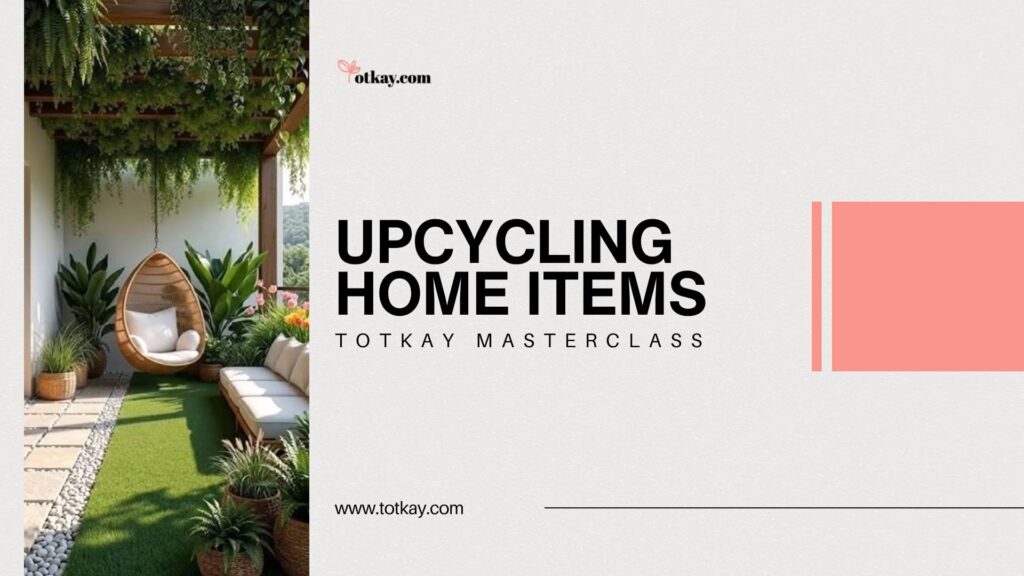
Upcycling home items transforms everyday objects into unique, functional decor while reducing waste. By focusing on material intelligence, you can identify solid wood, durable fabrics, and reusable glass to create high-quality pieces. Techniques like limewashing, bio-resin filling, and embroidery on wood elevate the aesthetic appeal of upcycled furniture.
For example, old bed sheets can become French-pleat curtains, and glass jars can be repurposed into UV-safe apothecary sets. Upcycling home items not only enhances your living space but also supports sustainability by giving discarded materials a new lease on life.
The Science of the Good Bone Audit
Successful upcycling projects begin with a rigorous material evaluation. You must identify solid foundations before you commit time to any project.
Material Intelligence
You need to differentiate between solid timber, like oak or walnut, and disposable flat-pack materials. Decades-old paint often hides beautiful, solid wood. A heavy frame usually indicates a worthy piece. You should avoid investing heavy effort into degraded materials that will not hold their shape.
The 2026 Safety Protocol
Safety is mandatory when you restore vintage pieces. You must test old finishes for lead paint before you sand or scrape. The 2026 indoor air health mandate also requires zero-VOC finishes. This ensures your home decor does not pollute your indoor space.
Tooling Up for Precision
Modern restoration requires modern tools. You should invest in digital wood moisture meters. These tools tell you exactly when the timber is dry enough to seal. Precision oscillating multi-tools allow you to cut detailed patterns and sand tight corners without damaging the original wood.
Master Reference: High-Impact Upcycling Projects
Certain household items yield the highest return on investment. The following upcycling ideas represent the most sought-after trend categories in modern design.
| Found Item | 2026 Upcycled Result | Trend Category | Difficulty | Key “Totkay” Booster |
| Glass Jars | UV-Safe Apothecary Set | Apothecary Chic | Low | Matte-Amber Glass Enamel |
| Old Bed Sheets | French-Pleat Curtains | Textural Revival | Moderate | Bio-Dyeing (Avocado/Indigo) |
| Vintage Trunk | Floating Coffee Table | Sustainable Luxe | Moderate | MCM Tapered Brass Legs |
| Old TT-shirts | Nordic Braided Rug | Maximalist Texture | High | Continuous-Strand Cutting |
| Broken Ceramics | Kintsugi Statement Mirror | Freehand Artistry | High | Gold-Leaf Resin Binding |
Signature Totkay Protocols
Applying precise, step-by-step methods guarantees a professional finish. These signature protocols will transform ordinary waste into stunning room features.
The Apothecary Kitchen Hack
Glass jars from pasta sauce or pickles offer incredible potential. You must first sterilize the glass completely. Next, apply a UV-protective coating using matte-amber glass enamel. This protects dry goods from light damage while giving your pantry a cohesive, luxury aesthetic.
The Invisible Tire Ottoman
Discarded tires provide exceptional frames for outdoor space seating. You wrap the tire tightly with thick sisal rope and secure it with industrial glue. Add a high-density recycled foam cushion on top. Cover the cushion in weather-resistant fabric. You now possess high-end furniture for your garden or backyard.
The Mid-Century Trunk Makeover
Adding modern legs to a vintage trunk creates a sophisticated coffee table. Vintage bases are rarely perfectly flat. You must engineer stability by attaching a reinforced plywood base. Once the flat surface is secure, attach tapered brass legs for a sustainable luxury finish.
Advanced Finishing: Texture Over Color
The latest updates in interior design prioritize deep textures. You can use these advanced finishing methods to add incredible character to plain furniture.
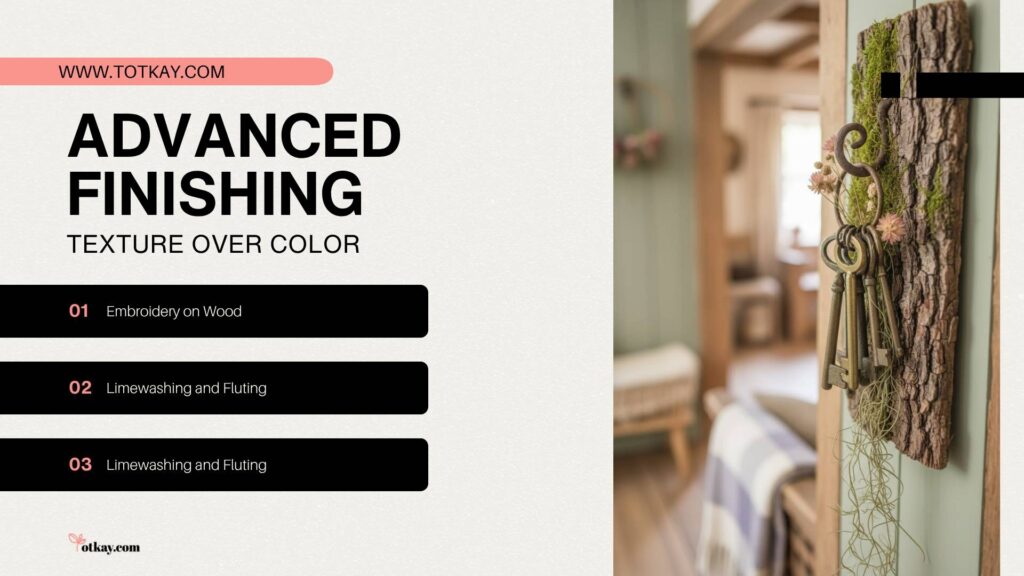
Embroidery on Wood
Embroidery on solid timber is a massive breakout trend. You drill micro-channels into the wood to “stitch” botanical line art directly into the furniture face. This technique merges textile craft with woodworking, resulting in beautiful, textured wall art or cabinet doors.
Limewashing and Fluting
You can easily elevate basic flat-pack furniture. Attach strips of upcycled wood molding to create fluted, ribbed textures on flat doors. Applying a limewash over this fluted surface provides an organic, plaster-like texture.
Bio-Resins
Eco-friendly resins allow you to celebrate natural flaws. Instead of hiding cracks or knots with wood filler, you fill them with clear or lightly tinted bio-resin. This preserves the history of the log or board, turning damage into a deliberate design feature.
The Micro-Maker Economy
Your upcycled creations hold significant value in the modern marketplace. You can shop these items to high-end buyers if you understand proper staging.
The 2026 Marketplace Strategy
High-end platforms demand exceptional visual storytelling. You must stage and photograph your items with dramatic lighting. Highlight the deep textures and premium finishes. Documenting your process from raw waste to luxury decor builds buyer trust and justifies premium pricing.
Documenting the Pedigree
Every premium upcycled piece requires a material history tag. You must document where the original piece came from, the exact restoration methods you used, and the eco-friendly finishes applied. This transparency serves as a powerful tip to increase resale value.
Circular Gifting
When giving upcycled gifts, the presentation must align with sustainability. Utilize Furoshiki, a traditional Japanese fabric wrap. You can use pulled strips from old bed sheets or covered bamboo fabric. This provides a zero-waste, elegant presentation.
Safety, Sustainability, and Maintenance
Preserving the lifespan of your creations requires ongoing care and strict safety habits.
The PPE Protocol
You must protect your health during every project. Modern safety standards require HEPA-filtered masks for sanding. You should exclusively use chemical-free eco-strippers. This protects your lungs and prevents toxic chemicals from entering the local water supply.
The Lifespan Guarantee
Organic finishes demand specific maintenance. You must understand the difference between waxing and oiling wood surfaces. Providing a clear maintenance guide ensures your furniture will last for decades.
Conclusion
Upcycling home items stands as the ultimate act of creative rebellion against mass production. By applying material intelligence, strict safety protocols, and advanced finishing techniques, you can elevate household items into lasting heritage pieces.
What is that one item currently gathering dust in your garage? Share your ideas in the comments, and we will provide a personalized 2026 Totkay redesign plan tailored to your needs. Do not forget to sign up for our weekly newsletter for the latest updates and inspiration.
Frequently Asked Questions
What are the best materials for upcycling home items?
The best materials for upcycling home items include solid wood, glass jars, old bed sheets, and durable fabrics like cotton. These materials are versatile and easy to transform into unique decor. For example, solid wood can be limewashed for a rustic touch, while glass jars can be repurposed as apothecary sets. Always prioritize materials that are sturdy and reusable for long-lasting results.
How can I upcycle old bed sheets?
Old bed sheets can be transformed into French-pleat curtains, fabric wraps, or even braided rugs. Use bio-dyeing techniques with natural dyes like avocado or indigo to add vibrant colors. These upcycling ideas not only give bed sheets a new purpose but also add a sustainable and creative touch to your home decor.
What tools are essential for upcycling projects?
Essential tools for upcycling include digital wood moisture meters, oscillating multi-tools, and eco-friendly paints. These tools help you achieve precision and professional finishes. For example, moisture meters ensure wood is ready for sealing, while multi-tools allow detailed cutting and sanding. Investing in the right tools enhances the quality of your upcycling projects.
Can upcycling home items reduce waste?
Yes, upcycling home items significantly reduces waste by repurposing materials that would otherwise be discarded. It minimizes the need for new resources and lowers carbon footprints. For instance, turning old t-shirts into braided rugs or broken ceramics into Kintsugi mirrors prevents these items from ending up in landfills.
What are some creative upcycling ideas for beginners?
Beginners can start with simple projects like turning glass jars into planters, old t-shirts into rugs, or vintage trunks into coffee tables. These projects require minimal tools and offer a great introduction to upcycling. Focus on items you already have at home to practice creativity and sustainability.

Hi, I’m a dedicated writer at Totkay.com, passionate about sharing practical tips and solutions to make your life easier. Explore my articles for helpful insights and valuable advice. Stay connected for more expert content!
Related posts:
 Koyla Se Bartan Dhone Ke Fayde
 6 Best Homemade Air Fresheners: Natural Recipes That Work
 The Ultimate Guide to Homemade Furniture Polish (Chemical-Free)
 Homemade Refrigerator Deodorizers That Actually Work
 4 Homemade Dishwashing Liquid Recipes that work | Totkay.com
 Natural Ways to Clean Windows: Top Window Cleaning Tips