
Soap Making at Home: A Guide to Natural, Luxurious Skincare
Soap making at home has become more than just a DIY hobby. Many people now prefer handmade soap because it allows them to control the ingredients, avoid harsh chemicals, and create skincare products that feel more natural and personalized.
From calming lavender bars to moisturizing honey soaps, homemade bath products offer a creative and practical way to care for the skin. Whether you want to explore natural soap, learn about cold process soap, or simply try an easy DIY soap tutorial, this guide will help you understand the process in a beginner-friendly and realistic way.
Why Handmade Soap Has Become a Modern Self-Care Trend
People are becoming more careful about the products they use on their skin. Commercial soaps may clean effectively, but many contain synthetic fragrances, detergents, and preservatives that can leave the skin feeling dry.
This is one reason why homemade soap has gained so much popularity.
People Want More Control Over Ingredients
When you’re the soap-maker, you have full control over the final product. Imagine crafting a soap that’s perfectly suited to your skin’s unique needs. You get to decide:
- Which oils to use
- What fragrance to add
- How gentle the formula should feel
- whether to include herbs or exfoliants
This level of customization is difficult to find in mass-produced soaps.
Someone with dry skin may prefer olive oil and shea butter, while another person may enjoy a refreshing citrus soap for oily skin.
Handmade Soap Feels More Personal and Luxurious
Store-bought products rarely match your exact personal preferences. The beauty of soap making at home is that it lets you customize every single detail perfectly.
You have the power to create a truly personalized bathing experience. Here are the elements you can control completely:
- Custom scents mixed from pure essential oils
- Healing herbs gathered right from your garden
- Vibrant colors derived from natural clays
- Gentle exfoliants like ground oats or coffee
- Moisturizing oils tailored to your skin type
Soap Making Is Both Creative and Practical
Blending oils and botanicals feels like functional art. You produce something beautiful that also serves a daily practical purpose.
Crafters find deep satisfaction in formulating the perfect recipe from scratch. This unique hobby provides multiple benefits for your lifestyle:
- Nourishing skincare tailored to your household
- Enjoyable DIY creativity for your weekends
- Eco-conscious living through reduced plastic waste
- Thoughtful gifting opportunities for friends and family
Before You Make Soap: Understand What Actually Turns Oils Into Soap
The Simple Science Behind Soap Making
Every single bar begins with a basic chemical reaction called saponification. You mix fatty acids with a strong alkaline solution to start this process.
During this process:
- Oils transform into soap
- Natural glycerin is produced
- The mixture hardens into cleansing bars
Although the science sounds complicated, the actual concept is simple once you understand the basics.
Why Real Soap Cannot Be Made Without Lye?
This surprises many beginners.
True soap requires lye during the soap-making process. Without it, the oils cannot transform into soap. However, properly made soap does not contain active lye once curing is complete.
The lye is consumed during saponification, leaving behind finished soap.
Why Handmade Soap Feels Different on Skin?
Commercial companies routinely remove naturally occurring glycerin from their products. They sell this valuable humectant to lotion manufacturers for extra profit.
Home crafters leave this natural moisturizer inside the final bar. This retained glycerin pulls moisture directly into your skin during every shower.
Choosing the Right Soap-Making Method
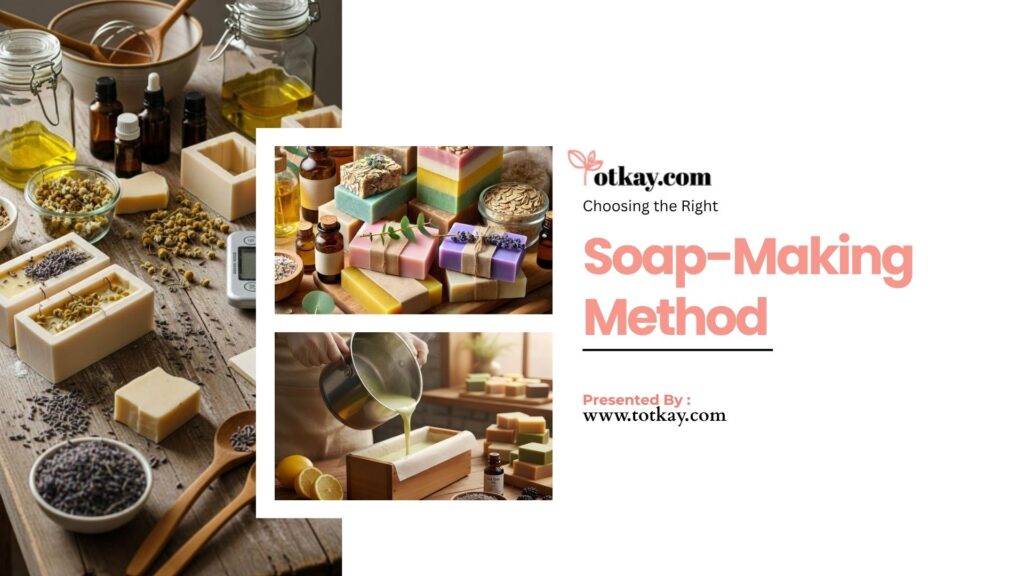
Melt-and-Pour Soap for Absolute Beginners
This method uses a pre-made soap base that can be melted and customized.
Why Beginners Love It
- Easier process
- No direct lye handling
- Fast results
- Low risk
You simply melt the base, add fragrance or herbs, and pour into molds. It is the easiest entry point into DIY soap making.
Glycerin Soap for Clear Decorative Bars
This specific material creates beautiful, transparent bars of soap. Glycerin soap feels incredibly moisturizing and soothing on dry skin.
Crafters love using this clear base for advanced decorative designs when it comes to soap making at home. You can easily embed botanical flowers or small toys inside the transparent layers.
Cold Process Soap for Full Ingredient Control
Advanced DIY users prefer the cold process soap method for maximum control. You build the entire recipe from raw oils and lye water.
It allows you to:
- Choose every oil
- Control the texture
- Customize hardness
- Experiment with herbal ingredients
However, it also requires:
- More patience
- Careful measurements
- Proper curing time
For many DIY enthusiasts, the cold process becomes the most rewarding method for soap making at home once they gain confidence.
Which Method Gives the Most Natural Result?
Your choice of method changes the final feel of the bar. Melt-and-pour bases offer safety but limit your control over the foundational oils.
Cold processing gives you the most authentic and natural result possible. You select every single drop of oil to ensure absolute purity.
Oil Selection: The Key to Customizing Your Soap
One of the most important lessons in soap making is understanding how oils affect the final product. Different oils create completely different textures, lathers, and skin feels.
Coconut Oil Creates Big Cleansing Bubbles
Most recipes include this popular ingredient for its exceptional lathering properties. Coconut oil produces large, fluffy bubbles that clean the skin thoroughly.
You must balance this ingredient carefully within your formulation. Using too much can strip natural moisture and leave the skin feeling dry.
Olive Oil Makes Soap Creamy and Gentle
Olive oil creates a softer, creamier lather. It is often preferred for:
- Dry skin
- Gentle facial soaps
- Moisturizing recipes
Many traditional natural soaps rely heavily on olive oil.
Shea Butter Adds a Rich Skin Feel
Premium recipes often feature this luxurious African butter. Shea butter imparts an incredibly conditioning texture to the finished product.
It leaves a protective barrier on the skin long after rinsing. You will notice a dramatic difference in softness when using this butter.
Castor Oil Helps Improve Foam Stability
Formulators use this thick liquid to enhance the lathering experience. Castor oil acts as a bubble booster in almost any recipe.
You only need a very small percentage to see massive results. The foam remains thick and stable throughout your entire shower.
Your Step-by-Step Guide to Soap Making at Home
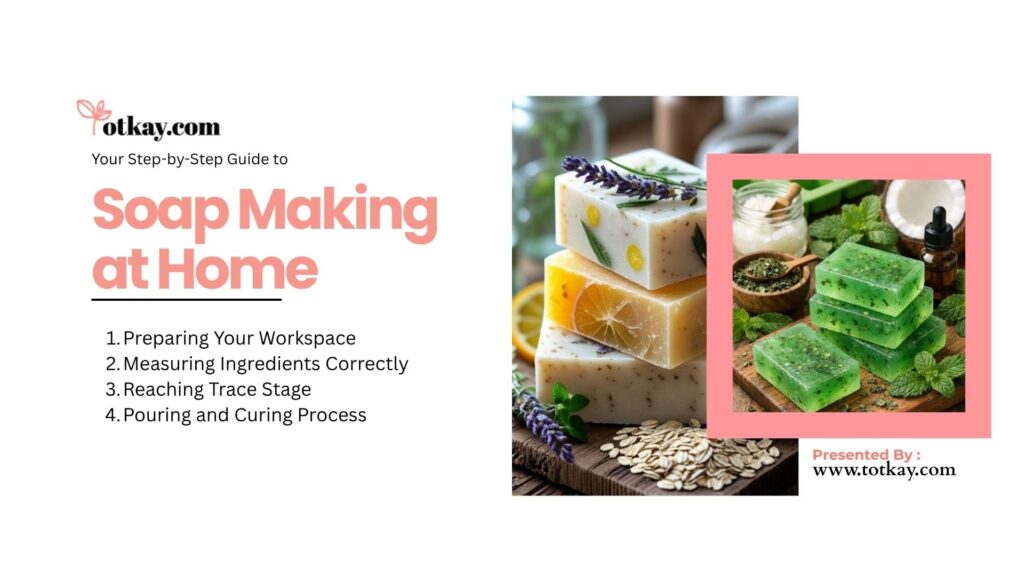
Prepare Your Workspace Like a Professional
Safety and organization prevent accidents during the mixing process. You need a dedicated area free from children and pets.
Professional makers set up their environments thoughtfully before starting. Follow these essential steps to ensure a smooth crafting session:
- Open windows to provide proper ventilation for fumes
- Wear goggles and gloves for a complete safety setup
- Arrange all your organized tools within arm’s reach
Measure Ingredients Carefully
Consistency starts with the precise preparation of your materials. You must weigh the lye, water, and oils into separate containers.
Double-check your recipe numbers before combining any liquids. This careful attention guarantees a perfectly balanced and safe final product.
Blend Until You Reach Trace
Combine the lye water with your oils carefully and steadily. Use a stick blender to mix the liquid in short bursts. Watch the texture closely as the chemical reaction begins. You want the batter to look similar to thin pudding before stopping.
Pour, Rest, and Let Time Do the Work
Transfer your thickened batter into a silicone mold smoothly. Tap the mold on the counter to release any trapped air bubbles.
Put the mold in a quiet corner to rest for two full days. You can then unmold the block and slice it into individual bars.
Homemade Soap Recipes That Feel Expensive but Cost Very Little
Lavender and Oatmeal Relaxing Bath Soap
This formulation focuses on calming aromatherapy and gentle exfoliation. The ground oats soothe irritated patches while you wash.
The lavender essential oil provides a spa-like atmosphere in your bathroom. You can make this luxury product for a fraction of retail prices.
Honey and Milk Moisturizing Soap
Adding natural sugars transforms a basic recipe into pure luxury. The milk provides a creamy texture that feels amazing.
Honey acts as a humectant to draw moisture deep into your pores. The combination leaves your skin feeling exceptionally soft and nourished.
Lemon Herbal Kitchen Soap
Chefs love keeping this particular bar right next to the kitchen sink. The fresh citrus scent eliminates strong food odors instantly.
The cleansing oils strip away grease without drying out your hands. You can add dried lemon peel for extra scrubbing power.
Neem and Tulsi Herbal Soap
This traditional botanical blend draws inspiration from ancient Ayurvedic practices. The herbs provide deep cleansing properties for problematic skin.
You achieve a beautiful, natural green color without using artificial dyes. The earthy scent grounds your mind during your morning routine.
The Only Soap-Making Chart You’ll Ever Need
Understanding oil properties is essential for soap making at home and will change how you formulate your recipes. Different fats provide entirely different benefits to the final product.
Review this chart before designing your very first batch.
| Soap Ingredient | What It Adds to Soap | Best Benefit | Ideal For | Recommended Usage |
| Coconut Oil | Big bubbles and cleansing | Rich lather | Oily skin | 15 to 30 percent |
| Olive Oil | Creamy softness | Gentle cleansing | Dry skin | 30 to 100 percent |
| Shea Butter | Nourishing texture | Moisturizing feel | Sensitive skin | 5 to 15 percent |
| Castor Oil | Stable foam | Better bubbles | Balanced recipes | 2 to 5 percent |
| Sweet Almond | Silky conditioning | Smooth glide | Normal skin | 5 to 10 percent |
You must balance these oils carefully instead of relying heavily on one single ingredient. A recipe with only cleansing oils will dry out your skin rapidly.
Why Some Homemade Soaps Turn Out Perfect While Others Fail
Why does soap sometimes crack?
High temperatures cause extreme problems during the saponification phase. Sugars in milk or honey make the batter heat up rapidly.
This extreme heat causes the center of the block to crack wide open. You can prevent this by placing the mold in the refrigerator immediately.
Why Bars Stay Soft for Weeks?
Your recipe might contain too many liquid oils like olive or sunflower. Improper oil balance prevents the physical bar from hardening properly.
High humidity in your curing room also traps moisture inside the product. You just need to give soft batches more time to dry out completely.
Why White Powder Appears on Top?
Many beginners panic when they see a chalky layer on their fresh soap. This harmless substance is called soda ash.
It forms when raw lye reacts with carbon dioxide in the air. You can easily wash this white powder away during the first use.
Why does fragrance sometimes fade away?
Citrus essential oils notoriously evaporate during the curing process. You must anchor light scents with heavier base notes like patchouli or clay.
Low-quality fragrance oils also disappear rapidly after a few weeks. You should always purchase scents specifically designed for cold process methods.
Final Thoughts
You have all the knowledge needed to start soap making at home right now. Gather your basic supplies, double-check your measurements, and pour your first batch today. Crafting a DIY soap tutorial for your friends might even become your next favorite project.
The journey of making natural soap brings immense joy and satisfaction. Explore different botanical ingredients to elevate your homemade bath products safely and naturally. Your skin will thank you for taking complete control over your daily routine. For more DIY tutorials, including homemade scrubs, perfumes, toothpaste, and other proven skincare remedies, visit the Totkay website.
Frequently Asked Questions
Is homemade soap better for skin?
Handmade bars retain all their natural glycerin, which draws moisture into the skin. Commercial bars often lack this vital component and contain harsh synthetic detergents. You will notice much softer skin after switching to homemade products.
Can beginners safely make cold process soap?
Beginners can absolutely manage this method safely with proper preparation. You must wear safety goggles and gloves while handling the lye solution. Following basic safety rules prevents any chemical burns or accidents.
How long should homemade soap cure?
Standard recipes require four to six weeks of curing time in a dry space. Bars made primarily with olive oil need up to six months to harden properly. Curing ensures a milder, longer-lasting product that lathers beautifully.
What is the easiest soap recipe for beginners?
A simple blend of olive oil, coconut oil, and sustainable palm oil works perfectly. This classic combination traces easily and hardens into a very reliable bar. You can find this basic recipe on almost any major crafting website.
Why is my homemade soap too soft?
You might have used too much water in your original lye solution. Your recipe might also contain too many liquid oils and not enough hard butters. Give the bars a few extra weeks in a dry room to see if they harden.
Can I make soap without synthetic fragrance oils?
You can easily scent your batches using pure essential oils from plants. Lavender, peppermint, and lemongrass offer beautiful natural aromas that last for months. You can also leave the bars completely unscented for highly sensitive skin.

Hi, I’m a dedicated writer at Totkay.com, passionate about sharing practical tips and solutions to make your life easier. Explore my articles for helpful insights and valuable advice. Stay connected for more expert content!
Related posts:
 Koyla Se Bartan Dhone Ke Fayde
 French Manicure ke Asaan Tariky: How to do a French manicure at home
 6 Best Homemade Air Fresheners: Natural Recipes That Work
 The Ultimate Guide to Homemade Furniture Polish (Chemical-Free)
 Homemade Refrigerator Deodorizers That Actually Work
 Natural Ways to Clean Windows: Top Window Cleaning Tips