
Mastering DIY Herbal Remedies: The 2026 Guide
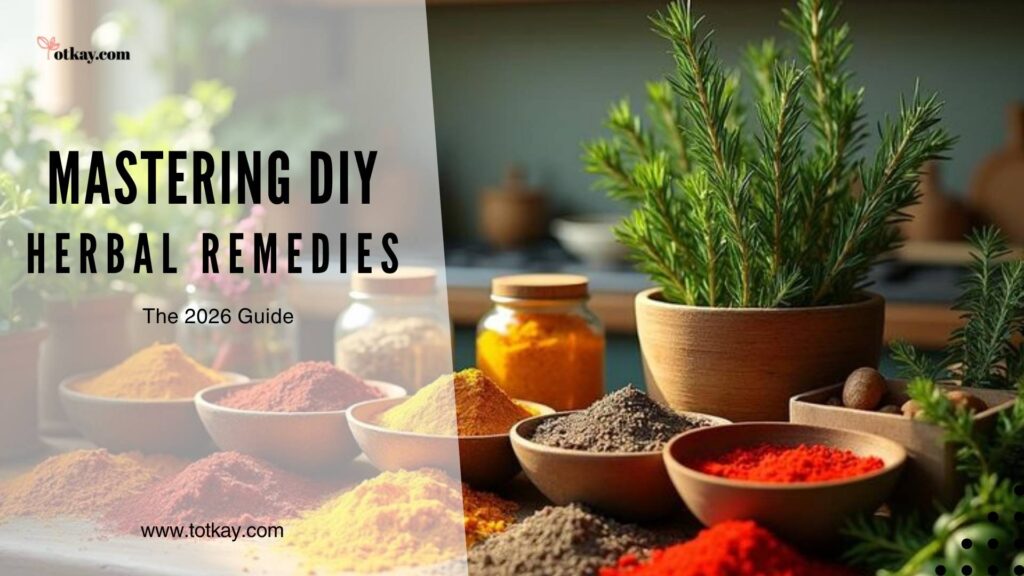
Herbal remedies offer targeted, natural solutions for wellness by leveraging the therapeutic properties of plants. These remedies are effective when prepared correctly, ensuring bioavailability of active compounds. For example, turmeric combined with black pepper enhances curcumin absorption, while Ashwagandha requires healthy fats for optimal uptake.
Proper storage in amber glass jars and using organic herbs ensures potency and safety. Always consider herb-drug interactions, such as St. John’s Wort affecting medications. Herbal remedies, when used responsibly, provide a safe, potent alternative to synthetic options for stress relief, immune support, and overall health.
Safety remains the absolute anchor of this practice. Herb-drug interactions present serious risks. You cannot ignore them. This comprehensive guide will teach you how to formulate potent, safe, and effective DIY herbal remedies.
The Science of Bioavailability
Your herbal remedies might fail if you do not understand bioavailability. Consuming a plant does not guarantee your body will absorb its active compounds. You must unlock these compounds through proper preparation.
Synergistic Pairing
Herbs often require partner ingredients to become active. Consider these scientifically proven combinations:
- Turmeric and Black Pepper: Curcumin, the active compound in turmeric, has poor bioavailability. Adding piperine from black pepper increases curcumin absorption dramatically.
- Ashwagandha and Healthy Fats: Ashwagandha requires fat for proper assimilation. Mixing this adaptogen with warm whole milk or coconut oil ensures your body absorbs the active withanolides.
The Extraction Secret
You must match the plant part to the correct extraction method. Using the wrong method destroys active compounds.
- Infusions: Pour hot water over delicate plant parts like leaves and flowers. Steep for ten to fifteen minutes.
- Decoctions: Boil tough plant parts like roots, bark, and seeds in water for twenty to thirty minutes. This draws out the deep medicinal properties.
- Macerations: Soak herbs in cold water, oil, or alcohol over several weeks. Cold extraction preserves heat-sensitive vitamins and volatile oils.
Vibrancy and Potency
You must learn to identify active botanicals visually. Dead herbs offer zero therapeutic value.
- Color: Look for bright, distinct colors. Faded herbs indicate severe degradation.
- Scent: Crush a small amount of the herb. A weak aroma signifies the loss of essential volatile oils.
- Texture: High-quality dried herbs should feel crisp, not dusty or brittle.
Master Reference Table: Functional Remedies
Use this reference table to build highly effective wellness protocols. This data highlights synergistic boosters and critical safety warnings.
| Target System | Primary Herb | Scientific Booster | Best Format | Safety and Interaction Note |
| Cognitive Focus | Bacopa Monnieri | Rosemary Extract | Capsule / Tincture | Enhances accuracy; avoid if taking sedatives. |
| Metabolic Health | Black Garlic | Cinnamon Bark | Aged Extract | Supports healthy cholesterol; monitor glucose closely. |
| Deep Sleep | Valerian Root | Saffron | Decoction / Tea | Strongly sedating; do not mix with alcohol. |
| Immune Defense | Elderberry | Olive Leaf | Syrup / Elixir | Highly antiviral; rich in flavonoids. |
| Stress Resilience | Ashwagandha | Holy Basil | Powder / Tea | Regulates cortisol; avoid during pregnancy. |
Signature Protocols
You can easily implement functional herbalism at home. Follow these step-by-step protocols to create targeted remedies.
1. The Cognitive Spark Morning Ritual
This synergistic blend delivers deep focus without the traditional caffeine crash.
- Combine 300 milligrams of Bacopa Monnieri extract with 120 milligrams of Ginkgo Biloba.
- Take this blend with your morning meal.
- The fat in your breakfast will enhance the absorption of the fat-soluble compounds.
2. The Gut-Immune Connection Elixir
This raw elixir provides excellent microbiome support and immune defense.
- Mix one tablespoon of raw, unpasteurized honey with one teaspoon of high-quality Olive Leaf extract.
- Consume this mixture directly or stir it into warm water.
- Do not use boiling water, as extreme heat destroys the beneficial enzymes in the raw honey.
3. The Anti-Inflammatory Paste
This modern take on golden milk utilizes high-potency curcumin, ginger, and quercetin.
- Blend two tablespoons of turmeric powder, one teaspoon of ginger powder, and a half-teaspoon of black pepper.
- Mix the dry spices with a spoonful of warm coconut oil to form a thick paste.
- Store the paste in the refrigerator. Stir one teaspoon into warm milk daily.
The Quality and Sourcing Guide
The quality of your raw materials dictates the success of your remedies. You cannot compromise on sourcing.
The Organic Imperative
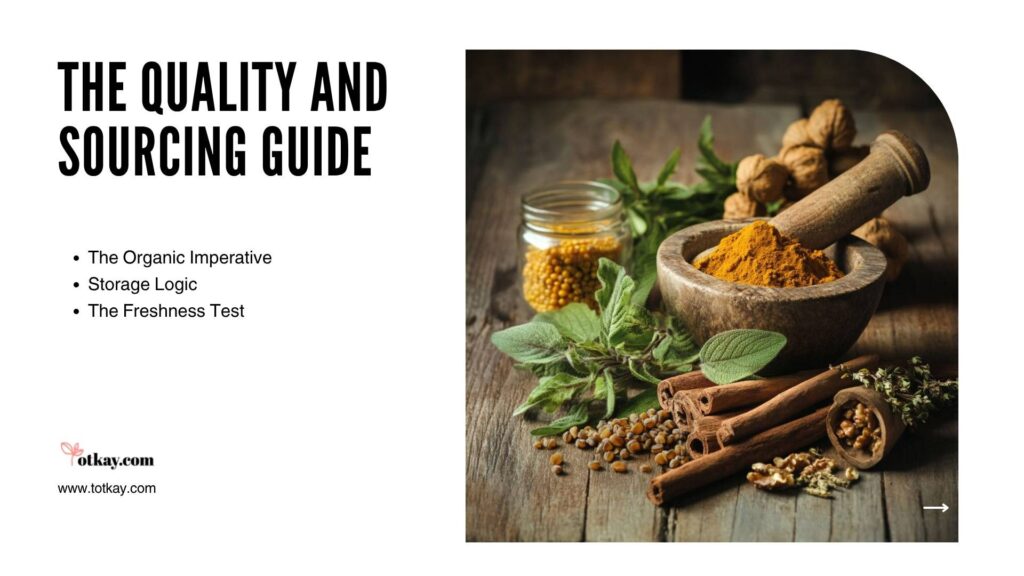
Hot water extracts everything present in the plant material. This includes toxic pesticides and heavy metals. You must purchase certified organic herbs to prevent chemical contamination in your daily infusions.
Storage Logic
Light and oxygen rapidly degrade volatile plant oils. You must store all herbs in airtight amber glass jars. Keep these jars in a cool, dark cabinet. Never leave herbs exposed on a sunny kitchen counter.
The Freshness Test
Pre-ground herbs lose their medicinal potency within months. You should purchase herbs in their whole form whenever possible. Grind roots and seeds immediately before use. This practice preserves the active compounds until the exact moment of consumption.
Safety First: The Interaction Vault
Herbs possess powerful pharmacological effects. You must respect their potency and understand how they interact with pharmaceutical drugs.
The Interaction King: St. John’s Wort
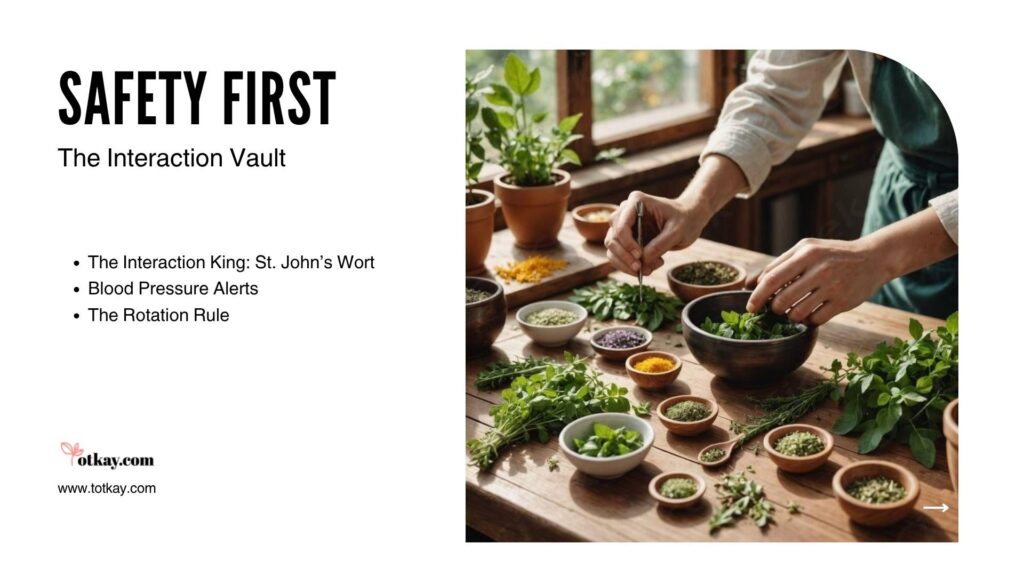
St. John’s Wort serves as a powerful mood elevator. However, it severely impacts the liver enzyme cytochrome P450. This enzyme metabolizes more than half of all common prescription medications. Taking St. John’s Wort can clear pharmaceutical drugs from your system too quickly, rendering them ineffective. You must consult a doctor before using this herb.
Blood Pressure Alerts
Certain herbs directly influence blood pressure metrics.
- Licorice Root: Daily consumption of real licorice root can cause potassium levels to drop and blood pressure to spike. Do not use this herb if you take heart medication.
- Garlic: High doses of garlic extract thin the blood naturally. You must monitor your intake if you use pharmaceutical blood thinners.
The Rotation Rule
Your body quickly adapts to botanical inputs. You must cycle medicinal herbs to maintain receptor sensitivity. Follow a simple rotation schedule. Take a functional herb for three weeks, and then take one full week off. This prevents tolerance buildup.
Conclusion
You now possess the knowledge to practice functional herbalism and confidently create effective herbal remedies. By understanding bioavailability, proper sourcing, and herb-drug interactions, you transform yourself into a smart consumer of nature’s pharmacy. Always prioritize safety and respect the immense power of botanical science as you incorporate herbal remedies into your wellness routine.
What is your main wellness goal this year? Tell us in the comments below at Totkay. We will help you find the latest clinical research to build your custom herbal protocol.
Frequently Asked Questions
What are the benefits of functional herbalism?
Functional herbalism combines traditional knowledge with modern science to create targeted, effective remedies. It focuses on bioavailability, ensuring your body absorbs active compounds. This approach supports wellness goals like stress resilience, immune defense, and cognitive focus. By using scientifically backed herbs like Ashwagandha and Elderberry, functional herbalism offers safe, potent solutions tailored to individual needs.
How do I ensure the safety of herbal remedies?
Safety is paramount in herbalism. Always check for herb-drug interactions, especially with potent herbs like St. John’s Wort. Use certified organic herbs to avoid pesticide contamination. Follow dosage guidelines and cycle herbs (e.g., three weeks on, one week off) to prevent tolerance. Consult a healthcare professional before combining herbs with medications or introducing them to children.
What is bioavailability in herbal remedies?
Bioavailability refers to how well your body absorbs a herb’s active compounds. For example, turmeric requires black pepper (piperine) to enhance curcumin absorption. Similarly, Ashwagandha needs healthy fats for optimal uptake. Proper preparation methods like infusions, decoctions, or macerations also play a critical role in unlocking a herb’s full potential.
How do I store herbs to maintain potency?
Store herbs in airtight amber glass jars to protect them from light and oxygen. Keep them in a cool, dark place to prevent degradation of volatile oils. Whole herbs retain potency longer than pre-ground ones. Grind seeds or roots just before use to preserve their active compounds and ensure maximum effectiveness.
Can children use herbal remedies?
Children can benefit from gentle herbs like Chamomile and Lemon Balm. Avoid strong adaptogens or concentrated extracts. Always consult a pediatrician before introducing herbal remedies to ensure safety and proper dosing. Stick to mild teas or infusions for younger children, and avoid herbs with known interactions or strong pharmacological effects.

Hi, I’m a dedicated writer at Totkay.com, passionate about sharing practical tips and solutions to make your life easier. Explore my articles for helpful insights and valuable advice. Stay connected for more expert content!
Related posts:
 Severe Period Pain on First-Day Home Remedies
 Improve Endurance Naturally: 10 Proven Ways to Go Further
 Natural Carb Blockers: 10 Pantry Hacks to Stop Weight Gain
 Nature’s Chill Pill: 10 Herbal Stress Relief Tips (2026)
 What Causes Piles in Men? Expert Guide and Prevention Tips
 Pregnancy Hemorrhoids: Safe Relief and Natural Care