
Homemade Lip Balm: Recipes for Soft Lips (2026)
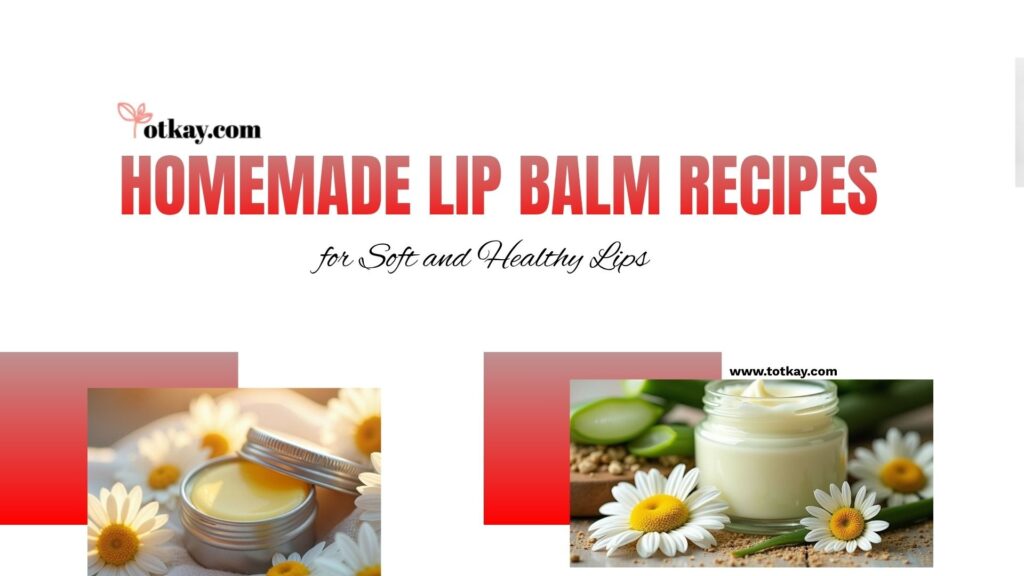
Are you struggling with dry or dark lips? You need a homemade lip balm. Commercial products often fail to provide long-term healing. Creating your own balm offers a reliable, natural solution.
You control the ingredients, ensuring absolute safety and affordability. This guide teaches you how to make and customize these remedies. You will discover the best natural lip care practices for your skin. Get ready to explore unique moisturizing lip recipes that transform your daily routine.
Why Most Commercial Balms Fail to Fix Dry Lips
Many people buy commercial lip balms for quick relief, but often find their lips feel even drier once the product wears off. This is a common issue, and it stems from the way these products are formulated.
The Temporary Relief Problem
Commercial balms often use cheap ingredients that only sit on the surface of your skin. They don’t penetrate deeply to heal the underlying layers. For instance, many store-bought items use petroleum jelly.
The Danger of Hidden Irritants
To make their products more appealing, companies often add ingredients like menthol, salicylic acid, and artificial fragrances.
Menthol offers a cooling sensation but can irritate sensitive skin and strip away its natural oils. Similarly, artificial fragrances may cause allergic reactions, leading to inflammation and peeling.
The Secret Formula Behind an Effective Homemade Lip Balm
Creating an effective homemade lip balm requires more than just mixing random ingredients. You must understand the logic behind skin hydration. A successful formula relies on a specific structure, balancing three essential layers.
Here are the three steps to building a perfect formula. Read these carefully to understand how the components work together:
Step 1: Seal Moisture (Wax Layer)
To lock in moisture, you need a wax layer. Waxes like beeswax are the most common choice as they create a protective barrier over your skin, preventing water from escaping into the dry air. This shield is essential for long-lasting hydration.
Step 2: Restore Hydration (Oil Layer)
Next, you need to restore hydration with an oil layer. Liquid oils, such as coconut or almond oil, penetrate the skin’s surface to carry vitamins into the cells. This helps to instantly soften hard, dry skin.
Step 3: Repair & Nourish (Butter Layer)
Finally, repair and nourish the skin with a butter layer. Plant-based butters like shea or cocoa butter are packed with dense nutrients that heal deep cracks and provide lasting comfort and relief.
Build Your Own Balm Using This Interactive Method
You don’t need to follow a strict recipe every time you make homemade lip balm. Instead, you can build a custom formula based on your specific needs. This interactive framework allows you to personalize your creation, choosing exactly what goes into your container.
Review these base options to start your custom creation. Select the ingredients that match your specific skin type and texture preferences:
Choose Your Base Oil (Pick One)
- Coconut oil → lightweight and smooth
- Almond oil → deeply nourishing
- Olive oil → intense hydration
Choose Your Butter (Optional but Powerful)
- Shea butter → healing and repair
- Cocoa butter → long-lasting moisture
Choose Your Wax Level (Controls Texture
| Preference | Wax Level | Result | Ideal For |
| Glossy & Soft | Low | Smooth, shiny | Daily use |
| Balanced | Medium | Creamy texture | All-purpose |
| Firm & Protective | High | Thick, long-lasting | Winter / dry climate |
You can mix and match these components endlessly. If you live in a hot climate, you should increase the wax. If you want a shiny look, you should increase the liquid oil. This personalization ensures you get exactly what you want. You have complete control over the final result.
Recipes Based on Your Specific Skin Problems
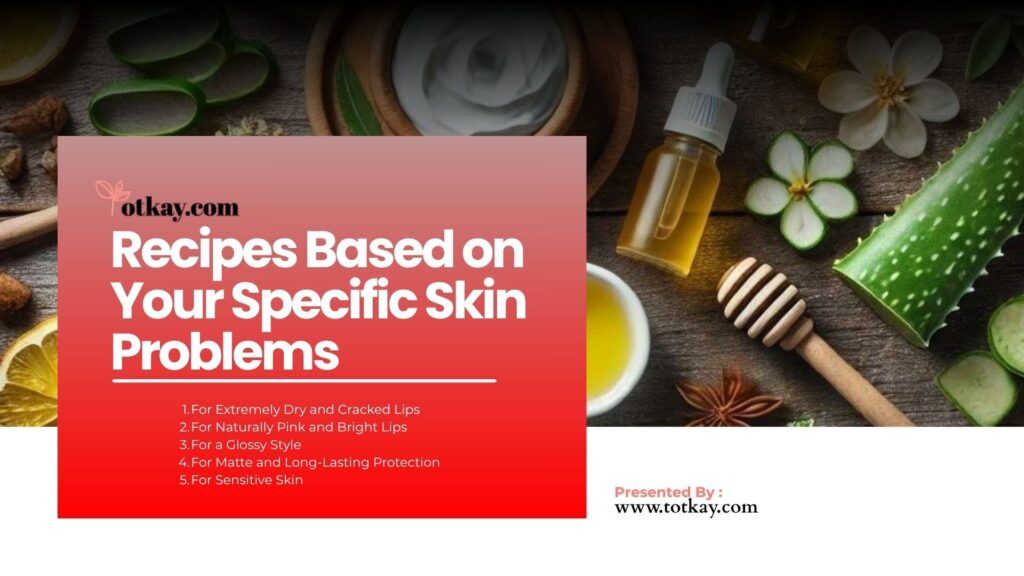
Different skin conditions require different solutions. You should not use a generic product for every problem. You can tailor your creation to address your exact symptoms.
Here are five specific formulations for common problems. Follow these guidelines when making your homemade lip balm to target your unique skin concerns effectively:
For Extremely Dry and Cracked Lips:
You must focus on intense repair. Use heavy components like olive oil and shea butter. These ingredients fill in the cracks and soothe the pain quickly.
For Naturally Pink and Bright Lips:
You can add natural colorants. Mix a small amount of beetroot powder into your melted oils. You can also add a drop of rose essential oil to brighten the skin tone.
For a Glossy Style:
You need a lightweight formula. Increase your liquid oil ratio. Decrease the wax ratio. This creates a high-shine finish that looks like a cosmetic gloss.
For Matte and Long-Lasting Protection:
You must focus on durability. Increase the wax ratio significantly. This creates a matte finish that stays on your skin for hours.
For Sensitive Skin:
You must avoid all potential irritants. Keep the formula incredibly simple. Use only beeswax and almond oil. Do not add any essential oils or colorants.
You can adjust these concepts as you gain more experience. Always write down your measurements. This allows you to recreate your favorite versions later.
Simple Step-by-Step Method for Beginners
Making your own skincare products is very easy. You do not need any special equipment. You can use common kitchen tools to complete this process. This simple method builds your confidence and ensures great results.
Follow these simple steps to make your first batch. Read all instructions carefully before you begin melting your ingredients:
- Step One: You must melt the wax and butter first. Place them in a glass bowl over a pot of boiling water. This creates a double boiler.
- Step Two: You add the liquid oil once the wax melts completely. Stir the mixture continuously.
- Step Three: You must mix the liquid gently. Ensure all components blend smoothly.
- Step Four: You pour the hot liquid into your containers carefully. Use small tubes or small metal tins.
- Step Five: You must let the mixture cool completely. Leave the containers undisturbed for at least one hour.
You must avoid overheating the ingredients. High heat destroys the beneficial nutrients in your oils and butters. Keep the heat low and melt everything slowly. This patience guarantees a high-quality final product.
Texture Troubleshooting Guide for Perfect Results
Sometimes your first batch does not turn out perfectly. This is completely normal. You can fix almost any texture problem easily. You just need to know how to adjust the ratios.
Use this guide to solve common texture issues. Read through these solutions so you know how to fix future mistakes:
- Too Hard: You used too much wax. You must melt the product again and add more liquid oil. This creates a softer finish.
- Too Soft: You used too much oil. You must melt the product again and add more wax. This creates a firmer texture.
- Grainy Texture: You overheated the shea butter. You must melt the ingredients slowly over very low heat next time. This ensures a smooth finish.
- Not Moisturizing: You chose the wrong oil. You must use richer options like olive oil or avocado oil in your next batch. This provides better hydration.
You can always remelt your mistakes. Nothing goes to waste. You just put the finished product back into your glass bowl and adjust the ingredients. This flexibility makes the process fun and stress-free.
How to Apply Your Product for Maximum Results
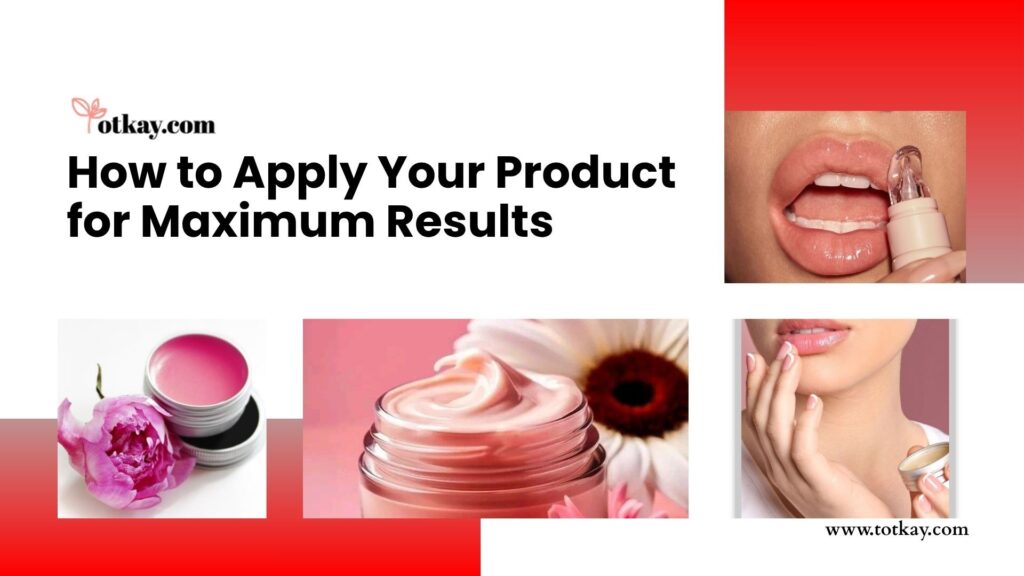
Having a great product is only half the battle. You must use it correctly to see real improvements. A consistent routine ensures your skin stays healthy all year.
Follow these daily habits to maximize your results. Implement these steps into your routine for noticeable improvements:
Apply Before Bed
For best results, apply a thick layer of the balm before you go to sleep. Your body enters its natural repair mode at night, allowing the nourishing ingredients to work deeply and effectively while you rest.
Protect Your Skin During the Day
Before heading outside, make sure to apply the product. The wax in the balm creates a protective shield against environmental aggressors like cold wind and dry air. This barrier helps to lock in moisture and prevent the elements from stripping your skin of its natural oils, keeping it protected throughout the day.
Exfoliate Weekly for Deeper Hydration
Once a week, pair your balm with a gentle exfoliation session to enhance its effectiveness. You can create a simple, natural scrub by mixing sugar and honey. This will help scrub away dead skin cells, allowing the balm to penetrate more deeply when applied immediately after. This routine will leave your skin feeling exceptionally smooth and receptive to moisture.
Natural vs Store-Bought Products
You might wonder if making your own products is truly worth the effort. Comparing the two options reveals a clear winner.
Review these facts comparing homemade and commercial options. You will quickly see why making your own is the better choice:
| Feature | Homemade Lip Balm | Store-Bought Lip Balm | Best Choice |
| Ingredients | Natural, chemical-free | May contain additives | Homemade |
| Effectiveness | Deep nourishment | Temporary relief | Homemade |
| Customization | Fully customizable | Limited options | Homemade |
| Cost | Low | Higher over time | Homemade |
Making your own products wins for long-term health. You save money and protect your body from harmful chemicals.
Mistakes That Ruin Your DIY Experience
Many beginners make simple mistakes that ruin their final product. You can avoid these pitfalls by paying attention to the details.
Avoid these common errors to ensure a successful process. Keep these warnings in mind as you plan your recipes:
- Using Too Many Ingredients: You do not need twenty different oils. Keep the formula simple. Three ingredients work perfectly.
- Ignoring Ratios: You must measure your ingredients carefully. Guessing the amounts leads to terrible textures.
- Using Strong Essential Oils: You must dilute essential oils properly. Peppermint or cinnamon oils burn your skin if you use too much.
- Not Testing Before Use: You should always test a small amount on your wrist. This prevents allergic reactions on your face.
You will achieve great results if you keep the process simple. Focus on high-quality basics instead of complicated additions.
Pro Tips to Get Better Results Than Store-Bought Brands
You can elevate your creations to a professional level with a few simple tricks. These tips make your products feel luxurious and highly effective.
Apply these advanced techniques to improve your final product. These small changes make a massive difference in quality:
- Apply on Slightly Damp Lips: You should apply the product immediately after washing your face. The oil locks in the water from the sink.
- Store in a Cool Place: You must keep your containers away from direct sunlight. Heat melts the product and degrades the oils.
- Use consistently: You must apply the product every single day.
- Keep the Formula Simple: You achieve the best results with basic, high-quality ingredients.
You now possess the knowledge to create incredible skincare items. You can protect your health and save money simultaneously.
Final Thoughts
Creating your own homemade lip balm changes how you view skincare. You no longer rely on chemical-filled commercial items. You embrace DIY beauty balm solutions that actually work. These organic lip balm methods nourish your skin deeply and safely.
You now have the power to craft the perfect homemade lip treatments for your specific needs. Enjoy your new, healthy routine. Ready to discover more secrets to natural beauty? Visit totkay.com for more homemade scrubs, perfumes, and other daily life remedies that will transform your self-care.
Frequently Asked Questions
How long does the final product last?
Your handmade creation lasts for about six months. You do not use synthetic preservatives, so the oils will eventually expire. You should store the containers in a cool, dark place to extend their shelf life. You must throw the product away if it smells rancid.
Can I make this without beeswax?
You can absolutely make this without beeswax. You can substitute candelilla wax or carnauba wax for a vegan option. You should note that plant waxes are harder than beeswax. You must use slightly less plant wax to achieve the same soft texture.
What is the best oil for hydration?
Olive oil and avocado oil offer the best deep hydration. These heavy oils penetrate the skin slowly and provide intense moisture. You should use these oils if you suffer from severe dryness or cracking during the cold winter months.
How do I make the texture more glossy?
You make the texture more glossy by increasing the amount of liquid oil in your recipe. You must reduce the wax portion slightly. Castor oil is an excellent choice for adding a thick, beautiful shine that mimics commercial lip gloss perfectly.
Is this product safe for daily use?
This product is completely safe for daily use. You only use natural, food-grade ingredients. You do not expose your body to harmful chemicals or synthetic fragrances. You can apply it as many times as you need throughout the day without any negative side effects.
Can this routine help with dark lips?
This routine can absolutely help brighten your skin tone. You must keep the skin hydrated to prevent further darkening. You can add natural brightening agents like beetroot powder or rosehip oil to your mixture. These ingredients promote healthy cell turnover and restore a natural pink color.

Hi, I’m a dedicated writer at Totkay.com, passionate about sharing practical tips and solutions to make your life easier. Explore my articles for helpful insights and valuable advice. Stay connected for more expert content!
Related posts:
 Koyla Se Bartan Dhone Ke Fayde
 6 Best Homemade Air Fresheners: Natural Recipes That Work
 The Ultimate Guide to Homemade Furniture Polish (Chemical-Free)
 Homemade Refrigerator Deodorizers That Actually Work
 4 Homemade Dishwashing Liquid Recipes that work | Totkay.com
 DIY Natural Room Spray Recipes: Easy Scent Blends