
Herbal Salve Recipes: DIY Natural Skin Care Guide
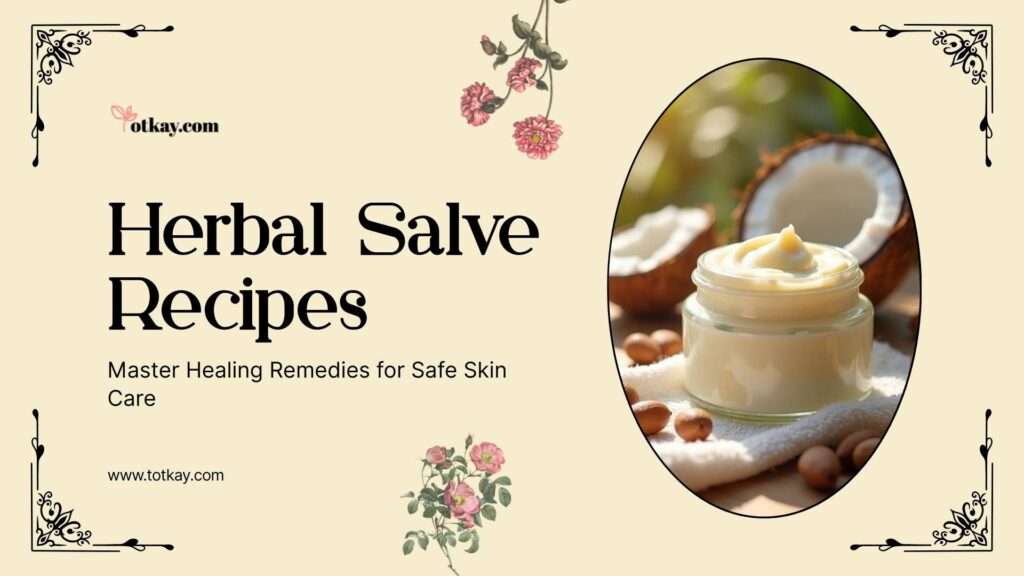
Herbal salve recipes provide an effective way to create natural, healing ointments for various skin conditions. By combining dried herbs like calendula or chamomile with carrier oils such as olive oil or sweet almond oil, you can extract medicinal properties through gentle heat infusion.
The infused oil is then blended with beeswax or carnauba wax to form a solid salve. These recipes are ideal for soothing dry skin, scrapes, and inflamed areas. Properly stored in sterilised glass jars, herbal salves can last up to a year, offering a toxin-free alternative for natural skincare.
Whether you are a beginner or a seasoned maker, this guide offers reliable, repeatable, and safe solutions. You will master salve making from the initial herbal-infused oil to the beautifully finished glass jar.
Understanding the Basics: Salves, Balms, and Creams
Before you make a salve, you must understand the key differences between various topical applications. Many people confuse these terms, but they represent distinct categories in natural skincare.
Salve:
A basic salve recipe blends an infused oil and a wax. It focuses heavily on healing and soothing inflamed skin. Salves remain soft but usually sit solid at room temperature.
Balm:
A balm utilises a higher concentration of wax. This creates a firmer texture designed to provide a protective barrier over the skin, making it ideal for a sturdy lip balm.
Cream or Lotion:
Creams contain water. They provide hydration but require complex emulsifiers and broad-spectrum preservatives to prevent rapid spoilage.
Why should you choose herbal salves? They are the easiest and most stable medium for beginners. Because they contain zero water, they do not require chemical preservatives. They offer a safe and highly effective entry point into crafting herbal remedies.
The Foundation: Mastering the Herbal Infusion
The secret to potent therapeutic benefits lies within the herb-infused oil. Rushing this step guarantees a weak final product.
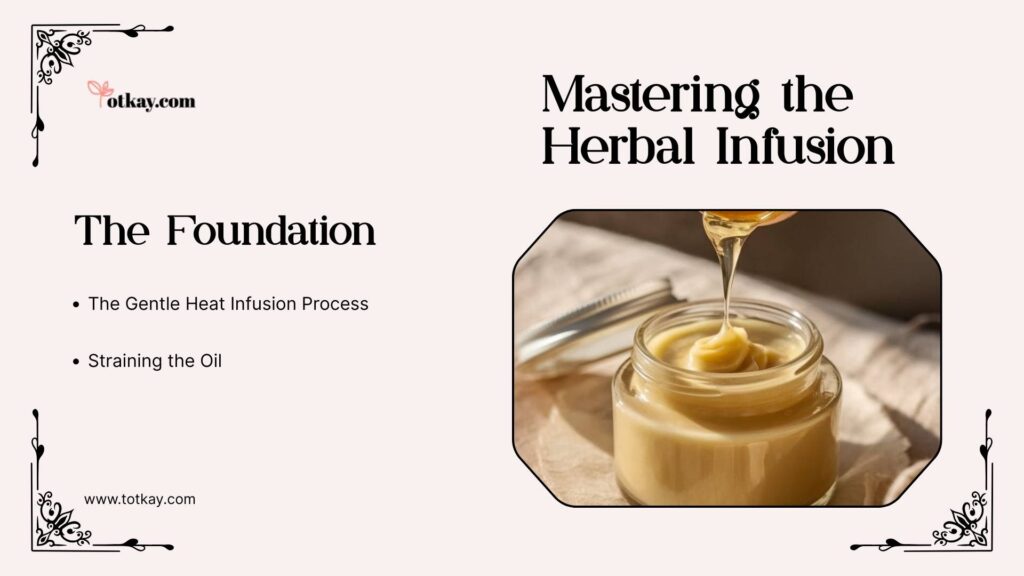
The golden rule of infusing herbs requires you to use fully dried herbs. Do not use fresh herbs or fresh plant material. Fresh plant matter contains water. Introducing water into your herbal oil invites mould growth and rapid spoilage. You must eliminate all moisture to preserve the medicinal compounds.
The Gentle Heat Infusion Process
To extract valuable therapeutic properties without burning the plant material, utilise the gentle heat method.
Fill a saucepan with a few inches of water and place a glass measuring cup or a heat-safe bowl on top to create a double boiler. Combine your chosen carrier oil and dried herbs in the top vessel. Maintain a low, steady oil temperature over medium heat. Do not let the oil boil. You can also use a slow cooker or crock pot set to the lowest “warm” setting. Let the oil sit and gently heat for three to five days to maximise the extraction of medicinal properties.
Straining the Oil
Once the infusion finishes, you must strain the oil meticulously. Place a fine cheesecloth over a sterile liquid measuring cup. Carefully pour the warm oil mixture through the cloth. Squeeze the cloth to extract every drop of the infused oil. You must ensure no plant particles remain, as sediment leads to mould.
Comparison Table: Best Carrier Oils and Thickeners
Choosing the right salve ingredients dictates the texture and absorption rate of your skin care products. Review this table to select the best components.
| Component | Popular Options | Key Benefits |
| Carrier Oil | Olive oil, Sweet almond oil, Jojoba oil, Avocado oil, Coconut oil | Infuses plant properties deeply; delivers essential fatty acids to dull skin. |
| Thickener (Wax) | Beeswax, Carnauba wax, Soy wax | Provides structure; beeswax melts smoothly to create a protective barrier. |
| Emollient (Butter) | Cocoa butter, Shea butter, Mango butter | Adds deep creaminess; targets severe dry skin and locks in moisture. |
| Preservative | Vitamin E oil, Rosemary oil extract | Offers powerful antioxidant properties; extends the shelf life of the fatty acids. |
Three Essential “Totkay” Salve Recipes
These three herbal salve recipes provide a comprehensive toolkit for everyday skin conditions.
The “Skin Rescue” Salve
This formula soothes minor scrapes and dry patches.
- 1 cup of calendula-infused oil (olive oil base)
- 1/4 cup of grated beeswax
- 1 teaspoon of vitamin E
Instructions:
Melt the herbal-infused oil and beeswax together in a double boiler. Once completely liquid, remove from the heat. Stir gently to incorporate the vitamin E oil. Carefully pour the mixture into a sterilised glass jar.
The “Deep Comfort” Muscle Rub
This warming rub targets sore muscles and mild nerve pain.
- 1 cup of sweet almond oil infused with dried arnica flowers
- 1/4 cup of beeswax
- 1 tablespoon of shea butter
Warning:
Arnica is strictly for external use. Do not apply this to broken skin.
The “Baby-Safe” Barrier Balm
This ultra-mild formula protects sensitive skin and acts as a gentle barrier for diaper rash.
- 1/2 cup of chamomile-infused jojoba oil
- 2 tablespoons of carnauba wax
- 1 tablespoon of mango butter
- Note: Do not add essential oils to this recipe. It must remain pure to protect infant skin.
Safety and Best Practices
Crafting your own remedies requires strict adherence to safety protocols.
You must perform a patch test before applying a new salve to your body. Apply a small amount to your inner wrist. Wait 24 hours to ensure you do not experience irritation.
Sterilisation is crucial. Boil your glass jars and measuring cup before filling them. Introducing your pure homemade salve into a dirty container will ruin it.
If you choose to add a few drops of essential oils, follow the “Rule of 1%.” This means adding no more than one per cent essential oil to your total volume. Beware of phototoxic oils, such as sweet orange or lemon, which cause severe sun sensitivity. Finally, remember that specific oils, like tea tree and peppermint, are highly toxic to pets. Keep your products safely away from animals.
Troubleshooting and Pro-Tips
Even experts encounter occasional texture issues. Use these tips to rescue your batches.
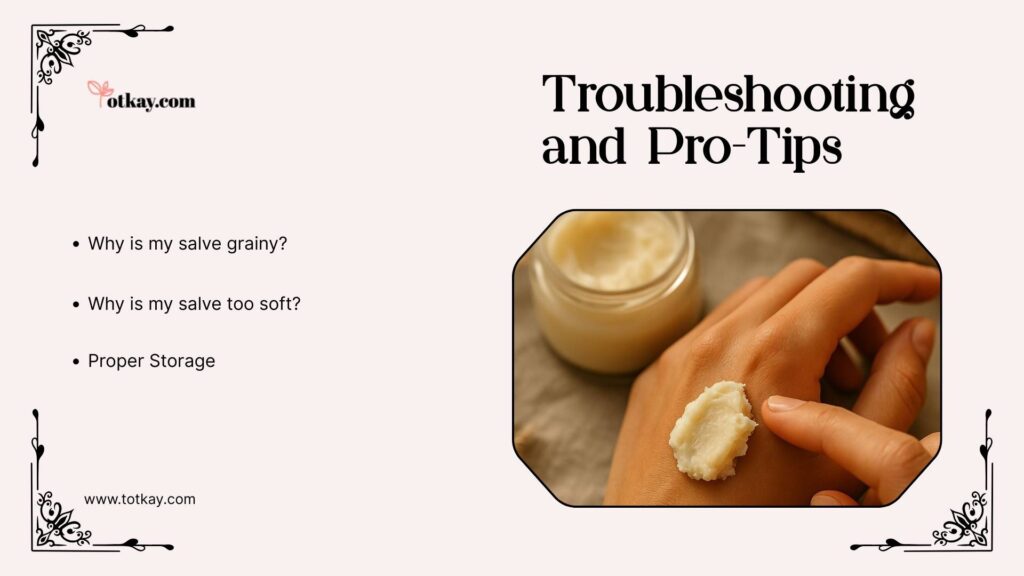
Why is my salve grainy?
Graininess happens when butter cools too slowly. Remelt the grainy salve gently in your double boiler. Once melted, place the jars in the refrigerator to ensure the mixture becomes completely cooled at a rapid pace.
Why is my salve too soft?
Ambient temperatures affect your final texture. If you have a softer salve than desired, return it to the double boiler and add a small amount of extra wax.
Proper Storage:
Store your finished products in a cool, dark environment. Heat degrades the medicinal properties of wild plants and accelerates oil rancidity. Under optimal conditions, your salve will boast a shelf life of one full year.
Conclusion
Crafting your own natural remedies offers immense satisfaction. By mastering the fundamental infusion process and understanding your ingredients, you can confidently create a variety of herbal salve recipes that deliver highly effective treatments at home. You now possess the exact knowledge required to replace synthetic ointments with natural alternatives.
What herb are you planning to infuse first? Let us know in the comments below at Totkay!
Frequently Asked Questions
What are herbal salves, and how are they used?
Herbal salves are natural ointments made from herbal-infused oils and waxes, designed to soothe and heal skin conditions like dry skin, scrapes, or inflamed skin. They are solid at room temperature and easy to apply. Popular ingredients include beeswax, shea butter, and calendula-infused oil. These salves are ideal for natural skincare routines, offering therapeutic benefits without synthetic additives.
Can I use fresh herbs to make herbal salves?
No, fresh herbs should not be used for salve making. Fresh plant material contains water, which can lead to mould and spoilage in the infused oil. Always use fully dried herbs to ensure a stable, long-lasting product. Dried herbs like chamomile, arnica flowers, or calendula are excellent choices for creating safe and effective herbal remedies.
What is the best carrier oil for herbal salves?
The best carrier oils for herbal salves include olive oil, sweet almond oil, and jojoba oil. These oils deeply infuse plant properties and provide essential fatty acids for dull or dry skin. Olive oil is a versatile choice, while jojoba oil is excellent for sensitive skin. Choose oils that complement your desired therapeutic benefits and skin type.
How do I store homemade herbal salves?
Store your homemade salves in a cool, dark, and dry place to maintain their shelf life. Use sterilised glass jars to prevent contamination. Proper storage ensures the salve retains its medicinal properties and antioxidant benefits for up to one year. Avoid exposing the salve to heat or direct sunlight, as this can degrade the infused oil and wax.
Why is my herbal salve grainy, and how can I fix it?
Graininess occurs when butters like shea or cocoa butter cool unevenly. To fix this, remelt the salve gently using a double boiler. Once melted, cool it quickly in the refrigerator to ensure a smooth texture. Proper cooling prevents grainy textures and ensures a creamy, consistent salve for natural skincare applications.

Hi, I’m a dedicated writer at Totkay.com, passionate about sharing practical tips and solutions to make your life easier. Explore my articles for helpful insights and valuable advice. Stay connected for more expert content!
Related posts:
 Homemade Vitamin C Toner
 Home Remedies for Skin Whitening: Natural Ways to Brighten Your Skin Safely
 How to Stop Itchy Feet Home Remedies: Causes, Natural Treatments & Prevention
 Simple Home Remedies for Acne
 Natural Wrinkle Home Remedies for Youthful Skin
 Homemade Sunscreen: Why DIY Protection Fails Your Skin