
Recurrent Hemorrhoids: Prevention Tips and Expert Advice
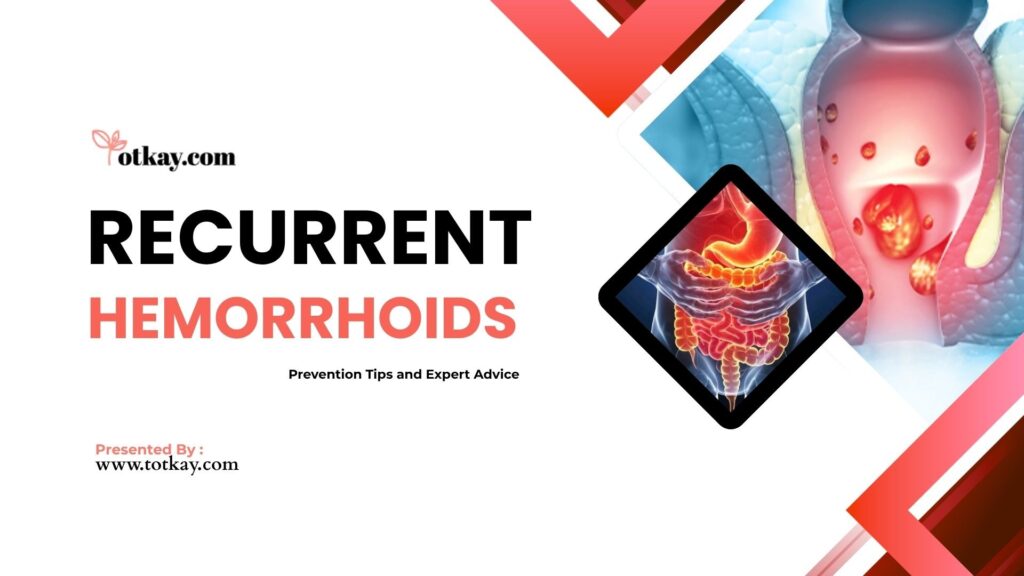
Recurrent Hemorrhoids occur when underlying causes like chronic constipation, straining, poor diet, or sedentary habits are not fully addressed. To prevent repeated piles, you must focus on long-term lifestyle changes, including a fiber-rich diet, proper hydration, regular exercise, and healthy bowel habits.
Prevention requires eliminating triggers that increase pressure on rectal veins. By improving digestion, reducing strain, and maintaining consistent routines, you can significantly lower the risk of recurring hemorrhoids and achieve long-term relief.
Why Hemorrhoids Keep Coming Back (The Root Problem)
Recurring piles are not random events. They represent a clear pattern of physical stress. You must address the root cause to find permanent relief.
Chronic Constipation Cycle
A hard stool forces you to strain during bowel movements. This straining increases pressure on delicate veins. Repeated damage causes the issue to return frequently.
Here are the specific ways constipation harms your body. These mechanisms explain why symptoms return.
- Hard stools create physical trauma in the anal canal.
- Straining forces blood to pool in the lower rectum.
- Excessive pressure weakens the vein walls over time.
Constipation remains the primary trigger for this painful cycle.
Incomplete Lifestyle Changes
Many people rely on temporary treatments without fixing their daily habits. The symptoms disappear, but the underlying cause remains active. You must implement comprehensive lifestyle changes for hemorrhoids.
Consider these common mistakes people make. Correcting these errors prevents future issues.
- Thinking creams are a magic fix: Many people just use topical creams to ease the pain, but don’t change what they eat.
- Going back to old habits: As soon as the pain is gone, it’s easy to slip back into eating low-fiber foods.
- Forgetting to hydrate: Simply not drinking enough water is a common mistake that can make a big difference.
Weak Digestive and Pelvic Health
Poor bowel movement regulation places constant stress on your body. Weak pelvic floor muscles fail to support the lower rectum properly.
These factors contribute to a weakened pelvic region. Strengthening this area provides significant protection.
- Spending too long on the toilet: This increases pressure on the rectal veins.
- Not getting enough exercise: A sedentary lifestyle can weaken your digestive system and pelvic muscles.
- Delaying bowel movements: Holding it in can make stools harder and more difficult to pass, leading to straining.
Recurrence happens when root causes remain active. If you don’t address the underlying issues that led to hemorrhoids in the first place, they are likely to come back. This creates a painful and frustrating cycle.
The Hemorrhoid Recurrence Cycle (Break This First)
The key to preventing hemorrhoids from coming back is understanding and breaking this cycle. By interrupting the process early, you can stop the recurrence before it even starts.
Step 1: Constipation Starts
A low-fiber diet and dehydration are the primary culprits behind constipation, causing stool to become hard and difficult to pass. When your diet lacks sufficient bulk from fiber, waste moves more slowly through your digestive system, allowing more water to be absorbed from it. This results in harder, drier stools that are tough to expel.
Step 2: Straining Increases Pressure
To pass the hard stool, you naturally push harder. This significantly increases pressure on the veins in your rectum and anus. Think of these veins like small balloons; under intense pressure, they swell and become inflamed, leading to hemorrhoids. Chronic straining is the most direct mechanical trigger for hemorrhoid flare-ups.
Step 3: Temporary Relief (But No Fix)
You might turn to over-the-counter creams, suppositories, or wipes to alleviate the pain and swelling. While these treatments can provide temporary relief from the immediate symptoms, they don’t address the root cause of the problem—your diet and habits. The underlying constipation and straining issues remain, setting the stage for the next flare-up.
Step 4: Flare-Up Returns
Because your lifestyle habits haven’t changed, you continue to expose your body to the same triggers (low fiber, dehydration). The cycle begins again, often with more intensity, leading to the same painful result.
Diet Plan to Prevent Recurrent Hemorrhoids
Diet functions as your strongest prevention tool. You control exactly what enters your digestive system.
Foods You Must Eat
A fiber-rich diet improves bowel movement efficiency and prevents strain. You must consume the right foods daily.
Add these powerful foods to your daily meals. They provide the necessary bulk for healthy digestion.
- Fruits: Apples, pears, and berries are packed with fiber and essential vitamins.
- Vegetables: Carrots, broccoli, and leafy greens add necessary bulk to your stool.
- Whole Grains: Oats, quinoa, and brown rice help regulate your digestive system.
- Legumes: Lentils, chickpeas, and black beans are excellent sources of both fiber and protein.
Foods to Avoid
Certain foods actively harm your digestive process. You must eliminate them to maintain rectal health.
Remove these items from your standard diet. They strip moisture from your digestive tract.
- Highly processed foods and fast food: These are often low in fiber and high in unhealthy fats, which can slow down digestion and contribute to constipation.
- Overly spicy foods: While some people tolerate them well, spicy foods can irritate the digestive lining and worsen symptoms for others.
- Excessive caffeine: Caffeine can act as a diuretic, leading to dehydration. This can cause stools to become hard and difficult to pass.
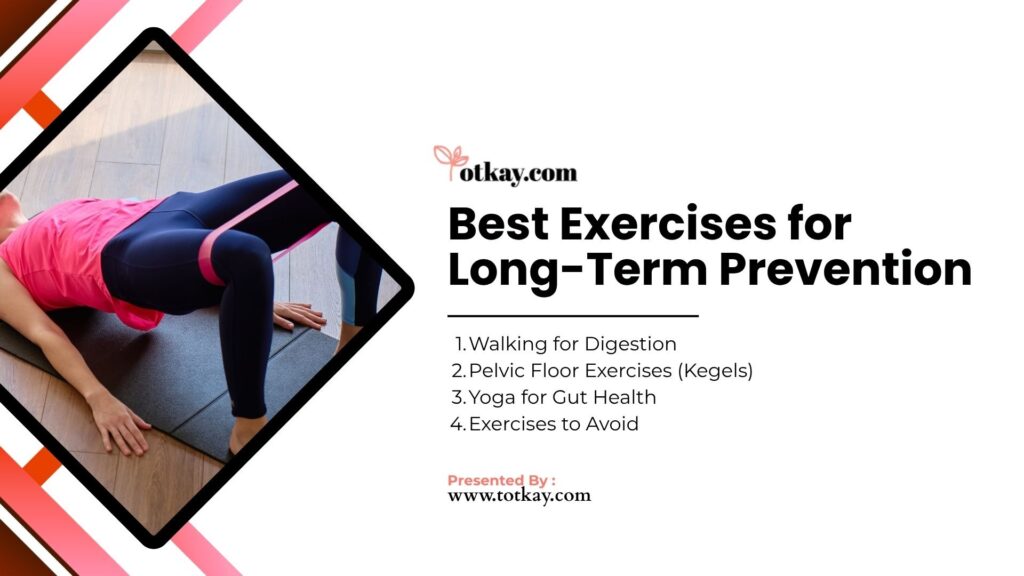
Best Exercises for Long-Term Prevention
Movement improves digestion and blood circulation. Exercise for digestion helps regulate bowel movements and reduce risk.
Walking for Digestion
A simple daily walk can significantly improve the regularity of your bowel movements. Walking stimulates the intestinal muscles, helping to move stool through your system more efficiently. Aim for at least 30 minutes of brisk walking most days of the week.
Pelvic Floor Exercises (Kegels)
Strengthening your pelvic floor muscles with Kegel exercises can reduce strain during bowel movements and provide better support for your rectal muscles. This builds a strong foundation for your pelvic organs, improving overall bowel control and function.
Yoga for Gut Health
Specific yoga poses improve circulation to the digestive tract. The gentle stretching reduces constipation effectively.
Try these simple approaches to boost your activity. Consistency provides the best results.
- Practice deep breathing while holding gentle stretches.
- Focus on poses that massage the abdominal area.
- Maintain a steady routine rather than intense, rare sessions.
Exercises to Avoid
Certain exercises can do more harm than good, especially if you’re trying to protect your gut health. High-intensity workouts and heavy lifting can put unnecessary strain on your core and increase pressure on sensitive areas.
To keep your exercise routine beneficial, consider the following adjustments:
- Reconsider your strength training: Heavy lifting, especially exercises like squats and deadlifts, increases intra-abdominal pressure, which can strain your core and pelvic floor. Instead of maxing out on heavy weights, focus on endurance by using lighter weights with higher repetitions.
- Swap high-impact cardio for low-impact alternatives: High-impact exercises such as sprinting, jumping, or intense plyometrics can be jarring and may divert blood flow from your digestive system.
Daily Prevention Routine for Recurrent Hemorrhoids
| Habit Category | What to Do Daily | Benefit |
| Diet | Eat fiber-rich meals | Soft stool |
| Hydration | Drink 8–10 glasses of water | Prevents constipation |
| Exercise | 20–30 min walking or yoga | Improves digestion |
| Bowel Habits | Avoid straining, don’t delay | Reduces pressure |
| Lifestyle | Avoid long sitting | Improves circulation |
When Recurrent Hemorrhoids Need Medical Attention
Sometimes prevention alone does not solve the problem. You must recognize when professional help becomes necessary.
Frequent Bleeding
Noticeable blood requires an immediate medical evaluation. You should never ignore consistent bleeding.
Severe Pain or Swelling
Extreme pain indicates a potential blood clot or severe inflammation. A doctor can provide targeted treatments for acute pain.
No Improvement Despite Lifestyle Changes
You might follow every rule and still experience issues. Seek medical advice if symptoms persist to explore advanced treatment options.
Final Insight
Recurrent hemorrhoids require more than just short-term fixes. Lasting relief comes from creating a consistent lifestyle that improves digestion, minimizes strain, and avoids triggers. While these long-term lifestyle changes for hemorrhoids don’t happen overnight, they are the most effective way to prevent recurrence.
Ready to take control of your health? Dive deeper into understanding hemorrhoids by exploring our detailed guides on the types, symptoms, stages, non-surgical treatments, and surgical options available.
Frequently Asked Questions
Why do hemorrhoids keep coming back?
Hemorrhoids usually recur because of chronic constipation, straining, and poor lifestyle habits. If the root causes are not addressed, symptoms may temporarily disappear but return over time.
Can diet prevent recurrent hemorrhoids?
Yes, a fiber-rich diet combined with proper hydration helps soften stool, reduce straining, and support regular bowel movements, which significantly lowers the chances of recurrence.
Which exercises help prevent hemorrhoids?
Low-impact exercise for digestion, like walking, yoga, and pelvic floor strengthening, improves gut health and reduces pressure on rectal veins, helping prevent repeated piles.
How long does it take to stop recurring piles?
With consistent lifestyle changes, improvement can be seen within a few weeks. However, long-term prevention requires maintaining healthy habits continuously to avoid recurrence.
Are recurrent hemorrhoids dangerous?
Most recurrent hemorrhoids are not dangerous but can cause discomfort and complications if ignored. Persistent symptoms like bleeding or severe pain should be evaluated by a doctor.

Hi, I’m a dedicated writer at Totkay.com, passionate about sharing practical tips and solutions to make your life easier. Explore my articles for helpful insights and valuable advice. Stay connected for more expert content!
Related posts:
 Severe Period Pain on First-Day Home Remedies
 Improve Endurance Naturally: 10 Proven Ways to Go Further
 Natural Carb Blockers: 10 Pantry Hacks to Stop Weight Gain
 High Blood Pressure Remedy: 10 Tips for 2026
 Nature’s Chill Pill: 10 Herbal Stress Relief Tips (2026)
 What Causes Piles in Men? Expert Guide and Prevention Tips