
Piles Complications: The Dangers of Untreated Hemorrhoids
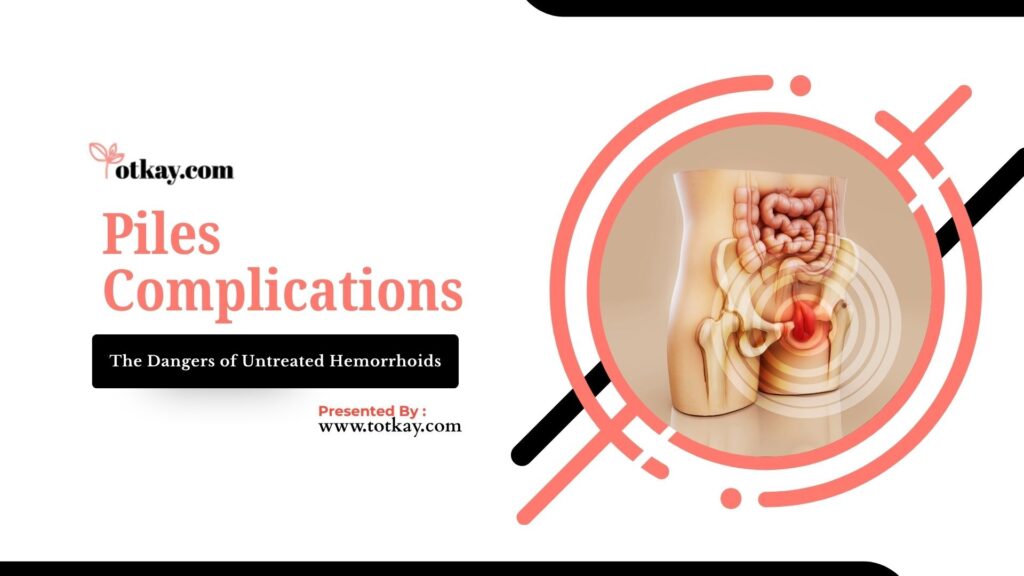
Piles complications can become serious if the condition is left untreated for a long time. What starts as mild discomfort can progress into a chronic bleeding risk, severe pain, and conditions like prolapsed tissue, a strangulated hemorrhoid, or even an infection in anus.
Over time, untreated piles can affect daily life, cause weakness due to blood loss, and require surgical treatment. Understanding these complications early helps prevent worsening symptoms and ensures timely care.
Why Ignoring Piles Is More Dangerous Than You Think
Many people ignore piles due to embarrassment or mild symptoms. This delay allows the condition to worsen silently inside the body. Understanding the hidden dangers is critical for your long-term health.
- Mild symptoms can escalate quickly: What seems like minor discomfort can suddenly become severe pain, making it harder to manage.
- Silent internal damage: While you might not feel it, the blood vessels inside are becoming more damaged, leading to bigger problems later.
- Treatment becomes more complex: The longer you wait, the more difficult and invasive the treatments become, increasing the risk of complications.
Ignoring piles can lead to serious complications. The condition rarely disappears on its own and usually worsens, requiring strict medical intervention.
How Piles Progress If Left Untreated (Stage-by-Stage)
Piles develop gradually, and the risk of experiencing complications increases with each stage. Recognizing these progressive stages can help you seek appropriate care before the condition becomes severe and more difficult to treat.
Stage 1: Mild Symptoms
The initial phase often goes unnoticed by many patients. Recognizing these early warning signs can save you from future distress.
- Frequent itching and irritation around the anal region.
- Slight bleeding was noticed on the toilet paper after bowel movements.
Stage 2: Increased Inflammation
As the condition advances, physical changes become distinctly noticeable. The affected blood vessels start to react to the constant anatomical pressure.
- Noticeable swelling and discomfort during daily activities.
- Small, visible lumps are forming near the anal opening.
Stage 3: Prolapsed Hemorrhoids
This stage introduces severe mechanical issues with the hemorrhoidal tissue. Normal anatomical structures begin to fail under the accumulated stress.
- Hemorrhoidal tissue comes out of the anus during straining.
- The patient may need manual repositioning to push the tissue back inside.
Stage 4: Severe Complications
Reaching this final stage means facing constant daily agony. Immediate medical intervention becomes an absolute necessity to restore normal function.
- Constant pain that disrupts sleep and daily routines.
- High risk of strangulation and thrombosis within the vessels.
Prolapsed hemorrhoids occur when internal hemorrhoids push outside the anus.
Major Complications of Untreated Piles
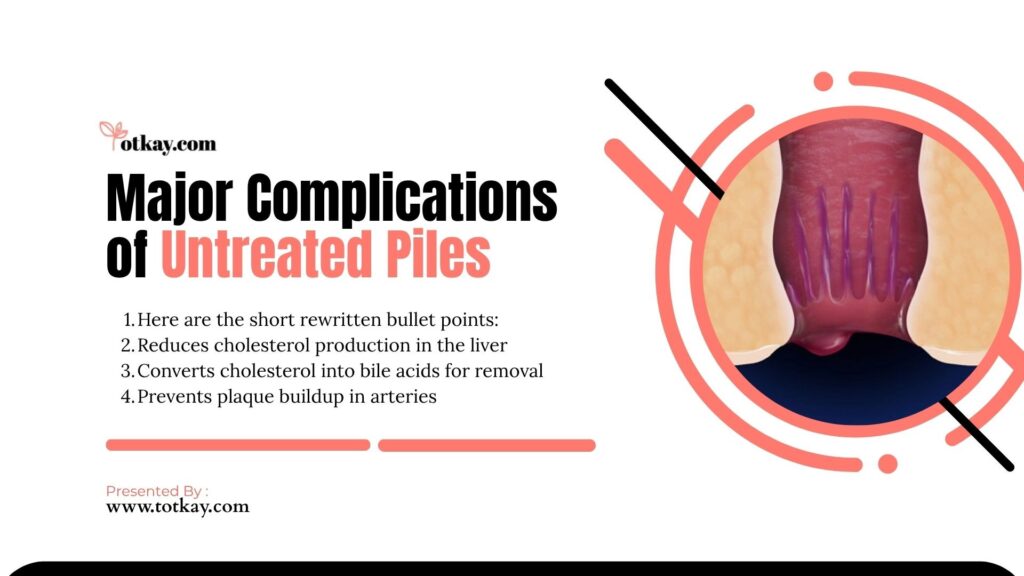
Ignoring piles can lead to multiple serious health issues. These complications transform a minor physical nuisance into a major medical condition.
Chronic Bleeding Risk
Continuous blood loss is a silent threat to your overall physical health. Over time, this daily drainage depletes vital bodily resources and energy.
- Frequent blood loss during bowel movements.
- Prolonged bleeding can lead to iron-deficiency anemia, causing fatigue and weakness.
- In severe cases, chronic blood loss may require medical intervention to manage anemia.
Ongoing bleeding may cause anemia in severe cases, elevating your chronic bleeding risk.
Thrombosed Hemorrhoids (Blood Clot Formation)
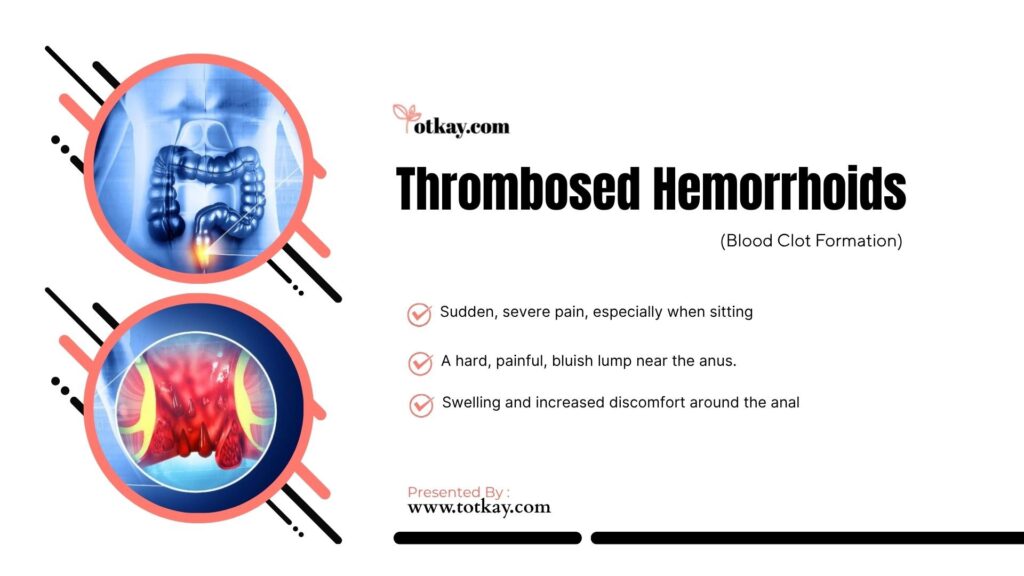
Blood flow issues can trigger painful acute vascular events. This complication demands urgent medical attention due to the high intensity of the symptoms.
- Sudden, severe pain, especially when sitting.
- A hard, painful, bluish lump near the anus.
- Swelling and increased discomfort around the affected area.
Blood clots can form in external hemorrhoids, causing intense pain. These thrombosed hemorrhoids are one of the more severe piles complications.
Prolapsed Tissue (Advanced Piles)
Advanced stages of piles physically alter your lower anatomy. This structural protrusion creates ongoing physical challenges and daily hygiene complications.
- Hemorrhoids protrude outside the anal cavity and cannot be pushed back in.
- Significant discomfort and pain are present throughout the day.
- Maintaining hygiene becomes a major challenge, especially after bowel movements.
Exposed prolapsed tissue requires immediate medical evaluation and careful management.
Strangulated Hemorrhoid (Medical Emergency)
A true medical emergency arises when the internal tissue loses its lifeline. The resulting tissue death creates excruciating agony for the patient.
- The vital blood supply is completely cut off from the tissue.
- Extreme pain and massive swelling dominate the affected area.
Strangulation occurs when blood flow to the hemorrhoid is blocked, resulting in a dangerous strangulated hemorrhoid.
Infection in the Anal Area
Damaged tissue presents an open door for harmful bacteria to enter the body. This secondary complication complicates the overall healing process significantly.
- Severe swelling, intense redness, and visible pus formation.
- High risk of developing a deep and painful anal abscess.
Infection is one of the more serious hemorrhoidal complications that can develop in damaged hemorrhoidal tissue.
Severe Inflammation and Pain
The localized physical reaction to advanced piles disrupts normal bodily functions entirely. The chronic inflammatory response exhausts the patient both physically and mentally.
- Constant discomfort that radiates deeply through the pelvic floor.
- Extreme difficulty sitting or walking for extended periods of time.
This severe inflammation creates a cycle of persistent, debilitating pain.
Piles Complications by Severity: A Clear Breakdown
This table helps you clearly understand how the complications of piles progress over time. Use this chart to accurately identify your current personal risk level.
| Stage Level | Condition | Symptoms | Risk Level |
| Early Stage | Mild piles | itching, slight bleeding | Low |
| Moderate Stage | Inflamed hemorrhoids | swelling, pain | Medium |
| Advanced Stage | Prolapsed piles | tissue outside anus | High |
| Severe Stage | Thrombosed hemorrhoid | severe pain, clot formation | Very High |
| Critical Stage | Strangulated hemorrhoid | blocked blood supply, extreme pain | Emergency |
Warning Signs You Should Never Ignore
There are a few warning signs to watch out for when it comes to piles. Recognizing these red flags will not only help you manage the condition better but could also prevent serious health issues down the line.
- Persistent Bleeding: If you notice that your toilet bowl consistently turns red after a bowel movement, it’s a significant warning sign.
- Severe Pain: Pain that is so intense it disrupts your daily activities, such as resting or sleeping, should not be ignored.
- Sudden Swelling: The appearance of a sudden swelling or a hard lump near the anal opening can indicate a serious issue.
- Unusual Discharge: Finding mucus on your undergarments frequently is another red flag.
- Changes in Bowel Habits: Any persistent change, such as constipation or diarrhea, that accompanies other symptoms.
These signs indicate worsening piles and require immediate medical attention.
When Do Piles Become an Emergency?
Some advanced complications require immediate medical care at a specialized hospital. Delaying professional treatment during these specific scenarios directly threatens your life.
- Heavy, uncontrollable bleeding that causes lightheadedness or dizziness.
- A strangulated hemorrhoid that visibly turns purple or black.
- A severe infection in the anus accompanied by a high body fever.
- The inability to pass stool due to a large, prolapsed hemorrhoid.
- Extreme pain that is not relieved by over-the-counter medications and interferes with daily activities.
Severe complications may require urgent medical treatment or surgical intervention.
Final Thoughts
Treating piles early is the absolute best way to maintain your long-term health. Do not wait for a strangulated hemorrhoid to force you into an emergency operating room. Experiencing severe inflammation or noticing a chronic bleeding risk means your body requires immediate professional help.
Severe piles complications are entirely preventable when you take proactive, educated steps toward recovery. Consult a medical professional today to discuss your symptoms and start a safe, effective treatment plan.
For more informative blogs related to the causes, types, symptoms, treatment, and diet, visit totkay.com.
Frequently Asked Questions
What are the complications of untreated piles?
If left untreated, piles can lead to several complications, including chronic blood loss that results in anemia. They can also become prolapsed (bulge outside the anus), thrombosed (form blood clots), or infected, causing severe pain and discomfort.
Can piles become dangerous if ignored?
Yes, ignoring piles can be dangerous. While they are often not life-threatening, neglecting them can lead to serious health issues such as severe, continuous bleeding, anemia, and strangulated hemorrhoids, which cut off blood flow and require immediate medical attention.
What is a strangulated hemorrhoid?
A strangulated hemorrhoid is a serious and extremely painful complication where the blood supply to an internal, prolapsed hemorrhoid is cut off by the anal sphincter muscles. This condition can lead to tissue death and requires urgent medical treatment to prevent infection.
Can piles cause infection?
Yes, piles can cause an infection, particularly if a blood clot forms within a hemorrhoid or if the skin overlying the pile becomes ulcerated or damaged. This creates an entry point for bacteria, leading to a localized infection that may cause increased pain and fever.
When should I see a doctor for piles?
You should see a doctor if your symptoms are severe or persistent. This includes experiencing constant rectal bleeding, extreme pain that interferes with your daily life, a noticeable lump that doesn’t go away, or if at-home treatments provide no relief after a week.

Hi, I’m a dedicated writer at Totkay.com, passionate about sharing practical tips and solutions to make your life easier. Explore my articles for helpful insights and valuable advice. Stay connected for more expert content!
Related posts:
 Severe Period Pain on First-Day Home Remedies
 Improve Endurance Naturally: 10 Proven Ways to Go Further
 Natural Carb Blockers: 10 Pantry Hacks to Stop Weight Gain
 High Blood Pressure Remedy: 10 Tips for 2026
 Nature’s Chill Pill: 10 Herbal Stress Relief Tips (2026)
 What Causes Piles in Men? Expert Guide and Prevention Tips