
Exercises for Piles Relief: Reduce Pain and Swelling Naturally
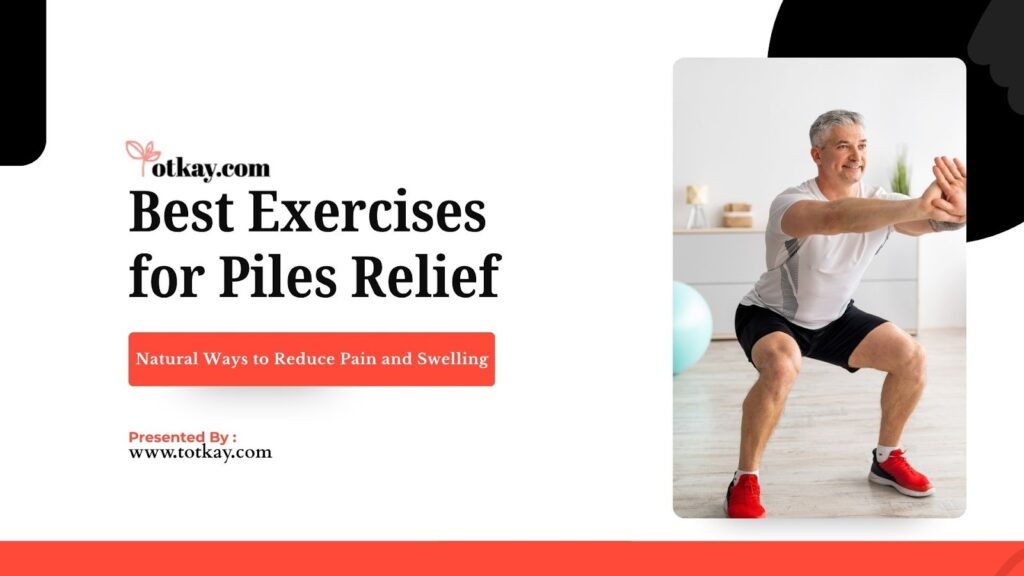
Finding the right exercises for piles can significantly reduce discomfort and accelerate the healing process. Specific movements, such as pelvic floor exercises and walking, can improve blood flow, support digestion, and reduce pressure on sensitive areas. Doing these exercises daily will help relieve pain and prevent the condition from worsening.
Regular low-impact exercise improves your bowel movements and reduces the need for straining. By incorporating pelvic floor strengthening and walking for constipation into your daily routine, you support long-term relief and better digestive health.
How Exercises Help in Piles Relief
Understanding how exercise works helps you choose the right movements instead of random workouts. Physical activity targets the root causes of the condition. It improves blood circulation in the rectal area and reduces constipation, a main cause of piles.
The right exercises for piles can strengthen your pelvic muscles and decrease pressure on the affected veins. Straining during a bowel movement increases pressure and worsens piles. Therefore, engaging in the right physical activities makes a significant difference in your recovery.
- Increases blood circulation to promote faster healing in swollen tissues.
- Stimulates the digestive tract to promote smoother, more regular bowel movements.
- Strengthens the muscles surrounding the rectum to provide better internal support.
- Relieves the excessive pressure placed on lower body veins.
Best Exercises for Piles Relief
Pelvic Floor Exercises (Kegel Exercises Benefits)
These are the most effective exercises for piles because they directly target the affected muscles. They help you tighten and relax your pelvic floor, which improves bowel control and reduces straining.
Kegel exercise benefits include improving your overall bowel movement efficiency and reducing unnecessary pressure on sensitive veins.
You must perform these exercises with the correct technique to see optimal results. Try incorporating these simple steps into your daily schedule.
- Squeeze the pelvic floor muscles as if you are trying to stop the flow of urine.
- Hold this contraction firmly for three to five seconds without holding your breath.
- Release the muscles slowly and relax completely for another five seconds.
- Repeat this process for 10 to 15 repetitions, three times a day.
Walking for Constipation and Better Digestion
Walking is one of the safest and easiest physical activities for relieving piles. It stimulates the digestive system, reduces constipation, and increases overall blood circulation. Walking for constipation supports healthy bowel movements without putting excess strain on your body.
A brisk walk helps move food through the digestive tract more efficiently. Aim for this simple routine to maximize your digestive benefits.
- Walk at a moderate pace for 20 to 30 minutes every day.
- Wear comfortable, loose-fitting clothing to avoid friction and irritation.
- Swing your arms naturally to keep your whole body moving and engaged.
- Drink a glass of water before and after your walk to stay fully hydrated.
Yoga for Digestion and Pain Relief
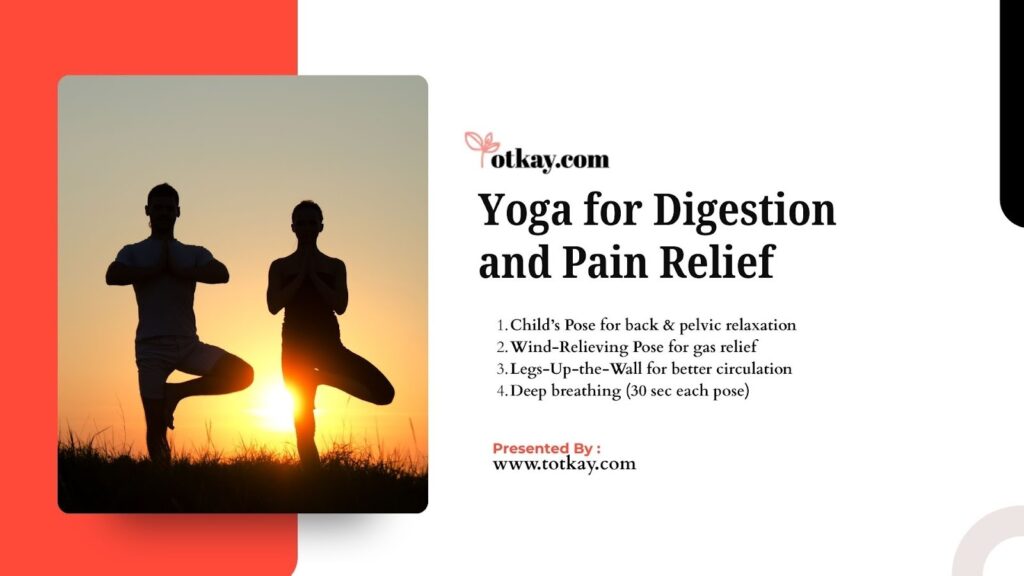
Yoga poses help relax tight muscles and improve internal organ function. Gentle stretching increases circulation to the pelvic region and reduces physical discomfort. Using yoga for digestion helps release trapped gas and encourages smoother digestion.
Incorporate specific exercises for piles into your routine that focus on relaxation and gentle abdominal compression. Try these excellent yoga poses to soothe your symptoms.
- Practice Child’s Pose to stretch the lower back and relax the pelvic region.
- Use the Wind-Relieving Pose to massage the abdominal organs and release trapped gas.
- Try the Legs-Up-the-Wall pose to improve blood return from the lower body to the heart.
- Focus on deep, diaphragmatic breathing while holding each pose for at least 30 seconds.
Low-Impact Workouts for Overall Relief
Gentle exercises can reduce pressure on the lower body while keeping your cardiovascular system active. These low-impact exercises for piles prevent sudden spikes in abdominal pressure that can worsen symptoms, keeping you mobile without causing further irritation.
Choose activities that offer smooth, controlled movements. The following options provide excellent cardiovascular benefits safely.
- Swim in a warm pool to relieve pressure and support your body weight completely.
- Perform light stretching routines to maintain flexibility in your lower back and hips.
- Practice deep breathing exercises to relax the abdominal muscles and reduce tension.
- Use an elliptical machine at a slow pace to keep the legs moving without harsh impact.
Daily Exercise Routine for Piles Patients
Following a structured routine is much more effective than doing random exercises. A consistent schedule ensures you engage your body safely throughout the day. It prevents prolonged periods of inactivity, which can lead to blood pooling in the pelvic region.
Morning Routine
Starting your day with gentle movement wakes up your digestive system. It sets a positive tone and encourages regular morning bowel movements.
- Go for a brisk 10-minute walk around your neighborhood.
- Perform deep breathing exercises for five minutes to relax your core.
- Drink a large glass of warm water to stimulate digestion immediately.
Midday Activity
Sitting for long periods increases pressure on the rectal veins. Breaking up your day with light activity provides essential relief.
- Stand up and perform light movements every 45 minutes.
- Avoid prolonged sitting by using a standing desk for short periods.
- Take a quick five-minute stroll around your office or home.
Evening Routine
The evening is the perfect time to wind down and target the pelvic floor. Relaxation exercises prepare your body for restful sleep and healing.
- Perform specific yoga poses to relieve any accumulated tension.
- Complete a full session of Kegel exercises to strengthen the pelvic floor.
- Focus on slow, mindful breathing to relax your nervous system.
Exercises to Avoid When You Have Piles
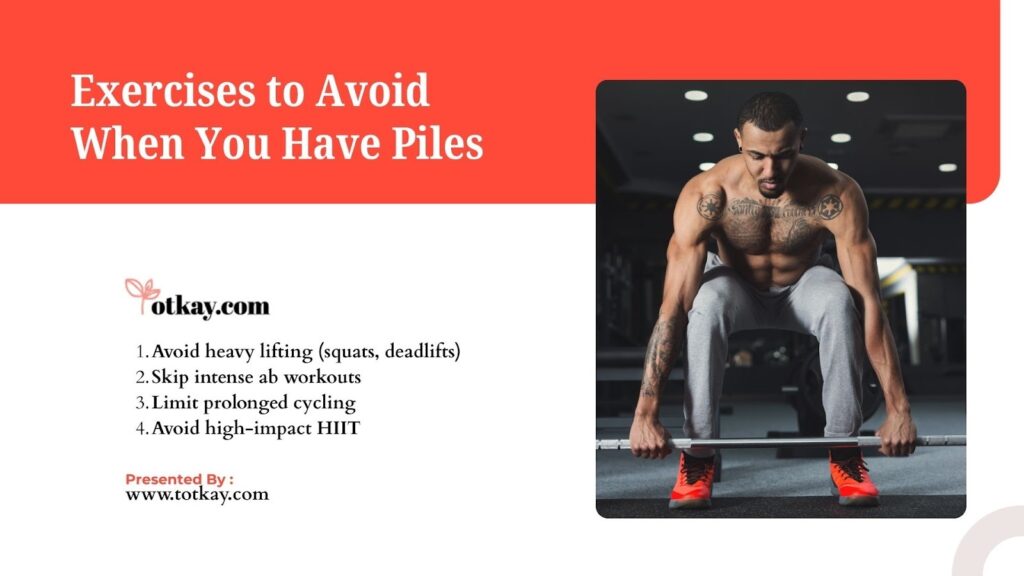
Some exercises can worsen your symptoms by rapidly increasing abdominal pressure. High-pressure physical activities push blood down into the rectal veins, causing them to swell further. You must modify your routine to avoid aggravating your condition.
Avoid these specific activities until your symptoms completely resolve. High-pressure exercises can significantly worsen hemorrhoids.
- Avoid heavy weight lifting, especially exercises like deep squats and deadlifts.
- Skip intense abdominal workouts that force you to strain your core muscles heavily.
- Stay away from prolonged cycling, which places direct pressure on the rectal area.
- Avoid high-intensity interval training (HIIT) that involves aggressive jumping or bounding.
Common Mistakes People Make While Exercising with Piles
While exercising with piles can be beneficial, common mistakes can set back your recovery. Understanding these pitfalls is the first step toward a safe and effective fitness routine.
Here are some frequent errors to avoid:
- Overexerting yourself: Pushing too hard adds unnecessary stress to a sensitive area, which can worsen your symptoms.
- Ignoring pain: Pain is your body’s signal to stop. Ignoring it means the exercise is likely too aggressive for your current condition.
- Being inconsistent: An irregular exercise schedule won’t provide the consistent digestive benefits needed for long-term relief.
- a Using incorrect form: Performing exercises, especially for the pelvic floor, with the wrong technique can increase muscle tension instead of promoting relaxation and healing.
Additional Tips to Boost Exercise Results
Supporting your physical activity with healthy lifestyle habits maximizes your recovery. Proper hydration and sufficient fiber intake help prevent constipation, keeping your digestive tract moving smoothly.
Small daily adjustments make a massive difference in how quickly you find relief. Incorporate these powerful habits to support your healing journey.
- Drink plenty of water throughout the day to keep your stool soft and easy to pass.
- Eat high-fiber foods such as leafy greens, whole grains, and fresh fruits.
- Avoid straining on the toilet by using a small footstool to elevate your knees.
- Maintain regular bowel habits by trying to use the bathroom at the same time each day.
When to Stop Exercises and See a Doctor
While exercise is highly beneficial, you must listen to your body carefully. If you experience severe pain during any movement, you must stop immediately. Unexplained bleeding or a sudden worsening of symptoms indicates that you need a professional medical evaluation.
Do not push through sharp pain; consult a healthcare provider to ensure you do not have complications.
Final Thoughts
Treating this condition requires a balanced approach to movement and lifestyle habits. By prioritizing exercises for piles, you actively improve your circulation and digestive health. Remember that consistency yields the best results.
Focus on the kegel exercises to build internal strength, and engage in low-impact workouts to keep your body active without adding strain. You do not have to endure discomfort silently; start your gentle exercise routine today and take a powerful step toward lasting relief.
For more information on piles, including their causes, types, surgical options, and diet-related blogs, visit totkay.com.
Frequently Asked Questions
Which exercise is best for relieving piles?
Pelvic floor exercises like Kegels are considered the best for piles relief because they strengthen the muscles around the rectum and reduce strain during bowel movements. Walking and yoga also help by improving digestion and circulation, making them highly effective when combined.
Can walking cure piles?
Walking cannot completely cure piles, but it plays a significant role in managing symptoms. It improves digestion, reduces constipation, and promotes regular bowel movements, which helps prevent worsening of piles and supports healing.
Are Kegel exercises safe for piles?
Yes, Kegel exercises are safe and beneficial for piles when done correctly. They strengthen pelvic floor muscles, improve blood flow, and reduce pressure during bowel movements. However, overdoing them should be avoided.
Which exercises should be avoided in piles?
High-impact exercises such as heavy weightlifting, intense abdominal workouts, and activities that increase pressure on the rectal area should be avoided. These can worsen symptoms and increase discomfort.
How long does it take for exercises to relieve piles?
Relief from exercises can take a few weeks, depending on consistency and severity. Regular practice combined with proper diet and hydration can significantly improve symptoms over time.

Hi, I’m a dedicated writer at Totkay.com, passionate about sharing practical tips and solutions to make your life easier. Explore my articles for helpful insights and valuable advice. Stay connected for more expert content!
Related posts:
 Severe Period Pain on First-Day Home Remedies
 Improve Endurance Naturally: 10 Proven Ways to Go Further
 Natural Carb Blockers: 10 Pantry Hacks to Stop Weight Gain
 High Blood Pressure Remedy: 10 Tips for 2026
 Nature’s Chill Pill: 10 Herbal Stress Relief Tips (2026)
 What Causes Piles in Men? Expert Guide and Prevention Tips