
Bleeding Piles: When to See a Doctor and Seek Treatment

Bleeding piles occur when swollen blood vessels inside the lower rectum rupture. You will usually notice bright red blood stool or fresh drops in the toilet bowl. Mild cases often improve with simple home care and dietary adjustments.
However, the condition becomes dangerous if you experience persistent bleeding, severe rectal pain, or an elevated anemia risk. You must see a doctor when conservative treatments fail or symptoms worsen. A proper medical diagnosis test is necessary to rule out other severe gastrointestinal conditions.
What Are Bleeding Piles?
Bleeding piles are enlarged and inflamed blood vessels located in the anal canal. They become irritated and bleed during bowel movements.
What Causes Bleeding in Hemorrhoids
Hemorrhoids, or swollen veins in the rectum and anus, develop due to increased pressure in the lower rectum. Understanding the specific factors that contribute to this pressure is key to both prevention and management.
The most common triggers include:
- Straining During Bowel Movements: Forcing a bowel movement puts significant stress on the veins in your anal canal.
- Chronic Constipation or Diarrhea: Both conditions can lead to straining and increased time spent on the toilet, contributing to hemorrhoid development
- Heavy Lifting: Regularly lifting heavy objects can put a strain on your lower body, including the rectal veins.
Why Blood Appears Bright Red
When bleeding occurs from hemorrhoids, the blood is typically bright red. This is because it comes from the lower rectum and hasn’t had time to travel through the digestive tract, where it would darken. Understanding the characteristics of this bleeding can help you identify the issue.
- Color: The blood is bright red, similar to a fresh cut, indicating it’s new.
- Timing: It usually appears during or immediately after a bowel movement.
- Sensation: With internal hemorrhoids, this bleeding is often painless.
Common Symptoms of Bleeding Piles You Should Not Ignore
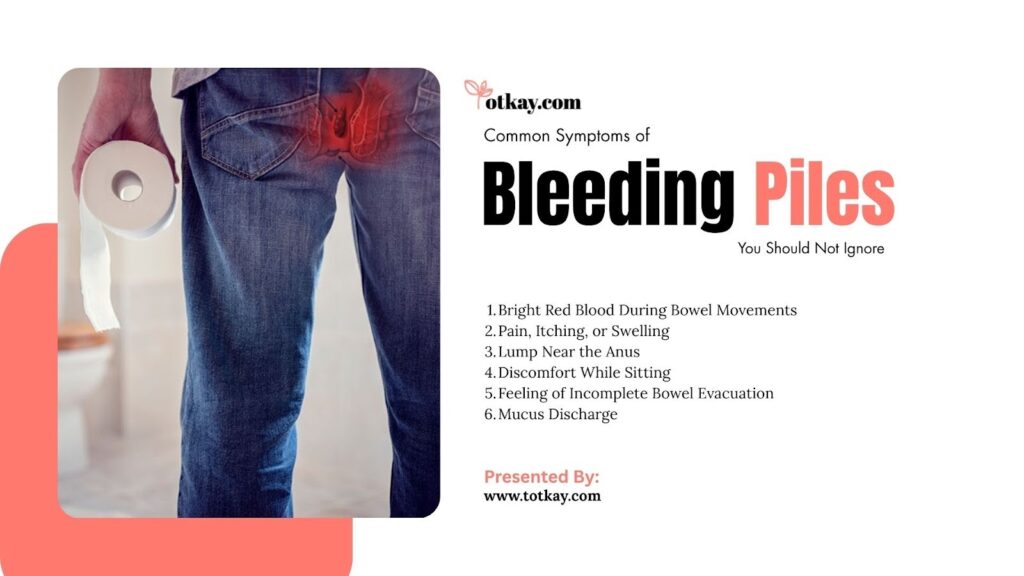
Recognizing the early signs of bleeding piles is crucial for seeking timely treatment and preventing complications. While a small amount of bright red blood can be alarming, it’s often the first and most common symptom.
Here are the key warning signs you should look for:
- Seeing fresh, bright red blood coating the surface of your stool.
- Noticing drops of blood falling into the toilet bowl during or after a bowel movement.
- Finding bloody spots or streaks on your toilet paper after wiping.
- Experiencing painless bleeding, which is a hallmark of internal hemorrhoids.
- Feeling a persistent sensation of fullness or a lump near the anus, which may be accompanied by bleeding.
Bright Red Blood During Bowel Movements
You will commonly see bright red streaks on toilet tissue. This indicates active bleeding from the lower digestive tract.
Pain, Itching, or Swelling
Inflamed tissue around the anal area can lead to persistent itching, a condition known as pruritus ani. This constant irritation is often accompanied by swelling, which creates a feeling of fullness. You might also find it uncomfortable to clean the area after a bowel movement.
Lump Near the Anus
If a blood clot forms within an external hemorrhoid, it can create a hard, tender lump near the anal opening. This is called a thrombosed hemorrhoid and can be quite painful, especially during physical activities or when sitting. While the clot itself isn’t dangerous, the pain may require medical attention.
Discomfort While Sitting
The pressure from sitting can be very uncomfortable when you have hemorrhoids, as it presses on the swollen veins. The pain often gets worse when sitting on hard surfaces for long periods. Using a donut-shaped cushion can help relieve some of this pressure and make sitting more tolerable.
Feeling of Incomplete Bowel Evacuation
Sometimes, even after you’ve had a bowel movement, internal hemorrhoids can make you feel like you’re not finished. This sensation occurs because the swollen tissue can feel like stool remaining in the rectum.
Mucus Discharge
You might notice a slimy mucus discharge from your anus, which can irritate the surrounding skin. This happens because internal hemorrhoids can interfere with the normal closure of the anal sphincter, allowing small amounts of mucus from the rectum to leak out. This can also lead to dampness and further skin irritation.
Is Bleeding from Piles Normal or Dangerous?
Seeing a bit of blood can be alarming, but it’s often a common symptom of piles. The key is to understand when this bleeding is just a minor issue versus when it’s a red flag for something more serious.
A small amount of bright red blood on your toilet paper after a bowel movement or a few drips into the toilet bowl is usually considered mild. This type of bleeding is often temporary and can resolve with simple home care, like increasing your fibre and water intake to soften your stools.
However, how do you know when the bleeding has crossed a line and become dangerous? It’s important to pay attention to the frequency, amount, and colour of the blood. If the bleeding becomes more frequent, lasts for several days, or if you notice a significant amount of blood, it’s a sign that you should seek medical advice.
Here’s a simple way to tell the difference:
- Normal, Mild Bleeding: You might see a small streak of bright red blood on the toilet paper that goes away quickly.
- Persistent Bleeding: The bleeding doesn’t stop after a day or two and happens with most bowel movements.
- Dangerous, Heavy Bleeding: You pass a large amount of blood, feel dizzy, or notice clots. This requires immediate medical attention.
Mild vs. Serious Bleeding: How to Tell the Difference
Distinguishing between minor, temporary bleeding and a more serious issue can be confusing. Understanding the signs can help you determine when it’s safe to manage at home and when you need to see a doctor.
- Mild Bleeding: This often appears as a small streak of bright red blood on your toilet paper or as a few drips in the toilet bowl. It’s usually temporary and might be caused by minor irritation.
- Serious Bleeding: If you notice blood with every bowel movement, the bleeding lasts more than a day or two, or you’re passing more than a few drops, it’s time to take it seriously.
When to See a Doctor for Bleeding Piles
It’s important not to ignore bleeding piles. While often harmless, certain symptoms can indicate a more serious problem that requires prompt medical attention. Knowing when to seek professional help can prevent complications and ensure you receive the right treatment.
Here are some key signs that it’s time to see a doctor:
- Persistent Bleeding: If the bleeding continues for more than a couple of days, it’s a sign that the issue isn’t resolving on its own.
- Signs of Significant Blood Loss: Feeling dizzy, lightheaded, or unusually fatigued could indicate you’re losing too much blood.
- Severe Pain: Unbearable pain often points to a complication like a thrombosed hemorrhoid, which requires immediate medical care.
Persistent Bleeding (More Than a Few Days)
While a small amount of bright red blood on toilet paper is a common symptom of hemorrhoids, persistent bleeding that lasts for more than a couple of days should not be ignored.
Continuous blood loss, even if it seems minor, can lead to more significant health issues over time. It’s crucial to seek medical advice to rule out other conditions and prevent complications.
Here’s why seeing a doctor for persistent bleeding is important:
- Rule out other conditions: Bleeding can also be a symptom of more serious gastrointestinal issues, such as fissures, colitis, or colorectal cancer.
- Prevent anemia: Chronic blood loss can deplete your body’s iron stores, leading to anemia, which causes fatigue, weakness, and dizziness.
- Get a proper diagnosis: A doctor can accurately diagnose the cause of the bleeding and recommend the most effective treatment plan.
Severe Rectal Pain or Swelling
Intense agony usually indicates a thrombosed hemorrhoid. This occurs when a blood clot blocks the vein and requires urgent medical attention.
Signs of Anemia
When hemorrhoids cause chronic blood loss, your body can lose a significant amount of iron. This depletion leads to iron-deficiency anemia, a condition that can leave you feeling constantly drained.
Key symptoms: Be vigilant for persistent fatigue, unusual weakness, shortness of breath, and spells of dizziness, as these are classic signs of anemia developing.
Change in Stool Color or Bowel Habits
Pay close attention to any changes in your stool, as it can provide vital clues about your digestive health. While bright red blood is common with hemorrhoids, darker stools may indicate a problem further up the digestive tract that needs investigation.
What to watch for: If you notice your stools have become dark, tarry, or black, or if there is a sudden, unexplained change in your bowel habits (like persistent diarrhea or constipation), it’s crucial to consult a doctor.
Bleeding Piles Severity Guide
| Condition Level | Symptoms | Risk Level | Action Needed |
| Mild | Occasional bright red blood | Low | Home treatment |
| Moderate | Frequent bleeding + discomfort | Medium | Doctor consultation |
| Severe | Heavy bleeding + pain | High | Immediate medical care |
| Chronic | Long-term bleeding | High | Medical diagnosis |
| Complicated | Pain + clot/lump | Very High | Urgent treatment |
This table helps you self-evaluate your current condition. Always consult a healthcare professional if you feel uncertain about your symptoms.
What Happens If You Ignore Bleeding Piles?
Ignoring bleeding piles can lead to more serious health issues over time. What starts as a minor discomfort can escalate, impacting your daily life and potentially masking other conditions. Understanding the risks of inaction is the first step toward proactive health management.
Here are some potential complications that can arise from untreated bleeding piles:
- The swollen veins become permanent.
- The pain disrupts your daily life.
- You miss the warning signs of other diseases.
Risk of Chronic Hemorrhoids
Untreated piles progressively enlarge over time. They eventually become chronic hemorrhoids that require surgical intervention.
Increased Pain and Swelling
Continuous irritation worsens the inflammation. The localized pain becomes a daily burden that restricts your mobility.
Anemia Due to Blood Loss
Steady bleeding strips your body of red blood cells. Severe anemia requires iron transfusions or medical hospitalization.
Risk of Misdiagnosing Serious Conditions
Rectal bleeding is a primary symptom of colorectal cancer. Assuming you only have piles is a dangerous mistake.
How Doctors Diagnose Bleeding Piles
Physicians use specific techniques to locate the source of bleeding. Are you nervous about the examination? Understanding the process helps reduce your anxiety.
- The doctor visually inspects the area.
- They check for internal abnormalities.
- They use cameras to view the lower intestine.
Physical Examination
The doctor examines the exterior of your anus. They look for visible lumps, swelling, or skin tags.
Digital Rectal Exam
The physician inserts a lubricated, gloved finger into the rectum. This helps them feel for unusual growths or internal hemorrhoids.
Anoscopy or Sigmoidoscopy
The doctor uses a short, lighted tube to inspect the anal canal. This provides a clear view of the lower rectum.
Colonoscopy (If Needed)
A colonoscopy examines the entire large intestine. Doctors recommend this test to rule out cancer or inflammatory bowel disease.
Expert Insight: Why You Should Never Ignore Rectal Bleeding
Many people delay seeking help due to embarrassment. You must overcome this hesitation to protect your health. Early diagnosis prevents minor piles from becoming severe complications. A thorough medical evaluation also rules out life-threatening diseases that share the same symptoms.
Conclusion
In conclusion, managing bleeding piles requires prompt attention and proper care. While often treatable with lifestyle changes, symptoms like severe rectal pain or bright red blood in your stool should never be ignored.
Delaying a medical evaluation not only increases your risk of developing anemia or chronic hemorrhoids but also overlooks the possibility of more serious underlying conditions. A proper diagnosis from a physician is crucial to rule out other diseases and ensure you receive the right treatment. Taking proactive steps is key to protecting your long-term health and well-being.
For more informative articles on managing piles and related health topics, visit totkay.com.
Frequently Asked Questions
Is bright red blood always a sign of piles?
While bright red blood is a common symptom of piles, it can also indicate other conditions like anal fissures or bowel infections. It’s important to get a proper medical diagnosis to rule out more serious issues and ensure you receive the correct treatment.
Is bleeding from piles dangerous?
Bleeding from piles is usually not dangerous if it is mild and occasional. However, it becomes serious if the bleeding is heavy, persistent, or accompanied by dizziness, weakness, or pain. In such cases, you should consult a doctor immediately.
How long can bleeding piles last?
The duration of bleeding piles depends on their severity. Mild cases may resolve within a few days with simple lifestyle adjustments, but if the bleeding persists for more than a week or becomes heavy, you should seek medical advice promptly.
Can bleeding piles heal without treatment?
Minor piles can sometimes heal on their own, especially with dietary changes like increasing fiber and fluid intake to soften stools. However, more severe or persistent cases often require medical intervention, which can range from topical creams to minor procedures.
When should I worry about bleeding piles?
You should consult a doctor if the bleeding continues for more than a week, is heavy, or is accompanied by severe pain, dizziness, or fainting. These symptoms could indicate a more serious underlying condition that requires immediate medical attention.
What tests are done for the diagnosis?
To diagnose bleeding piles, a doctor will typically start with a physical examination, which may include a digital rectal exam. Depending on your symptoms, they might also perform an anoscopy to view the anal canal or recommend a colonoscopy to rule out other conditions affecting the colon.

Hi, I’m a dedicated writer at Totkay.com, passionate about sharing practical tips and solutions to make your life easier. Explore my articles for helpful insights and valuable advice. Stay connected for more expert content!
Related posts:
 Severe Period Pain on First-Day Home Remedies
 Improve Endurance Naturally: 10 Proven Ways to Go Further
 Natural Carb Blockers: 10 Pantry Hacks to Stop Weight Gain
 High Blood Pressure Remedy: 10 Tips for 2026
 Nature’s Chill Pill: 10 Herbal Stress Relief Tips (2026)
 What Causes Piles in Men? Expert Guide and Prevention Tips