
Do Piles Go Away? How to Heal Fast Without Surgery
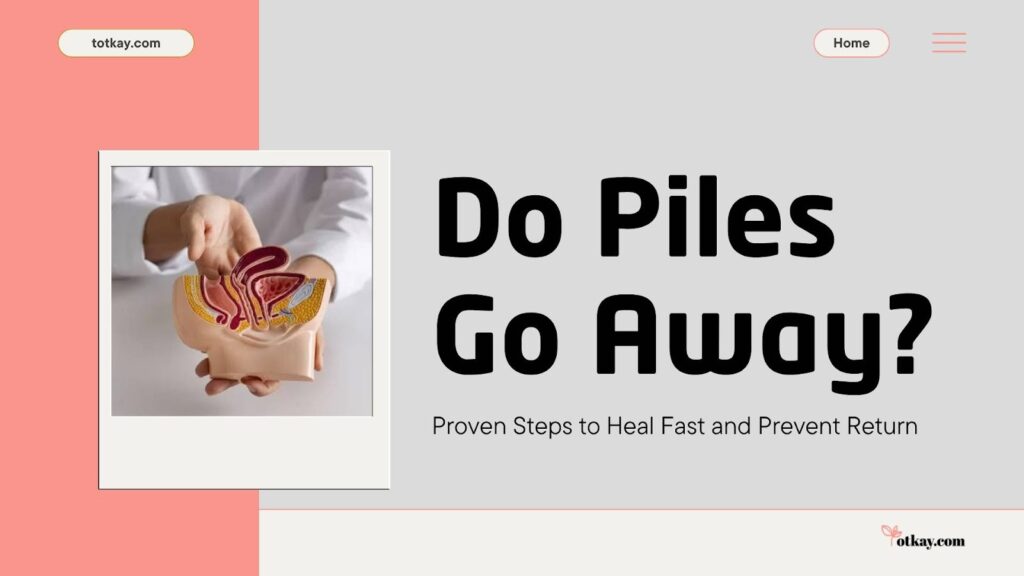
Do piles go away on their own? Yes, piles often go away on their own within three to seven days. Mild internal hemorrhoids usually heal naturally when you stop straining during bowel movements. You can speed up relief by drinking plenty of water, eating a high-fibre diet, and taking warm sitz baths to soothe the anal area.
However, large external hemorrhoids or persistent rectal bleeding may require medical treatment. If your swollen veins and severe pain last for more than a week, consult a doctor immediately.
Try these simple lifestyle changes today to heal faster and restore your daily comfort. This guide will show you how to shrink swollen veins, stop rectal bleeding, and prevent hemorrhoids from taking over your life.
The Quick Answer: Can Piles Truly Vanish?
When patients ask colon and rectal surgeons if piles go away, the answer depends on the severity.
- The “Yes” for Mild Cases: If you have mild symptoms, recovery usually takes three to seven days. You simply need to stop the trigger, such as chronic constipation or excessive straining.
- The “Maybe” for Severe Cases: For large external hemorrhoids or prolapsed haemorrhoids (Grade 3 and 4), the hemorrhoid tissue may not physically vanish. However, these swollen veins inside or around your anus can become silent and pain-free.
- The Healing Philosophy: Your body is designed to heal. You just need to stop pumping blood pressure up every morning.
Identifying Your Flare-Up: Why They Appeared
Before you explore the treatment, you must understand why these swollen veins appeared.
- Temporary Flare-Ups: Triggers include a weekend of spicy food, a long flight, or a bout of constipation. Pregnant women also frequently experience flare-ups due to increased pressure.
- The Pressure Factor: Sitting on the toilet for long periods acts like pumping air into a balloon. The blood flow increases, causing veins to swell and stretch.
- Internal vs. External: Internal hemorrhoids occur inside the rectum and usually present as bleeding internal hemorrhoids without significant pain. External hemorrhoids form under the skin around your anus. They often cause severe pain and can form painful blood clots.
The 7-Day Healing Timeline
When treating piles, you must understand the expected timeline.
- Day 1–2 (The Cooling Phase): Focus on stopping the fire. Your goal is to end the itching and sharp stinging in the anal area.
- Day 3–5 (The Shrinkage Phase): The swelling starts to feel squishy and smaller. You should experience less pain during a bowel movement.
- Day 7 (The Maintenance Phase): Bright red blood should stop appearing. Your bathroom routine should feel normal again.
Tip: Most people quit their home treatments on Day 3. Consistency until Day 7 is the secret to successful non-surgical management.
The “Shrink Protocol”: 5 Steps to Speed Up Healing
You can speed up the process and make piles go away within a week using these effective methods:
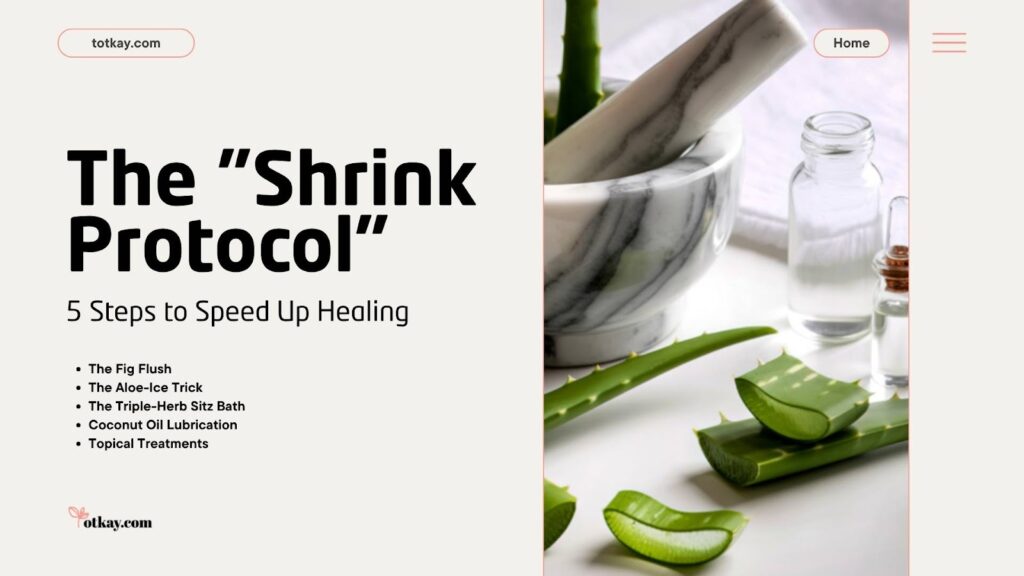
- The Fig Flush: Eat three soaked figs every morning. Adding more high-fibre foods softens the stool, ensuring an easy exit.
- The Aloe-Ice Trick: Freeze pure Aloe Vera gel into small shapes. Apply them to the skin around your anus to freeze the inflammation and soothe pain and discomfort.
- The Triple-Herb Sitz Bath: Take a warm bath mixed with Epsom salt and witch hazel. Soak for 10 minutes after every bathroom visit to improve blood flow and promote healing.
- Coconut Oil Lubrication: Apply pure coconut oil before going to the bathroom. This reduces friction and prevents an anal fissure.
- Topical Treatments: Apply over-the-counter creams to temporarily numb the area.
Lifestyle Changes: Making the Cure Permanent
To prevent hemorrhoids from returning, you must implement permanent lifestyle changes.
- The Two-Minute Rule: Do not take your phone into the bathroom. Sitting on the toilet for 10 minutes creates a gravity pull that keeps piles inflamed.
- The Squatty Secret: Use a small footstool to align your colon. This helps the waste slide out without excessive straining.
- Hydration Math: Drink plenty of water. Dehydration for just 24 hours can reinflate a healing pile.
- Dietary Shifts: How much fibre do you need? Incorporate whole grains and a high-fibre diet to prevent constipation.
- Left-Side Sleeping: Sleep on your left side to take the weight of your internal organs off your rectal veins at night.
Comparative Table: Do Piles Go Away? (By Grade)
| Pile Severity | Will it go away alone? | Natural Healing Time | Medical Help Needed? |
| Grade 1 (Internal) | Yes, almost always. | 3–5 Days | Rarely |
| Grade 2 (Protrudes) | Likely, with care. | 5–7 Days | If excessive bleeding persists |
| Grade 3 (Manual Push) | Relief only (Mass stays). | 10–14 Days | Yes, for a permanent fix |
| Grade 4 (Permanent) | No, needs medical care. | Management only | Yes, medical procedures |
Non-Surgical Management: When Remedies Need a Boost
If home treatments fail after more than a week, medical intervention might be necessary. Rectal surgeons offer several minimally invasive procedure options:
- Rubber Band Ligation: Also known as hemorrhoid banding, this procedure involves placing a small band around the base of the hemorrhoid. This cuts off the blood supply, causing the hemorrhoid tissue to drop off, leaving a small scar tissue.
- Sclerotherapy: A doctor injects a chemical solution to shrink the blood vessels.
- Infrared Coagulation: Using infrared light to cut off blood flow and treat hemorrhoids.
The Red Flags: When to Stop Home Care
While mild symptoms respond well to natural care, certain signs indicate serious problems. Seek medical treatment if you experience:

- The Thrombosed “Purple Pea”: When a pile turns hard, purple, and extremely painful, it contains a clot. It often requires a quick drainage procedure from a doctor.
- The Anemia Check: Watch for dizziness or heavy, constant bleeding. Excessive bleeding requires immediate medical care to rule out digestive and kidney diseases.
- The 10-Day Rule: If you see absolutely zero improvement after 10 days of consistent care, schedule a professional checkup to discuss surgical procedures like hemorrhoid stapling or laser surgery.
Conclusion: You Have the Power to Heal
Pile symptoms are a direct message from your body. You need to slow down, soften your stool, and hydrate. Do piles go away? In most cases, yes, provided you take action immediately.
Start your high fibre foods protocol tonight. Commit to leaving your phone outside the bathroom starting tomorrow morning. By taking control of your bowel habits and utilising a sitz bath, you can relieve pain, shrink swollen veins, and confidently reclaim your comfort with Totkay.
Frequently Asked Questions
What are the most common symptoms of piles?
The most common hemorrhoid symptoms include bright red blood on your toilet paper, itching around your anus, and mild discomfort during a bowel movement. You might also feel a swollen lump near the anal area. If you experience severe pain or excessive rectal bleeding, you should consult a colon and rectal surgeon to rule out other serious problems.
Do piles go away on their own without surgery?
Yes, mild internal hemorrhoids often go away on their own within three to seven days. You can speed up natural healing by making simple lifestyle changes. Drinking plenty of water and eating high-fibre foods will soften your stool. This helps you avoid straining on the toilet, which reduces pressure on the swollen blood vessels in your anal canal.
How can I treat hemorrhoids quickly at home?
You can treat hemorrhoids at home using a warm sitz bath for 10 minutes after every bowel movement. Adding Epsom salt and witch hazel helps soothe the skin around your anus and reduces swollen veins. You can also apply over-the-counter creams or pure aloe vera gel to relieve pain and discomfort. Always avoid sitting on the toilet for long periods.
How can I prevent hemorrhoids from coming back?
To prevent hemorrhoids permanently, you must stop chronic constipation. Eat a high-fibre diet rich in whole grains, fruits, and vegetables to keep your bowel habits regular. Drink plenty of water throughout the day. Using a small footstool while sitting on the toilet aligns your colon, allowing waste to pass easily without excessive straining or damaging hemorrhoid tissue.
When should I seek medical treatment for hemorrhoids?
You need medical care if your piles symptoms last more than a week despite home treatments. Seek immediate help if you notice heavy rectal bleeding, feel dizzy, or develop a hard, painful purple lump, which indicates a blood clot. A doctor may suggest a minimally invasive procedure like rubber band ligation or laser surgery to fix large external hemorrhoids.

Hi, I’m a dedicated writer at Totkay.com, passionate about sharing practical tips and solutions to make your life easier. Explore my articles for helpful insights and valuable advice. Stay connected for more expert content!
Related posts:
 Severe Period Pain on First-Day Home Remedies
 Improve Endurance Naturally: 10 Proven Ways to Go Further
 Natural Carb Blockers: 10 Pantry Hacks to Stop Weight Gain
 High Blood Pressure Remedy: 10 Tips for 2026
 Nature’s Chill Pill: 10 Herbal Stress Relief Tips (2026)
 What Causes Piles in Men? Expert Guide and Prevention Tips