
Laser Piles Surgery: Is It Safe? A Complete Expert Guide
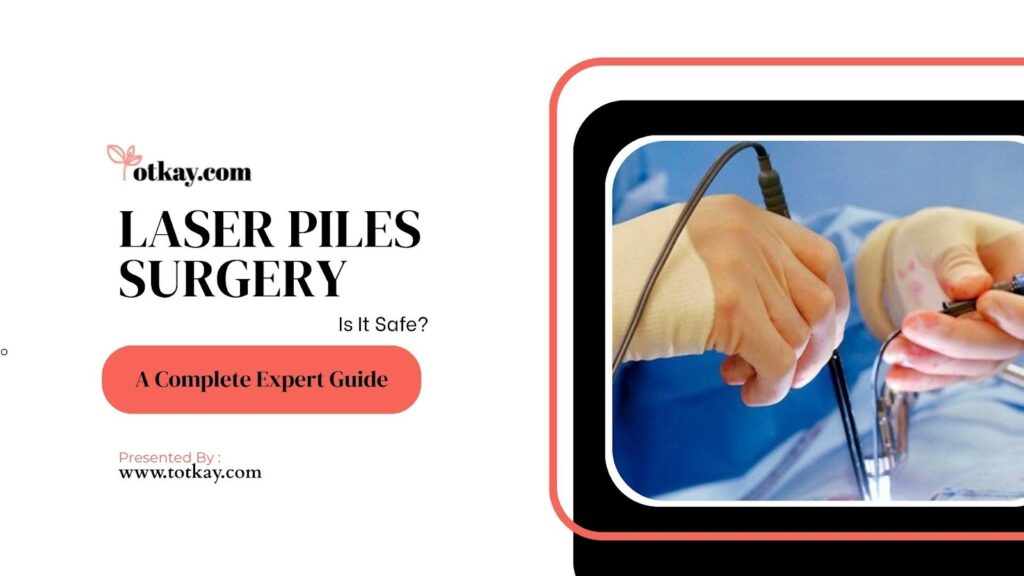
Many patients wonder about the safety and effectiveness of modern hemorrhoid treatments. Laser piles surgery is a highly safe and targeted medical procedure. It uses focused light energy to shrink and remove swollen tissue without large incisions. Because it is a minimally invasive procedure, patients experience significantly less pain and faster healing compared to traditional operations.
Doctors in the field of advanced proctology recommend this approach because it reduces the risk of excessive bleeding and infection. Most patients return home the same day. However, like any medical intervention, it carries minor risks that you should discuss with your healthcare provider. This guide will explain exactly how the process works and what you can expect.
What Is Laser Piles Surgery?
Laser piles surgery is a modern medical technique designed to treat hemorrhoids using high-intensity light. Surgeons use focused laser beams to target the problem area directly. This method seals off the blood supply to the swollen tissue, causing the hemorrhoid to shrink and eventually fall off.
How does laser technology treat hemorrhoids?
Medical professionals often use a diode laser, which delivers precise energy directly into the hemorrhoidal node. This targeted approach offers several benefits:
- Precision: It destroys problematic blood vessels from the inside without affecting surrounding healthy tissue.
- Controlled Application: The laser energy is applied in a controlled manner, preventing damage to the sphincter and anal lining.
- Fibrosis Restoration: The laser promotes a natural healing process known as fibrosis, which helps restore the connective tissue and prevents recurrence.
Minimally Invasive vs Traditional Surgery
Traditional surgery requires a doctor to cut out the hemorrhoid with a scalpel. This process leaves painful wounds that require stitches. A laser approach is completely different. Are you curious about the main differences between these two methods? Let us explore the primary distinctions:
- Precision Targeting: The laser is extremely precise, allowing the surgeon to target only the affected tissue while preserving surrounding healthy areas. This level of accuracy is difficult to achieve with a scalpel.
- Reduced Bleeding: The laser cauterizes (seals) blood vessels as it works, which significantly minimizes bleeding during and after the procedure compared to traditional surgery.
- Lower Infection Risk: Because there are no open wounds or stitches, the risk of postoperative infection is substantially lower.
- Faster Recovery: Patients typically experience less pain and discomfort, allowing for a quicker return to daily activities. Traditional surgery often involves a longer and more painful recovery period.
How Laser Surgery for Piles Works
Understanding the medical process can help alleviate your anxiety before the operation. The procedure follows a strict, controlled protocol to ensure patient safety and comfort at every stage.
Step‑by‑Step Procedure
The surgical process is straightforward and efficient. Medical teams follow specific steps to ensure success. What exactly happens when you enter the operating room? Here is the standard sequence of events:
- Anesthesia: First, you’ll receive anesthesia to ensure you’re comfortable and don’t feel any pain during the procedure. This could be local anesthesia, which numbs the specific area, or general anesthesia, which puts you to sleep.
- Positioning: The medical team will help you lie down in the correct position so the surgeon can easily access the hemorrhoids.
- Inserting the Laser Fiber: The surgeon will then insert a very thin laser fiber into the hemorrhoid.
- Applying Laser Energy: The laser delivers a controlled beam of energy that targets the hemorrhoidal tissue. This energy vaporizes the unwanted tissue and seals the blood vessels supplying it, causing the hemorrhoid to shrink.
- Procedure Completion: The surgeon will repeat this process for all targeted hemorrhoids. The entire procedure is typically quick, often lasting between 15 and 30 minutes.
Outpatient Treatment and Hospital Stay
You do not need to pack a large bag for a long hospital stay. This operation is almost always performed as an outpatient treatment. The actual time in the operating room usually lasts between fifteen and thirty minutes. After a few hours of monitoring, the medical staff will discharge you to recover in the comfort of your own home.
Is Laser Piles Surgery Safe?
Yes, the procedure is highly safe. Medical regulatory bodies worldwide approve laser technology for hemorrhoid removal. It boasts a high success rate and a very low complication rate.
Safety Across Different Grades of Piles
Surgeons effectively use laser surgery to treat Grade II, Grade III, and sometimes Grade IV hemorrhoids, with an excellent safety profile across all stages. This procedure is especially beneficial for patients with internal hemorrhoids that cause bleeding or prolapse.
Key benefits for different grades:
- Grade II: The laser precisely targets and shrinks hemorrhoids, reducing bleeding and discomfort with minimal impact on surrounding tissue.
- Grade III: For prolapsed hemorrhoids, the laser helps to reduce the tissue and retract it back into the anal canal, often preventing the need for more invasive surgery.
- Grade IV: While more complex, laser surgery can be used in some cases to address permanently prolapsed hemorrhoids, offering a less painful alternative to traditional methods.
Risks and Complications
Like any surgical procedure, laser hemorrhoid surgery carries potential risks, though they are generally minimal compared to traditional methods. Potential complications include:
- Pain: Some discomfort or pain at the treatment site is common after the procedure, though it is typically less severe than with traditional surgery.
- Bleeding: Minor bleeding may occur, especially during bowel movements in the days following the surgery.
- Infection: Although the laser sterilizes as it cuts, there is still a small risk of infection at the surgical site. Proper hygiene is crucial to prevention.
- Urinary Retention: A temporary difficulty in passing urine can occur due to swelling or a muscle spasm in the pelvic area.
- Anal Stenosis: In rare cases, scarring can cause a narrowing of the anal canal, which may require further treatment.
Safety Compared to Traditional Surgery
When you compare the two methods, the laser approach wins regarding safety. It offers far less pain and a lower risk of post-surgical infection. Traditional cutting leaves open wounds that are highly susceptible to bacteria, whereas the laser naturally sterilizes the area as it works.
Benefits of Laser Piles Surgery
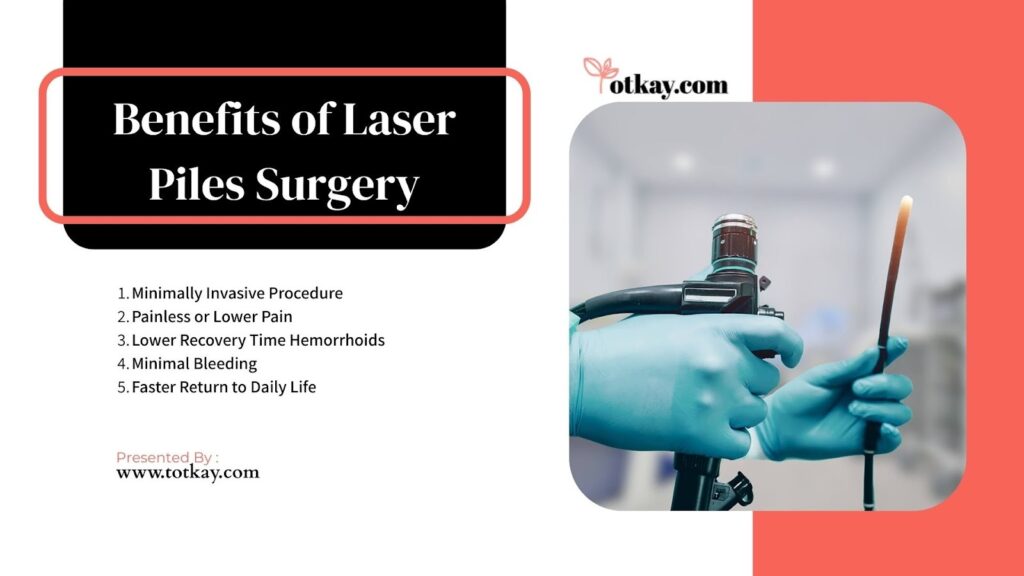
Choosing laser piles surgery means opting for a path with significant benefits. This modern approach offers a superior alternative to traditional methods, providing a safer and more comfortable experience for many patients seeking relief.
Minimally Invasive Procedure
Because this is a minimally invasive procedure, the surgeon does not make large cuts. The laser precisely targets only the diseased tissue. This exactness guarantees reduced tissue damage and preserves the natural anatomy of the anal canal.
Painless or Lower Pain
Many patients fear the pain associated with hemorrhoid removal. However, the laser cauterizes nerve endings immediately upon contact. This action blocks pain signals, making it a painless surgery option for many, or at least one with significantly lower pain levels than older methods.
Lower Recovery Time Hemorrhoids
Traditional recovery can take weeks of painful bed rest. The laser method changes this timeline completely. The recovery time for hemorrhoids after a laser procedure is remarkably short. Most patients feel normal within just a few days.
Minimal Bleeding
Open surgery can result in significant blood loss. The heat from the laser seals blood vessels instantly. This immediate coagulation means bleeding during and after the operation is virtually nonexistent.
Faster Return to Daily Life
You can get back to your routine quickly. Without open wounds to nurse, your body heals rapidly. You can resume office work, light walking, and normal daily activities much sooner than traditional surgery allows.
Recovery Time After Laser Surgery
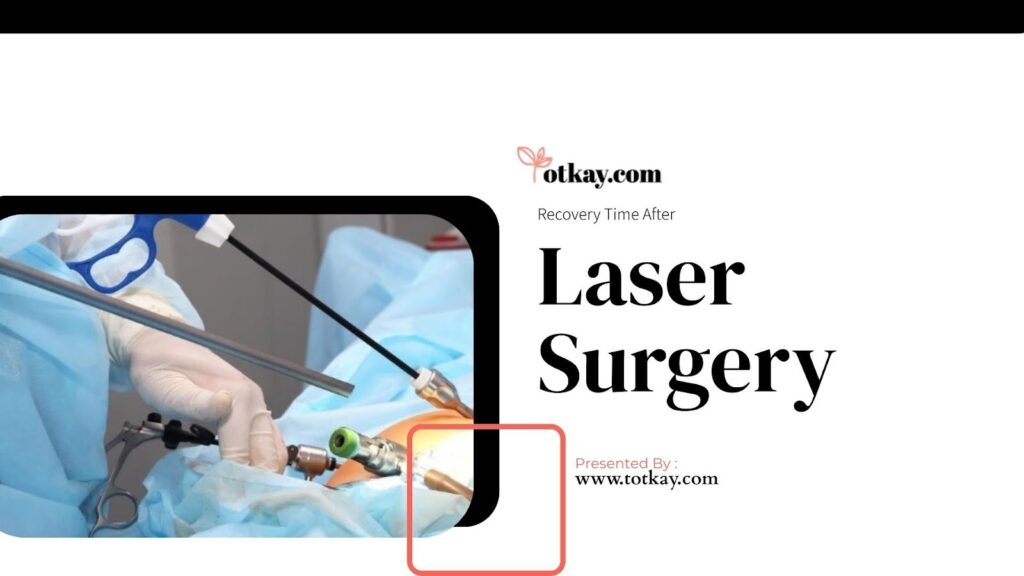
Understanding the recovery process helps you plan your return to daily activities. Healing is typically quick, but following your doctor’s post-operative instructions is key to a smooth and successful recovery.
Typical Recovery Timeline
Here’s a breakdown of what you can typically expect during your recovery:
- First 24-48 hours: Expect some mild discomfort, similar to a dull ache. This is usually well-managed with over-the-counter pain relievers. You’ll want to focus on resting and avoiding any strenuous activity.
- 1 week: By this point, you should feel mostly back to normal. Swelling will have significantly reduced, and you can likely resume most of your standard activities, such as returning to office work. You might still need to avoid heavy lifting or intense exercise.
- 2 to 4 weeks: This is when the internal tissue fully heals. Any remaining discomfort should be gone, and you can typically get back to all your usual activities, including your exercise routine.
What to Expect in the First Days
The first few days require gentle care. Pain levels are usually low and resemble a dull ache rather than sharp pain. Your doctor will likely recommend warm sitz baths to soothe the area and prescribe stool softeners to ensure painless bowel movements.
Activities to Avoid After Surgery
To ensure a smooth recovery and protect the surgical area, it’s crucial to avoid certain activities, especially during the first week. Disrupting the sealed tissue can lead to complications. Here’s what you should avoid:
- Strenuous Physical Activity: Avoid heavy lifting, intense exercise, and vigorous workouts.
- Constipating Foods: Steer clear of foods that can lead to hard stools and straining during bowel movements.
- Prolonged Sitting on Hard Surfaces: Use a cushion or donut pillow if you need to sit for long periods.
- Straining: Be careful not to strain during bowel movements. Your doctor will likely prescribe stool softeners to help with this.
- Vigorous Wiping: Gently pat the area dry after washing instead of rubbing or wiping.
- Sexual Activity: Refrain from sexual activity until your doctor gives you the all-clear.
Laser Piles Surgery vs Other Treatments
Comparing treatments helps you make an informed decision. The table below outlines how the laser approach measures up against other common surgical methods.
| Feature / Aspect | Laser Piles Surgery | Stapler Surgery | Traditional Excision |
| Invasiveness | Minimal | Moderate | High |
| Pain | Low | Moderate | High |
| Recovery Time | Fast (days) | Moderate | Weeks |
| Bleeding | Minimal | Moderate | Moderate to High |
| Outpatient Option | Yes | Sometimes | Usually No |
| Cost | Higher | Moderate | Lower |
Preparing for Laser Piles Surgery
Proper preparation ensures a smooth operation. Your doctor will give you strict guidelines to follow in the days leading up to your appointment. You must follow these instructions carefully. Are you ready to prepare for your procedure? Follow this essential checklist:
- Stop taking certain medications, especially blood thinners, as directed by your doctor.
- Arrange for someone to drive you home after the procedure.
- Don’t eat or drink anything after midnight the night before your surgery.
- Eat a light, easily digestible diet the day before your appointment.
- Complete any prescribed bowel preparation, such as enemas, to empty the colon.
- Wear loose, comfortable clothing on the day of the surgery.
- Inform your doctor of any allergies or medical conditions.
Aftercare Tips for Best Recovery
Good aftercare guarantees that your healing process remains on track. Proper habits prevent hemorrhoids from returning. Do you want to ensure the best possible results after you leave the clinic? Implement these effective aftercare habits:
- Eat a high-fiber diet to keep your digestive system moving smoothly.
- Drink plenty of hydration fluids throughout the day.
- Take warm sitz baths to keep the area clean and relaxed.
- Avoid constipation by using prescribed softeners if necessary.
- Engage in gentle walking to promote healthy blood circulation.
Conclusion
Laser piles surgery has emerged as a reliable and advanced solution for patients suffering from hemorrhoids. As a minimally invasive procedure, it offers precise treatment with minimal damage to surrounding tissues, making it a preferred choice in modern proctology.
One of its biggest advantages is the painless surgery option, which significantly reduces discomfort compared to traditional methods. Patients also benefit from a much shorter recovery time for hemorrhoids, allowing them to return to daily activities quickly without long hospital stays.
While every medical procedure carries some level of risk, laser piles surgery stands out for its safety, efficiency, and effectiveness. Consulting with a qualified specialist ensures you receive the right treatment based on your condition and enjoy long-term relief with minimal complications.
For more effective blogs related to piles, visit our website at totkay.com.
Frequently Asked Questions
Is laser surgery for piles really painless?
While no surgical procedure is entirely without sensation, this method is known as a painless surgery option compared to traditional methods. The laser seals nerve endings instantly. Most patients report only mild discomfort or a dull ache during the recovery phase, which over-the-counter pain medication easily controls.
How long does it take to recover?
The recovery time for hemorrhoids after this procedure is very brief. Most patients return to their normal daily activities within two to three days. Complete internal tissue healing usually finishes within two to four weeks.
Can piles come back after laser surgery?
Recurrence is possible but highly unlikely if you maintain a healthy lifestyle. The laser destroys the targeted blood vessels completely. However, if you continue to strain during bowel movements or eat a poor diet, new hemorrhoids can form in different areas over time.
Is laser treatment suitable for severe piles?
Surgeons highly recommend this treatment for Grade II and Grade III piles. For severe Grade IV prolapsed hemorrhoids, the doctor must evaluate the tissue carefully. Sometimes, they combine the laser approach with other surgical techniques to achieve the best results for severe cases.
Can I resume work after laser piles surgery?
Yes, you can resume work very quickly. Because it is an outpatient treatment, many individuals return to office environments or remote work within 48 hours. You should wait a few extra days before returning to jobs that require heavy lifting or intense physical labor.
By choosing laser piles surgery, you opt for a safer, cleaner, and faster healing process. Consult with a specialist in advanced proctology to determine if this innovative approach is the right step for your health.

Hi, I’m a dedicated writer at Totkay.com, passionate about sharing practical tips and solutions to make your life easier. Explore my articles for helpful insights and valuable advice. Stay connected for more expert content!
Related posts:
 Severe Period Pain on First-Day Home Remedies
 Improve Endurance Naturally: 10 Proven Ways to Go Further
 Natural Carb Blockers: 10 Pantry Hacks to Stop Weight Gain
 High Blood Pressure Remedy: 10 Tips for 2026
 Nature’s Chill Pill: 10 Herbal Stress Relief Tips (2026)
 What Causes Piles in Men? Expert Guide and Prevention Tips