What Causes Piles in Men? Expert Guide and Prevention Tips
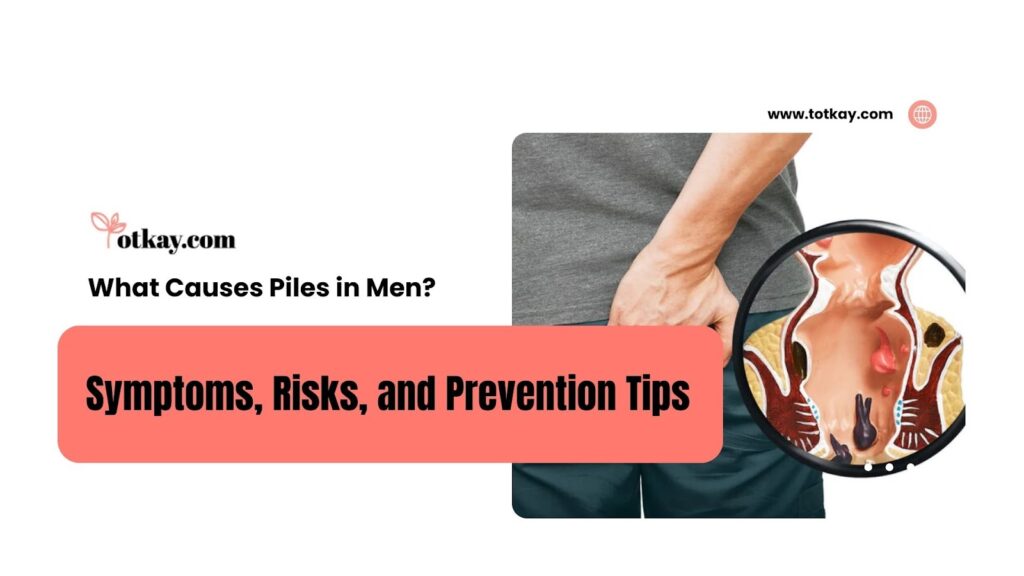
Piles in men are primarily caused by increased pressure on the veins in the lower rectum and anus. Several factors contribute to this, including chronic constipation, which leads to straining during bowel movements, and prolonged sitting, which restricts blood flow to the pelvic region.
Other significant causes are a low-fiber diet, which can lead to hard stools, and heavy lifting, which puts extra strain on rectal veins. A sedentary lifestyle and obesity also play a major role by increasing pressure in the abdominal and pelvic areas, making the veins more likely to swell and form piles.
What Are Piles?
Piles are a medical condition also known as hemorrhoids. They are swollen veins in the rectum and anus. This swelling occurs due to increased pressure in the lower rectal veins. The extra pressure stretches the vein walls until they bulge and become irritated.
Are you wondering how to identify the specific type you have? Do you know the difference between the two main variations?
- Internal piles develop inside the rectum and usually do not cause pain.
- External piles form under the skin around the anus and are often painful.
- Common symptoms include itching, discomfort, and minor bleeding during a bowel movement.
Why Are Men More Likely to Develop Piles?
Men often engage in lifestyle patterns that directly increase their risk. Certain occupations and hobbies place immense stress on the lower body. Men with physically demanding jobs experience higher pressure on their rectal veins every day.
Why do certain routines cause more harm than others? How do daily activities impact your pelvic floor? Consider these common examples:
- Heavy gym training involves intense pushing that mimics bathroom straining.
- Physically demanding jobs require repeated lifting of heavy materials.
- Desk jobs with long sitting hours cause blood to pool in the lower body.
What Causes Piles in Men?

Chronic Constipation Issues
Chronic constipation issues force people to strain during bowel movements. This forceful action increases pressure on delicate rectal veins. The veins quickly fill with blood and expand.
How exactly does poor digestion lead to vein swelling? What happens inside your body when you strain? The process looks like this:
- Hard stools require excessive pushing to pass through the digestive tract.
- Excessive pushing forces blood into the pelvic blood vessels rapidly.
- Vein swelling occurs when the vessel walls can no longer handle the pressure.
Low Fiber Intake
A diet lacking adequate nutrition causes severe digestive problems. Low fiber intake directly increases your constipation risk. Without enough fiber, the digestive system slows down significantly.
Why is dietary fiber so critical for your comfort? How does food choice impact bathroom visits? The connection is clear:
- Fiber naturally softens stools and adds bulk.
- Lack of fiber leads to hard stools and difficult straining.
- Soft stools move through the intestines without requiring extra physical effort.
Heavy Lifting Strain
Frequent physical exertion raises abdominal pressure quickly. Heavy lifting strain can trigger hemorrhoids almost instantly. Men who do not use proper breathing techniques during exertion put their pelvic veins in danger.
Which activities pose the biggest threat to your rectal veins? Where do men most commonly experience this type of physical stress? The usual environments include:
- Gym weightlifting sessions involving squats or deadlifts.
- Construction work that requires moving heavy supplies.
- Manual labor jobs focused on loading and unloading cargo.
Prolonged Sitting Jobs
Sitting for long hours slows down natural bodily functions. A prolonged sitting job reduces blood circulation in the rectal area. The weight of your upper body constantly presses down on your pelvic region.
Who is most at risk for this specific type of pressure? Does your career put you in danger? The most affected professionals are:
- Office workers who remain at their desks all day.
- Drivers navigating long routes without stretching breaks.
- Desk-based professionals working remotely from home.
Alcohol and Hemorrhoids
Drinkinthe gestive tract dry.
How does a casual drink lead to physical discomfort? What is the biological reaction to alcohol consumption? The chain of events includes:
- Dehydration makes waste matter dry and hard to pass.
- Poor digestion slows down the natural movement of the intestines.
- Increased constipation risk leads directly to painful straining.
Major Causes of Piles in Men
| Cause | How It Triggers Piles |
| Chronic constipation | Straining increases pressure on the rectal veins |
| Low fiber intake | Hard stools cause difficult bowel movements |
| Heavy lifting strain | Raises abdominal pressure |
| Prolonged sitting job | Reduces blood circulation in the rectal area |
| Alcohol consumption | Dehydrates the body and worsens digestion |
Everyday Habits That Can Lead to Piles
Beyond heavy lifting and sitting, other general habits contribute to vein swelling. Extra body weight and physical inactivity increase pressure on the pelvic veins. These factors worsen the risk of piles significantly over time.
Are you making choices that harm your digestive health? Which daily routines should you evaluate closely? Watch out for these risk factors:
- A sedentary lifestyle, which weakens the muscles that support your bowel.
- Obesity, which places constant extra weight on your lower body and pelvic floor.
- A diet low in fibre, which can lead to constipation and straining during bowel movements.
- Poor hydration, which hardens stools and makes bathroom visits difficult.
- Irregular eating habits, which disrupt your natural digestive rhythm.
Piles Symptoms in Men: What to Look For

Recognizing the piles’ symptoms early helps you seek treatment before the condition worsens. Most men notice small changes during their daily bathroom routine. Catching these signs promptly allows for faster healing.
What exactly should you look out for in the bathroom? How does your body signal that something is wrong? The most common indicators are:
Bright Red Blood on Toilet Paper
One of the most common early signs is noticing bright red blood on the toilet paper after you wipe. This bleeding is typically painless and results from the delicate blood vessels in the hemorrhoids breaking. While it might be alarming, it’s a key signal that you should pay closer attention to your digestive health.
Persistent Itching Around the Anus
An uncomfortable and persistent itch around the anal area is another telltale symptom. This itching, known as pruritus ani, occurs when the swollen veins irritate the sensitive skin. The sensation can be distracting and may worsen after bowel movements or at night.
Swelling or Lumps Near the Anus
You may feel one or more small, tender lumps around the edge of your anus. These are swollen hemorrhoids, which can vary in size from a pea to a grape. They often feel sore or sensitive to the touch, especially when sitting or cleaning the area.
Pain During or After Bowel Movements
Experiencing pain or discomfort while passing stools is a clear indicator of piles. The pressure from the bowel movement can aggravate the swollen veins, causing a sharp or aching pain that might linger for a while afterward. This discomfort often serves as the first motivation for men to seek treatment.
5 Ways Men Can Prevent Piles
You have the power to protect your body through simple daily choices. Lifestyle changes can significantly reduce your risk of piles. Small adjustments to your diet and routine make a massive difference in your comfort.
Ready to take action and improve your health? What steps can you start taking today? Follow these practical prevention tips:
- Eat a high-fibre diet: Incorporating high-fibre foods like oats, beans, and fresh fruits into your diet softens your stool, making it easier to pass and reducing the strain that can lead to piles. Aim for at least 25-30 grams of fibre daily to keep your digestive system running smoothly.
- Stay well-hydrated: Drinking plenty of water is essential for digestive health and helps prevent constipation, a primary cause of piles. Proper hydration works with fibre to ensure your stools are soft and easy to pass.
- Engage in regular physical activity: Consistent exercise, such as brisk walking or swimming, promotes healthy blood circulation and stimulates bowel function. This reduces the pressure on the veins in your lower rectum that can cause them to swell.
- Avoid sitting for long periods: If your job requires you to sit for hours, make it a point to stand up and take short walks every hour. This simple habit helps to relieve pressure on the veins in your rectal area and improves overall blood flow.
- Do not strain during bowel movements: Straining puts excessive pressure on the veins in your anus and rectum, which is a direct cause of piles. Listen to your body and go to the restroom when you feel the urge, and allow things to happen naturally without forcing it.
Taking Control of Your Digestive Health
The development of piles in men is closely tied to daily choices and routines. This condition is often caused by lifestyle habits such as constipation, poor diet, heavy lifting, and prolonged sitting. By improving your digestion and adopting healthier habits, you can prevent many cases of piles entirely.
To protect your body, you must evaluate your current routines. Correcting a low fiber intake will soften your digestive process and eliminate the need to strain. Furthermore, understanding the connection between alcohol and hemorrhoids will help you make better beverage choices.
Drink plenty of water, stay active, and listen to your body to maintain excellent digestive health. Visit totkay.com to learn more about piles, including their types, early signs, and effective home remedies.
Frequently Asked Questions
What is the main cause of piles in men?
The main cause of piles in men is increased pressure on the lower rectal veins. This pressure often comes from straining during bowel movements, chronic constipation, heavy lifting, or sitting for long periods.
Can heavy lifting cause piles?
Yes, heavy lifting can cause piles. Lifting heavy objects increases abdominal pressure, which can cause the veins in the pelvic region to swell and become inflamed.
Does alcohol worsen hemorrhoids?
Yes, alcohol can worsen hemorrhoids. It dehydrates the body, which can lead to harder stools and constipation. This makes straining more likely, which irritates existing hemorrhoids.
Can sitting too long cause piles?
Yes, sitting for extended periods can contribute to piles. It puts constant pressure on the rectal veins and can restrict blood flow in the pelvic area, increasing the risk of them developing.
How can men prevent piles naturally?
Men can prevent piles naturally by eating a high-fiber diet, staying hydrated, exercising regularly, and avoiding straining during bowel movements. It’s also helpful to take breaks from prolonged sitting and lift heavy objects correctly.
What are the early signs of piles?
Early signs often include itching, mild discomfort, or a feeling of a lump around the anus. You might also notice small amounts of bright red blood on toilet paper after a bowel movement.
Does a low-fiber diet contribute to piles?
Yes, a low-fiber diet is a major contributor to piles. Lack of fiber leads to harder stools and constipation, which causes you to strain during bowel movements and increases pressure on the rectal veins.

Hi, I’m a dedicated writer at Totkay.com, passionate about sharing practical tips and solutions to make your life easier. Explore my articles for helpful insights and valuable advice. Stay connected for more expert content!