
Asthma Home Remedy: Natural Support for Safe Breathing
Asthma is a chronic condition characterized by the inflammation of airways, leading to wheezing, coughing, and shortness of breath. For millions of people, managing these symptoms requires a careful balance of medical intervention and lifestyle adjustments. While prescribed medication remains the cornerstone of treatment, many individuals seek an effective asthma home remedy to complement their care plan.
It is crucial to clarify that natural remedies are supportive practices, not replacements for inhalers or doctor-prescribed treatments. The goal of integrating asthma relief home remedies is to reduce the frequency of symptoms, support easier breathing, and manage inflammation responsibly.
This guide explores evidence-based strategies to help you breathe easier within the comfort of your own home, focusing on natural asthma relief techniques that prioritize safety and efficacy.
How Asthma Works? A Simple Explanation for Home Care
To understand how an asthma home remedy might help, one must first understand the biological mechanism of an asthma attack. During a flare-up, the bronchial tubes lining the lungs become swollen and inflamed.
Muscles around the airways tighten—a process known as bronchoconstriction—and excess mucus production further narrows the passage for air.
Common triggers for asthma attacks include:
- Allergens like pollen and dust mites
- Cigarette smoke
- Strenuous exercise
- Exposure to cold air
While medical treatments use bronchodilators to open airways and corticosteroids to reduce inflammation, natural home remedies focus on reducing the body’s reaction to these triggers. Home care strategies aim to create a less reactive environment for the lungs by reducing inflammation and soothing the respiratory system, potentially leading to fewer severe episodes.
It’s important to remember that while a home remedy like ginger tea might soothe a cough, it is not a substitute for a life-saving rescue inhaler during an asthma attack.
Breathing Support at Home: Techniques That Help
Improving how you breathe can significantly impact how you manage asthma symptoms daily. Specific exercises designed to control respiration can calm the nervous system and improve lung efficiency.
Before diving into these techniques, it’s helpful to understand that consistent practice can help expand lung capacity, reduce stress-related triggers, and give you a sense of control over your breathing.
Here are some proven methods for supporting your breathing at home:
Breathing Exercises
Retraining the way you breathe can strengthen the diaphragm and reduce the sensation of breathlessness.
- Pursed-lip breathing: This technique helps keep airways open longer, allowing trapped air to escape the lungs. Inhale slowly through the nose, then purse your lips as if you are about to whistle, and exhale slowly for twice as long as the inhalation.
- Diaphragmatic breathing: Also known as belly breathing, this encourages full oxygen exchange. Place one hand on your chest and the other on your stomach. Breathe in so that the stomach rises while the chest remains still, then exhale slowly.
- Buteyko method: This breathing technique helps reduce hyperventilation by encouraging gentle nasal breathing. This can raise carbon dioxide levels in the blood, which may help dilate the airways.
Steam Inhalation
Warm, moist air has long been used to alleviate respiratory discomfort. Steam inhalation is particularly valued because it offers gentle, immediate relief for the airways without the use of medication. Integrating this simple practice into your routine can help manage congestion, especially during cold weather or allergy season.
- How it opens airways: Inhaling steam adds warmth and moisture to the bronchial tubes, which can help loosen mucus and relieve throat irritation.
- Safety tips: Always ensure the water is not boiling hot to avoid scalding the delicate tissues of the face or airways. A warm, steamy bathroom is often safer than a bowl of hot water.
- How it opens airways: Inhaling steam adds warmth and moisture to the bronchial tubes, which can help loosen mucus and relieve throat irritation.
- Safety tips: Always ensure the water is not boiling hot to avoid scalding the delicate tissues of the face or airways. A warm, steamy bathroom is often safer than a bowl of hot water.
Warm Fluids
Staying well-hydrated is one of the simplest and most effective ways to help your respiratory system perform at its best. Drinking warm fluids not only comforts the throat but also plays a crucial role in thinning out mucus, making it less sticky and easier to clear from your airways.
For people managing asthma, regular hydration can reduce irritation in the bronchial tubes and may help prevent certain triggers from escalating into full-blown symptoms.
Hydration is a key component of breathing support naturally.
- Herbal teas and warm water: Consuming warm liquids helps thin mucus in the airways, making it easier to cough up. This simple practice prevents mucus from accumulating and becoming a breeding ground for infection.
Dietary & Nutritional Remedies That Help

What you eat influences your body’s level of inflammation. Adjusting your diet to include specific nutrients may serve as a supportive asthma home remedy. The connection between diet and asthma is increasingly supported by research, with certain foods enhancing the body’s natural defense against inflammation.
Anti-inflammatory Foods
Certain foods possess natural compounds that can help fight inflammation in your body. Incorporating these into your diet can support your overall respiratory health and may help reduce asthma-related inflammation.
- Turmeric
- Ginger
- Omega-3 rich foods.
Foods That May Worsen Symptoms
Just as certain foods can help manage asthma, others can make symptoms worse. Paying attention to your diet can be an effective way to reduce flare-ups and support long-term lung health.
By learning to recognize common dietary triggers and tailoring your meals to avoid them, you gain greater control over your symptoms and overall well-being. Identifying and avoiding these dietary triggers is as crucial as adding beneficial foods to your diet.
- Dairy: Some individuals find that dairy products thicken mucus, making it harder to clear airways.
- Sulfites: Processed foods, dried fruits, and wine often contain sulfites, which can trigger asthma symptoms in sensitive individuals.
Hydration Tips
Maintaining adequate hydration is essential for inflammation reduction for asthma. Proper hydration helps keep the airways moist and supports the body’s natural processes for clearing away irritants and allergens.
Sufficient fluid intake can also lessen the thickness of mucus, making it easier to expel and reducing the risk of airway blockages.
- Water and herbal teas: Drinking plenty of fluids ensures that the mucous membranes in the lungs remain thin and lubricated. Thick, sticky mucus can block airways and worsen breathing difficulties.
Herbal Remedies With Supportive Effects
Nature provides several botanicals that have been used traditionally to support respiratory health. These herbal lung remedies can be a soothing addition to a daily routine.
Ginger
Beyond its culinary uses, ginger is a powerful ally for respiratory health. Research suggests that ginger components may help relax airway smooth muscles, offering a mild bronchodilation effect that complements other treatments.
Turmeric
Turmeric is frequently cited in discussions about respiratory health tips. Its active ingredient, curcumin, targets inflammation pathways in the body. By potentially lowering systemic inflammation, turmeric may help reduce the frequency of bronchial swelling.
Licorice Root
This root has a long history in traditional medicine. Licorice root contains glycyrrhizin, which may have soothing effects on the respiratory tract and help reduce coughing. However, people with high blood pressure should use it with caution.
Peppermint/Eucalyptus
Essential oils from these plants contain menthol and eucalyptol. These compounds create a cooling sensation that can make airflow feel clearer. While they do not physically open airways like a medical inhaler, the sensation can provide comfort during congestion.
Safety Note: Never rely on herbs to treat an acute attack. Always consult a healthcare provider before adding concentrated supplements to your regimen.
Environmental Home Modifications for Asthma Relief
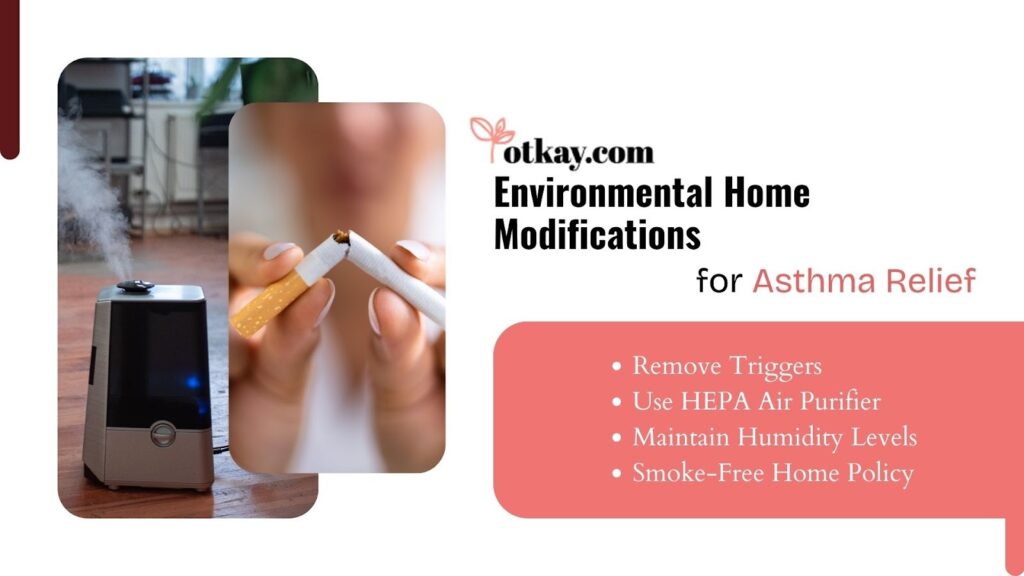
Your home environment can either be a sanctuary or a source of triggers. Implementing home asthma care strategies involves modifying your living space to protect your lungs.
Making small but meaningful adjustments around the house can greatly reduce your exposure to common asthma triggers.
Remove Triggers
Minimizing your exposure to asthma triggers inside the home can be one of the most impactful ways to manage the condition long term. By taking proactive steps to identify and reduce these common irritants, you create a safer breathing environment and potentially lower your risk of flare-ups.
The most effective asthma home remedy is often avoidance.
- Dust mites: Wash bedding weekly in hot water and use allergen-proof covers on pillows and mattresses.
- Pet dander: Keep pets out of the bedroom to ensure a trigger-free sleeping zone.
- Mold: Address any water leaks immediately and clean moldy surfaces to prevent spores from becoming airborne.
Use HEPA Air Purifier
High-Efficiency Particulate Air (HEPA) filters are designed to trap microscopic particles. Running a HEPA purifier in the bedroom can significantly reduce the load of allergens such as pollen and dander in the air you breathe while sleeping.
Maintain Humidity Levels
Air that is too dry or too humid can irritate sensitive lungs. Aim for indoor humidity levels between 30% and 50%. This range prevents mold growth (which thrives in dampness) while ensuring the air is not so dry that it irritates the airways.
Smoke-Free Home Policy
Smoke is a severe respiratory irritant. Strictly enforce a no-smoking rule inside the home and avoid using wood-burning stoves or fireplaces, as the particulate matter can trigger severe asthma attacks.
When to Use These Remedies — And When to Seek Medical Help
Understanding the limitations of natural care is vital. An asthma home remedy is intended for maintenance and symptom support, not for emergency intervention. Recognizing when to use home-based approaches and when to seek medical help can make all the difference in your asthma management journey.
Home Remedies are Complementary
Natural strategies work best when used alongside your prescribed medical plan. They help build a stronger foundation for health but lack the potency to stop an active attack.
Seek Urgent Care If:
Do not hesitate to seek emergency medical attention in specific situations.
- Chest tightness is severe: If the sensation of a band tightening around the chest does not subside.
- Wheezing doesn’t improve: If using a rescue inhaler provides no relief after the prescribed number of puffs.
- Breathlessness at rest: If you struggle to breathe even when sitting still or cannot speak in full sentences.
- Blue lips/fingertips: This indicates a critical lack of oxygen (cyanosis) and requires immediate 911 assistance.
- Peak flow drops significantly: If your peak flow meter reading is in the “red zone” (typically below 50% of your personal best).
Conclusion
Finding the right asthma home remedy involves a personalized approach to health. By combining breathing support naturally with environmental changes and anti-inflammatory nutrition, you can create a robust support system for your lungs. These strategies empower you to take an active role in managing your condition and improving your quality of life.
Remember that safety is paramount. While traditional asthma remedies offer valuable benefits, they function best when integrated into a comprehensive medical plan. Always consult your healthcare provider before making significant changes to your routine to ensure your path to better breathing is both safe and effective.
For more insights and trusted remedies, explore the wealth of information available at totkay.com.
Frequently Asked Questions (FAQs)
Can natural remedies replace inhalers?
No, natural remedies cannot replace prescribed inhalers. They act as bronchial relief herbs or supportive measures but cannot reverse severe airway constriction during an attack.
Are herbal remedies safe for kids?
Not all herbs are safe for children. Always consult a pediatrician before giving a child herbal supplements, as their bodies process compounds differently than adults.
What foods help reduce asthma symptoms?
Foods rich in antioxidants and omega-3 fatty acids, such as salmon, walnuts, ginger, and turmeric, may help reduce systemic inflammation associated with asthma.
What are some effective home remedies for asthma?
Steam inhalation, ginger tea, honey, turmeric milk, and breathing exercises may help ease mild asthma symptoms by reducing inflammation and soothing airways. However, they only provide temporary relief and should always complement prescribed medications and inhalers.
What is the best asthma home remedy for quick relief?
The best asthma home remedy for quick relief includes steam inhalation, ginger tea, and breathing exercises to relax airways. However, an asthma home remedy should support, not replace, prescribed inhalers and medical treatment plans.
Can an asthma home remedy replace inhalers?
An asthma home remedy cannot replace inhalers because asthma is a chronic condition requiring medical management. While an asthma home remedy may ease mild symptoms naturally, long-term control depends on prescribed medications and trigger avoidance.

Hi, I’m a dedicated writer at Totkay.com, passionate about sharing practical tips and solutions to make your life easier. Explore my articles for helpful insights and valuable advice. Stay connected for more expert content!
Related posts:
 Severe Period Pain on First-Day Home Remedies
 Dant Dard Ka Fori Ilaj in Urdu
 Khiray ke Pani kay Fawaid
 Coconut Oil Best Use: Dry Skin and Hair Treatments – The Ultimate Guide by Dr. Nimra Chohan, Founder of Totkay.com
 Natural Detox Remedies: 10 Proven Paths to Wellness
 From Panic to Peace: 2026 Guide to anxiety home remedy