
The Chef’s Cookbook: 9 Secrets for low-calorie healthy recipes
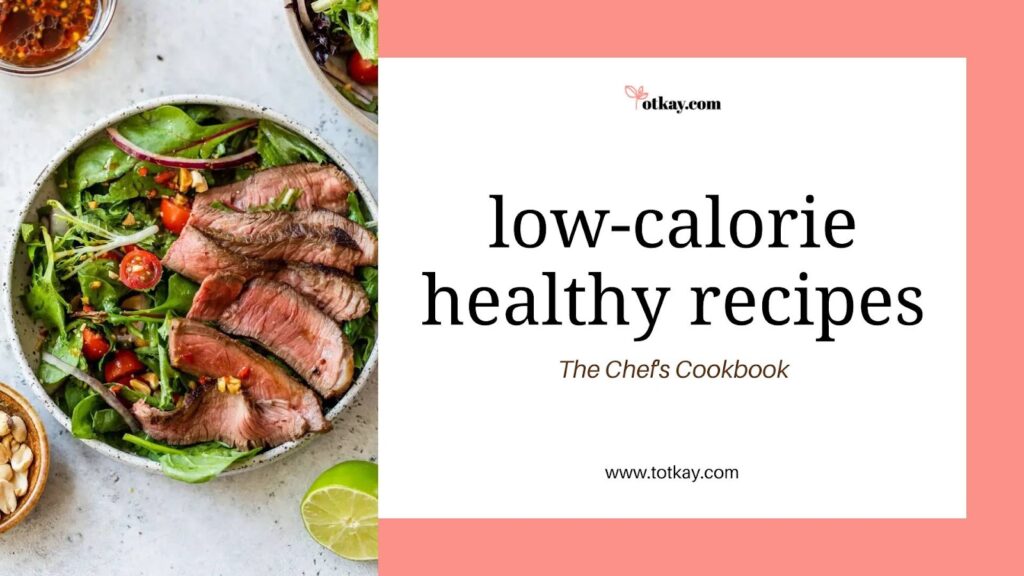
If you want to prepare truly satisfying, low-calorie, healthy recipes, you must change your mindset. Stop thinking of food as a restriction and start thinking of it as volume engineering.
This guide delivers nine proven chef-level secrets packed with smart ingredient swaps and zero-oil techniques.
It is perfect for anyone eager to eat healthy, maximize flavor, cut calories, and enjoy a meal without compromising on taste or satisfaction. Get ready to add plenty of light, delicious ideas to your recipe collection.
Alternatives to Traditional Cooking
Traditional cooking often relies heavily on high-fat binders oil, butter, cream, and sugar, which can quickly add calories to any meal or recipe. Many recipes, including those that claim to be healthy, are loaded with hidden calories from oil-based sautés or creamy sauces.
Switching to low-calorie recipes brings significant advantages:
- High Satiety: Each serving is physically large thanks to water-rich and fiber-packed ingredients like spinach, carrots, and other vegetables, so you feel full longer.
- Protein-Driven: Meals feature lean protein cuts such as chicken breast, chickpeas, and beans, ensuring great nutrients, steady energy, and plenty of flavor in every bite.
- Nutrient-Dense: Every calorie you consume delivers essential vitamins and minerals, supporting your body and leaving you feeling light yet satisfied.
Choosing these alternatives makes it easy to reduce fat and calories, improve cardiovascular health, and stabilize blood sugar. High fiber and healthy protein combined in every meal help you eat healthy and stay on track.
Why Are Healthy Recipes Important?
Healthy, low-calorie recipes are essential for achieving sustainable results. They allow you to eat larger, fiber-rich portions, which helps avoid feeling deprived and supports long-term adherence to a healthy eating plan.
Easy, delicious recipes keep meals fun and interesting, preventing cycles of restriction and bingeing. When you serve yourself a big, nutrient-packed meal, full of vegetables and flavor, you feel satisfied and happy to continue eating healthy.
Low Calorie Strategies & High Calorie Needs
Low-calorie recipes use clever strategies to keep you satisfied while keeping calories low:

- Volume Hacking: Mix in plenty of near-zero-calorie bases like spiralized zucchini, spinach, or cauliflower rice to add bulk and fiber, making each recipe filling and perfect for summer.
- Flavor Bombing: Add herbs, spices, miso paste, or nutritional yeast to transform sauces and soups without the need for high-fat ingredients. Enjoy deep, delicious flavor while avoiding extra calories.
- Protein Binding: Use high-protein, low-fat dairy like cottage cheese (try pureed for a sour cream alternative) to keep healthy recipes creamy, gluten-free, and satisfying.
The only “high-calorie” requirements your recipes should focus on are fiber and nutrients. Always pack your fridge with vegetables such as peppers, carrots, tomatoes, and beans to prepare healthy meals ahead of the week. Combine these for plenty of fiber and nutrients in every serving.
The Top 9 Secret Tips for Low-Calorie Healthy Recipes
These nine tips are the core of healthy, gluten-free, and low-calorie recipes — perfect for anyone ready to change their approach:
| Secret | Tip/Ingredient Swap | Traditional Ingredient Replaced | Calorie Advantage (The Secret) |
| Secret 1 | The Broth Bath Sauté | Cooking Oil/Butter | Sauté vegetables, peppers, and spinach in vegetable broth or water instead of oil. This keeps the flavor while reducing calories and fat. |
| Secret 2 | Shirataki Noodle Base | Wheat Pasta/Rice | Enjoy massive portions by substituting with nearly zero-calorie, gluten-free shirataki noodles; perfect for a light summer recipe. |
| Secret 3 | Nutritional Yeast Dust | Parmesan Cheese/Fatty Cheese | Sprinkle on nutritional yeast and basil for a cheesy, umami flavor, plenty of fiber, and B-vitamins without extra calories. |
| Secret 4 | Pureed Cottage Cheese | Heavy Cream/Sour Cream | Blend cottage cheese to make a creamy, low-fat base for dips and sauces — a perfect gluten-free swap for sour cream in tacos or snacks. |
| Secret 5 | The Cauliflower Rice 50/50 | White Rice/Potatoes | Mix cauliflower rice with regular rice or chopped carrots for a lighter, more nutritious bowl with fewer carbs and calories. |
| Secret 6 | Miso Paste Magic | Salt/Fat-based Flavoring | Miso brings rich flavor to soup or veg-based dressings without the need for additional salt or oil; a little bit goes a long way. |
| Secret 7 | Zucchini Volume Hack | Bread/Buns/Wraps | Ready to swap out bread? Use toasted zucchini rounds as a light, gluten-free base for mini tacos, burgers, or as a fun appetizer. |
| Secret 8 | The Fiber Binder | Thickeners (Flour/Cornstarch) | Use psyllium husk or xanthan gum to thicken soup and sauces with zero compromise add body without flour or extra fat. |
| Secret 9 | Leanest Protein Cut | Chicken Thigh/Ground Beef | Switch to lean ground chicken, white fish, or chickpeas in your recipe to cut fat and calories but keep meals high in protein and flavor. |
Each tip is easy to add to your week’s meal prep, making your recipes healthier while still packed with flavor.
How to Improve Low-Calorie Recipes: The 3-Step Hack
Follow this quick, simple 3-step process to update your favorite recipes and keep every serving healthy and low-calorie:
- Identify the Calorie Killer: Review your meal prep and spot high-fat or high-calorie ingredients. Check for oil, heavy cream, or starchy bases.
- Apply the Corresponding Secret: Swap that ingredient with one of the nine secrets above. For example, change sour cream for pureed cottage cheese, or use zucchini in place of pasta.
- Boost the Volume: Mix in extra vegetables spinach, carrots, tomatoes, or beans. This increases the portion size, fiber, and nutrients, helping you feel full and light.
6 Key Benefits of Low-Calorie Recipe Strategies
Integrating these methods into your recipe collection brings real health benefits:
- Eliminates Cravings: A packed serving with plenty of volume and fiber keeps you full and helps avoid cravings.
- Accelerated Fat Loss: Creating big, vegetable-rich meals leads to sustained calorie deficits and better fat loss without compromising satisfaction.
- Superior Energy: Balanced nutrients and stable blood sugar levels provide consistent, light energy for work and fun.
- Enhanced Gut Health: Loads of fiber from a variety of vegetables like beans, spinach, and carrots support digestive wellness.
- Improved Adherence: Your meals are quick, tasty, and fun, making it easy to prepare and enjoy eating healthy all week.
- Better Flavor Profile: Experiment with honey, basil, miso, and fresh peppers for updated, delicious flavor in every meal.
Exercise and Calorie Maintenance

Exercise is important, but remember that everyday activity (NEAT) everything from walking to fridge organization also helps with calorie maintenance. Low-calorie recipes deliver natural energy, making it easier to stay active throughout your week and ready for anything.
To maintain your results, always:
- Eat a high fiber breakfast featuring oats, spinach, and a sprinkle of chopped nuts or seeds for extra flavor.
- Drink water ahead of every meal to help reduce calories per serving and feel full longer.
Low-Calorie Meals That Pack Serious Flavor
Try these unique recipe ideas, all easy to prepare and full of flavor, fiber, and healthy ingredients:
- Decadent Protein “Mac & Cheese”: Combine gluten-free shirataki noodles, pureed cottage cheese, nutritional yeast, and veggies for a high-protein, low-fat recipe.
- Zero-Oil Satay Stir-Fry: Sauté chicken or chickpeas, veg, and peppers in broth, then add miso, honey, and a bit of bean paste for complete flavor.
- Volume Burger Plate: Replace bread buns with zucchini, serve lean protein topped with basil and a light sauce from cottage cheese, perfect for a fun summer meal.
For more, add beans and tomatoes to soup, use fresh spinach in salads, or check your fridge for colorful vegetables to mix into your next meal.
Conclusion
To reach your goals and enjoy every meal, use these nine low-calorie healthy recipes hacks. Swap in pureed cottage cheese, pack veggies into every recipe, and use the Broth Bath Sauté for quick, delicious meals.
With the right mix of flavor, fiber, and protein, you can prepare a complete, satisfying meal every time without compromising on taste or feeling hungry. For a full collection of chef-created recipes, review our site totkay and start your journey to better eating.
Frequently Asked Questions
How do I make a creamy sauce using pureed cottage cheese that does not taste grainy?
Use a powerful blender, add a bit of water or light milk, and blend until completely smooth. This swap is a game-changer for creamy gluten-free sauces, dips, and even main meals.
What is the best way to rinse and prepare shirataki noodles to eliminate the smell?
Rinse thoroughly under cold water, then dry-roast in a non-stick pan for a few minutes. This quick step removes the odor and improves the texture—ready to add to your favorite soup, stir-fry, or summer salad.
Can miso paste be used in both sweet and savory, low-calorie, healthy recipes?
Yes. White miso brings a mild, unique flavor to both sweet glazes and savory sauces. Try it in light salad dressings, marinades, or even baked mains for an updated, delicious twist.

Hi, I’m a dedicated writer at Totkay.com, passionate about sharing practical tips and solutions to make your life easier. Explore my articles for helpful insights and valuable advice. Stay connected for more expert content!
Related posts:
 Severe Period Pain on First-Day Home Remedies
 Dant Dard Ka Fori Ilaj in Urdu
 Khiray ke Pani kay Fawaid
 Coconut Oil Best Use: Dry Skin and Hair Treatments – The Ultimate Guide by Dr. Nimra Chohan, Founder of Totkay.com
 Natural Detox Remedies: 10 Proven Paths to Wellness
 Improve Endurance Naturally: 10 Proven Ways to Go Further