
Top Natural Menstrual Cramp Remedies for Period Pain Relief

Curled up on the couch with a heating pad, clutching your abdomen, you try to push through another intense wave of menstrual cramps. The pain is so severe that it’s hard to focus on work, socialize, or even relax.
If this sounds familiar, you might be dealing with dysmenorrhea, those painful uterine contractions that hit before or during your period. While over-the-counter painkillers can dull the ache, they often bring side effects like nausea or long-term dependency risks. That’s why more women are turning to natural remedies for relief.
Herbs like ginger and cinnamon are promising menstrual cramp remedies, known for their ability to ease pain by reducing inflammation and prostaglandin levels. In this guide, explore effective herbal remedies, how they work, and natural strategies to manage period pain while supporting your overall health.
What Causes Menstrual Cramps?
Knowing what causes menstrual cramps can help you find the most effective menstrual cramp remedies. During your period, your body releases prostaglandins—hormone-like substances that make your uterus contract.
The more prostaglandins you have, the stronger your contractions will be, restricting blood flow and causing pain.
Several factors contribute to menstrual discomfort:
- Uterine muscle contractions: The uterus contracts to expel its lining, and excessive contractions intensify cramping.
- Prostaglandin hormone activity: Elevated prostaglandin levels increase inflammation and pain sensitivity.
- Inflammation and restricted blood flow: Reduced oxygen supply to the uterine muscles worsens discomfort.
- Underlying conditions: Endometriosis, fibroids, and pelvic inflammatory disease can amplify cramp severity.
Recognizing these triggers allows you to address the problem holistically, combining herbal support with lifestyle adjustments for better results.
Why Choose Herbal Remedies for Period Pain?
Natural remedies offer a gentle yet effective approach to managing menstrual discomfort. Unlike synthetic medications, herbs work with your body to address the root causes of pain rather than simply masking symptoms.
Many women prefer menstrual cramp remedies that are herbal, as they align with a holistic wellness philosophy.
Why are herbs a smart choice for dysmenorrhea relief?
- Gentle and holistic relief: Herbs support your body without harsh side effects.
- Anti-inflammatory properties: Many herbs naturally reduce inflammation and prostaglandin production.
- Fewer side effects than NSAIDs: Avoid digestive upset and long-term health risks associated with frequent painkiller use.
- Support hormonal balance: Certain herbs regulate hormones, improving overall menstrual health.
- Affordable and accessible: Most herbal remedies are easy to find and cost-effective.
Incorporating herbs into your routine provides sustainable relief while nurturing your body with natural, plant-based support.
Best Herbal Remedies for Menstrual Cramps
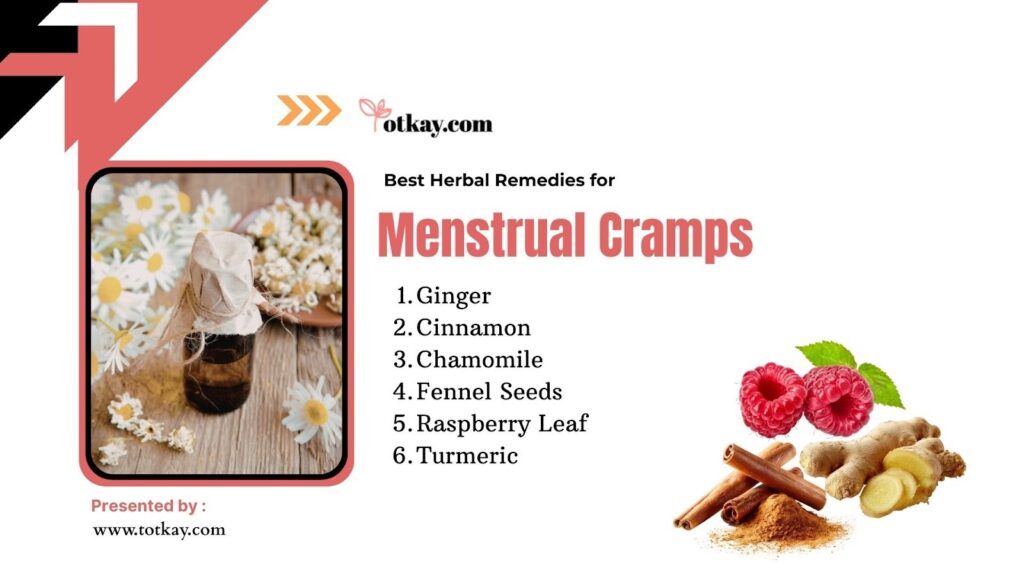
Choosing the right herb can make all the difference when it comes to menstrual cramp remedies. Each herb has unique benefits, from reducing inflammation to relaxing uterine muscles. Here are some of the most effective options, backed by research and traditional use.
Ginger: Natural Anti-Inflammatory Pain Relief
Can a simple root provide the same relief as over-the-counter painkillers? Ginger has been used for centuries to combat inflammation and nausea, and research now confirms its effectiveness for menstrual pain.
- Reduces prostaglandins: Ginger blocks the production of pain-causing prostaglandins.
- Relieves bloating and nausea: Its digestive benefits ease common menstrual symptoms.
- Comparable relief to NSAIDs in some studies: Clinical trials show ginger can match ibuprofen in reducing pain intensity.
- Best used as tea or powder: Brew fresh ginger slices in hot water or add powdered ginger to warm milk.
Research suggests ginger can reduce menstrual pain intensity, making it a powerful natural option for menstrual cramp remedies.
Cinnamon: Reduces Pain and Heavy Flow

What if one spice could address both cramping and heavy bleeding? Cinnamon does exactly that by improving circulation and reducing inflammation.
- Helps reduce cramp severity: Cinnamon contains compounds that relax uterine muscles.
- Improves blood circulation: Better blood flow reduces pain and discomfort.
- May reduce heavy bleeding: Studies indicate cinnamon can decrease menstrual blood loss.
- Can be added to tea or milk: Sprinkle cinnamon powder into your morning beverage for daily support.
Clinical findings show cinnamon may reduce pain severity, offering a simple yet effective solution.
Chamomile: Relaxes Muscles and Reduces Spasms
Chamomile is more than just a calming tea; it’s one of the most effective menstrual cramp remedies, working on multiple levels to ease discomfort and promote relaxation.
- Helps relax uterine muscles: Its antispasmodic properties reduce cramping.
- Reduces anxiety and improves sleep: Chamomile calms your nervous system, helping you rest during your cycle.
- May reduce menstrual bleeding: Research shows chamomile can lessen bleeding intensity.
- Ideal as calming tea before sleep: Sip a warm cup in the evening to unwind and relieve pain.
Chamomile may help reduce menstrual bleeding and improve comfort, making it a gentle yet effective remedy.
Fennel Seeds: Natural Antispasmodic
Don’t underestimate these tiny seeds. Fennel seeds contain anethole, a powerful compound that helps relax uterine spasms and lower prostaglandin levels, effectively reducing period pain and cramping.
- Reduces uterine contractions: Fennel acts as a natural muscle relaxant.
- Lowers prostaglandin levels: This decreases inflammation and pain.
- Eases bloating and digestive discomfort: Fennel supports digestion, reducing gas and bloating.
- Best consumed as tea: Steep crushed fennel seeds in hot water for 10 minutes.
Fennel provides quick relief when consumed consistently, especially in the days leading up to menstruation.
Raspberry Leaf: Uterine Tonic Herb
Raspberry leaf is a traditional remedy known for its ability to tone uterine muscles and reduce pain. Often referred to as a “uterine tonic,” this herb works by strengthening the uterine muscles. This can lead to more efficient contractions and, as a result, less painful periods.
- Strengthens uterine muscles: Regular use helps the uterus contract more efficiently with less pain.
- May reduce cramp severity: Many women report milder cramps after consistent use.
- Supports reproductive health: Raspberry leaf nourishes the reproductive system over time.
- Popular traditional remedy: Herbalists have recommended it for generations.
Drink raspberry leaf tea throughout your cycle for long-term benefits and improved menstrual comfort.
Turmeric: Powerful Anti-Inflammatory Herb
What makes turmeric one of the best menstrual cramp remedies? Curcumin, its active ingredient, is one of the most potent natural anti-inflammatories available.
- Reduces inflammation and pain: Curcumin blocks inflammatory pathways that cause cramps.
- Supports hormone balance: Turmeric helps regulate hormones, improving overall menstrual health.
- Improves circulation: Better blood flow reduces pain and discomfort.
- Works best with warm milk: Mix turmeric powder into warm milk with a pinch of black pepper for better absorption.
Adding turmeric to your daily routine offers both immediate relief and long-term menstrual support.
How to Use Herbs Safely for Period Pain Relief
Using herbs effectively as menstrual cramp remedies requires proper preparation and timing. While herbs are generally safe, understanding the correct dosage and form ensures you get the best results for relieving cramps without any adverse effects.
What is the safest way to use these remedies?
- Recommended forms: Tea, powder, capsules, and tinctures are the most common and effective options.
- Best timing: Start using herbs a few days before your period begins and continue through the first few days of menstruation.
- Proper dosage considerations: Follow package instructions or consult a healthcare provider for personalized guidance.
- Combining herbs safely: You can blend multiple herbs, but start with one at a time to monitor your body’s response.
- When to consult a doctor: If you have underlying health conditions, take medications, or experience severe pain, seek medical advice before using herbs.
Responsible use maximizes benefits while minimizing risks, helping you achieve consistent relief.
Herbal Tea Recipe for Menstrual Cramp Relief
Creating a custom herbal blend allows you to combine the benefits of multiple remedies in one soothing drink. This recipe is easy to prepare and can be adjusted to suit your taste.
What ingredients do you need?
- Ginger slices: 1-inch piece, thinly sliced
- Cinnamon stick: 1 stick or 1/2 teaspoon powder
- Chamomile flowers: 1 tablespoon dried flowers
- Fennel seeds: 1 teaspoon, lightly crushed
- Brewing instructions: Add all ingredients to 2 cups of boiling water, steep for 10 minutes, strain, and sweeten with honey if desired.
- When to drink for best results: Consume 2-3 cups daily, starting a few days before your period and continuing through the first few days of menstruation.
This warming tea provides comprehensive relief by targeting inflammation, muscle spasms, and digestive discomfort all at once.
Additional Natural Remedies to Ease Cramps
Herbs work best when combined with other natural strategies that support your body during menstruation. These complementary approaches enhance the effectiveness of menstrual cramp home remedies and provide comprehensive relief.
What else can you do to reduce discomfort?
- Heat therapy: Apply a hot water bottle or heating pad to your lower abdomen to relax muscles and improve blood flow.
- Gentle yoga and stretching: Poses like child’s pose and cat-cow stretch relieve tension and reduce cramping.
- Magnesium-rich foods: Magnesium relaxes muscles; eat dark leafy greens, nuts, and seeds regularly.
- Hydration and warm fluids: Staying hydrated reduces bloating and supports circulation.
- Stress reduction techniques: Meditation, deep breathing, and adequate sleep lower stress hormones that can worsen cramps.
Lifestyle support can improve menstrual comfort significantly when practiced consistently.
Foods That Help Reduce Period Pain Naturally
Your diet plays a crucial role in managing menstrual symptoms. Certain nutrients combat inflammation, support hormone balance, and relax muscles, making your period less painful.
Which foods should you prioritize?
- Omega-3-rich foods: Salmon, flaxseeds, and walnuts reduce inflammation and prostaglandin production.
- Leafy greens for magnesium: Spinach, kale, and Swiss chard provide muscle-relaxing magnesium.
- Bananas for muscle relaxation: Potassium in bananas helps prevent muscle cramps.
- Nuts and seeds for anti-inflammatory benefits: Almonds, chia seeds, and sunflower seeds support overall menstrual health.
Incorporating these foods into your regular diet provides ongoing support and may reduce the severity of cramps over time.
When to See a Doctor
While natural remedies work well for many women, certain symptoms require professional medical evaluation. Recognizing when to seek help ensures you do not overlook serious conditions.
What signs should prompt a doctor’s visit?
- Severe or worsening pain: Pain that does not respond to natural remedies or over-the-counter medications may indicate an underlying issue.
- Pain lasting beyond 3 days: Prolonged pain is not typical and warrants investigation.
- Heavy bleeding or irregular cycles: Soaking through pads or tampons every hour or experiencing unpredictable cycles requires medical attention.
- Symptoms interfering with daily life: If cramps prevent you from working, studying, or enjoying activities, consult a healthcare provider.
Early intervention can identify conditions like endometriosis or fibroids, allowing for appropriate treatment before symptoms worsen.
Take control of your menstrual health naturally
Menstrual cramp remedies don’t have to come with side effects or risks. Natural PMS relief options like ginger, cinnamon, chamomile, and turmeric effectively reduce inflammation, relax uterine muscles, and balance hormones.
For best results, start using these remedies a few days before your period and continue through the first days of menstruation. Pair them with healthy habits like heat therapy, balanced nutrition, and stress management to enhance their benefits. Every woman’s body is different, so experiment with dysmenorrhea relief methods to find what works for you—whether it’s herbal teas, spices, or capsules.
If pain persists, consult a healthcare provider. Find more natural remedies and wellness tips for a pain-free cycle at Totkay.com!
Frequently Asked Questions
Can herbal remedies stop menstrual cramps completely?
Herbal remedies can significantly reduce menstrual cramp intensity, but they may not eliminate pain entirely for everyone. Results vary based on individual body chemistry, cramp severity, and consistency of use. Combining herbs with lifestyle changes often yields the best outcomes.
Which herb works fastest for period pain?
Ginger is often considered the fastest-acting herb for menstrual pain relief. Its anti-inflammatory properties work quickly to reduce prostaglandins and ease cramping. Drinking ginger tea at the first sign of discomfort can provide noticeable relief within 30 minutes to an hour.
Are herbal remedies safe for teenagers?
Yes, most herbal remedies are safe for teenagers when used in appropriate amounts. However, younger individuals should start with smaller doses and consult a healthcare provider if they have any underlying health conditions or take medications. Parents should supervise usage to ensure safety.
How early should I start using remedies?
Begin using herbal remedies two to three days before your expected period starts. This timing allows the herbs to build up in your system and reduce inflammation before cramps begin. Continuing use through the first few days of menstruation provides sustained relief.

Hi, I’m a dedicated writer at Totkay.com, passionate about sharing practical tips and solutions to make your life easier. Explore my articles for helpful insights and valuable advice. Stay connected for more expert content!
Related posts:
 Unlocking Natural Solutions: Totkay for Likoria Relief
 Natural Remedies to Maintain Vaginal pH Balance
 Pro Tips to Naturally Tighten Your Vagina
 Periods Rokne Ki Medicine: Kya Aapke Liye Sahi Hai?
 Feminine Hygiene Tips for Every Woman: Essential for Health and Comfort
 Raspberry Leaf Tea for Period Pain: Guide to Natural Cramp Relief