11 Scientifically Proven Health Benefits of Ginger

Ginger has been a staple in kitchens and medicine cabinets for thousands of years. From ancient Ayurvedic practices to modern clinical research, this humble root has earned its place as one of the most powerful natural remedies on the planet. The Proven Health Benefits of Ginger span far beyond flavoring your favorite dish—they extend into digestion, immunity, heart health, and even cancer prevention.
What makes ginger so effective? The answer lies in its active compounds. Gingerol, the most well-studied bioactive compound in fresh ginger, delivers potent antioxidant and anti-inflammatory effects.
The benefits of eating ginger are wide-ranging and well-documented. Studies published in peer-reviewed journals confirm ginger’s role in managing nausea, reducing joint pain, supporting cardiovascular health, and strengthening the immune system. The benefits of drinking ginger water are equally impressive, offering a simple daily habit that can yield measurable health improvements.
In this article, you will discover 11 scientifically supported health benefits of ginger, learn how to safely incorporate it into your daily routine, understand the right dosage, and know when to exercise caution.
What is Ginger and What Powerful Compounds Does it Contain?
Ginger, known botanically as Zingiber officinale, is a flowering plant whose root—or more accurately, its rhizome—is used as a spice, flavoring agent, and medicinal ingredient worldwide. It belongs to the same family as turmeric and cardamom, which explains its powerful therapeutic profile.
Ginger’s main medicinal compound is gingerol, which gives it its sharp flavor and many of its health benefits. Gingerol is a powerful natural antioxidant that neutralizes cell-damaging free radicals. It also has potent anti-inflammatory properties, helping reduce the chronic inflammation linked to many serious diseases.
When ginger is dried or cooked, gingerol transforms into two other key compounds:
Main Active Compounds in Ginger:
- Gingerol: The primary bioactive compound in fresh ginger; delivers anti-inflammatory and antioxidant effects.
- Shogaol: Forms when ginger is dried or cooked; more potent than gingerol in some studies and linked to anti-cancer properties.
- Zingerone: Produced during cooking; associated with anti-diabetic and lipid-lowering effects.
Together, these compounds make ginger a uniquely powerful natural ingredient backed by decades of scientific research.
11 Scientifically Proven Health Benefits of Ginger
Research and modern studies confirm that ginger offers numerous health benefits that support and improve human well-being across multiple body systems.
1: Relieves Nausea and Vomiting
Ginger is one of the most well-researched natural remedies for nausea. Clinical trials have confirmed its effectiveness across multiple types of nausea, making it a go-to option for those who prefer a natural approach.
How does it work? Gingerol interacts with serotonin receptors in the digestive tract, which helps calm the signals that trigger vomiting.
Key areas where ginger helps:
- Morning sickness during pregnancy: Studies show that 1–1.5 grams of ginger per day can significantly reduce nausea in pregnant women. However, pregnant women should consult a doctor before using ginger supplements.
- Motion sickness and travel nausea: Ginger has been found to reduce the duration and intensity of travel-induced nausea.
- Chemotherapy-induced nausea: Research suggests that ginger supplementation can reduce nausea severity in cancer patients undergoing chemotherapy.
2. Aids Indigestion and Stomach Discomfort
Poor digestion can disrupt your entire day. Ginger offers a natural and effective solution—one that works at the physiological level.
Ginger for digestion is one of its most celebrated traditional uses, and science confirms it. Here is how ginger supports digestive health:
- It accelerates gastric emptying—the process by which food moves from the stomach into the small intestine—reducing feelings of bloating and discomfort.
- It stimulates the production of digestive enzymes, improving the breakdown and absorption of nutrients.
- It reduces gas buildup in the gastrointestinal tract, alleviating bloating and cramping.
Regular consumption of ginger, particularly as ginger tea or ginger water, can make a noticeable difference for those with chronic indigestion.
3. Supports Weight Loss
Managing body weight requires a combination of healthy habits, but certain natural ingredients can provide meaningful support. Ginger is one of them.
A 2019 meta-analysis published in Critical Reviews in Food Science and Nutrition found that ginger supplementation significantly reduced body weight, waist-to-hip ratio, and fasting glucose in overweight individuals. Losing weight with ginger is achievable through the following mechanisms:
- Metabolism Boost: Ginger increases thermogenesis, the process by which your body generates heat and burns calories.
- Fat Burning: Compounds in ginger stimulate the breakdown of stored fat.
- Appetite Control: Ginger promotes satiety, making you feel fuller for longer and reducing overall calorie intake.
4. Relief from Joint Pain and Arthritis
Joint pain and stiffness can significantly reduce the quality of life. Ginger’s anti-inflammatory properties make it particularly effective for conditions like osteoarthritis.
A clinical study published in Arthritis & Rheumatism found that patients with knee osteoarthritis who took ginger extract experienced significantly less pain and required fewer pain medications compared to the placebo group.
Why does it work?
- Gingerol inhibits pro-inflammatory enzymes, including COX-1 and COX-2, which are the same enzymes targeted by common NSAIDs like ibuprofen.
- Regular ginger consumption reduces systemic inflammation, which is directly linked to joint degeneration and pain.
- Topical ginger applications have also shown promise in reducing localized joint pain.
5. Helps Control Blood Sugar
Type 2 diabetes affects hundreds of millions of people worldwide, and managing blood sugar levels is critical for long-term health. Ginger may offer meaningful support in this area.
A 2015 study published in the Journal of Ethnic Foods found that participants with type 2 diabetes who consumed 2 grams of ginger powder daily experienced a significant reduction in fasting blood sugar levels.
Ginger supports blood sugar control by:
- Reducing fasting blood glucose through enhanced insulin signaling pathways
- Improving insulin sensitivity, allowing cells to absorb glucose more efficiently
- Lowering oxidative stress, which contributes to insulin resistance
6. Beneficial for Heart Health
Cardiovascular disease remains the leading cause of death globally. Ginger’s antioxidant and anti-inflammatory properties contribute directly to heart health in several measurable ways.
How ginger supports heart health:
- It reduces oxidative stress, a key driver of arterial damage and atherosclerosis.
- It helps lower blood pressure by relaxing blood vessels.
- It reduces markers of inflammation that are closely associated with coronary artery disease.
- It may reduce the risk of blood clots by inhibiting platelet aggregation.
These mechanisms together contribute to a lower overall risk of heart disease with regular, moderate ginger consumption.
7. Helps Lower Cholesterol
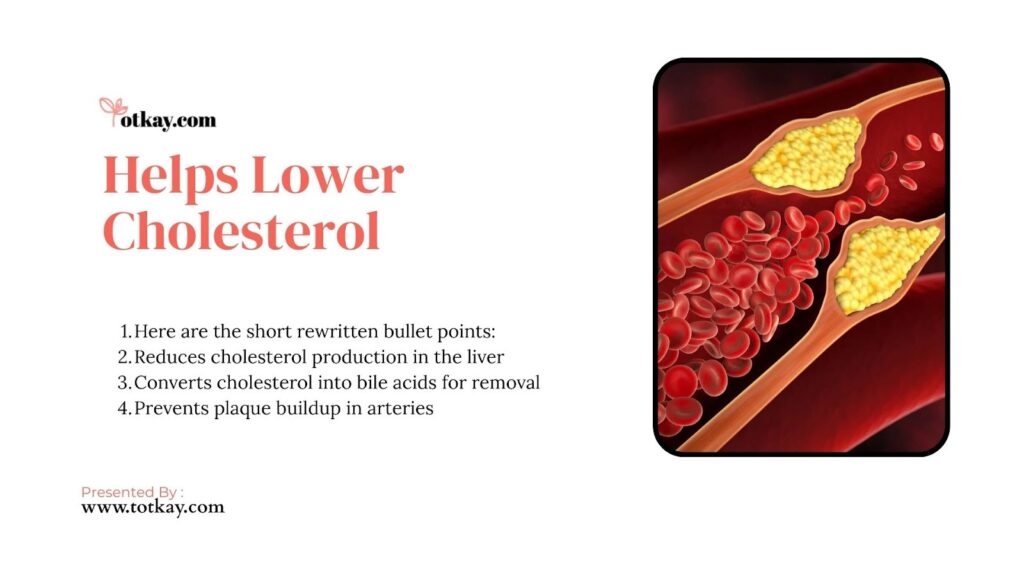
A study published in the Saudi Medical Journal found that participants who took 3 grams of ginger powder daily for 45 days experienced significant reductions in LDL cholesterol and total cholesterol, along with increases in HDL (good) cholesterol.
Ginger improves lipid profiles by:
- Inhibiting cholesterol synthesis in the liver
- Increasing the conversion of cholesterol into bile acids, which are then excreted from the body
- Reducing lipid peroxidation, which protects against arterial plaque buildup
8. Potential Role in Cancer Prevention
Ginger contains compounds—particularly shogaol and gingerol—that have demonstrated anti-cancer properties in laboratory and animal studies. This is a promising area of research, though it is important to note that clinical trials in humans are still ongoing.
Current research suggests potential benefits for:
- Colorectal cancer: Gingerol has shown the ability to slow the growth of colorectal cancer cells in laboratory settings.
- Pancreatic cancer: Early studies indicate that 6-shogaol can induce apoptosis (programmed cell death) in pancreatic cancer cells.
These findings are encouraging, but research is still in progress. Ginger should not be considered a cancer treatment. It may, however, play a supportive role as part of a healthy lifestyle focused on disease prevention.
9. Improving Brain Health and Memory
Cognitive decline is one of the most feared aspects of aging. Ginger’s antioxidant compounds may offer measurable neuroprotective benefits.
A study conducted on middle-aged women found that daily ginger supplementation improved reaction time and working memory significantly compared to the placebo group.
Key brain health benefits of ginger:
- Reduces neuroinflammation linked to cognitive decline
- Supports acetylcholine levels, a neurotransmitter essential for memory and learning
- Protects neurons from oxidative damage caused by free radicals
10. Fights Infections
Ginger has demonstrated antimicrobial properties in multiple laboratory studies, making it a natural ally against certain bacterial and fungal infections.
Laboratory studies have also shown that ginger extracts inhibit the growth of several harmful bacteria, including:
- Staphylococcus aureus — A common cause of skin infections and foodborne illness
- Escherichia coli (E. coli) — Responsible for urinary tract infections and gastrointestinal illness
While ginger is not a substitute for antibiotics in serious infections, its antimicrobial properties make it a valuable preventive tool.
11. Strengthens the Immune System
A strong immune system is your body’s first line of defense against illness. Ginger can help strengthen your immunity through a combination of antioxidant activity and anti-inflammatory mechanisms.
How ginger strengthens immunity:
- Its high antioxidant content neutralizes free radicals that weaken immune cells.
- It reduces chronic low-grade inflammation, which suppresses immune function over time.
- It may protect against cold and flu viruses, particularly when consumed regularly as ginger tea.
- It supports gut health, where approximately 70% of the immune system resides.
How to Use Ginger in Your Daily Life

Incorporating ginger into your daily life does not require major dietary changes. Small, consistent habits can yield meaningful results over time.
Practical ways to use ginger daily:
- Ginger Tea: Boil fresh ginger slices in water for 10 minutes, strain, and add honey or lemon. Drink 1–2 cups daily for digestive and immune support.
- Ginger Water: Add thin slices of fresh ginger to a glass of warm water and let it steep overnight. Drink this first thing in the morning to support metabolism and digestion.
- Cooking: Add freshly grated or powdered ginger to curries, soups, stir-fries, and marinades.
- Honey and Ginger Remedy: Mix one teaspoon of fresh ginger juice with one teaspoon of raw honey. Take it on an empty stomach for immune support, especially during cold and flu season.
- Smoothies: Blend a small piece of fresh ginger into your fruit or vegetable smoothies for an antioxidant boos
How Much Ginger Should You Take?
Getting the dose right is essential for maximizing benefits while minimizing side effects. The following table provides general guidelines based on the form of ginger consumed.
| Form | Recommended Amount |
| Fresh Ginger | 2–4 grams per day |
| Ginger Powder | 1–2 grams per day |
| Ginger Tea | 1–2 cups per day |
| Ginger Supplement (Capsule) | As directed on label (typically 250–500 mg per dose) |
Most health authorities consider up to 4 grams of ginger per day safe for healthy adults. Exceeding this amount may increase the risk of side effects, particularly gastrointestinal discomfort.
Possible Side Effects of Ginger
Ginger is safe for most people in moderate amounts. However, some people may experience side effects, especially with high doses or long-term use.
Possible side effects include:
- Acidity and heartburn: Ginger can stimulate stomach acid production, which may worsen acid reflux for some people.
- Stomach discomfort: High doses might cause nausea, diarrhea, or stomach cramping.
- Blood-thinning effect: Ginger can slow blood clotting, which may increase the risk of bleeding in certain individuals.
Who should avoid or limit ginger:
- People taking blood-thinning medications (e.g., warfarin or aspirin) should consult a doctor before using ginger supplements, as the combination may increase bleeding risk.
- Pregnant women should limit ginger to no more than 1 gram per day and avoid ginger supplements without medical supervision, particularly in the first trimester.
- Individuals with gallstones should exercise caution, as ginger stimulates bile production.
Always consult a healthcare provider before adding ginger supplements to your routine, especially if you have an existing medical condition or take prescription medications.
Conclusion
Ginger is not just a kitchen spice. It is a scientifically validated natural remedy with a broad spectrum of health applications. The health benefits of ginger span digestion, immunity, cardiovascular health, blood sugar management, joint pain relief, and cognitive support. Few natural ingredients can match its versatility and depth of evidence.
The key is consistency and moderation. Incorporating ginger into your daily routine—whether through ginger tea, cooking, or ginger water—can produce real, measurable improvements in how you feel over time. The benefits of ginger are accessible to everyone, requiring nothing more than a small piece of root and a commitment to natural wellness.
Explore more natural health remedies and traditional cures at Totkay.com, where expert knowledge meets everyday wellness. Your journey toward better health can start with something as simple as a cup of ginger tea.
Frequently Asked Questions
What are the main health benefits of ginger?
The most well-researched health benefits of ginger include relief from nausea, improved digestion, reduced inflammation and joint pain, better blood sugar control, and a stronger immune system. Each of these benefits is supported by peer-reviewed clinical studies.
How does ginger help with weight loss?
Ginger supports weight loss by boosting metabolism through thermogenesis, enhancing fat oxidation, and promoting satiety. A meta-analysis confirmed that regular ginger supplementation leads to significant reductions in body weight and waist circumference among overweight individuals.
Is it safe to eat ginger every day?
Yes, consuming ginger daily is safe for most healthy adults when kept within the recommended range of 2–4 grams of fresh ginger per day. Exceeding this amount may cause gastrointestinal discomfort or interact with certain medications. Those with medical conditions should consult a healthcare provider.
Is ginger good for the stomach?
Ginger is highly beneficial for digestive health. It accelerates gastric emptying, stimulates digestive enzyme production, reduces gas and bloating, and helps manage indigestion. It is one of the most effective natural remedies for stomach-related discomfort.
What are the possible side effects of ginger?
Common side effects of consuming too much ginger include heartburn, acidity, stomach cramps, and diarrhea. Ginger also has mild blood-thinning properties, which makes it important for people on anticoagulant medications to consult their doctor. Pregnant women should limit their intake to 1 gram per day.

Hi, I’m a dedicated writer at Totkay.com, passionate about sharing practical tips and solutions to make your life easier. Explore my articles for helpful insights and valuable advice. Stay connected for more expert content!