
Herbal Supplements for Weight Loss: What Works & Safety Tips
The search for herbal supplements for weight loss often stems from a desire for a natural, gentler solution. With the global market for natural weight loss herbs booming, many are drawn to plant-based remedies, hoping to avoid the synthetic chemicals and side effects of prescription pills.
Products like herbal teas, extracts, and capsules are marketed as safe and effective, but it’s essential to align expectations with reality. While some herbal fat loss remedies show promise, their results are typically modest and work best when combined with a balanced diet, exercise, and proper sleep.
Instead of relying solely on these supplements, view them as part of a holistic approach to weight loss, supporting sustainable and healthy lifestyle changes.
How Herbal Supplements May Support Weight Loss
Herbal supplements do not melt fat by magic. Instead, they interact with the body’s biological processes to create an environment more conducive to weight loss. Understanding these mechanisms helps users choose the right supplement for their specific hurdles.
Here are the primary ways herbal supplements influence weight management:
- Appetite Suppression: Certain herbs contain compounds that signal fullness to the brain, helping to reduce overall caloric intake without the feeling of deprivation.
- Boosting Metabolism: Some supplements act as thermogenics, slightly raising the body’s internal temperature to increase the number of calories burned at rest.
- Reducing Fat Absorption: Specific plant fibers or extracts can inhibit enzymes responsible for breaking down fat, causing some dietary fat to pass through the system undigested.
- Improving Digestion: A healthy gut is essential for a healthy weight; herbs that support digestion can reduce bloating and improve nutrient absorption.
Popular Herbal Supplements for Weight Loss
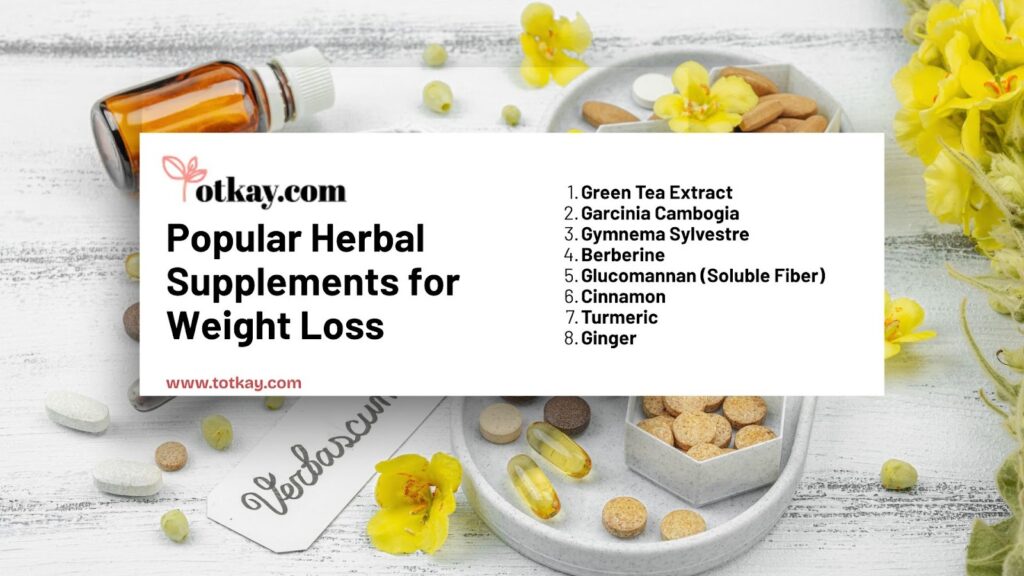
The supplement aisle contains countless options, but only a few possess a track record of study and anecdotal success. It is important to look at the specific evidence behind each popular herb.
Green Tea Extract
Green tea extract stands as one of the most researched metabolism booster supplements available. It contains high concentrations of antioxidants known as catechins, specifically epigallocatechin gallate (EGCG).
- Mechanism: EGCG works synergistically with caffeine to enhance fat oxidation and boost metabolic rate.
- Evidence: Studies consistently show that green tea extract can lead to modest weight loss, particularly in the abdominal area.
- Usage: It is commonly consumed as a concentrated capsule or a brewed beverage.
- Safety: While generally safe, high doses can cause liver issues or jitteriness due to caffeine content.
Garcinia Cambogia
Garcinia cambogia became a household name after receiving heavy media endorsements. The active ingredient is hydroxycitric acid (HCA), extracted from the rind of this tropical fruit.
- Mechanism: HCA appears to inhibit an enzyme called citrate lyase, which the body uses to make fat, and may raise levels of the brain chemical serotonin, which may make you feel less hungry.
- Evidence: Reviews of studies indicate that while it may cause a small amount of weight loss, the clinical significance is often minimal.
- Usage Concerns: Users must adhere strictly to recommended dosages to avoid potential digestive distress.
Gymnema Sylvestre
This herb holds a unique place among herbal supplements for weight loss due to its specific interaction with taste receptors. Known as the “sugar destroyer,” it has been used in Ayurvedic medicine for centuries.
- Mechanism: The gymnemic acids in the plant block the sweet receptors on the taste buds, making sweet foods taste unappealing, which helps reduce sugar cravings.
- Effect: By curbing the desire for sugary snacks, it supports a calorie deficit indirectly.
- Usage: It is available as a tablet or a tea, often taken before meals.
Berberine
Berberine is a bioactive compound found in several plants, including goldenseal and barberry. It has gained a reputation as a powerful metabolic regulator.
- Mechanism: It activates an enzyme called AMP-activated protein kinase (AMPK), often referred to as a “metabolic master switch,” which helps regulate glucose and lipid metabolism.
- Evidence: Research suggests it can significantly lower blood sugar levels and aid weight management, similar to some pharmaceutical drugs.
- Safety: It acts potently on the body and should not replace prescribed diabetes medications without a doctor’s supervision.
Glucomannan (Soluble Fiber)
Glucomannan is a natural, water-soluble dietary fiber extracted from the roots of the elephant yam, also known as konjac. It is one of the most viscous dietary fibers known.
- Mechanism: It absorbs water and expands in the stomach to form a bulky fiber, which promotes a feeling of fullness and delays stomach emptying.
- Evidence: Several studies suggest it can aid weight loss when combined with a weight-management diet, though results vary.
- Safety: It must be taken with plenty of water to prevent choking or blockages in the throat or esophagus.
Other Traditional Herbs
Beyond the major players, various kitchen staples and traditional roots play a role in herbal supplements for weight loss. These options are often milder but can still support overall health.
- Cinnamon: May help stabilize blood sugar levels, preventing insulin spikes that lead to fat storage.
- Turmeric: Contains curcumin, an anti-inflammatory compound that may suppress fat tissue growth.
- Ginger: Known to enhance thermogenesis and reduce feelings of hunger.
Scientific Evidence and Limitations
Herbal supplements for weight loss are often marketed as quick fixes, but the reality is more complex. While some supplements may offer mild support, they are not a substitute for a balanced diet and regular exercise. Here’s why their effectiveness is limited:
- Short-term research: Most clinical trials only last 8 to 12 weeks, leaving little evidence about the sustainability of weight loss over time.
- Lack of standardization: The supplement industry isn’t as strictly regulated as pharmaceuticals. For example, the concentration of active ingredients like EGCG in green tea extract can vary significantly between products.
- Support, not a solution: These supplements should be seen as complementary tools, not the primary method for losing weight.
Safety, Side Effects, and Interactions
“Natural” does not guarantee safety. Potent biological compounds found in plants can cause adverse reactions, just like synthetic drugs. Before incorporating any new regimen, one must consider the potential risks.
Common side effects and risks include:
- Gastrointestinal Issues: Nausea, diarrhea, and stomach cramps are frequent complaints with fat-blocking or fiber-heavy supplements.
- Cardiovascular Effects: Stimulants like bitter orange or high doses of caffeine can increase heart rate and blood pressure.
- Drug Interactions: Herbs can alter how the liver processes drugs. For example, St. John’s Wort interacts with antidepressants, and garlic can impact blood thinners.
- Quality Control: Contamination with undeclared substances or heavy metals is a risk with low-quality brands.
How to Use Herbal Supplements Responsibly
To navigate the world of herbal aids safely, you must approach them with caution and diligence. Responsible use ensures you gain the benefits while minimizing the risks.
Follow these guidelines for safe supplementation:
- Consult a Healthcare Provider: Always speak with a doctor or dietitian, especially if you have pre-existing conditions or take medication.
- Do Not Replace Diet and Exercise: Supplements are meant to supplement a healthy lifestyle, not replace it.
- Follow Recommended Dosages: More is not better. Stick to the manufacturer’s or doctor’s instructions to avoid toxicity.
- Monitor for Side Effects: Stop taking the product immediately if you experience dizziness, heart palpitations, or severe digestive issues.
- Choose High-Quality Brands: Look for products that have been third-party tested for purity and potency.
Combining Herbal Supplements with Lifestyle Changes
The most successful weight loss journeys rely on a strong foundation of healthy habits. Digestive health herbs and metabolic boosters work best when the body is already primed for weight loss through diet and movement.
Key lifestyle pillars to support supplementation include:
- Calorie Deficit: No supplement can outwork a bad diet. You must consume fewer calories than you burn.
- Regular Exercise: Combine cardio for calorie burning with strength training to build metabolism-boosting muscle.
- Adequate Sleep: Poor sleep disrupts hunger hormones, negating the appetite-suppressing effects of supplements.
- Stress Management: High cortisol levels lead to belly fat storage; adaptogenic herbs can help, but stress reduction techniques are vital.
When to See a Doctor
While many people navigate weight loss independently, certain signs indicate the need for professional medical intervention. Self-prescribing herbs can sometimes mask underlying issues or cause harm if a serious condition exists.
Seek medical advice in these situations:
- Rapid Unexplained Weight Change: Losing or gaining weight without effort can signal thyroid issues or other metabolic disorders.
- Underlying Health Conditions: If you have diabetes, high blood pressure, or heart disease, medical supervision is non-negotiable.
- Pregnancy or Breastfeeding: Most herbal supplements are not tested for safety in pregnant or nursing women and should be avoided.
- Medication Interactions: If you take prescription drugs daily, a pharmacist must verify that the herb will not interfere with efficacy.
Conclusion
When considering herbal supplements for weight loss, it’s important to have a balanced view. While nature offers potent compounds that can assist in metabolism regulation and appetite control, these are not miracle cures. The most effective approach involves using these supplements as supportive allies alongside a nutrient-rich diet and active lifestyle.
Remember that safety and quality are paramount. Always choose reputable brands and consult with medical professionals to avoid adverse interactions. By combining natural slimming supplements with sustainable habits, you create a comprehensive strategy for long-term health.
Whether you choose green tea for energy or fiber for satiety, the goal remains the same: a healthier, more vibrant you. For more effective weight loss remedies, visit totkay.com!
Frequently Asked Questions
Do herbal supplements really help with weight loss?
Yes, certain herbal supplements can support weight loss by boosting metabolism or suppressing appetite. However, the effects are generally modest and work best when combined with diet and exercise.
What is the best herbal supplement for weight loss?
Green tea extract and berberine are currently among the most researched options showing positive results. The “best” option depends on whether you need help with appetite, metabolism, or blood sugar regulation.
Are herbal supplements safe?
Most are safe for healthy adults when taken at recommended doses, but they do carry risks. Side effects can occur, and interactions with prescription medications are common, so caution is necessary.
How long should I take herbal supplements for weight loss?
It is generally recommended to take supplements for a limited period, such as 8 to 12 weeks. Long-term safety data is often lacking, so cycling off the supplements allows your body to rest.
Can herbal supplements interact with medications?
Yes, herbal supplements can interact significantly with medications like blood thinners, antidepressants, and diabetes drugs. Always consult a healthcare provider before combining herbs with prescriptions.

Hi, I’m a dedicated writer at Totkay.com, passionate about sharing practical tips and solutions to make your life easier. Explore my articles for helpful insights and valuable advice. Stay connected for more expert content!
Related posts:
 Wazan Zyada Karne Ka Tarika: Sehatmand Ghiza Aur Asan Nuskhe
 Green Tea for Weight Loss
 How to balance female hormones for weight loss?
 Weight Loss Cinnamon Tea | Unbelievable Health Benefits & Tips
 Weight Loss Maintenance: 7 Secrets to Stop Regaining Forever
 Weight Loss Tips for Men: 11 Proven Ways to Burn Fat