
DIY Hair Masks: Best Hair Mask Recipes for Strong, Shiny & Healthy Hair
Finding the right solution for dry strands or excessive hair fall can feel overwhelming. Many commercial products promise quick fixes but deliver poor results. Creating your own hair mask recipes at home offers a safer and more effective alternative. These customized mixtures provide intense nourishment directly to your scalp and strands.
You can easily address common problems like dryness, breakage, and dullness using simple ingredients from your kitchen. By exploring natural hair treatments, you give your hair exactly what it needs without harsh chemicals. A good deep conditioning DIY session restores vitality and promotes long-term health.
Why Your Hair Needs More Than Just Conditioner
Daily washing and styling strips essential nutrients from your scalp. You might think your regular shower routine provides enough protection. However, standard products only scratch the surface of hair care.
Conditioner vs Hair Mask
Conditioners and masks serve completely different purposes in your hair care routine. Which product actually repairs your hair? How do these two treatments differ in their application? Here is a clear breakdown of their primary functions.
- Conditioners coat the outer layer of the hair shaft to provide temporary smoothness and make detangling easier.
- Hair masks penetrate deeply into the hair cuticle to repair structural damage from the inside out.
- Conditioners work within minutes, while masks require extended time to deliver intense hydration and nutrients.
Signs Your Hair Needs a Mask
Your hair constantly communicates its health status to you. What warning signs should you look for? How do you know when a simple wash is no longer enough? Look out for these common indicators of hair distress.
- The texture feels unusually rough or straw-like when you run your fingers through it.
- You notice excessive frizz that standard serums fail to control.
- Your brush accumulates more fallen hair than usual after a gentle combing session.
- Your strands look dull and lack their natural shine even after washing.
The Science Behind Hair Masks
Understanding how hair absorbs nutrients helps you choose better treatments. Hair shafts consist primarily of a protein called keratin. When you apply the right hair mask recipes, you directly support this protein structure.
Moisture vs Protein Balance
Achieving healthy hair requires a delicate balance between two main elements. Why does some hair feel mushy while other hair snaps easily? How do you strike the perfect balance? Consider these fundamental principles of hair science.
- Moisture: Hydrates your hair, giving it the elasticity and softness needed to prevent breakage.
- Protein: Strengthens your hair’s structure, making it resilient against damage from styling and daily wear.
- Too much moisture: Leads to weak, mushy, and overly stretchy hair that loses its shape.
- Too much protein: Causes hair to become rigid and brittle, making it snap easily.
Identify Your Hair Problem First
Applying the wrong treatment will waste your time and ingredients. You must diagnose your specific issue before mixing any ingredients. Identifying your primary goal ensures you achieve the best possible results.
| Hair Problem | What Your Hair Needs | Best Ingredients | Type of Mask |
| Dry & frizzy hair | Moisture | Honey, coconut oil | Hydrating mask |
| Hair fall | Strength | Egg, yogurt | Protein mask |
| Dull hair | Shine + nutrients | Banana, aloe vera | Nourishing mask |
| Oily scalp | Balance | Aloe vera, lemon | Clarifying mask |
Powerful Ingredients Used in Natural Hair Treatments
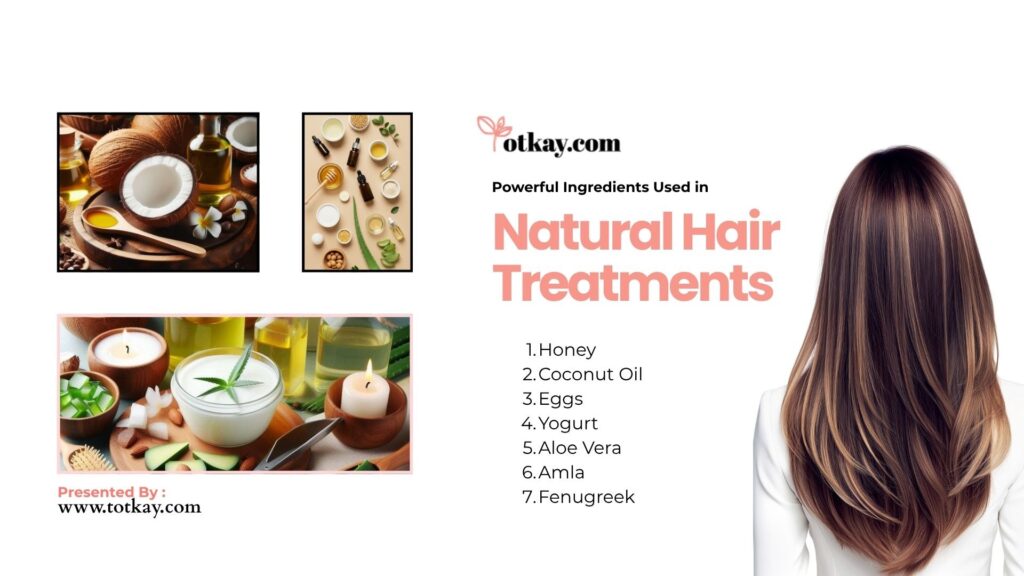
With the right hair mask recipes, you can use nature’s most potent compounds for cellular repair. Your kitchen pantry likely holds everything you need to improve your hair’s health.
Moisturizing Ingredients
Hydration forms the foundation of soft and manageable hair. Which ingredients truly lock water into the hair shaft? How do natural oils behave once applied? Add these elements to your routine for lasting hydration.
- Honey: This natural humectant attracts and pulls moisture from the atmosphere directly into your hair fibers, providing a boost of hydration.
- Coconut Oil: Unlike other oils that merely coat the hair, coconut oil’s unique molecular structure allows it to penetrate deep into the hair shaft for more effective moisturizing.
Strengthening Ingredients
Weak hair requires structural reinforcement. What foods contain the building blocks your hair desperately needs? How do you rebuild broken keratin bonds? Focus on these protein-rich options.
- Eggs: Rich in protein and biotin, eggs help repair damage along the hair cuticle.
- Yogurt: The lactic acid in yogurt smooths the hair cuticle, while its dairy proteins provide strength.
Herbal Ingredients
Traditional herbal medicine offers powerful remedies for scalp issues, making them perfect additions to hair mask recipes. What herbs have women used for centuries to grow long hair? How can plants improve your scalp environment? Incorporate these traditional elements into your regimen.
- Aloe Vera: Its proteolytic enzymes repair dead skin cells on the scalp, unclogging hair follicles and promoting healthier hair growth.
- Amla: High in vitamin C, Amla boosts collagen production to stimulate hair growth and can help prevent premature graying.
- Fenugreek: Rich in protein and nicotinic acid, this herb strengthens hair roots and can significantly reduce shedding.
DIY Hair Mask Recipes Based on Your Hair Goals
Now you can create targeted solutions for your specific needs. These proven hair mask recipes utilize the ingredients discussed above.
1. Deep Conditioning DIY Mask for Dry Hair
Dry hair needs intense lipid replenishment to seal the cuticle. Coconut oil and honey work together to provide and lock in heavy moisture. This combination transforms brittle textures into silky strands.
Ingredients you need:
- Two tablespoons of unrefined coconut oil
- One tablespoon of raw honey
Step-by-step instructions:
- Melt and Mix: Gently warm the coconut oil until it’s liquid, then stir in the raw honey until fully combined.
- Apply to Hair: Section your dry or damp hair and apply the mask evenly, focusing on the mid-lengths and ends where dryness is most common.
- Let it Penetrate: Leave the mask on for at least 30 minutes to allow the ingredients to deeply moisturize your hair. For extra penetration, wrap your hair in a warm towel.
- Rinse Thoroughly: Wash the mask out with a gentle, sulfate-free shampoo. You may need to shampoo twice to remove all the oil residue.
2. Hair Repair Mask for Damaged Hair
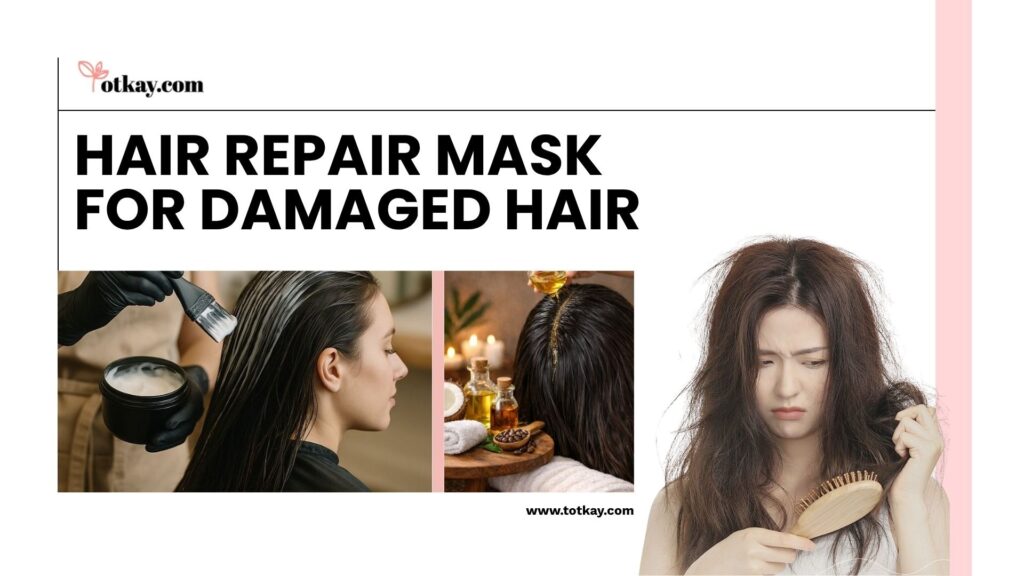
Heat styling and chemical processing destroy the protein bonds in your hair. Eggs and yogurt deliver the exact proteins necessary to rebuild this lost structure. This mask serves as a powerful reconstructive treatment.
Ingredients you need:
- One whole raw egg
- Three tablespoons of plain, unflavored yogurt
Step-by-step instructions:
- Mix the ingredients: In a small bowl, whisk one whole egg. Then, add three tablespoons of plain yogurt and mix until you have a creamy consistency.
- Apply the mask: Apply the mixture to your scalp, massaging it through to the ends of your hair.
- Let it sit: Cover your hair with a shower cap and leave the mask on for 20 minutes.
- Wash it out: Use cool water to thoroughly wash the mask from your hair. This is important to prevent the egg from cooking.
3. Herbal Hair Mask for Hair Fall
Weak roots lead to excessive shedding and thinning over time. Amla, fenugreek, and aloe vera stimulate blood circulation and anchor the hair follicles. This traditional blend fortifies your hair at the base.
Ingredients you need:
- Two tablespoons of amla powder
- One tablespoon of fenugreek powder
- Three tablespoons of fresh aloe vera gel
Step-by-step instructions:
- Create the Paste: In a clean bowl, mix the amla and fenugreek powders. Add the fresh aloe vera gel and stir until you have a thick, smooth paste.
- Apply to Scalp: Part your hair and apply the paste directly onto your scalp, ensuring even coverage at the roots.
- Let it Absorb: Leave the mask on for 40 minutes to allow the ingredients to penetrate your scalp and hair follicles.
- Rinse Thoroughly: Wash the mask out with lukewarm water and a gentle shampoo, making sure no residue is left behind.
4. Smooth & Shiny Hair Mask
Environmental factors and hard water can steal your hair’s natural luster. This is where hair mask recipes like this one come in handy. Bananas contain silica, a mineral that helps synthesize collagen to make hair thicker and shinier. Paired with honey, this mask will eliminate dullness.
Ingredients you need:
- One very ripe banana
- Two tablespoons of raw honey
Step-by-step instructions:
- Mash the ripe banana thoroughly until no lumps remain.
- Pour in the raw honey and blend the two ingredients into a smooth puree.
- Spread the mask evenly across your hair, focusing on the dullest areas.
- Allow the mask to rest on your hair for twenty-five minutes.
- Rinse well and follow up with a light shampoo.
5. Scalp-Cleansing Mask for Oily Hair
Sebum buildup blocks follicles and causes scalp inflammation. Aloe vera hydrates without adding grease, while lemon juice breaks down excessive oils. This clarifying treatment resets your scalp environment entirely.
Ingredients you need:
- Four tablespoons of fresh aloe vera gel
- One tablespoon of freshly squeezed lemon juice
Step-by-step instructions:
- Mix the fresh aloe vera gel and lemon juice together in a small container.
- Apply the liquid mixture exclusively to your scalp and roots.
- Massage the mixture gently into your skin for five minutes.
- Leave the treatment on for an additional fifteen minutes.
- Wash your hair thoroughly with a clarifying shampoo.
When & How Often Should You Use Hair Masks?
Frequency matters just as much as the ingredients you select. Overusing treatments leads to buildup, while underusing them limits their effectiveness. You must tailor your schedule to your specific hair condition.
Based on Hair Type
Different hair types demand different treatment schedules. How frequently should you apply these mixtures? What schedule yields the best long-term results? Adjust your routine according to these guidelines.
- For extremely dry or thick, curly hair: Use a hydrating mask twice a week to lock in moisture.
- For oily hair: Apply a clarifying mask once a week to remove buildup without stripping natural oils or irritating your scalp.
- For damaged or chemically treated hair: Use a nourishing mask two to three times per week to help restore elasticity and strength.
Common DIY Hair Mask Mistakes
Many people sabotage their hair care routines through simple errors. Using protein treatments too frequently causes the hair to become brittle and snap off. Leaving a mask on for too long, especially overnight, can lead to severe moisture overload and scalp fungus.
Furthermore, using the wrong ingredients for your specific hair porosity prevents absorption completely. Finally, failing to wash the mask out thoroughly leaves a heavy residue that attracts dirt and blocks follicles.
Natural vs Chemical Hair Treatments
Consumers constantly weigh the benefits of home remedies against salon treatments. Understanding the fundamental differences helps you make informed decisions about your routine.
| Feature | DIY Hair Masks | Chemical Treatments | Best Choice |
| Ingredients | Natural | Synthetic | DIY |
| Customization | High | Low | DIY |
| Cost | Affordable | Expensive | DIY |
| Results | Gradual but safe | Fast but harsh | Depends |
Ingredients to Be Careful With
While many DIY hair mask recipes call for natural ingredients, some require careful handling. Certain common kitchen items can pose risks if not used correctly, leading to unintended damage. When trying new hair mask recipes, handle the following ingredients with caution:
- Lemon juice: The high citric acid content in lemon juice can lighten hair, especially with sun exposure. However, this acidity can also disrupt your scalp’s pH balance, causing dryness and irritation. On sensitive skin, it might even lead to burns. Always dilute lemon juice with water or a carrier oil before use.
- Egg-based masks: While rich in protein, egg masks need careful rinsing. Using hot water can “cook” the egg proteins, causing them to coagulate and form clumps in your hair that are hard to remove. Always rinse with cool or lukewarm water.
- Apple Cider Vinegar (ACV): ACV is a popular rinse for clarifying hair and adding shine. However, it’s highly acidic and can strip your hair’s natural oils if used undiluted or too often. This can lead to brittle strands and a dry scalp. Always dilute ACV with water (a 1:4 ratio is a good starting point) and use it no more than once a week.
- Baking Soda: Often used as a natural clarifier, baking soda is alkaline and can severely disrupt your hair and scalp’s natural pH. This can cause the hair cuticle to swell, leading to frizz, dryness, and breakage. It’s best to avoid using baking soda on your hair, especially if it’s color-treated or already damaged.
Conclusion
Creating your own hair mask recipes empowers you to take control of your personal care routine. You no longer need to rely on expensive commercial products packed with synthetic additives. By prioritizing homemade hair care, you provide your scalp and strands with pure, unadulterated nutrients.
Start by identifying your specific hair problem using the guidelines provided above. Choose one of the targeted herbal hair recipes and commit to applying it correctly for at least four weeks. You will soon notice a significant improvement in the strength, shine, and overall health of your hair.
Gather your ingredients today and begin your journey toward stronger, healthier strands. For more tips on hair growth, treating split ends, and other hair fall solutions and remedies, visit totkay.com.
Frequently Asked Questions
How often should I use a hair mask?
You should base your frequency directly on your hair type and its current condition. Generally, applying a mask once a week works perfectly for normal hair maintenance. If you have severe damage, you can safely increase the application to twice a week.
Which hair mask is best for hair growth?
Masks containing amla, fenugreek, and aloe vera provide the best environment for hair growth. These ingredients stimulate blood circulation at the root level and reduce scalp inflammation. They anchor the hair follicle securely to prevent premature shedding.
Can I leave a hair mask overnight?
You should avoid leaving masks on your hair overnight in most cases. Moisture masks can cause hygral fatigue, which weakens the hair shaft by stretching it excessively. Furthermore, a wet scalp creates a breeding ground for bacterial and fungal infections.
Are DIY hair masks really effective?
Yes, they provide highly effective results when you use the correct ingredients for your specific problem. Natural oils and proteins penetrate the hair shaft just as well as commercial products. Consistency remains the key to seeing visible, long-lasting improvements in your hair texture.
What is better: protein or moisture mask?
Neither mask is universally better; they simply serve entirely different purposes. You need a moisture mask if your hair feels dry, brittle, and lacks shine. You need a protein mask if your hair feels weak, mushy, or breaks very easily.
Can hair masks stop hair fall?
They can significantly reduce hair fall caused by breakage along the hair shaft. They also improve the overall health of the scalp, which supports stronger roots. However, they cannot cure hair loss caused by internal hormonal imbalances or genetics.

Hi, I’m a dedicated writer at Totkay.com, passionate about sharing practical tips and solutions to make your life easier. Explore my articles for helpful insights and valuable advice. Stay connected for more expert content!
Related posts:
 Derma Roller for Hair Growth: Everything You Need to Know
 Home Remedies for Hair Growth | Baal Mazboot Karne Ka Tarika
 Hair Growth Remedies: Natural & Medical Solutions
 The 7 Day Hair Challenge: How to Grow Hair in a Week
 Split Ends Treatment: Instantly Repair and Prevent Damaged Hair
 9 Hair Mask Recipes for Hair That Looks Salon-Fresh