
Internal vs External Piles: Find Your Type and Relief
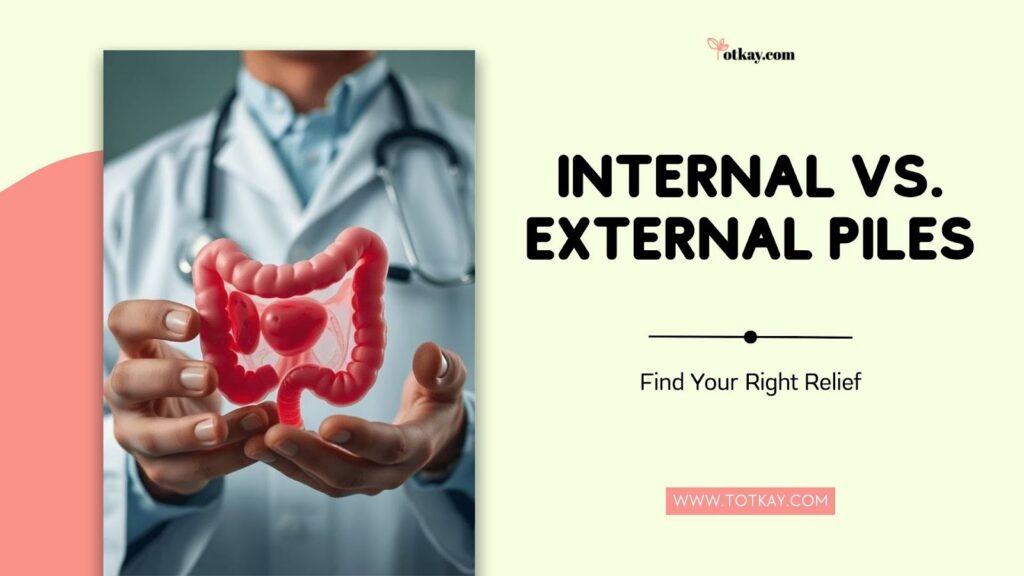
That sudden lump or unexpected spotting during a bowel movement can cause immediate concern. However, hemorrhoids, often known as “Bawaseer” or piles, are not just a single condition. The difference between internal and external piles centers on their location, symptoms, and required treatment options.
Many people mistakenly treat internal piles exactly like external ones. This common confusion with internal vs external piles often leads to a slow, frustrating recovery. Understanding your specific condition is essential for proper treatment and quicker relief.
This guide provides a clear roadmap to help you identify your type of piles. Explore targeted, natural remedies that actually work for your unique symptoms, using the latest insights from colon and rectal surgeons.
What Are Piles? The Anatomy of Discomfort
Piles occur when swollen veins or swollen blood vessels in the rectum or around the anus enlarge due to excessive pressure. To understand how hemorrhoids develop, you must know the anatomy of the anal canal and rectal veins.
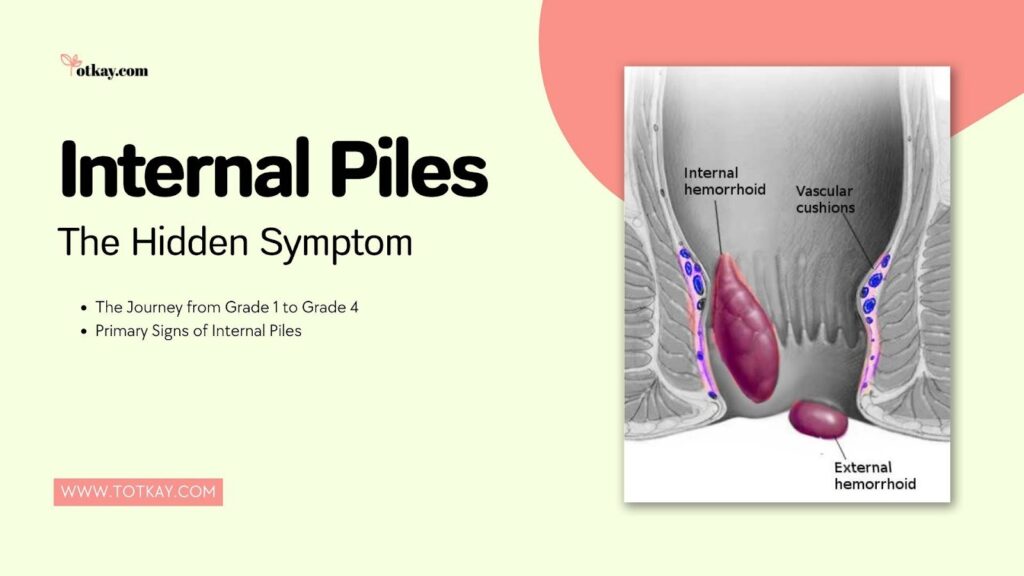
Medical professionals reference an invisible boundary in the anal canal called the “Dentate Line.” This important marker determines whether you feel severe pain or just notice painless rectal bleeding. The location of the swollen vein relative to this line decides if you have internal or external hemorrhoids.
There is a persistent myth that internal and external piles only happen to older people. In reality, studies from digestive and kidney disease specialists show that about 50% of adults experience some form of internal and external hemorrhoids by age 50.
Internal Piles: The Hidden Symptom
Internal piles, also called internal hemorrhoids, develop inside the rectum, above the dentate line. Because this part of the anal canal has no pain sensors, internal piles are often painless.
The Progression of Internal Piles: From Mild to Severe
Medical experts classify internal hemorrhoids into four grades, which impact the treatment plan tailored by colon and rectal surgeons:
- Grade 1: Swollen veins remain completely inside the rectum. You might notice bright red blood, but no prolapse occurs.
- Grade 2: The hemorrhoid tissue prolapses or pushes outside during bowel movements, but retracts by itself.
- Grade 3: The hemorrhoid prolapses during straining during bowel movements and must be pushed back manually.
- Grade 4: The prolapse is permanent and cannot be pushed back in, indicating increased risk for surgical intervention.
Primary Signs of Internal Piles
The common symptoms of internal piles include painless, bright red bleeding, especially during or after bowel movements. You may notice bright red blood on the toilet paper or in the water. The rectal lining lacks pain sensors, so painless bleeding is typical.
Many with internal hemorrhoids also report a feeling of fullness or a sense that their bowel movements are incomplete, a classic sign of swollen blood vessels inside the rectum.
External Piles: The Painful Presence
External piles (external hemorrhoids) develop below the dentate line, under the skin around the anus. These are often visible or can be felt as small lumps around the anal area.
The Nerve Factor
The skin around the anus is rich in nerve endings, making external piles much more likely to cause severe pain, discomfort, anus swelling, and anal itching. The increased pressure on these nerves leads to sharp, persistent pain with even slight movement or wiping.
The Thrombosed Hemorrhoid Alert
In some cases, a blood clot forms inside an external hemorrhoid, creating thrombosed hemorrhoids. This blood clot forms a hard, purple-blue lump around the anus, causing severe pain and heightened swelling. Prompt medical treatment may be necessary to restore blood flow and avoid complications.
At-a-Glance Comparison
To accurately identify your specific condition, use this quick reference comparing internal vs external piles:
| Feature | Internal Piles | External Piles |
| Location | Above the dentate line, in the lower rectum | Below the dentate line, around the anus |
| Main Symptom | Painless rectal bleeding (bright red blood) | Pain, itching, anus pain, visible lumps |
| Visibility | Hidden unless prolapsed | Always visible or easily felt when cleaning |
| Pain Level | Low (unless strangulated) | High, sharp, throbbing; may require treatment |
| Diagnosis | Anoscopy or digital rectal exam | Physical inspection of the skin around the anus |
- Location: Internal piles develop above the dentate line in the lower rectum. External piles occur below the dentate line, around the anus.
- Main Symptom: Internal hemorrhoids often cause painless rectal bleeding (bright red blood). External hemorrhoids cause pain, itching, anus pain, and visible lumps.
- Visibility: Internal piles are hidden unless prolapsed. External piles are always visible or can be easily felt during cleansing.
- Pain Level: Internal hemorrhoids usually cause low pain unless the hemorrhoid tissue becomes strangulated. External piles produce high, sharp, or throbbing pain, often needing over-the-counter creams or even surgical intervention.
- Diagnosis: Internal hemorrhoids often require anoscopy or a digital rectal exam for accurate diagnosis. External piles can usually be diagnosed with physical inspection of the skin around the anus.
Common Causes: Why Did This Happen?
Understanding what causes internal and external hemorrhoids is key to avoiding future problems.
The Toilet Phone Habit
Modern bowel habits, such as sitting for long periods on the toilet while using your phone, increase the risk of developing hemorrhoids. Prolonged sitting leads to increased pressure in the rectal veins.
Chronic Straining
Chronic constipation, chronic diarrhea, and the need to strain during bowel movements all contribute to swollen veins and increased risk for both internal and external piles. Hard stools and poor hydration also play significant roles.
Lifestyle Factors
Pregnancy increases abdominal and pelvic blood supply, often leading to hemorrhoid issues in women. Heavy lifting, especially at the gym when holding your breath, adds pressure to the rectal veins.
Low-fiber diets and a lack of whole grains or fiber supplements make stool harder and bowel movements more stressful, causing further irritation and risk of rectal bleeding.
The Totkay Corner: Targeted Natural Relief
Once you identify whether you have internal or external hemorrhoids, you can treat hemorrhoids with effective, natural methods that often prevent the need for medical intervention or minimally invasive procedures.
Remedies for Internal Piles
- Psyllium Husk (Ispaghol): Increasing your intake of high fiber foods and fiber supplements softens stools and reduces internal friction on swollen blood vessels.
- Hydration: Drinking at least eight glasses of water each day helps keep stools soft and regular, reducing strain during bowel movements and lessening your risk of piles.
Remedies for External Piles
- Sitz Baths: Sitting in warm water for 15 minutes helps reduce swelling and pain, increasing blood flow in the anal area.
- Cold Compresses: Applying a cold compress or ice pack can rapidly shrink a thrombosed hemorrhoid and bring down swelling.
- Witch Hazel & Aloe Vera: Using these natural astringents calms anus itching, burning, and irritation on the skin around the anus.
When to See a Specialist: The Red Flags
Most cases of internal vs external hemorrhoids respond well to lifestyle changes and at-home treatments. However, certain symptoms require medical attention:

- Heavy rectal bleeding, causing dizziness or possible anemia.
- Severe pain that does not improve within 48 hours despite proper treatment.
- Grade 4 prolapsed internal hemorrhoids that are dark or purple indicate a loss of blood supply (strangulated hemorrhoid).
- Unexplained anal fissure or mucus discharge.
Colon and rectal surgeons can recommend minimally invasive procedures such as rubber band ligation, laser piles surgery, or surgical removal, depending on the severity of your case.
Prevention: Living Piles-Free
Prevention is possible with healthy lifestyle changes and informed bowel habits:
- Squatty Position: Using a footstool to elevate your feet during bowel movements aligns your anatomy for easier passage and less pressure in the anal canal.
- TONE Rule: Three minutes per bathroom visit, once daily, no straining, and enough fiber in your diet.
- Weight Management: Reducing extra weight decreases pressure on swollen veins around the anus.
- Stay Active: Regular movement helps prevent chronic constipation and keeps your bowel habits regular.
Conclusion: Knowledge is the First Step to Relief
In summary, understanding internal vs external piles and the difference between internal hemorrhoids and external hemorrhoids is the key to choosing proper treatment options. Internal hemorrhoids are usually marked by painless rectal bleeding, while external hemorrhoids are linked to severe pain and visible lumps.
Most cases resolve with simple, high-quality lifestyle changes such as eating more whole grains, staying hydrated, and using sitz baths. However, persistent pain, blood clots, or symptoms of colorectal cancer require accurate diagnosis from healthcare professionals.
Apply these tips to prevent hemorrhoids, choose the right treatment plan tailored for you, and reclaim control of your digestive health. Seek medical guidance if symptoms worsen or do not respond to over-the-counter creams or other effective treatment options.
Take the next step in your journey to comfort, health, and confidence starts today at Totkay.
Frequently Asked Questions
What is the difference between internal and external piles?
Internal piles develop inside the rectum and are usually painless, causing bright red bleeding. External piles form outside the anus, causing pain, itching, and visible swelling.
Is ajwain (carom seeds) and khush podina (mint) ka kawa helpful for internal piles?
Yes, ajwain (carom seeds) and khush podina (mint) ka kawa may help people with internal piles by supporting better digestion and reducing constipation. Ajwain is known to stimulate digestive enzymes and reduce gas, while mint helps soothe the stomach and intestines. Since internal piles are often worsened by straining during bowel movements, improving digestion and promoting smoother bowel movements can help reduce discomfort and irritation.
How are hemorrhoids diagnosed?
Hemorrhoids are diagnosed through a physical examination for external piles or an anoscopy for internal piles. A digital rectal exam may also be performed for accurate diagnosis.
What causes internal and external hemorrhoids?
Common causes include chronic constipation, straining during bowel movements, prolonged sitting, pregnancy, and low-fiber diets, which increase pressure on rectal veins.
How can I treat hemorrhoids naturally?
For internal piles, use psyllium husk and stay hydrated. For external piles, try sitz baths, cold compresses, and natural remedies like witch hazel or aloe vera.
When should I seek medical treatment for piles?
Seek medical attention if you experience heavy rectal bleeding, severe pain lasting over 48 hours, or a prolapsed hemorrhoid that turns dark or purple.
Can ajwain (carom seeds) and khush podina (mint) ka kawa help with external piles?
Ajwain (carom seeds) and khush podina (mint) ka kawa may indirectly support external piles by regulating digestion and preventing constipation, thereby reducing pressure on swollen veins around the anus. While the kawa may help reduce digestive stress and inflammation in the body, external piles may also require additional care, such as proper hygiene, warm sitz baths, and medical advice if pain, swelling, or bleeding persists.

Hi, I’m a dedicated writer at Totkay.com, passionate about sharing practical tips and solutions to make your life easier. Explore my articles for helpful insights and valuable advice. Stay connected for more expert content!
Related posts:
 Severe Period Pain on First-Day Home Remedies
 Improve Endurance Naturally: 10 Proven Ways to Go Further
 Natural Carb Blockers: 10 Pantry Hacks to Stop Weight Gain
 High Blood Pressure Remedy: 10 Tips for 2026
 Nature’s Chill Pill: 10 Herbal Stress Relief Tips (2026)
 Non-Bleeding Hemorrhoids: Causes & Remedies