
How to weight loss without exercise: Proven Tips
Struggling to shed pounds without spending hours on a treadmill? You’re not alone. Many believe a lean physique requires grueling gym sessions, but the truth is far simpler: nutrition and lifestyle are the real keys to success.
If you’re looking for effective ways to achieve weight loss without exercise, you’re in the right place. While staying active is great for overall health, your body composition is largely influenced by what you eat, how well you sleep, and how you manage stress. Focusing on these key areas can help you achieve lasting weight loss without exercise or ever setting foot in a gym.
In this blog post, we will explore scientifically supported methods to help you lose weight sustainably, offering a practical roadmap for anyone short on time or physical ability.
Can You Really Lose Weight Without Exercise?
The short answer is yes. While physical activity offers numerous heart and muscle benefits, it is not the primary driver of fat loss. Your body burns energy in several ways, and purposeful exercise is actually a small percentage of that total.
What Actually Drives Weight Loss (Beyond Calories)
Understanding how your body utilizes energy is the first step toward freedom from the treadmill. Weight management fundamentally comes down to energy balance, but looking at the specific mechanisms helps clarify why the gym is optional.
Your total daily energy expenditure consists of these three main components:
- Basal Metabolic Rate (BMR): This is the energy your body burns just to keep you alive, including breathing and circulating blood.
- Thermic Effect of Food (TEF): Your body uses energy to digest, absorb, and process the nutrients you eat.
- Physical Activity: This includes both planned exercise and general movement throughout the day.
BMR accounts for the vast majority of calories burned daily. You can influence your weight significantly more by controlling the energy you consume than by trying to increase the energy you burn through a one-hour workout. Hormones like insulin also play a critical role. When insulin levels remain low, your body is more likely to access stored fat for fuel.
Who Does Weight Loss Without Exercise Work Best For
This approach is not just a compromise for those who cannot train. It is a highly effective strategy for several specific groups of people who need to focus on dietary intervention first.
Consider whether you fall into one of these categories where a nutrition-first approach is ideal:
- Sedentary professionals: Individuals with demanding desk jobs often find it impossible to schedule gym time but can easily control dietary choices.
- People with injuries or medical conditions: Those recovering from surgery or managing chronic pain need strategies that do not require physical stress on the body.
- Beginners restarting their health journey: Attempting to overhaul diet and fitness simultaneously often leads to burnout, making a focused dietary approach more sustainable.
Nutrition-First Weight Loss Strategies
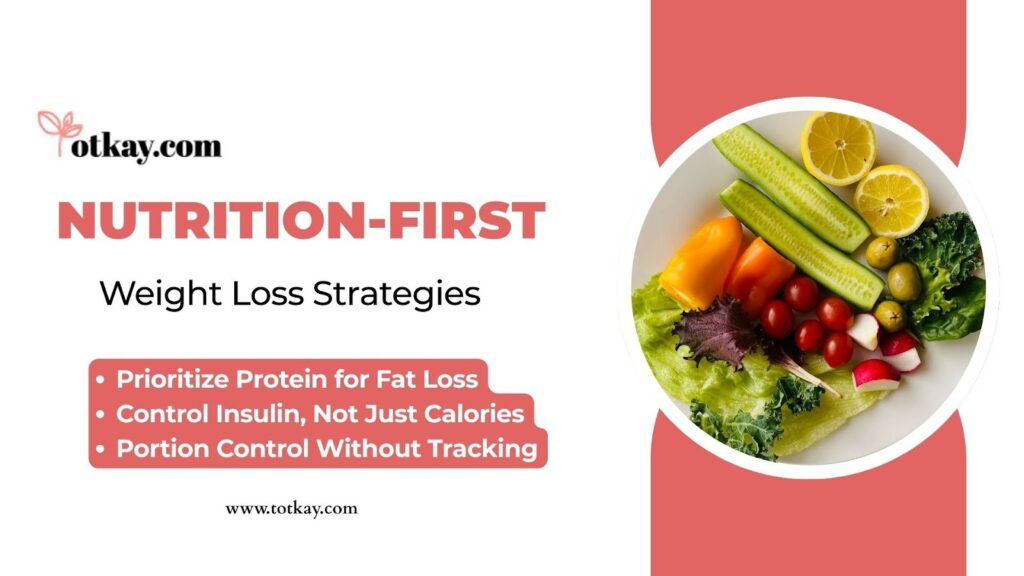
Nutrition is the most powerful tool in your arsenal. By manipulating macronutrients and food choices, you can naturally reduce hunger and increase calorie burning without counting every morsel.
Prioritize Protein to Trigger Natural Fat Loss
Protein is the most important nutrient for anyone attempting to lose body fat. It serves a dual purpose by keeping you full and requiring more energy to digest than carbohydrates or fats.
Increasing your protein intake yields these specific metabolic advantages:
- Enhanced satiety: Protein reduces the hunger hormone ghrelin, helping you feel satisfied with fewer total calories.
- High thermic effect: Your body burns 20 to 30 percent of the calories in protein just to digest it, compared to only 5 to 10 percent for carbs.
- Muscle preservation: Adequate protein intake ensures that the weight you lose comes from fat stores rather than lean muscle tissue.
You do not need to overhaul your entire fridge to see results. Simple upgrades like adding Greek yogurt to breakfast or doubling the chicken portion at dinner can make a difference. A common mistake is eating protein only at dinner. Spreading intake throughout the day keeps hunger signals quiet.
Control Insulin, Not Just Calories
Calories matter, but hormones dictate whether those calories are stored or burned. Insulin is the fat-storage hormone. When insulin is high, fat burning shuts down.
These dietary adjustments help keep insulin levels low and stable:
- Reduce snacking frequency: Every time you eat, insulin spikes. Limiting food intake to distinct meals allows insulin to drop in between.
- Strategic carbohydrate timing: Consuming carbohydrates earlier in the day or centered around your most active hours prevents excess storage.
- Focus on blood sugar stabilizers: Foods high in fiber and healthy fats slow down glucose absorption, preventing the sharp insulin spikes that lead to fat storage.
Portion Control Without Measuring or Tracking
You can achieve a calorie deficit without using a food scale or a tracking app. Visual cues and mindful eating practices are often more sustainable for long-term adherence.
Use these practical methods to manage portion sizes naturally:
- The plate method: Fill half your plate with vegetables, one quarter with protein, and one quarter with starch.
- Hand-based measurements: Use your palm to gauge protein portions and your cupped hand to measure carbohydrates.
- Eating speed: It takes approximately 20 minutes for satiety signals to reach the brain. Eating slowly prevents overconsumption.
Be wary of “healthy” foods that are calorie-dense. Nuts, avocados, and olive oil are nutritious but can easily push you into a calorie surplus if consumed without awareness.
Eating Patterns That Promote Weight Loss Without Exercise
How you eat is almost as important as what you eat. Structuring your meals effectively can optimize your hormones for fat loss.
Intermittent Fasting (Who It Works For & Who Should Avoid It)
Intermittent fasting is a pattern of eating that cycles between periods of eating and fasting. It is particularly effective for weight loss without exercise because it naturally restricts the eating window and lowers insulin levels.
Explore these popular fasting protocols to see if they fit your lifestyle:
- The 16:8 method: You fast for 16 hours and eat during an 8-hour window, such as noon to 8 PM.
- The 12:12 method: A gentler approach where you fast for 12 hours, typically overnight, which stops late-night snacking.
- Hormonal benefits: Fasting periods allow insulin levels to drop significantly, facilitating fat oxidation.
However, fasting is not for everyone. Those with a history of disordered eating or pregnant women should avoid strict fasting. A common mistake is overeating during the feeding window, which negates the calorie deficit created by the fast.
Meal Timing and Late-Night Eating
Your metabolism operates on a circadian rhythm. It is generally more efficient earlier in the day and slows down as you prepare for sleep.
Adopting these timing strategies can prevent unwanted fat gain:
- Align with daylight: Aim to consume the majority of your calories when the sun is up, and you are most active.
- Close the kitchen early: Finish your last meal two to three hours before bed to allow digestion to settle.
- Dinner composition: If you must eat late, choose a meal high in protein and vegetables rather than heavy carbohydrates.
Metabolic Boosting Habits (No Exercise Required)
Believe it or not, you can increase your daily calorie burn without ever setting foot in a gym. This concept is known as non-exercise activity thermogenesis, or NEAT. By focusing on small, consistent movements throughout the day, you can keep your metabolism firing and improve your insulin sensitivity, making it easier for your body to access stored fat for energy.
NEAT: Burning Calories Without “Working Out”
NEAT comprises all the calories you burn doing everything except sleeping, eating, or sports-like exercise. It can account for a substantial portion of your daily energy expenditure.
Maximize your NEAT with these simple lifestyle adjustments:
- Daily movement upgrades: Choose to stand while taking phone calls or park further away from the store entrance.
- Household chores: Activities like cleaning, gardening, and cooking burn more calories than sitting on the couch.
- Avoid prolonged sitting: Set a timer to stand up and stretch every hour to keep your metabolism active.
Sedentary habits quietly cause weight gain because they minimize this natural calorie burn. Small, consistent movements add up over weeks and months.
Hydration and Fat Loss Connection
Water is essential for metabolizing stored fat. Furthermore, many people mistake thirst signals for hunger, leading to unnecessary calorie consumption.
Use hydration as a strategic tool for appetite control:
- Pre-meal hydration: Drinking a glass of water 30 minutes before a meal can increase feelings of fullness.
- The temperature myth: While cold water burns a few extra calories, the effect is negligible. Drink water at whatever temperature ensures you drink enough.
- Replace liquid calories: Swapping sugary sodas and juices for water creates an immediate calorie deficit.
Ayurvedic & Natural Weight Loss Support
Ancient systems like Ayurveda offer holistic perspectives on weight management that complement modern science. These principles focus on digestion and balance, emphasizing that how you eat is just as important as what you eat.
By aligning your body’s natural rhythms with seasonal cycles and your unique constitution (Dosha), you can achieve sustainable results that go beyond simple calorie counting. This approach integrates mental clarity with physical health to ensure long-term vitality.
Ayurvedic Principles for Weight Balance
When digestion is weak, toxins accumulate, and weight gain often follows. Consider these Ayurvedic concepts for better metabolic health:
- Strengthen digestion: Sip warm water throughout the day to keep the digestive fire active.
- Kapha imbalance: excess weight is often linked to an imbalance in Kapha energy. Favor light, warm, and spicy foods to counteract this.
- Mindful eating: Ayurveda teaches that you should eat in a calm environment and focus entirely on the food.
Herbs & Natural Aids That Support Weight Loss
Certain herbs can gently support your metabolic processes. While they are not magic pills, they can provide a helpful edge.
These natural aids are commonly used to support weight management:
- Triphala: A blend of three fruits that supports digestion and regular elimination.
- Green tea: Contains catechins, which may help enhance fat burning and metabolism.
- Jeera water: Cumin water taken in the morning can help stimulate digestive enzymes.
Note that supplements cannot replace lifestyle changes. They work best when combined with the dietary strategies mentioned above.
Common Myths About Weight Loss Without Exercise
Misinformation creates barriers to success. Dispelling these myths can help you approach your weight loss journey with confidence and clarity.
- “You must sweat to lose fat”: Sweating is a mechanism for cooling the body, not a direct indicator of fat loss. You can burn fat while sitting at your desk if you are in a calorie deficit.
- “Dieting slows metabolism permanently”: While metabolism adapts during weight loss, it does not permanently break. Resistance training helps, but adequate protein intake also protects metabolic rate.
- “Skipping meals always causes weight gain.” Skipping meals only causes weight gain if it leads to binge eating later. Controlled fasting is a valid strategy.
- “Supplements can replace lifestyle changes”: No pill can undo the effects of a poor diet and lack of sleep.
A Realistic 7-Day Weight Loss Without Exercise Framework
Actionable steps create momentum. This simple framework allows you to implement these strategies without feeling overwhelmed.
Daily Focus Areas (Food, Sleep, Habits)
Focusing on one key area each day helps build sustainable habits.
Follow this schedule to gradually introduce changes:
- Monday: Focus on hydration. Replace all sugary drinks with water.
- Tuesday: Prioritize protein. Ensure every meal contains a palm-sized portion of protein.
- Wednesday: specific sleep focus. Be in bed 30 minutes earlier than usual.
- Thursday: manage stress. Take 10 minutes to breathe or meditate.
- Friday: check your NEAT. aim to stand for at least two hours total during the workday.
- Saturday: practice intermittent fasting. Try delaying breakfast by two hours.
- Sunday: meal prep. Prepare healthy lunches for the upcoming week.
When Exercise Becomes Helpful (But Still Optional)
There may come a point where your progress plateaus, or you simply feel ready to move more. Exercise becomes a helpful tool here, not a mandatory punishment.
If you choose to add movement, start with low-impact options:
- Walking: The most underrated exercise for fat loss. It lowers cortisol and burns calories without stimulating excessive hunger.
- Yoga: improves flexibility and reduces stress, which aids hormonal balance.
- Swimming: A joint-friendly option that builds endurance.
Add movement only when you feel mentally and physically ready. Doing so ensures it feels like a reward rather than a chore.
Final Thoughts
Losing weight is fundamentally a biological process driven by nutrition, hormones, and lifestyle factors. While exercise is excellent for general health, it is not a prerequisite for shedding body fat. By prioritizing protein, managing your sleep, and controlling insulin, you can achieve your goals effectively.
Remember that patience is vital. Weight loss without exercise may happen at a different pace, but the habits you build will ensure the results are permanent. Focus on consistency, start with small changes today, and trust the process. Sustainable fat loss starts in the kitchen and the bedroom, not just the gym.
Ready to transform your life without setting foot in a gym? For more expert secrets and actionable health hacks that actually work, head over to totkay.com and start your journey today.
FAQs
Can you lose weight without exercise?
Yes. Weight loss primarily depends on nutrition, hormones, sleep, and lifestyle habits. Exercise supports health, but is not required for fat loss.
Does eating less always lead to weight loss?
Not always. Eating too little can disrupt hormones and increase cravings. Sustainable weight loss comes from balanced meals that regulate hunger and insulin.
How important is protein for weight loss without exercise?
Protein is essential. It reduces hunger, preserves muscle, boosts metabolism, and helps ensure weight loss comes from fat rather than muscle.
Can intermittent fasting help with weight loss without exercise?
Yes. Intermittent fasting lowers insulin levels and naturally reduces calorie intake, making fat burning more efficient for many people.
Does poor sleep affect weight loss results?
Absolutely. Lack of sleep increases hunger hormones, worsens insulin resistance, and leads to stronger cravings for sugary foods.
What is NEAT, and how does it help burn fat?
NEAT refers to daily movement like walking, standing, and household tasks. These small activities significantly increase daily calorie burn without workouts.

Hi, I’m a dedicated writer at Totkay.com, passionate about sharing practical tips and solutions to make your life easier. Explore my articles for helpful insights and valuable advice. Stay connected for more expert content!
Related posts:
 How to Lose Weight in Ramadan By Incorporating Sunnah
 How to Get Six-Pack at Home Without Equipment?
 A Detailed Review of Alpilean Weight Loss Pills
 Coffee, Lemon, and Hot Water for Weight Loss
 The Top Benefits of Coffee and Ginger for Weight Loss
 Ayurvedic Herbs for Fitness: The 2026 Guide to Natural Strength